
Best Drilling Hammers: A Complete Masonry Buying Guide
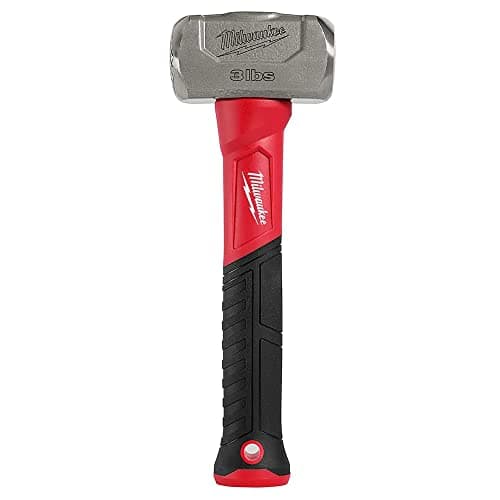
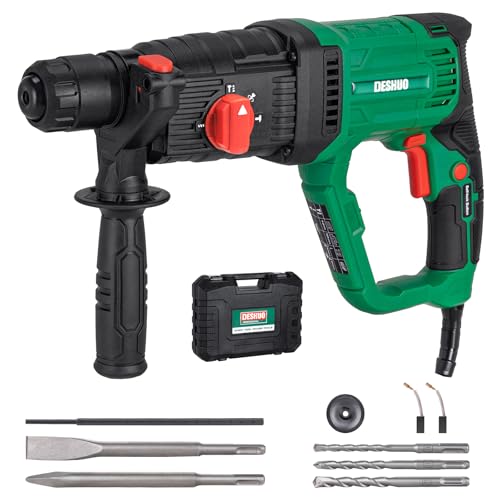
If you have ever searched for a masonry hammer online and ended up staring at power drills instead, you are not alone. The name overlaps with cordless "hammer drills," and the tool itself gets confused with sledgehammers and standard carpenter's hammers too. Once you cut through the naming confusion, though, picking from the best drilling hammers for your project comes down to just a few real variables: head weight, handle length and material, and how the face is built to strike a chisel or star drill. This guide walks through what actually separates one drilling hammer from another, how the tool differs from the hammers you may already own, and what to check before you buy.
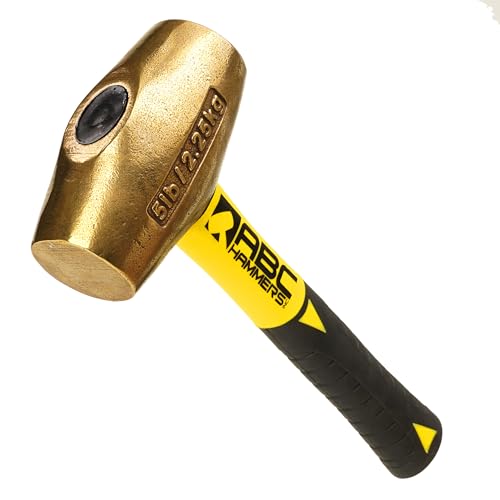


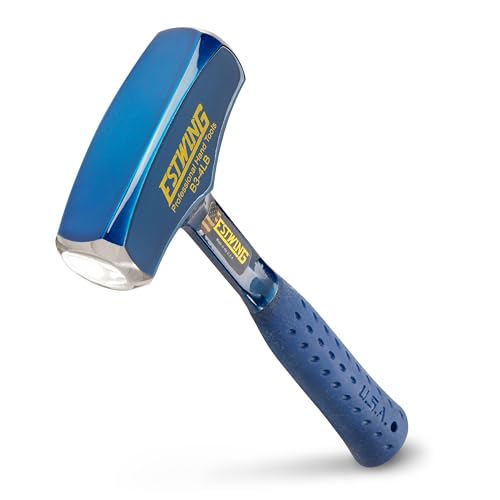

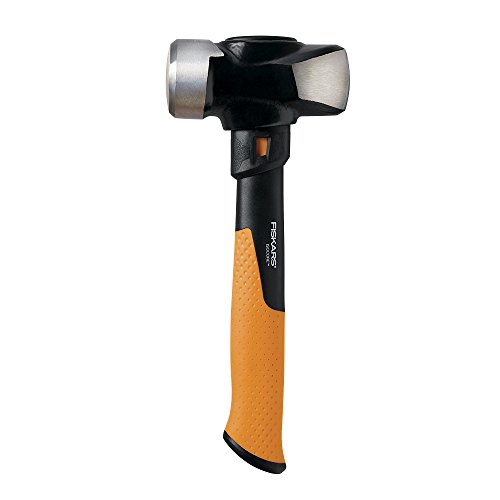
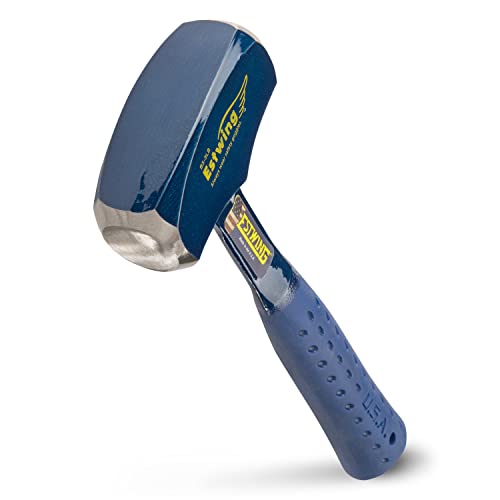
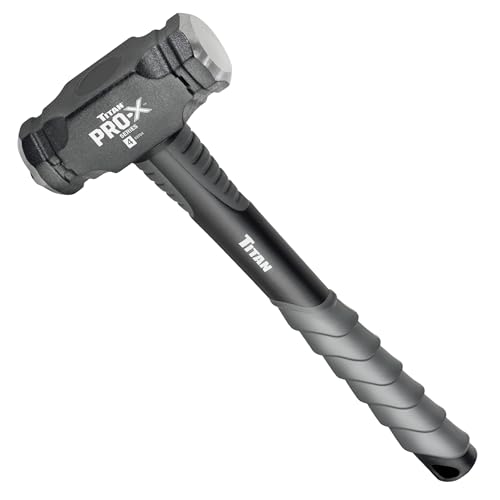
How a Drilling Hammer Differs From a Sledgehammer and a Claw Hammer
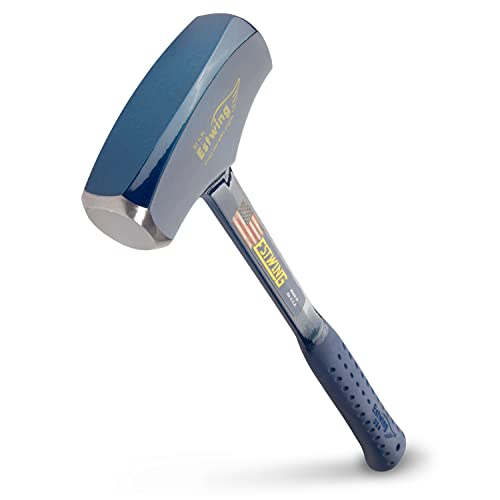
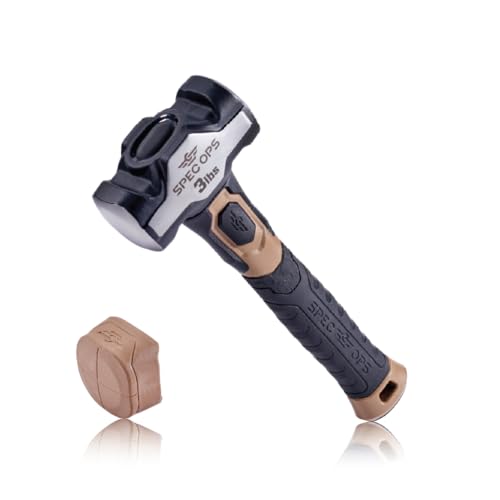
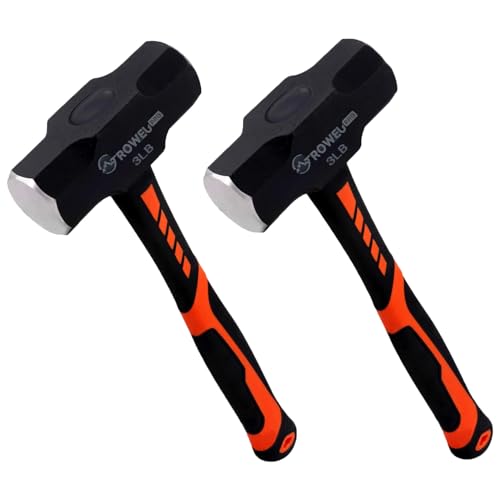
A drilling hammer, sometimes called a club hammer, lump hammer, or mini sledge, is a short, double-faced hammer built to strike steel, not to swing at wood or drive nails into a stud wall. Its head typically runs 2 to 4 pounds, mounted on a compact 10 to 12 inch handle so you can control it with one hand while your other hand holds a chisel or star drill steady against brick, block, or concrete.
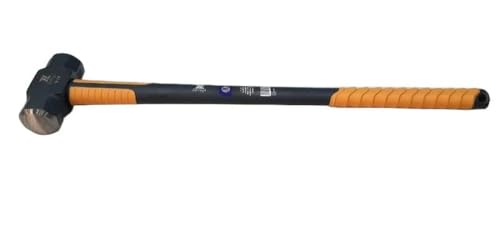
A sledgehammer covers similar ground but at a completely different scale. Sledge heads start around 4 pounds and climb well past 10 pounds, attached to a long, two-handed handle in the 30 to 36 inch range. That extra length and mass generate the momentum needed to break up slabs or drive large stakes, but it sacrifices the close control a drilling hammer gives you when you are chasing a line into a wall or setting a chisel precisely.
A carpenter's or claw hammer is a different tool entirely, and it is worth being clear on this before you shop. Claw hammers are lighter, built with a curved claw for pulling nails, and designed around driving fasteners into wood framing, not striking hardened steel against masonry. If your project also involves framing, trim, or general carpentry, a hammer built for driving nails into wood framing is the better tool for that job, and neither hammer is a substitute for the other. Using a claw hammer on a masonry chisel will mushroom the face quickly and give you far less driving force than a proper drilling hammer.
Choosing the Right Head Weight and Handle for the Job
Once you know you need a drilling hammer rather than a sledge or a claw hammer, the real shopping decision is weight and handle. Most of the best drilling hammers on the market cluster into a fairly narrow range, and matching that range to your actual project matters more than any other spec.
Head Weight Ranges and What They're Best For
A 2 pound head is the precision end of the range. It suits chasing socket boxes into blockwork, tapping in masonry nails, or any task where control matters more than raw force, and it stays comfortable to swing one-handed for long stretches. A 2.5 pound head is the closest thing to an all-purpose choice, heavy enough to split a brick or drive a bolster chisel through mortar in a couple of confident strikes without wearing out your forearm. Step up to 3 or 4 pounds when you are breaking up several concrete blocks or doing repeated heavy demolition, where the added mass does more of the work per swing. Heavier "drilling sledge" versions in the 4 to 6 pound range exist too, but at that weight you are approaching sledgehammer territory and may be better served by an actual sledge if the handle is long enough to swing two-handed.
Handle Length and One-Handed Control
Handle length on a drilling hammer is deliberately short, generally 10 to 12 inches, which is what allows one-handed use while your other hand positions a chisel or drill bit. A shorter handle also means shorter, more controlled swings, which is exactly what you want when you are aiming at a small target a few inches from your own hand. If you find yourself wanting more reach or striking power than a drilling hammer's handle allows, that is usually a sign the job calls for a full-length sledgehammer instead.
Wood, Fiberglass, or Steel: Picking a Handle Material
Wood handles, typically hickory, absorb vibration the best of the three and feel the most comfortable over a long work session, but they can crack if you overstrike and hit the handle against the work surface instead of the chisel. Fiberglass splits the difference: it transmits a bit more shock than wood but shrugs off overstrikes, moisture, and temperature swings far better, which makes it a solid choice for outdoor or job-site use. Forged one-piece steel handles are the most durable option and eliminate the head-loosening-from-handle problem entirely, but they transmit noticeably more vibration to your hand and wrist, so look for one with a molded grip if you plan to use it for extended periods.
Face Design and Safe Use With a Chisel
The head and handle get most of the attention, but the face of a drilling hammer is what actually contacts your chisel or star drill, and getting that detail wrong is a common source of missed strikes.
Why Face Diameter Matters
A general rule of thumb is that the striking face should be roughly twice the diameter of whatever you are hitting. A face that is too narrow for the chisel head you are using makes it much easier to glance off at an angle, which wastes energy and increases the odds of the chisel skidding. Some drilling hammers also add a slightly crowned or beveled face edge to reduce the chance of the face mushrooming or chipping over repeated heavy use, and a few models include a collar or guard near the neck of the head to protect the handle if you do overstrike.
Basic Safety When Striking a Chisel or Star Drill
Always wear eye protection when striking a chisel against masonry, since chips fly off unpredictably and gloves alone will not protect your eyes. Hold the chisel with a loose fist rather than a rigid grip, start with light taps to set a groove before committing to full strikes, and keep your swing controlled rather than rushed. Inspect the hammer head before each use for cracks, looseness, or a mushroomed face, and never strike toward yourself or point a chisel where a glancing blow could send it toward your body.
Frequently Asked Questions
What is a drilling hammer used for?
A drilling hammer is used to strike cold chisels, star drills, bolsters, and masonry nails when working with brick, block, concrete, or stone. It delivers a heavier, more controlled blow than a standard hammer, which lets a chisel bite into masonry rather than just bouncing off the surface.
What's the difference between a club hammer and a lump hammer?
There is no functional difference. Club hammer, lump hammer, mini sledge, and drilling hammer all describe the same short-handled, double-faced tool. The name that gets used tends to vary by region and by trade rather than by any real design difference.
What size drilling hammer do I need?
For light, precise work like chasing a wall or setting masonry nails, a 2 pound head is usually enough. A 2.5 pound head handles most general masonry tasks, and 3 to 4 pounds is worth stepping up to if you are breaking multiple blocks or doing heavier demolition on a regular basis.
Can you use a drilling hammer on wood?
You can technically strike wood with a drilling hammer, but it is not the right tool for driving nails into framing or trim. The flat, heavy faces and lack of a claw make it a poor substitute for a carpenter's hammer, and it will mark or crush softer wood far more easily than a hammer designed for that purpose.
What's the difference between a drilling hammer and a sledgehammer?
A drilling hammer has a shorter handle, around 10 to 12 inches, and a lighter head, usually 2 to 4 pounds, built for one-handed control. A sledgehammer has a long, two-handed handle and a much heavier head, built for maximum swinging force on large-scale demolition rather than precision.
How heavy is a typical drilling hammer?
Most drilling hammers fall between 2 and 4 pounds, with 2.5 pounds being the most common all-purpose weight. Heavier "drilling sledge" versions up to around 6 pounds exist for tougher demolition work, though at that point a two-handed sledgehammer often makes more sense.
Making Your Decision
Narrowing down the best drilling hammers for your situation really just means matching head weight to the scale of your project, choosing a handle material that fits how and where you will use it, and confirming the face is sized right for the chisel or drill you already own. Get those three details right and any well-made drilling hammer should serve you reliably for years of masonry and demolition work.