
Best Ball Peen Hammers: A Metalworking Buyer's Guide
If you have ever grabbed a claw hammer to round off a rivet or flatten a stubborn pin, you already know why the wrong tool makes metalwork harder than it needs to be. Choosing the best ball peen hammers for your bench starts with understanding what this hammer is actually designed to do, since it looks similar to other hammers but behaves very differently once it hits metal. In this guide, you will learn how head weight, steel construction, and handle material affect performance, plus how to decide whether one hammer or a graduated set fits your shop better.



Where a Ball Peen Hammer Actually Belongs in Your Toolbox
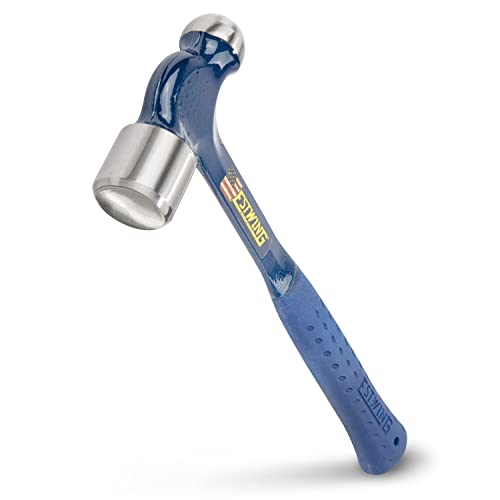
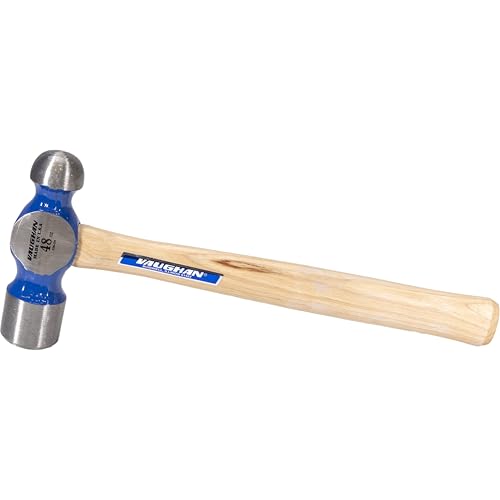
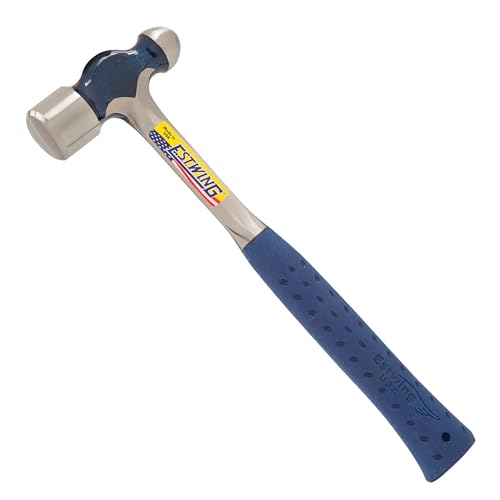
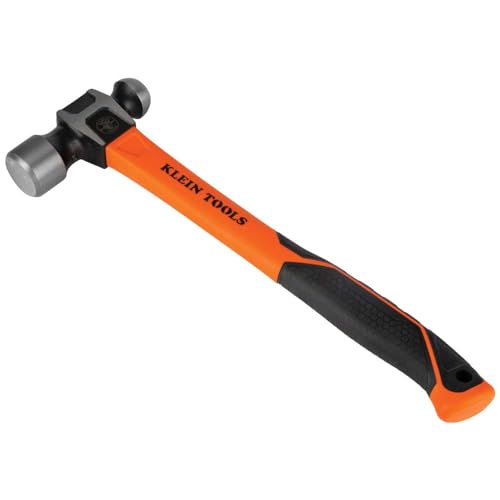
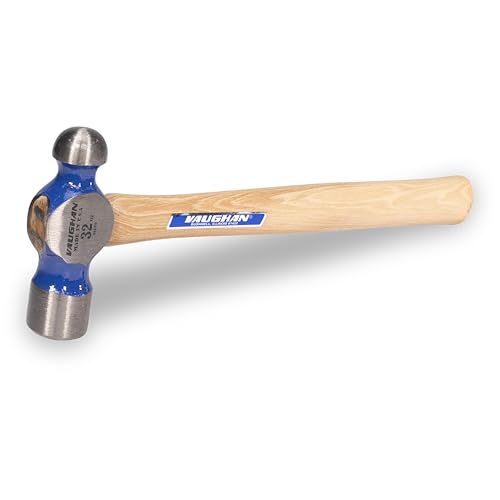
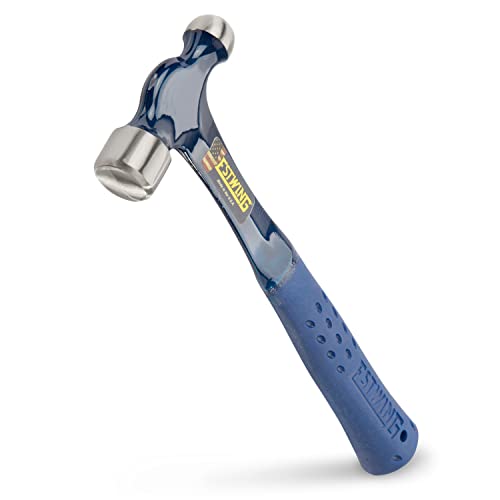
A ball peen hammer has a flat striking face on one side and a rounded, domed face on the other. That rounded end is built to peen, meaning it work-hardens and reshapes metal by rounding off rivet heads, closing pins, and smoothing edges without cracking the material the way a flat face can. Machinists, boilermakers, aircraft and auto mechanics, and metalworking hobbyists reach for this hammer any time the job involves shaping or setting metal rather than driving a fastener into wood.
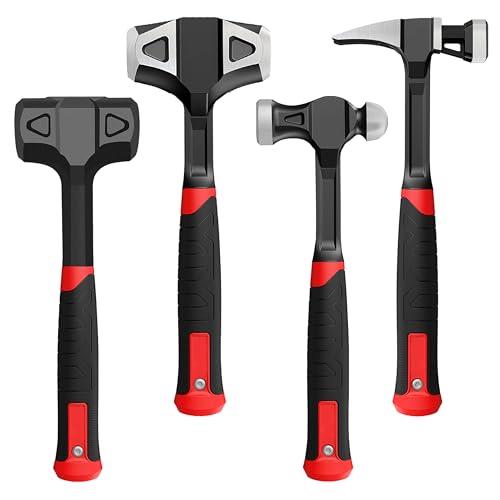
That distinction matters because the three hammer types get confused constantly. A carpenter hammer is built around a claw for pulling nails and a face designed to sink fasteners into wood, so its balance and face shape are wrong for peening rivets or striking a cold chisel accurately. A drilling hammer is a short, heavy sledge meant to strike masonry bits and chisels through concrete or stone, and it is far too blunt and heavy for controlled metal shaping. A ball peen hammer sits between them: light enough for precision, but purpose built for metal instead of wood or masonry.
Weight and Head Size: Matching the Hammer to Your Work
Head weight is the single biggest factor separating a hammer that helps you from one that fights you. Ball peen hammers are sold by the weight of the head, usually in ounces, and that number tells you almost everything about what the hammer is suited for. Too light and you will be swinging repeatedly to get the force you need. Too heavy and you lose the control that fine metalwork demands.
Light Work (4 to 8 Ounces)
These smaller heads suit jewelry making, instrument work, and other fine detail tasks where control matters more than force. They are also a good pick for anyone tapping small pins or working in tight spaces where a heavier head would be clumsy.
General Shop Use (10 to 16 Ounces)
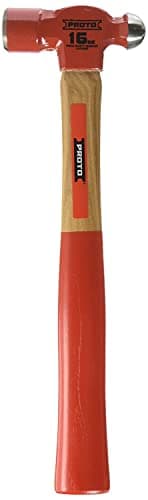
Most home shops and hobby garages land here. A 12 to 16 ounce head has enough mass for everyday riveting, punch and chisel work, and light metal shaping, while still staying light enough to swing accurately for an extended session. Most of the best ball peen hammers sold for general shop use fall right in this middle range because it suits the widest variety of tasks. If you are buying your first hammer and unsure where to start, this range is the safest bet.
Heavy Forming and Forging (18 Ounces and Up)
Heavier heads, often ranging up to 32 ounces, are meant for forging, heavier shaping, and any job where you need to move more material with each strike. These are less about precision and more about delivering consistent force, so they suit blacksmithing-adjacent work more than delicate bench tasks.
Head Construction and Steel Quality That Holds Up
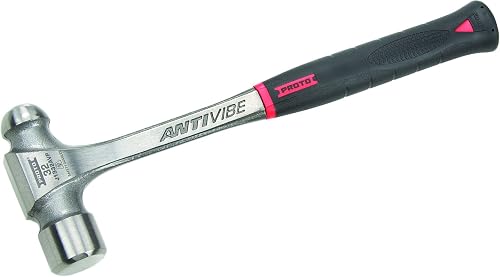
Not every hammer head is built to the same standard, and this is where cheap tools fail fastest. Look for a forged, high-carbon steel head rather than a cast one. Forging aligns the metal's grain structure so the head resists chipping and mushrooming at the edges, while cast heads are more prone to cracking under repeated impact.
Heat treatment is the other half of the equation. A properly heat-treated head keeps its hardness at the striking face while staying tough enough not to shatter, which is exactly the balance you want when you are hitting punches and chisels repeatedly. A rough, poorly finished surface or visible seams around the head are usually signs of a lower quality forging process, so a smooth, evenly finished head is worth checking for before you buy. The head should also sit securely on the handle with no wobble, since a loose head is both inaccurate and unsafe.
Handle Material Trade-offs: Wood, Fiberglass, or Steel
Handle material changes how a hammer feels after an hour of steady use, and this is a common point of frustration people run into after buying based on price alone.
Wood Handles
Hickory is the standard choice for wood handles because it absorbs shock well, which keeps your hand and elbow from taking the brunt of every strike. Wood needs occasional care, since it can dry out or crack under heavy peening over time, but a well fitted wood handle remains one of the most comfortable options for long sessions.
Fiberglass Handles
Fiberglass, usually paired with a rubberized grip, sits between wood and steel for shock absorption and tends to hold up well against everyday wear. Its main weakness is prolonged sun exposure, which can make the material brittle over years of outdoor storage.
Steel Handles
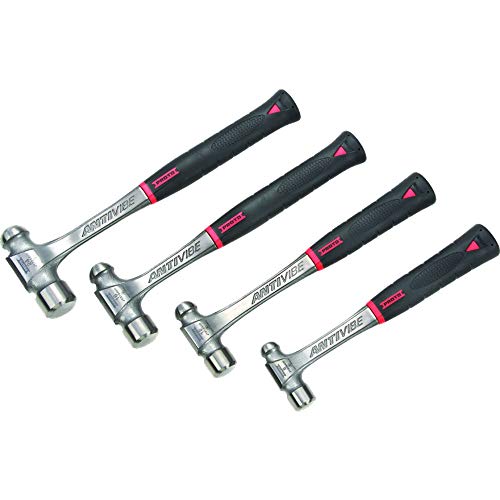
A one-piece steel handle is essentially unbreakable, so if durability under abuse is your top priority, this is the safest bet. The trade-off is vibration. Without a thick grip, steel transmits much more shock to your hand and wrist than wood or fiberglass, which can become fatiguing during repeated striking.
Single Hammer or a Graduated Set
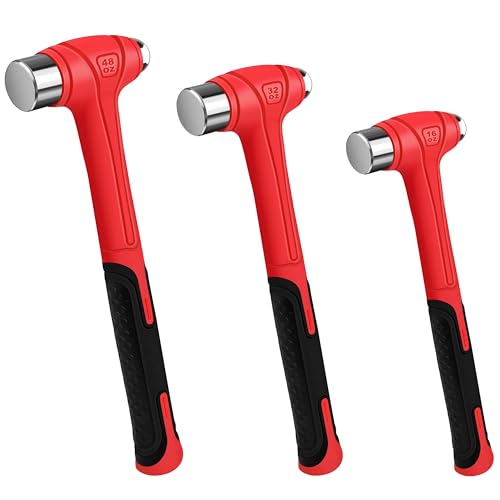
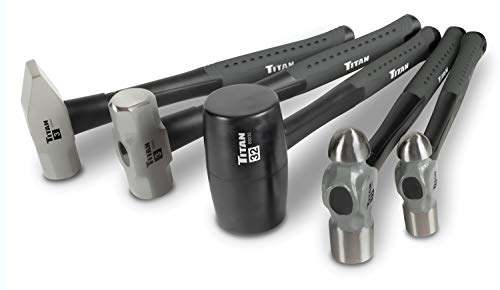
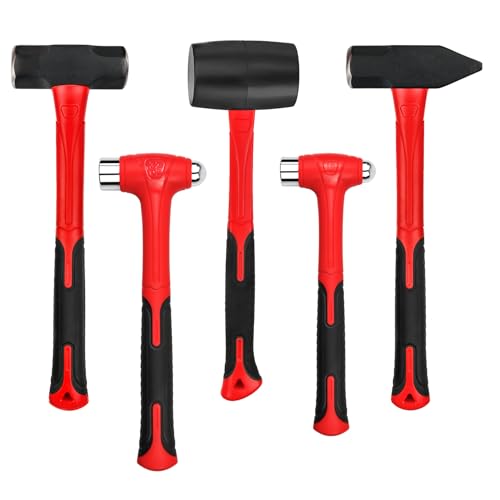
A lot of shoppers assume one hammer will cover every job, then find themselves either underpowered on heavier work or clumsy on delicate tasks. If your work stays within one narrow range, such as always doing light instrument repair or always doing heavier shop forming, a single well chosen hammer in the right weight class is all you need. If your projects vary, a graduated ball peen hammer set, commonly sold with heads around 8, 16, 24, and 32 ounces, saves you from buying hammers one at a time as new jobs come up. Sets also tend to share the same handle style and grip, which keeps the feel consistent as you switch weights mid project. The right call comes down to how varied your actual work is, not how many hammers look impressive on a pegboard.
Frequently Asked Questions
What is a ball peen hammer used for?
It is used for peening and shaping metal, rounding off rivet heads, setting pins, striking punches and chisels, and general metalworking tasks where a flat carpentry face would crack or mar the material.
What is the difference between a ball peen hammer and a cross peen hammer?
A ball peen hammer has a rounded, domed face suited to rounding rivets and general shaping in any direction. A cross peen hammer has a narrow, wedge shaped face set perpendicular to the handle, which is better for directional forging and moving metal to one side.
What size ball peen hammer should I buy first?
A 12 to 16 ounce head is the most commonly recommended starting point, since it handles typical riveting, punch work, and light shaping without being too light for real force or too heavy for accurate control.
Can you use a ball peen hammer to drive nails?
It is not designed for that. The face geometry and balance are built for metal, not for setting nails in wood, so a dedicated carpentry hammer will drive nails more accurately and comfortably.
What is the rounded ball end actually for?
The rounded end peens metal, which means it work-hardens and reshapes the surface through repeated, controlled strikes. This is what rounds off a rivet head cleanly instead of splitting or cracking it.
Do I need a full set of ball peen hammers?
Only if your projects span a wide range of weights and tasks. Someone doing consistent, narrow-range work is usually better served by one well matched hammer than by a full set they rarely use in full.
Is a ball peen hammer good for blacksmithing?
It can handle light forging and shaping, but dedicated smithing work usually favors a cross or straight peen hammer for directional control when drawing out metal. A heavier ball peen hammer still has a place in a smithy for rounding and general striking tasks.
Making the Right Call
Matching head weight to your actual projects, choosing a properly forged and heat-treated head, and picking a handle material that suits how long you swing at a time will get you most of the way to a good decision. Beyond that, the best ball peen hammers for your bench are simply the ones sized and built for the metalwork you actually do, not the heaviest or most feature-packed option on the shelf.