
Best Daylight LED Bulbs: A Complete Buying Guide
Disclosure: We may earn a commission when you buy through links on this page, at no extra cost to you. As an Amazon Associate we earn from qualifying purchases. Learn more
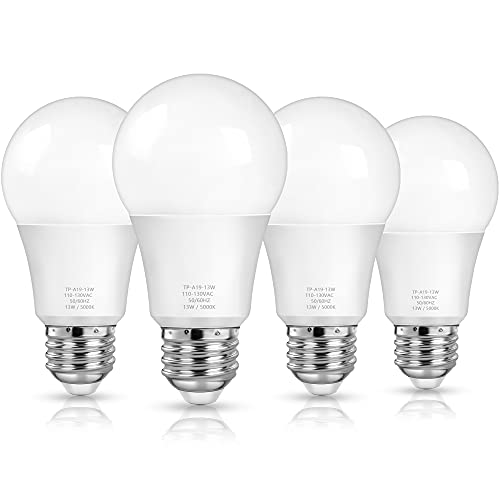
You screw in a new bulb expecting a bright, clean white light, and instead the room looks like a hospital corridor. Or the opposite happens: the box says "daylight," but the light barely feels different from what you had before. Finding the best daylight led bulbs for a specific room comes down to a few numbers most shoppers never learn to read, namely Kelvin, CRI, and lumens. In this guide, you'll learn what those numbers actually mean, which rooms benefit most from daylight-spectrum light, and how to avoid the harsh, clinical glare that sends so many of these bulbs back to the store.
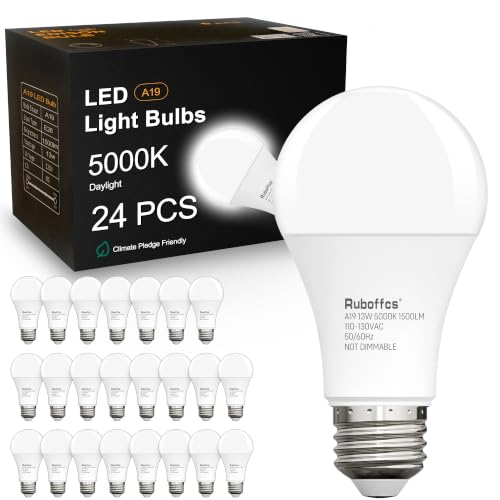


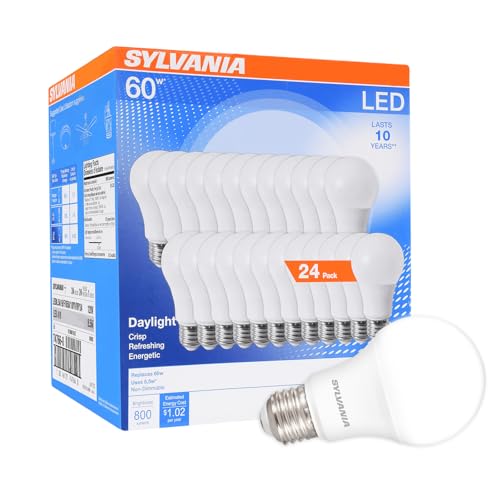
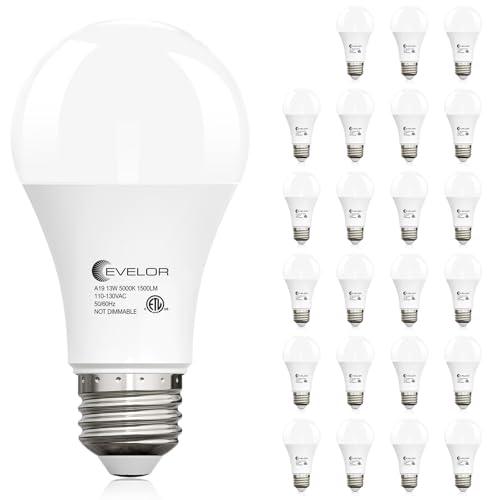

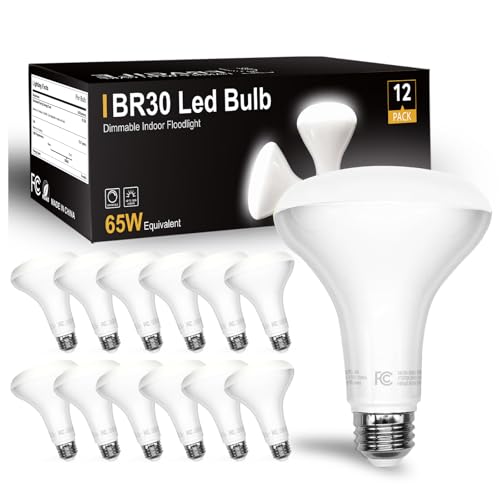

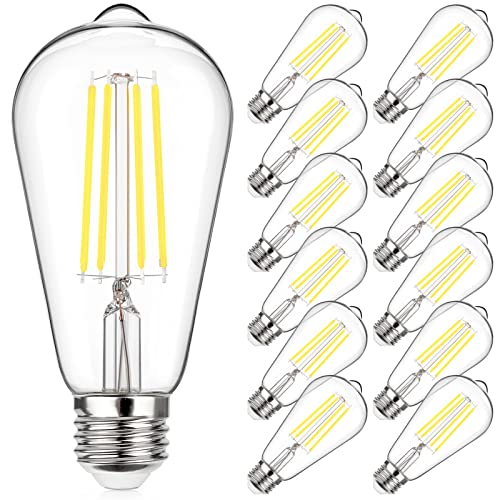

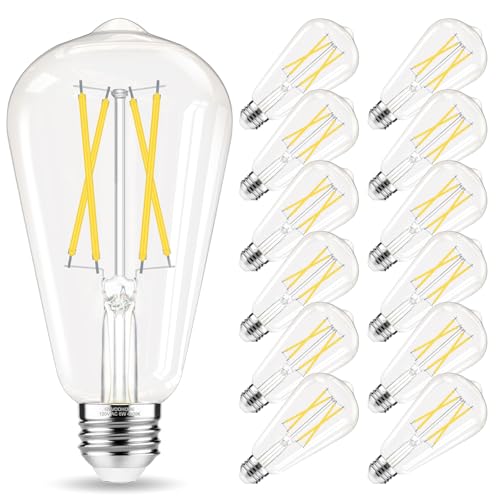
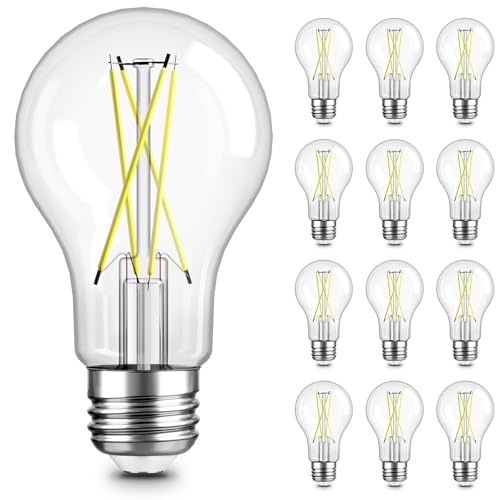
Understanding the Daylight Kelvin Range: 5000K vs 6500K
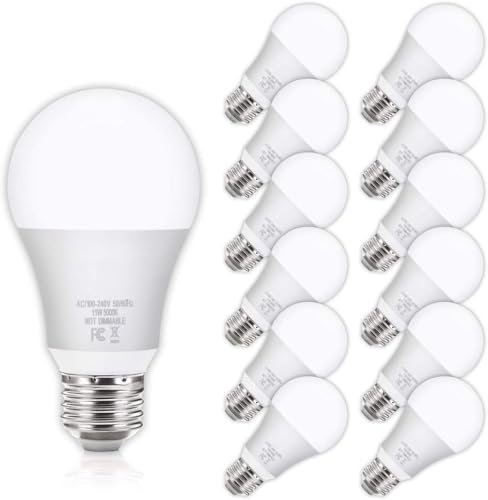
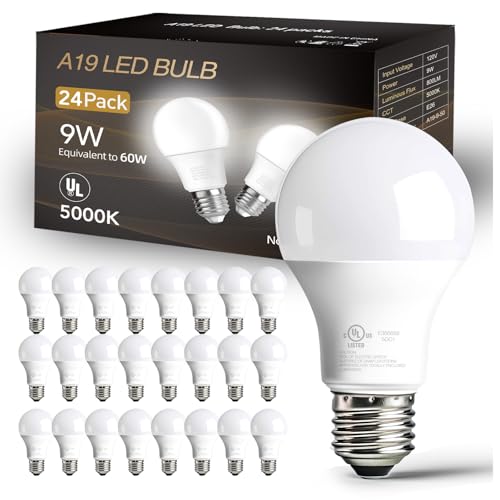
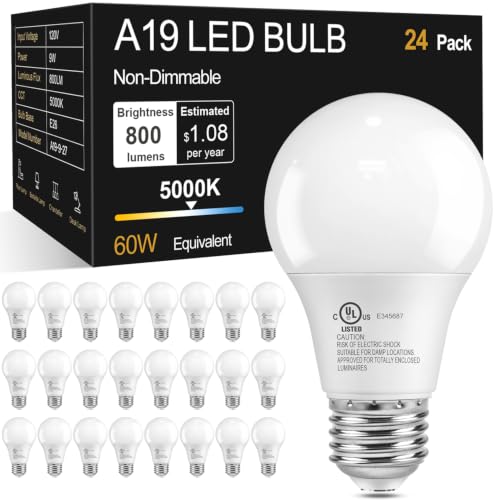
"Daylight" isn't one fixed shade of white. It's a band on the Kelvin scale, generally 5000K to 6500K, that sits at the cool, blue-leaning end of the spectrum. Bulbs below that range shift toward yellow and amber (soft white), while bulbs above it start to look distinctly blue. Manufacturers sometimes stretch the label loosely, so checking the actual Kelvin number on the packaging matters more than trusting the word "daylight" printed on the box. This is the first, and most important, filter for narrowing down the best daylight led bulbs for any given room.
How 5000K Differs from 6500K in Everyday Light
A 5000K bulb reads as a bright, neutral white, close to an overcast midday sky. It's clean without feeling cold, which makes it a comfortable choice for kitchens and workspaces where you still want some warmth in the room. A 6500K bulb pushes further toward blue and mimics clear noon sunlight more closely. It's crisper and more energizing, but it can feel sterile in a room without much natural light of its own to balance it out.
Daylight vs. Soft White vs. Cool White at a Glance
Soft white sits around 2700K to 3000K and gives off the warm, amber glow associated with old incandescent bulbs, ideal for relaxing spaces. Cool white lands near 4000K, a middle ground that works well over kitchen counters or in hallways without feeling harsh. Daylight bulbs, at 5000K and above, are the coolest and brightest-looking of the three, best reserved for spaces where focus matters more than comfort.
Why CRI and R9 Matter as Much as the Kelvin Number
Two bulbs can share the same 5000K rating and still look completely different once they're lighting a room. That gap almost always comes down to the Color Rendering Index, a score out of 100 that measures how accurately a light source reveals true colors compared with natural daylight. A low-CRI daylight bulb can leave skin tones looking gray and food looking dull, even though the room technically feels "bright."
The Minimum CRI Worth Paying For
Anything below 80 CRI is worth skipping for general living spaces. A CRI of 90 or higher is a reasonable baseline for kitchens, bathrooms, and closets, and it's one of the clearest markers of the best daylight led bulbs on the market today. For color-critical tasks like makeup application, artwork, or detailed craft work, look for 95 CRI or above.
What R9 Tells You About Skin Tones and Reds
Standard CRI scores can hide a weakness in rendering deep reds, which is exactly the range that affects how skin tones and certain foods appear under the light. A separate R9 score fills that gap. Bulbs with an R9 above 50, and ideally above 80, tend to render warm tones far more naturally than a high CRI number alone would suggest.
Matching Lumens to the Room So the Light Doesn't Overwhelm You
Kelvin describes color, not brightness, and mixing the two up is one of the most common mistakes shoppers make. A 6500K bulb isn't automatically brighter than a 3000K one; brightness is measured separately in lumens. Getting this wrong is how a small bathroom ends up feeling like it's lit for surgery.
A Simple Lumens-Per-Square-Foot Rule of Thumb
Relaxed living spaces generally need somewhere around 20 to 40 lumens per square foot, while task-heavy areas like kitchens, garages, and bathrooms benefit from closer to 60 to 80 lumens per square foot. A midsize kitchen might call for roughly 3,000 to 6,000 total lumens spread across its fixtures, while a small home office desk lamp may only need 800 to 1,200 lumens pointed directly at the work surface. Matching this number correctly is just as important as the color temperature itself when shopping for the best daylight led bulbs for a specific room.
Task Lighting vs. Ambient Lighting Needs
A single overhead daylight bulb rarely does a room justice on its own. Task areas, like a reading chair, a desk, or a kitchen counter, benefit from a more concentrated, closer light source, while ambient daylight lighting spread across a whole room can start to feel flat or overly bright if every fixture uses the same high output.
Which Rooms Actually Benefit from Daylight Bulbs
Not every space calls for daylight-spectrum light, and that's often where buyers go wrong. The cooler, energizing quality that makes these bulbs useful in one room is precisely what makes them a poor fit in another. Picking the best daylight led bulbs really means picking the right rooms for them first.
Where Daylight White Shines: Offices, Garages, Kitchens
Home offices, garages, workshops, and kitchen prep zones are where daylight bulbs earn their keep, since the crisp white light supports focus and makes it easier to spot small details, whether that's reading fine print, matching paint colors, or checking food for doneness. If you're setting up a kitchen specifically, a closer look at LED bulb options built for kitchen lighting can help you narrow the color temperature further for that space. Garage workbenches and tool areas also tend to benefit from the added visual sharpness that daylight bulbs provide over dimmer, warmer options.
Where It Usually Backfires: Bedrooms and Lounge Areas
Bedrooms, living rooms, and dining areas are usually better served by soft white or cool white light. Daylight-spectrum bulbs used late in the evening can also work against your sleep routine, since cooler, bluer light tends to suppress the body's natural wind-down signals more than warm light does. If a fixture in one of these rooms takes a smaller candelabra-base bulb, it's worth checking candelabra LED bulb options in a warmer color temperature rather than defaulting to daylight white out of habit.
Dimming, Flicker, and Smart Home Compatibility
Color temperature and brightness aside, how a bulb behaves on your existing switches is just as important to the overall experience.
Check the Dimmable Rating Before You Pair It with a Dimmer
Not every daylight LED bulb is built to dim, and pairing a non-dimmable bulb with a dimmer switch is a common source of buzzing, flickering, or a shortened bulb lifespan. Look for "dimmable" printed clearly on the packaging, and where possible, check that it's rated compatible with the specific dimmer switch already installed in the room. Skipping this check is one of the most common reasons buyers end up disappointed even after finding otherwise well-reviewed, best daylight led bulbs online.
Flicker-Free Specs Matter for Long Reading or Screen Sessions
Cheaper drivers inside a bulb can produce a flicker that's invisible to the naked eye but still contributes to eye fatigue over long stretches at a desk or reading chair. A flicker-free rating is worth prioritizing for any daylight bulb going into a home office or study space. If you're also considering app-controlled lighting for that same space, smart light bulb options often include adjustable color temperature, letting you switch between daylight white for work hours and a warmer tone in the evening without swapping bulbs.
Frequently Asked Questions
Is 5000K or 6500K better for daylight bulbs?
Neither is universally "better." 5000K gives a bright, neutral white that's easier to live with day to day, while 6500K is closer to true noon sunlight and works best in spaces where sharp visual clarity matters more than comfort, such as garages or workshops.
What CRI is good for daylight LED bulbs?
Aim for at least 90 CRI for everyday rooms and 95 or higher for color-critical tasks like makeup, artwork, or detailed craft work. Anything under 80 CRI tends to make colors look flat or slightly off.
Are daylight LED bulbs good for bedrooms?
Generally, no. The cool, blue-leaning tone of daylight bulbs is better suited to focus-driven spaces, while bedrooms usually benefit more from soft white light that supports relaxation and doesn't interfere with winding down before sleep.
How many lumens do I need for a daylight bulb?
It depends on the room and task. Relaxed spaces need roughly 20 to 40 lumens per square foot, while task-heavy areas like kitchens and garages typically call for 60 to 80 lumens per square foot. Getting the lumen count right is part of what separates the best daylight led bulbs from ones that simply feel too dim or too glaring for the space.
Can daylight LED bulbs be dimmed?
Some can, but not all. Check the packaging for a "dimmable" label and, if you already have a dimmer switch installed, confirm the bulb is rated compatible with it to avoid flickering or buzzing.
What's the difference between daylight and cool white bulbs?
Cool white typically sits around 4000K, a middle ground between warm and cold light, while daylight starts at 5000K and climbs to 6500K, making it noticeably brighter and bluer than cool white.
Do daylight LED bulbs cause eye strain?
A well-made daylight bulb with a high CRI and a flicker-free driver shouldn't cause more eye strain than any other light source. Cheaper bulbs with poor color rendering or hidden flicker are the more likely culprits behind tired eyes during long work sessions, which is why it pays to research the best daylight led bulbs rather than grabbing the cheapest pack on the shelf.
Making the Right Call for Your Space
Choosing among the best daylight led bulbs isn't about picking the coolest, brightest option on the shelf. It comes down to matching Kelvin, CRI, and lumens to what a specific room actually needs, then confirming the bulb works with your existing dimmer or smart setup before you buy in bulk. Get those details right, and daylight lighting becomes a genuine upgrade rather than a harsh surprise.