
Best LED Bulbs for Kitchen: A Complete Buying Guide
Disclosure: We may earn a commission when you buy through links on this page, at no extra cost to you. As an Amazon Associate we earn from qualifying purchases. Learn more
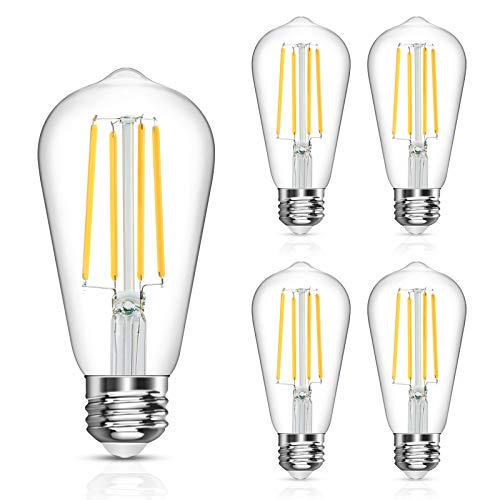
If your kitchen light makes takeout look better than the meal you just cooked, the bulb is probably the problem, not your cooking. Swapping in the best led bulbs for kitchen use isn't just about brightness. It comes down to a handful of specs that most shoppers never think to check until the light overhead is already driving them crazy. In this guide, you'll learn how color temperature, CRI, and lumens work together, how to match a bulb to your specific fixtures, and which mistakes send most kitchen lighting upgrades sideways.



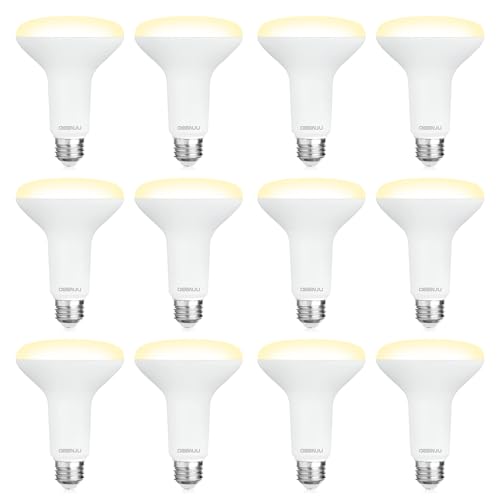
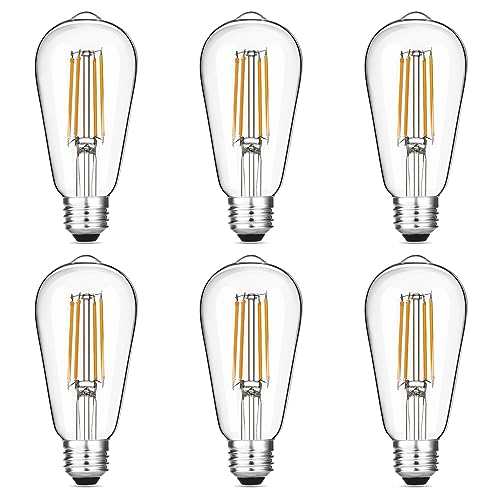
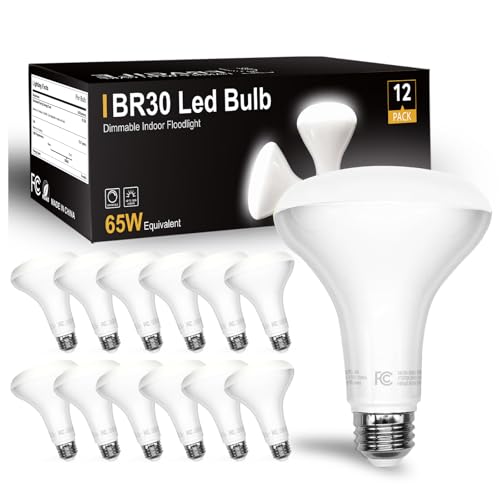
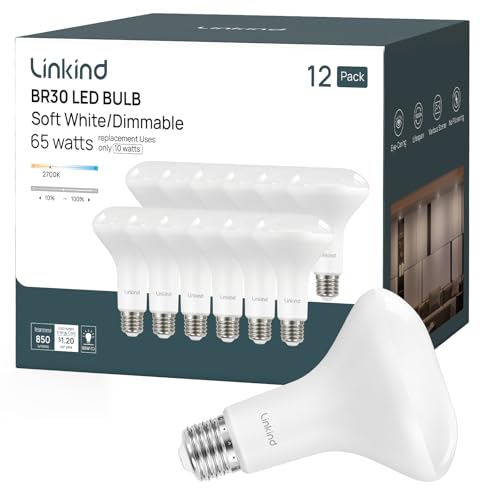
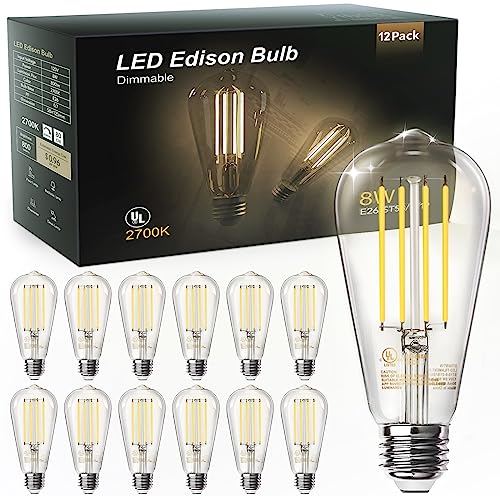
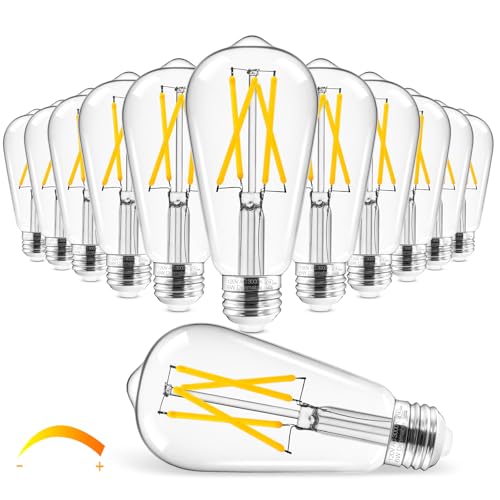
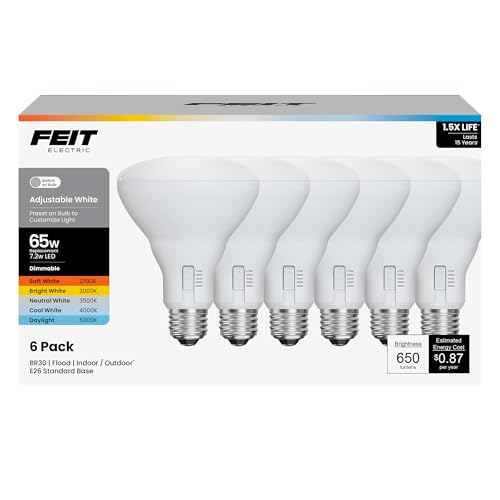
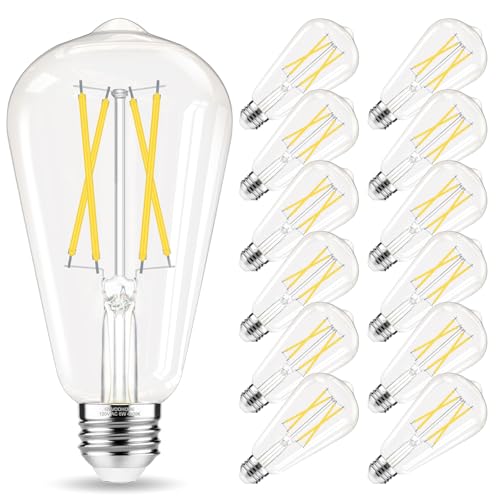
Color Temperature, CRI, and Brightness: What Actually Makes a Kitchen Bulb Work
Every kitchen bulb decision comes down to three numbers printed in small type on the package: Kelvin (color temperature), CRI (color rendering index), and lumens (brightness). Get these three right and almost any bulb will feel like the right one. Get them wrong and even an expensive bulb will leave your kitchen feeling off.
Color Temperature (Kelvin): Warm, Neutral, or Daylight
Color temperature describes how warm or cool a bulb's light looks, measured in Kelvin. Lower numbers, around 2700K to 3000K, produce a warm, amber-tinted glow similar to old incandescent bulbs. It's cozy, but it can make food prep areas feel dim and muddy. Higher numbers, closer to 5000K, look crisp and blue-white, similar to daylight, which is great for seeing what you're cutting but can feel clinical if it's the only light in the room.
Most kitchen light bulbs land best somewhere between 3000K and 4000K. That range keeps the space feeling like a kitchen instead of a hospital, while still giving you enough clarity to tell when chicken is fully cooked or produce has gone bad. If your kitchen has separate zones, it's worth pairing a slightly cooler temperature over the counters and stove with a warmer tone over a dining table or breakfast nook.
CRI: Why It Matters More in the Kitchen Than Anywhere Else
CRI measures how accurately a bulb renders color compared to natural sunlight, on a scale up to 100. It matters more in a kitchen than almost any other room, because you're constantly judging color: is the salmon done, is the avocado ripe, does the sauce need more tomato. A low CRI bulb, even a bright one, can make fresh produce look gray or washed out.
Look for a CRI of 90 or higher whenever possible. Many budget LED bulbs sit closer to 80, which is fine for a hallway or garage but noticeably flatter under close inspection at a cutting board. The difference between an 80 CRI and a 90+ CRI bulb is one of the most common reasons a "bright enough" kitchen still feels like something is missing.
Lumens: Matching Brightness to Each Kitchen Zone
Lumens measure actual brightness, and kitchens typically need more of it than people expect, especially over prep and cooking zones. As a rough guide, recessed ceiling fixtures generally work well in the 650 to 1,100 lumen range per bulb, under-cabinet strips are usually rated per linear foot rather than per bulb, and pendant lights over an island can run higher, often 800 to 1,500 lumens each depending on how many you're using.
Rather than relying on old incandescent wattage as a mental shortcut, check the lumen rating directly on the box. Two bulbs can both be labeled "60-watt equivalent" and still put out noticeably different amounts of usable light.
Picking the Right Bulb Shape and Base for Your Kitchen Fixtures
Getting the color and brightness right only matters if the bulb actually fits the fixture. Finding the best led bulbs for kitchen fixtures means matching bulb shape to fixture type, not just chasing the right spec sheet. Kitchens tend to mix several fixture types in one room, so it helps to think through each one separately before you buy in bulk.
Recessed Cans and BR30/PAR30 Bulbs
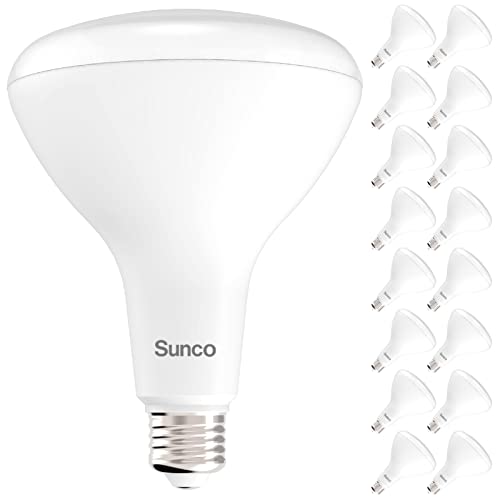
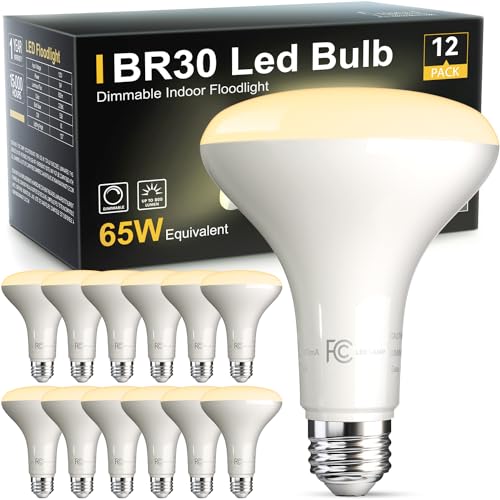
Standard kitchen recessed cans typically take BR30 or PAR30-shaped bulbs, which have a wider reflector face designed to spread light evenly across a ceiling. If your existing cans feel dim or yellow, it's often because they were fitted with a lower lumen or lower Kelvin bulb than the space actually needs. If you're weighing a full swap to slimmer, integrated fixtures instead of standard can bulbs, it's worth comparing options like ultra-thin LED recessed lights before committing either way.
Under-Cabinet Strips and Puck Lights
Under-cabinet lighting solves a problem overhead fixtures can't: shadows cast by your own body while you're chopping or prepping right at the counter. Strips give continuous, even coverage along a run of cabinets, while puck-style fixtures create pools of light better suited to spotlighting a specific task area, like a coffee station. If you're deciding between the two styles, a closer look at under cabinet LED puck lights can help clarify which layout fits your counter setup.
Pendant and Standard-Base Fixtures Over an Island
Islands and peninsulas usually take standard screw-in bulbs inside pendant fixtures, which gives you the most flexibility to fine-tune color temperature and brightness independently from the rest of the room. Because pendants hang lower and closer to eye level, glare matters more here than with ceiling-mounted options, so a frosted or diffused bulb tends to feel more comfortable than a clear one. For inspiration on fixture styles that pair well with warmer, dimmable bulbs, drum pendant lights are a common choice for kitchen islands.
Where Kitchen Lighting Upgrades Go Wrong
Most kitchen lighting complaints trace back to one of a few avoidable mistakes, not a fundamentally bad bulb.
Mixing Color Temperatures Across Fixtures
It's easy to end up with recessed cans at 5000K, an island pendant at 2700K, and under-cabinet strips at whatever the multipack included. The result is a kitchen that looks visually inconsistent, even if each individual fixture is fine on its own. Sticking to one Kelvin range across the whole room, with maybe one slightly warmer zone for dining, keeps everything feeling cohesive.
Dimmer Flicker and Buzzing
Not every LED bulb is built to work with every dimmer switch, and mismatched pairs are a common source of flickering, buzzing, or a limited dimming range. If you want dimmable performance, buy bulbs explicitly rated as dimmable and, where possible, pair them with an LED-rated dimmer switch rather than an older model built for incandescent loads.
Skimping on CRI to Save Money
Because CRI isn't as prominently marketed as wattage or lumens, it's easy to grab the cheapest option and end up with flat, lifeless color rendering at the counter. The upfront savings rarely feel worth it once you notice food looking duller than it should under everyday lighting.
Frequently Asked Questions
What color temperature is best for kitchen lighting?
Most kitchens work best somewhere between 3000K and 4000K. This range stays bright and clear enough for food prep without feeling cold or overly clinical.
Is 5000K too bright for a kitchen?
5000K isn't too bright on its own, but it can feel stark if it's the only light source in the room. It works well over task areas like a stove or sink, especially when balanced with a slightly warmer tone elsewhere.
What CRI should kitchen light bulbs have?
Aim for a CRI of 90 or higher. It makes a noticeable difference in how accurately food, produce, and countertop colors appear.
How many lumens do I need to light a kitchen?
It depends on the fixture, but recessed cans generally fall in the 650 to 1,100 lumen range each, while island pendants often run 800 to 1,500 lumens each. Under-cabinet lighting is usually measured per linear foot instead.
Why does my dimmable LED flicker or buzz?
This usually happens when a bulb isn't actually rated for dimming, or when it's paired with an older dimmer switch designed for incandescent bulbs rather than LEDs. Matching a dimmable-rated bulb with an LED-compatible dimmer usually resolves it.
Do LED bulbs run cooler than incandescent bulbs in the kitchen?
Yes. LED bulbs convert far more of their energy into light rather than heat, so they add noticeably less warmth to a kitchen that's already heating up from cooking.
Making Your Decision
Choosing the best led bulbs for kitchen fixtures isn't about chasing the highest wattage equivalent or the flashiest packaging. Focus on a Kelvin range in the 3000K to 4000K zone, a CRI of 90 or higher, and lumens matched to each fixture, and the rest tends to fall into place. Once those three specs line up with your fixtures, your kitchen will finally look as good as whatever you're cooking in it.