
Best Cycling Sunglasses: What to Know Before You Buy
Disclosure: We may earn a commission when you buy through links on this page, at no extra cost to you. As an Amazon Associate we earn from qualifying purchases. Learn more

Squinting into low sun, watching a bug hit your eye at 20 miles an hour, or wiping fog off your lenses at every stoplight are all signs your eyewear isn't doing its job. Finding the best cycling sunglasses for the way you actually ride comes down to a handful of decisions that matter far more than frame color or logo placement. This guide walks through lens technology, how eyewear should fit with a helmet, why frame coverage and ventilation pull in opposite directions, and what your money is really buying, so you can shop with confidence instead of guessing.
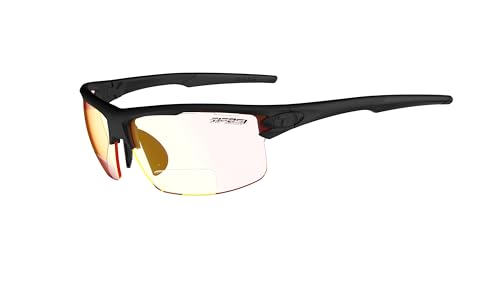
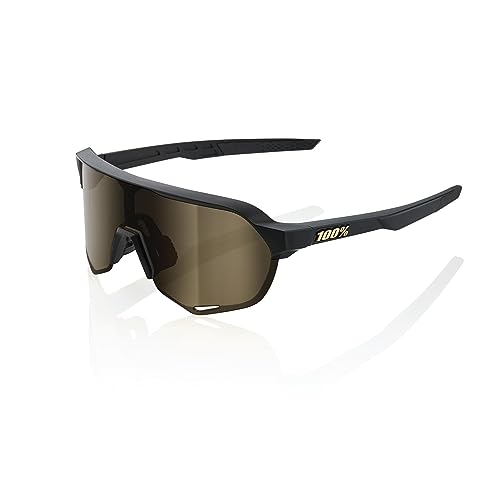
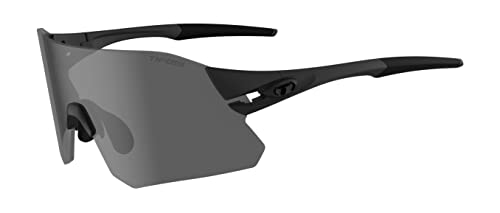
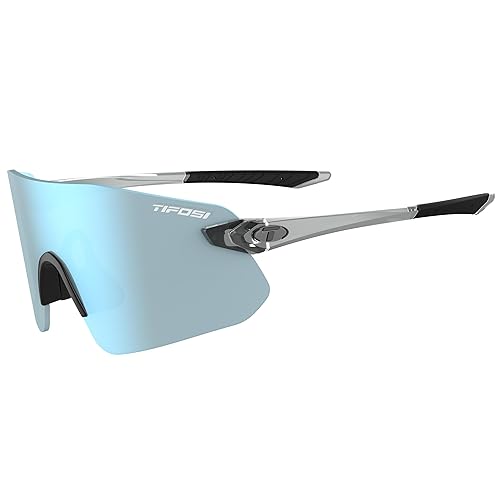
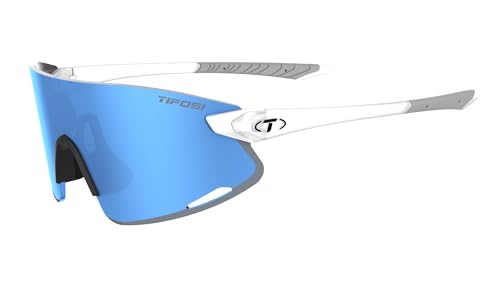
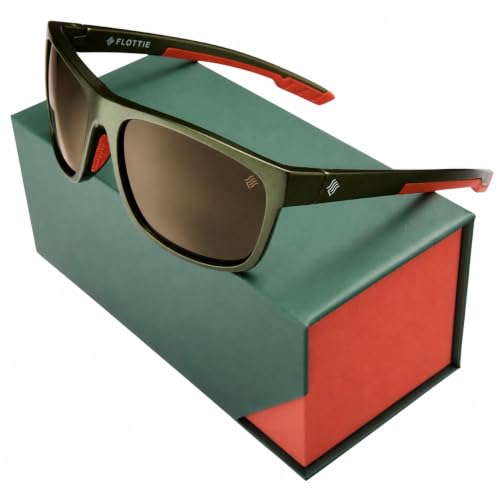
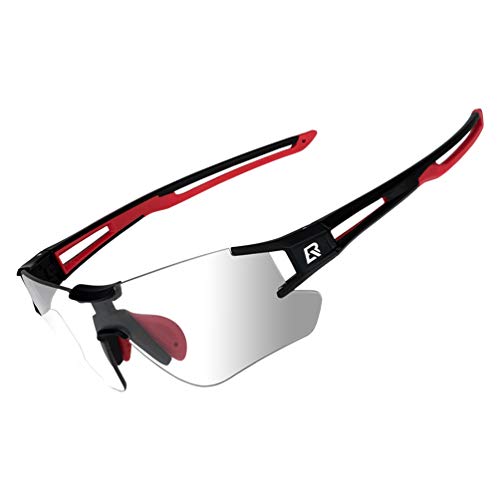
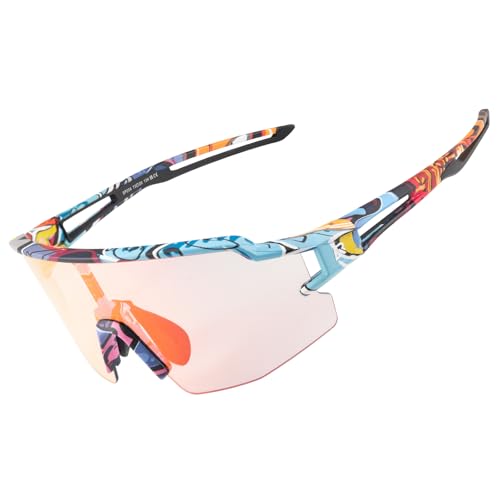
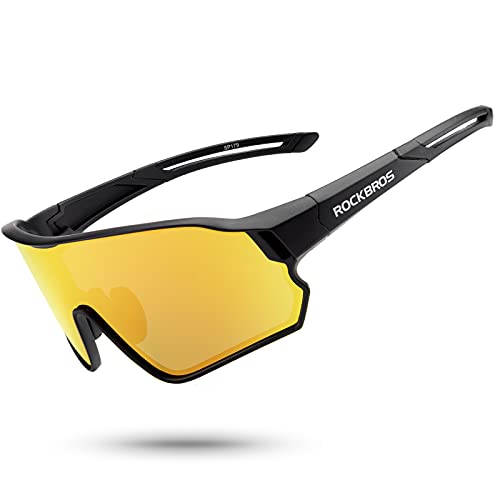
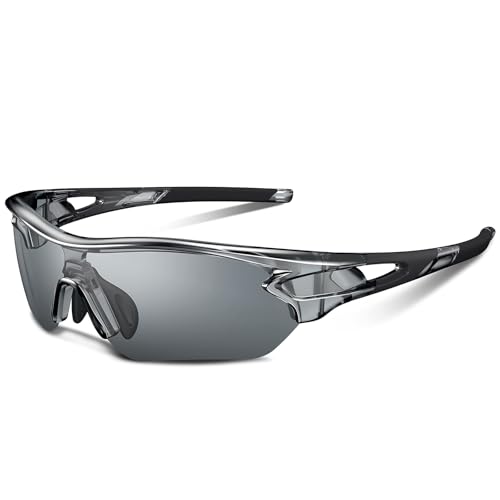
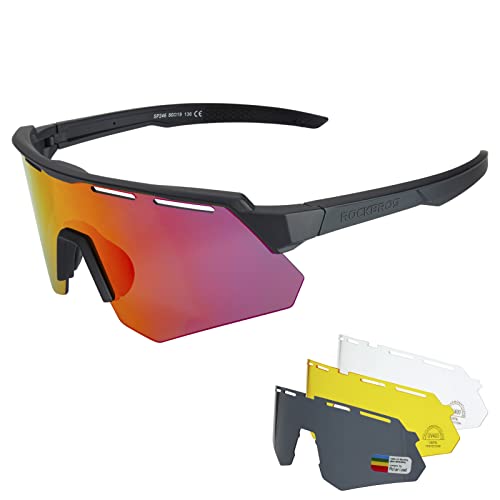
Lens Technology That Actually Changes Your Ride
When you're shopping for cycling sunglasses, lens choice affects your riding more than any other single feature. It determines how well you see in changing light, how much glare you're fighting, and whether you need to swap eyewear mid-ride. Most cyclists land in one of three lens categories.
Polarized Lenses
Polarized lenses filter out horizontal light waves, which cuts glare bouncing off pavement, wet roads, and car windshields. They're a strong pick for riders who spend most of their time in consistently bright, sunny conditions. The one trade-off worth knowing: some riders find polarization makes it slightly harder to read certain LCD displays or spot oil slicks and potholes through reflections, since polarized lenses reduce the very glare that sometimes reveals road hazards.
Photochromic (Light-Adjusting) Lenses
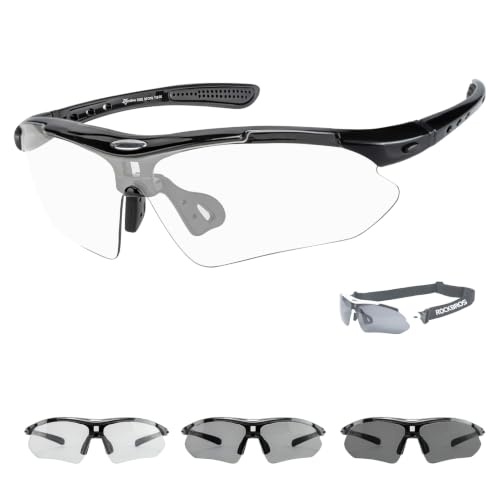
Photochromic lenses darken automatically as UV exposure increases and lighten again in shade or overcast conditions. They're built for rides where light keeps shifting, tree-covered climbs into open descents, or morning rides that turn into midday sun. The catch is transition speed: going from light to dark happens in a few seconds, but the reverse can take several minutes, so you may ride into a tunnel or shaded section still wearing a darker lens than you'd like.
Interchangeable Lens Systems
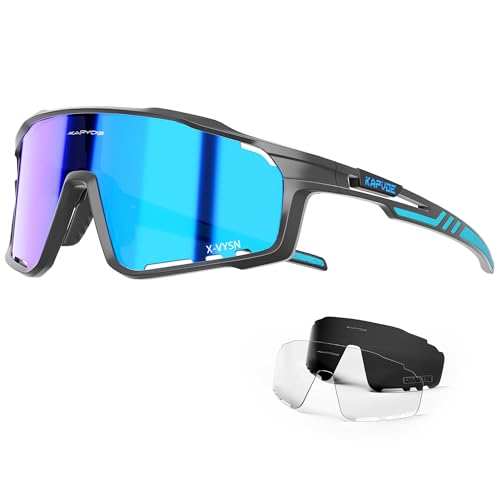
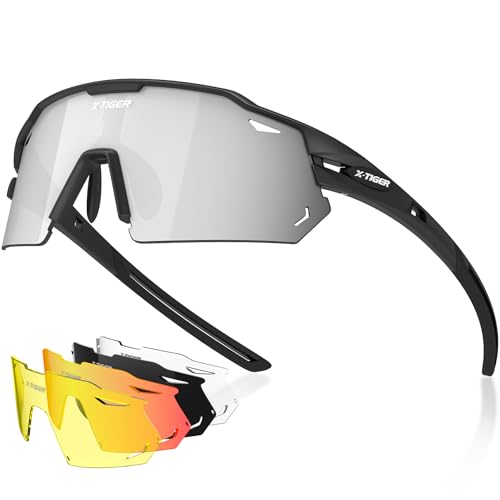
Frames that accept swappable lenses give you flexibility without buying multiple pairs of glasses. A clear or light-tinted lens for early morning or overcast rides, a dark polarized lens for full sun. The downside is convenience: lenses need to be carried, kept scratch-free in a case, and swapped before or during a ride, which isn't practical for everyone.
UV400 Is Non-Negotiable
Regardless of tint or lens category, confirm the lenses carry UV400 protection, meaning they block essentially all UVA and UVB rays up to 400 nanometers. Lens color has no bearing on UV protection. A dark lens without a proper UV rating can actually be worse than no sunglasses at all, since your pupils dilate behind the dark tint while ultraviolet light still reaches your eyes unfiltered.
Getting the Right Fit With Your Helmet
Eyewear that fits great off the bike can turn uncomfortable the moment a helmet goes on, and this is one of the most common frustrations riders run into after buying online without trying gear on first.
Temple Arms and Pressure Points
Helmet straps and pads run directly over the same area where sunglasses temple arms sit, so bulky or thick arms tend to get pinched or pushed out of alignment. Slim, straight temple arms generally cause fewer conflicts than wide, curved designs. If you're also shopping for new headgear, pairing your eyewear choice with a well-fitted option like one from our guide to affordable mountain bike helmets makes it easier to test the combination before committing to either purchase.
Nose Pads and Sweat Grip
Adjustable or grippy nose pads matter more on longer rides, when sweat builds up and cheap frames start sliding down your face. Look for textured rubber contact points at the nose and temple tips rather than smooth plastic, which loses grip fast once you're sweating.
Frame Coverage and Ventilation: The Fogging Trade-off
This is where a lot of buying decisions go wrong, because coverage and airflow work against each other, and the right balance depends on how and where you ride.
Wraparound Coverage for Wind and Debris
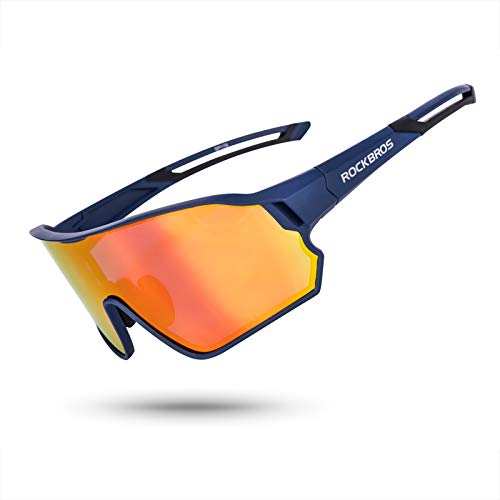
Larger, wraparound-style frames block more wind, dust, bugs, and trail debris from reaching your eyes, which matters most at higher speeds or on exposed roads. Riders who spend serious time on electric road bikes, where sustained speeds run higher than a typical unassisted ride, tend to notice the benefit of full coverage more than casual riders do.
Anti-Fog Design and Airflow
The trade-off with wraparound coverage is reduced airflow, and reduced airflow is exactly what causes fogging. Fogging shows up most at low speeds, climbs, and stoplights, whenever your body is generating heat but there isn't enough wind moving across the lens to clear it. Frames with venting channels or gaps near the brow line perform noticeably better in these situations than fully sealed designs. Off-road riders dealing with dust and loose trail debris often end up prioritizing ventilated coverage over maximum wraparound protection for exactly this reason.
What You're Actually Paying For
Price differences among cycling sunglasses come down almost entirely to lens quality and coatings rather than frame styling. Higher-end lenses tend to offer better optical clarity, less distortion at the edges, and more durable anti-scratch or anti-fog coatings that hold up over years of use. Cheaper lenses can still block UV effectively but often show more distortion, especially toward the outer edges of a wraparound shape, which can cause eye strain on longer rides.
If budget is the main constraint, it's usually smarter to spend on lens quality first and treat frame material or included extras as secondary. This applies whether you're outfitting a full setup on a tighter budget, similar to the trade-offs riders weigh when shopping for one of the best mountain bikes under $1,000, or simply upgrading eyewear on its own. In both cases, the core performance components are worth prioritizing over cosmetic upgrades.
Frequently Asked Questions
What lens color is best for cycling?
Gray lenses offer the most versatility and the truest color perception in bright, sunny conditions. Amber or rose tints enhance contrast and depth perception in overcast or low-light conditions. Most regular cyclists end up owning more than one tint, or choosing an interchangeable or photochromic option instead.
Are polarized sunglasses good for cycling?
Yes, especially for riders who deal with a lot of glare off pavement or water. The main consideration is that polarization can occasionally make it harder to spot glare-revealed hazards like oil patches, so some riders prefer polarized lenses for road riding and a non-polarized option for trail riding.
Are photochromic lenses worth it for cycling?
They're worth it if your rides regularly move between shade and full sun, since you avoid stopping to swap lenses. The trade-off is a slower transition from dark back to light, which some riders notice when moving from bright sun into shaded sections quickly.
Can you wear cycling sunglasses over prescription glasses?
Some frames are designed specifically to fit over prescription glasses, though fogging tends to be more common with this setup because two lens layers trap heat and moisture. Look for frames with vented lenses and a snug fit to reduce the effect, or consider prescription cycling lenses if you ride often.
Do cycling sunglasses fit under a bike helmet?
Most modern frames are designed to work with helmets, but fit still varies by temple arm thickness and helmet strap design. It's worth trying your eyewear on with your actual helmet before a long ride, since even well-reviewed frames can pinch with certain helmet models.
How much should you spend on cycling sunglasses?
There's no single right number, but mid-range price points typically buy noticeably better lens clarity and coatings than the cheapest options, while spending beyond that tends to pay for frame materials and styling rather than optical performance.
Making Your Decision
There's no single pair of cycling sunglasses that works best for every rider or every ride. Start with the lens type that matches your typical light conditions, confirm UV400 protection, then check fit against your helmet before worrying about frame coverage or ventilation. Getting those fundamentals right will do more for your comfort and vision on the bike than any other feature you could shop for.