Best Cordless Leaf Blower (2026 Buying Guide)
Disclosure: We may earn a commission when you buy through links on this page, at no extra cost to you. As an Amazon Associate we earn from qualifying purchases. Learn more
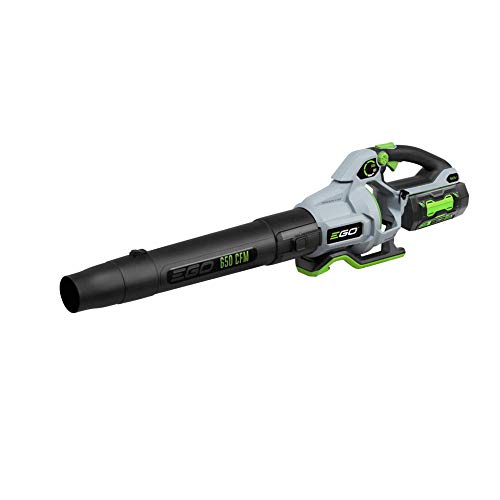
Picking a cordless leaf blower means weighing raw power against battery life, noise, and how the tool feels in your hand after twenty minutes of use. The best cordless leaf blower for a small city lot with a couple of maple trees looks nothing like the right pick for two acres of pine needles and wet leaves every fall. Air volume, air speed, battery voltage, and amp hours all interact to determine how a blower actually performs once you step outside, and spec sheets alone rarely tell the full story. This guide breaks down what those numbers really mean, how handheld and backpack designs differ, why your existing battery platform matters, and how local noise rules might narrow your options. By the end you should know which combination of features fits your yard, your neighbors, and how much muscle you actually want to carry around.
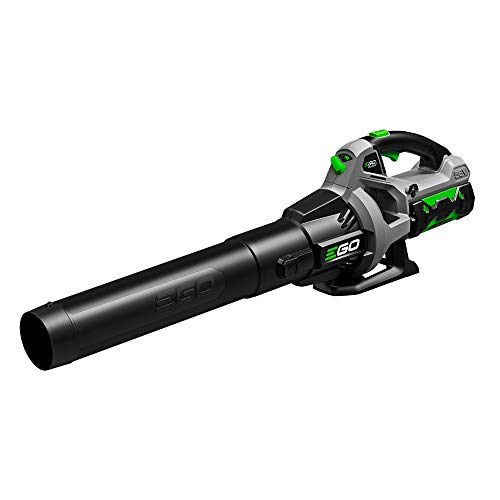
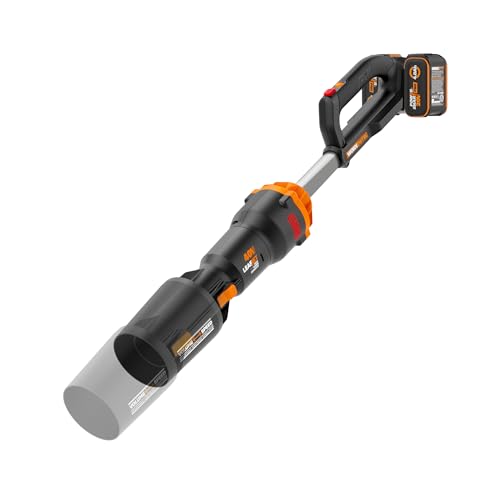
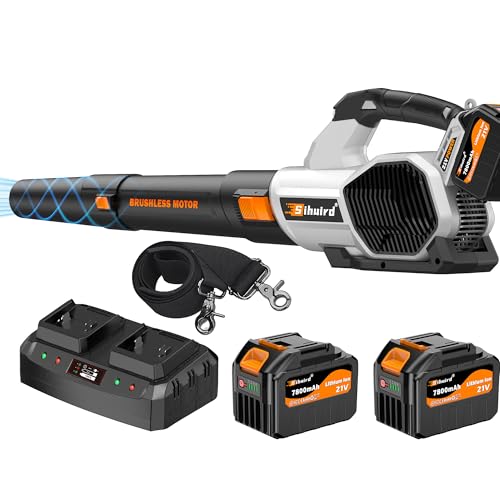
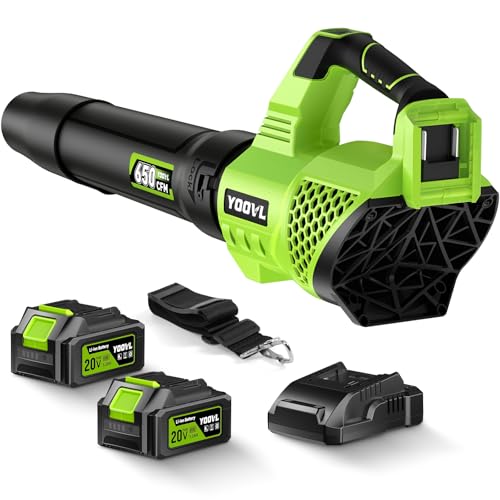
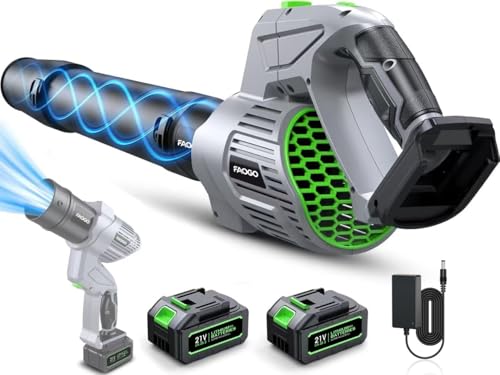

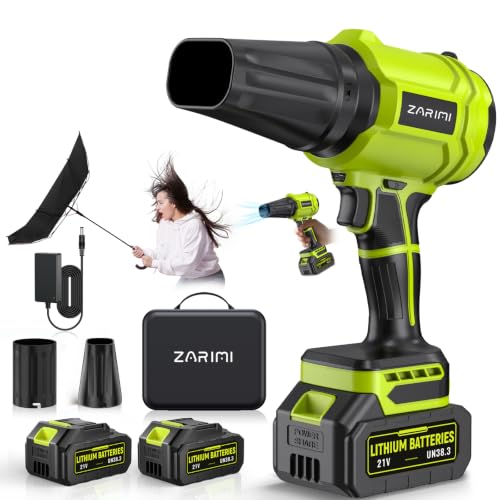
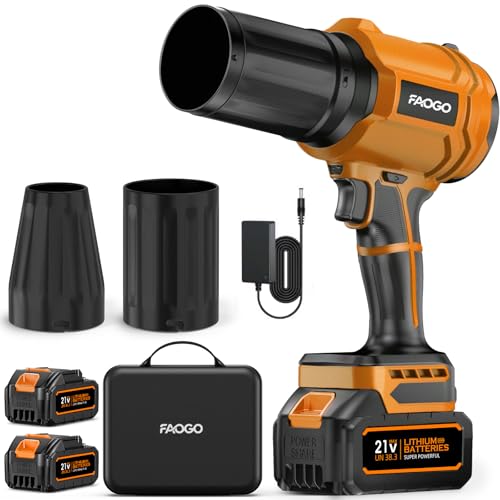
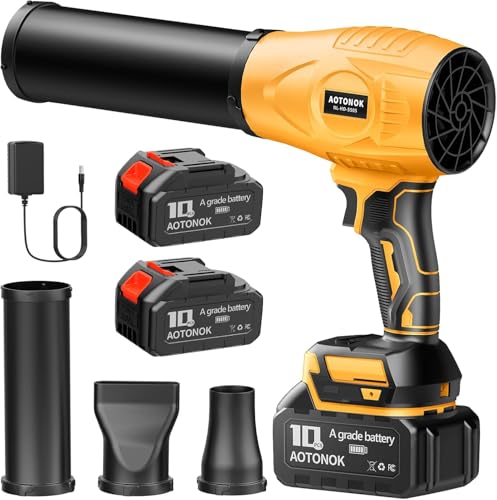
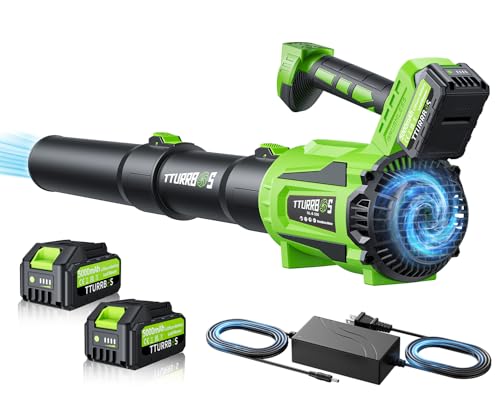
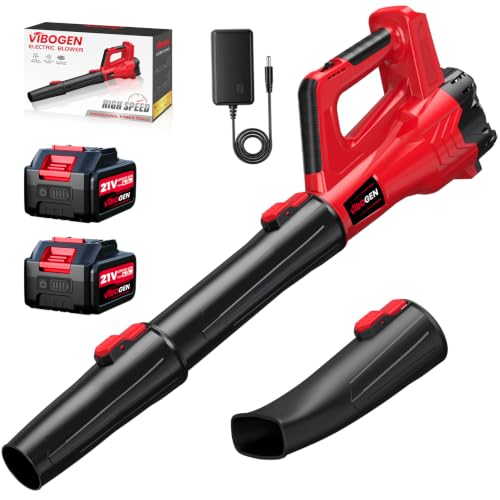
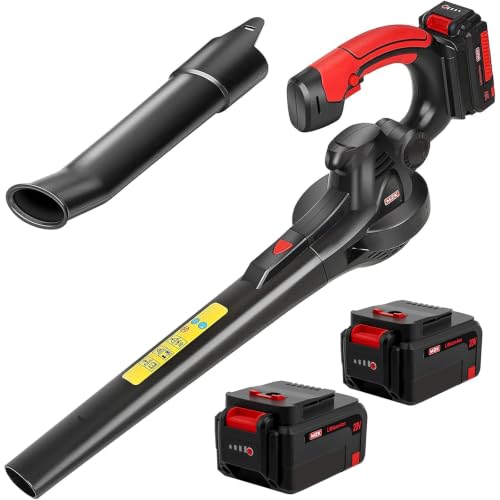
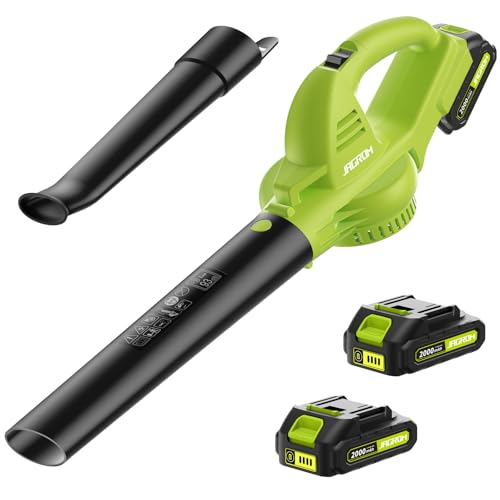
Airflow, Air Speed, and Battery Power: What the Spec Sheet Really Tells You
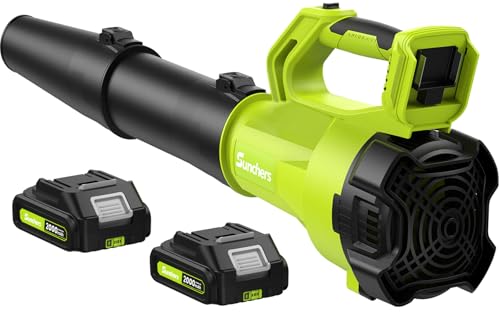
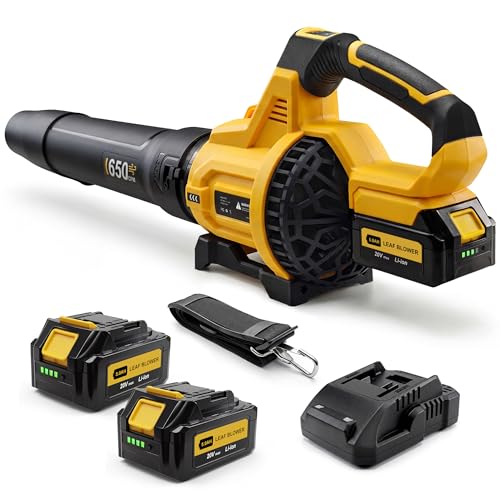
Two numbers dominate every cordless blower listing: CFM, or cubic feet per minute, and MPH, or miles per hour. CFM measures how much air the motor moves, which is what pushes a large pile of dry leaves across a lawn. MPH measures how fast that air travels, which matters most when you're dislodging wet, matted leaves from a garden bed or blasting grass clippings off a driveway. A blower with strong MPH but low CFM will feel powerful up close but struggle to clear a big area quickly.
Reading the Voltage and Amp-Hour Numbers
Battery voltage is a rough proxy for motor power, and amp hours (Ah) determine runtime. As a general rule, entry-level 18 to 20 volt systems handle light patio and driveway cleanup, while 40 volt and higher platforms are better suited to full-yard work or wet, heavy debris. A battery with double the Ah rating will run roughly twice as long at the same power setting, which matters more than people expect once you're covering a large property. Treat manufacturer specs as a starting point rather than a guarantee, since real-world airflow often runs lower than the number printed on the box.
Handheld or Backpack: Sizing the Blower to Your Yard
Handheld cordless blowers are light, easy to store, and ideal for quick cleanups on a typical suburban lot. You can grab one, clear the front walk or a scattering of leaves on the patio, and be done in a few minutes without much arm fatigue. Backpack models shift the battery weight onto your shoulders and lower back instead of your wrist, which makes a real difference once a job stretches past fifteen or twenty minutes.
If your property has mature trees, a long driveway, or several zones to clear each week, a backpack unit is usually worth the extra bulk. Shoppers who want to skip raking entirely sometimes look at a blower that also pulls double duty as a vacuum and mulcher; if that flexibility appeals to you, it's worth comparing a dedicated blower-vacuum combo against a standalone blower before you decide.
Staying Inside One Battery Ecosystem
Battery packs are almost never interchangeable between brands, so choosing a cordless leaf blower often means committing to that brand's entire outdoor power lineup. If you already own a string trimmer, hedge trimmer, or cordless mower on a particular voltage platform, buying a blower that shares the same battery saves you money and clutter in the garage. You can swap a charged pack between tools instead of buying and maintaining a separate battery for each one.
For many households, the best cordless leaf blower is simply the one built on a battery platform they already own, since it avoids adding yet another proprietary charger to the garage shelf. Charge time is worth checking too, since a standard charger might take several hours while a rapid charger can top off a pack in well under an hour. If you plan longer sessions or a bigger property, a second battery lets you keep working while the first one charges, which is often cheaper than jumping to a pricier high-capacity pack. Anyone working with a tighter budget can still find capable options; a good starting point is a guide to blowers priced under $150 that still deliver decent runtime.
Noise Limits and Neighborhood Rules Worth Checking
Cordless electric blowers run noticeably quieter than gas models, typically in the 60 to 75 decibel range compared to gas units that can exceed 90 decibels at full throttle. That difference matters more than it might seem, because a growing number of cities and neighborhoods now restrict when and how loud leaf blowers can be. Some municipalities cap allowable use to daytime hours only, others set strict decibel limits, and a handful have banned gas-powered blowers outright while still permitting quieter electric ones.
Homeowners' associations sometimes add their own rules on top of city ordinances, so it's worth a quick check before you buy if noise complaints have ever come up in your area. Choosing a cordless model with a published decibel rating gives you an easy way to confirm it fits local requirements, and it also means less disruption for anyone working from home nearby.
Comfort Over a Full Cleanup Session
Weight and balance affect how a blower feels far more than raw power does once you're twenty minutes into a job. A handheld unit that feels fine for a two-minute driveway sweep can start to strain your wrist and forearm during a full yard cleanup, especially with an underarm carry style. Look for models with an adjustable shoulder strap, a comfortable grip angle, and weight that sits close to your body rather than out at the end of a long tube.
Vibration matters too, since cheaper motors and unbalanced fans can transmit a steady buzz into your hand over time. Variable speed triggers let you dial back power for light touch-up work, which both saves battery and reduces fatigue compared to running everything at full throttle. If you rake regularly or maintain a larger property, spend a few extra minutes trying a model in person before committing, since comfort is hard to judge from a spec sheet alone.
Frequently Asked Questions
How much CFM do I actually need for a typical yard?
For most residential lots, 400 to 600 CFM handles dry leaves, grass clippings, and light debris comfortably. Larger properties with heavy leaf litter or wet conditions benefit from models rated closer to 600 CFM or higher.
Is a higher battery voltage always better?
Not necessarily. Higher voltage generally means more power and runtime, but it also adds weight and cost. Match the platform to your yard size rather than chasing the highest number available.
How long does a cordless leaf blower run on one charge?
Runtime varies widely by battery capacity and power setting, often ranging from 15 minutes at full throttle to over an hour on a low or eco setting. A second battery extends your working time significantly.
Can cordless blowers handle wet or matted leaves?
Higher-MPH models can dislodge damp, compacted leaves reasonably well, though no cordless blower matches a gas unit's raw force in soggy conditions. Expect to make a couple of passes rather than one clean sweep.
Are cordless blowers quiet enough for early morning or evening use?
They're significantly quieter than gas models, but many cities still enforce specific hours or decibel limits regardless of power source. Check local ordinances before running any blower outside typical daytime hours.
Can I use batteries from my trimmer or mower in my leaf blower?
Only if they share the same voltage platform and brand ecosystem. Cross-brand batteries are not compatible, which is why many shoppers standardize on one brand's tool lineup.
How long does it take to fully recharge a leaf blower battery?
Standard chargers typically take two to four hours, while fast chargers can restore a pack in under an hour. Charging speed is worth checking separately from the battery's capacity rating.
Making the Call for Your Own Yard
There's no single spec that decides the right blower for everyone; it comes down to matching CFM, voltage, and weight to how you actually use your yard. The best cordless leaf blower is simply the one that clears your specific debris without straining your arm or annoying your neighbors. Take the time to weigh runtime against noise limits and comfort, and the right fit becomes a lot easier to spot.