
Best Cordless Leaf Blower Under $150: Buying Guide
Disclosure: We may earn a commission when you buy through links on this page, at no extra cost to you. As an Amazon Associate we earn from qualifying purchases. Learn more
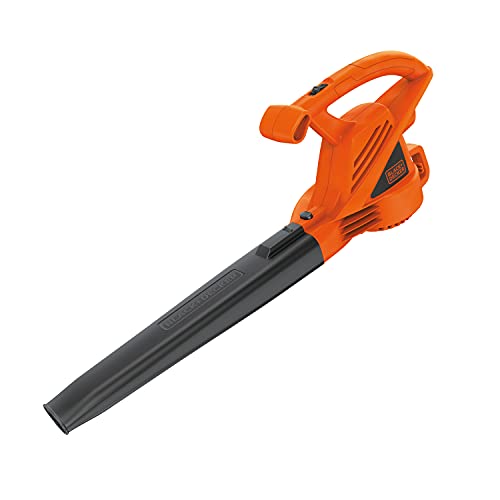
If you're shopping for the best cordless leaf blower under $150, you're working in a specific price band: enough to get a real battery-powered tool, not enough to buy the flagship features that push a blower past that mark. At this price you're usually choosing between a bare tool that clips onto a battery platform you already own, or a starter kit bundled with a charger and one pack. Either path means trading some runtime and raw airflow for a lower price tag, and that trade-off works fine for most home yards. It only becomes a problem when you buy expecting commercial-grade power and end up disappointed that a budget blower behaves like one. Knowing what this price range realistically delivers, and where the corners get cut, helps you land on a model that actually fits your yard.
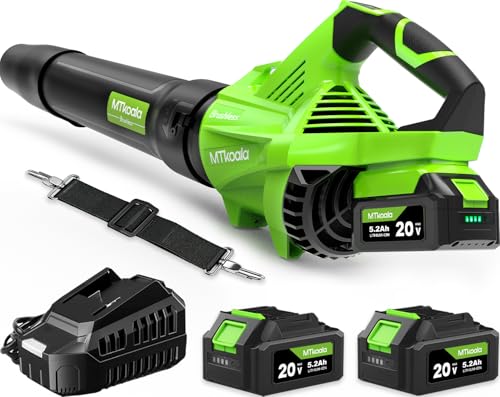
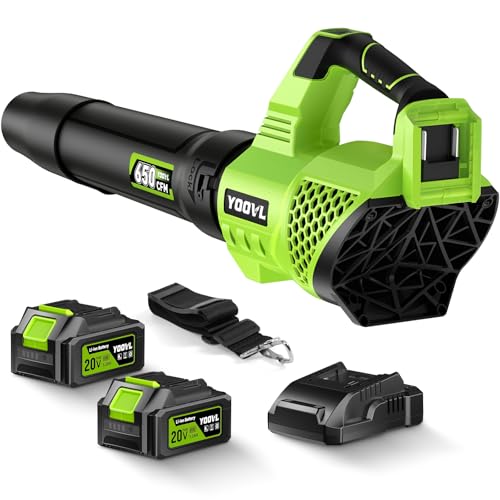

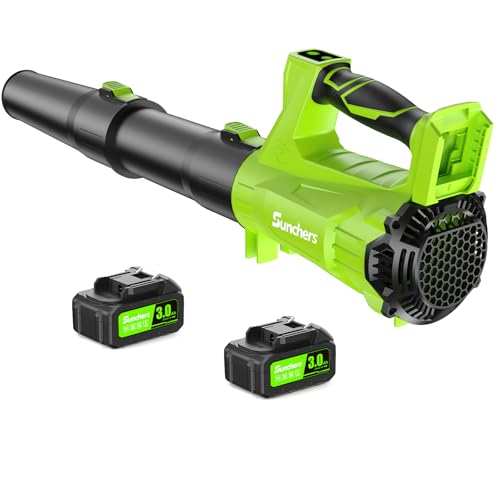
What a Sub-$150 Budget Actually Buys
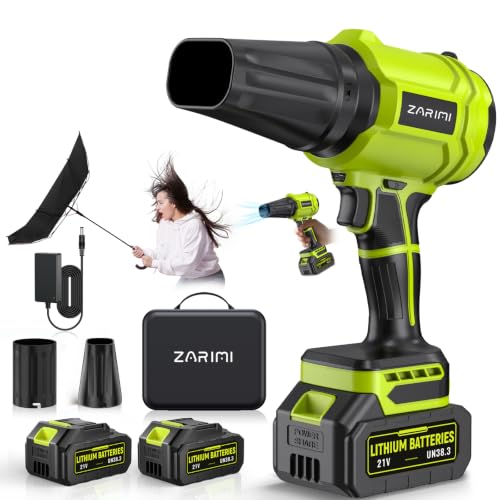
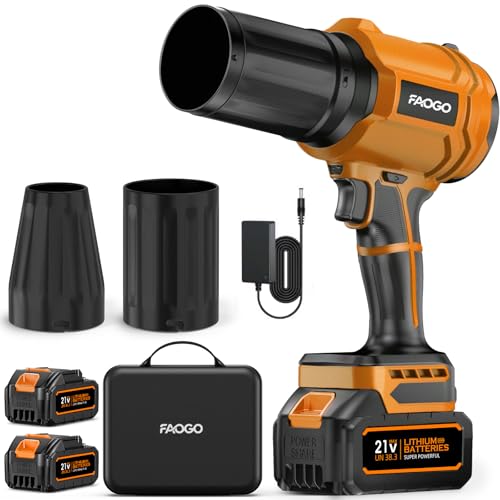
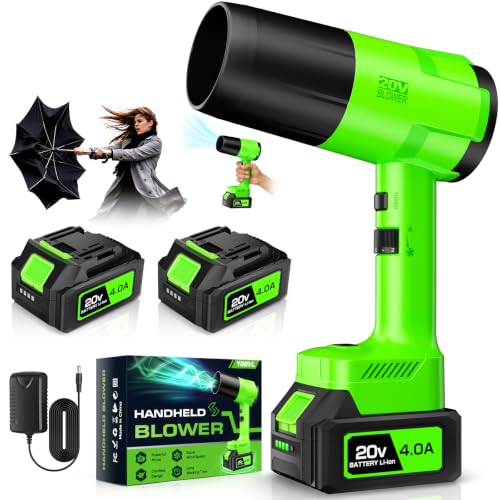
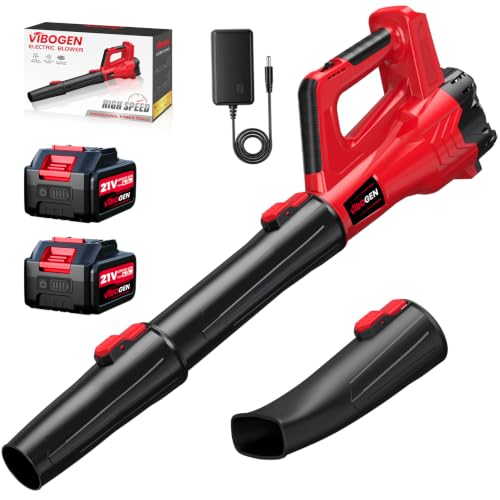
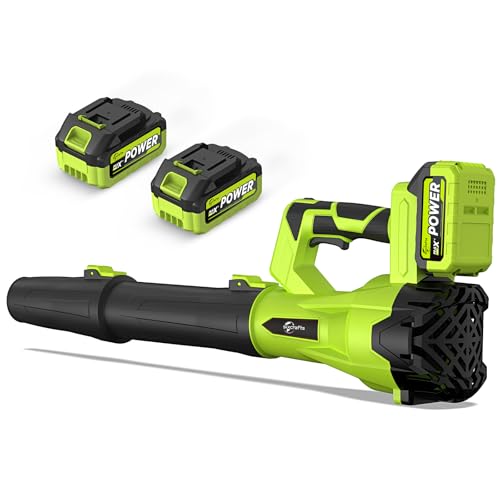
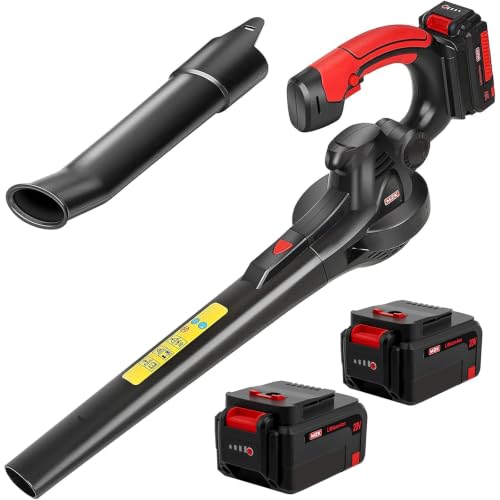
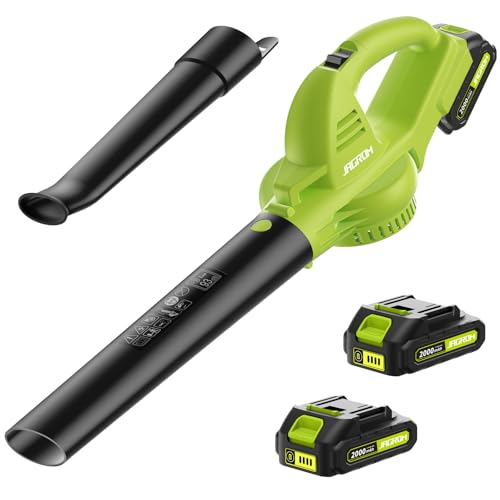
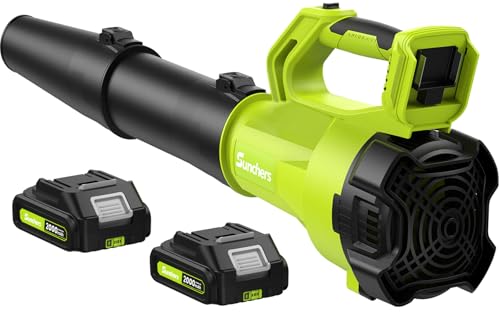
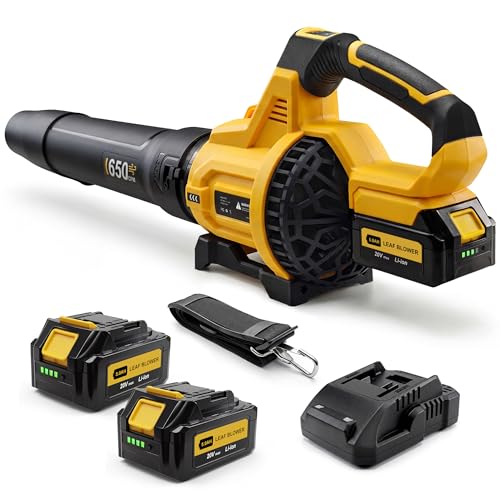
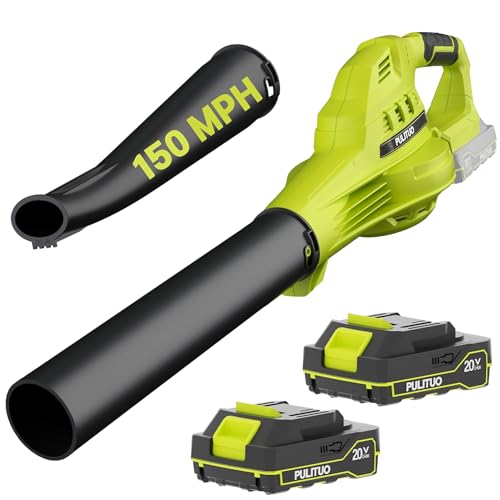
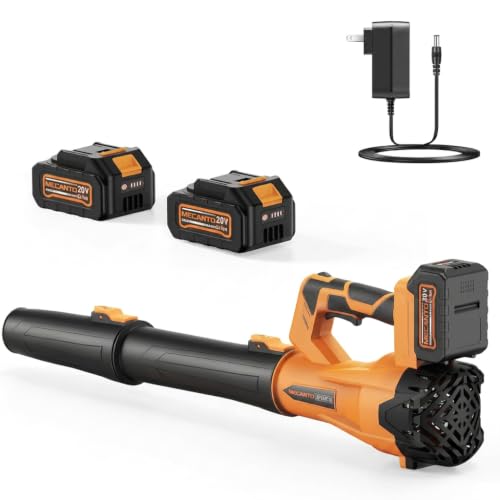
Most models that qualify as the best cordless leaf blower under $150 land in a fairly narrow spec range. Expect airflow in the 350 to 500 CFM range and battery voltage somewhere between 20V and 40V, depending on the brand's platform. That's plenty for pushing grass clippings off a driveway or clearing a patio, but it's noticeably less than the 500 to 700+ CFM you'll see on blowers priced closer to $200 and up.
Bare Tool vs. Starter Kit
Pay close attention to whether the listed price includes a battery and charger. A bare tool priced under $150 often assumes you already own a pack from the same brand's other cordless tools. A full kit at the same price point usually pairs a smaller, slower-charging battery to hit that number. Neither is wrong, but they solve different problems, so check the fine print before assuming you're getting a complete, ready-to-use setup.
The Trade-Offs Versus Pricier Cordless Blowers
Spending less means giving something up, and with leaf blowers that usually shows up in three places. Runtime is the first: budget packs tend to run 10 to 20 minutes on a charge at higher speeds, compared to 30 minutes or more from larger batteries on pricier models. Airflow is the second, since lower voltage and smaller motors simply move less air per minute, which matters when you're dealing with wet or matted leaves.
Speed control is the third trade-off. Many budget blowers offer a single fixed speed or two basic settings, where higher-priced models add variable-speed triggers and cruise control for finer handling. That's a real convenience loss, not just a spec sheet number. If you frequently switch between light dust and heavier debris in the same session, a single-speed tool forces you to overpower the easy jobs to handle the hard ones.
Stretching Your Budget by Buying Into a Battery Platform
The single best way to get more performance for your money is skipping the battery cost entirely. If you already own a drill, trimmer, or other cordless tool on a particular battery platform, a bare-tool leaf blower on that same platform lets your existing pack do the work. That alone can free up $30 to $50 of your budget to put toward a higher-CFM model instead of a starter kit with a weak included battery.
This only pays off if you're staying within one brand's ecosystem, since batteries rarely cross between platforms. Before you buy, confirm the voltage and connector match what you already own, not just the brand name on the box. Two tools from the same company can still run on incompatible battery lines.
Matching the Blower to the Job It Will Actually Do
Budget cordless blowers do their best work on light, dry, everyday debris. Think grass clippings on a walkway, dust and small leaves on a patio, or a quick clear-off before guests arrive. That covers the bulk of what most small and mid-size yards actually need on a weekly basis.
Where a sub-$150 blower struggles is heavier, wetter material spread over a large property, like soaked leaf piles after a storm or dense yard waste across half an acre. In those conditions, lower airflow means more passes and slower progress, and a smaller battery may not finish the job on one charge. If that describes your yard more often than not, it's worth comparing a step-up model in the next price tier before committing to the cheapest option.
Where the Savings Actually Come From
Manufacturers don't cut the price by magic, they cut it by trimming specific things. Build materials are usually lighter-duty plastic housings rather than reinforced composites, which is fine for occasional use but worth knowing if you're rough on tools. Tube attachments are another common cutback: some budget blowers include only a single nozzle, while others bundle a concentrator tip or extension tube that pricier kits include standard.
Warranty length and included accessories tend to shrink too. A two-year warranty is common at this price point versus three-plus years on premium models, and extras like a shoulder strap or vacuum attachment are often sold separately rather than bundled in. None of this makes a budget blower a bad buy, it just means you should check the included accessory list closely rather than assuming a match with pricier competitors. For a broader comparison across price tiers, the general cordless leaf blower buying guide breaks down how features scale as price climbs.
Frequently Asked Questions
Is a cordless leaf blower under $150 powerful enough for a typical yard?
Yes, for most quarter-acre to half-acre yards with light to moderate debris. It handles routine cleanup well, though heavy wet leaves or larger lots will test its limits.
How long does the battery last on a budget cordless blower?
Most budget packs run 10 to 20 minutes at higher speeds, sometimes longer at low speed. Keeping a spare battery charged extends your working session without a real cost increase.
Should I buy a bare tool or a full kit at this price?
Buy the bare tool if you already own a compatible battery from another cordless tool. Otherwise a kit is simpler, though the included battery is often smaller than what's sold separately.
What CFM should I look for under $150?
Aim for at least 350 CFM for basic cleanup, with 400 to 500 CFM being a solid target if it's available in your budget. Higher CFM clears wet or heavier debris faster.
Do cheaper cordless blowers wear out faster?
Not necessarily in terms of the motor, but lighter housing plastics can crack sooner under drops or heavy daily use. Occasional weekend use rarely stresses a budget blower enough to matter.
Can I add a vacuum or mulching attachment later?
Only if the model is designed for it. Many budget blow-only models don't support add-on kits, so check compatibility before buying if vacuum function matters to you.
Is single-speed or variable-speed better for a budget buy?
Variable speed gives more control and is worth prioritizing if two similarly priced options are otherwise close. Single-speed tools still work fine for consistent, light debris jobs.
Setting Realistic Expectations Before You Buy
The best cordless leaf blower under $150 is a genuinely useful tool once you match it to the right job. It won't out-muscle a premium model on a large, leaf-heavy property, but it handles routine yard upkeep without asking you to spend more than you need to. Keep your expectations tied to your actual yard size and debris type, and the budget tier stops feeling like a compromise.