Best Computer Speakers for Voice Clarity in 2026: Which Type Is Right for You?
Disclosure: We may earn a commission when you buy through links on this page, at no extra cost to you. As an Amazon Associate I earn from qualifying purchases. Learn more
Learn how to choose the best computer speakers for voice clarity with guidance on tuning, placement and connections for calls, lessons and dialogue.
Mumbled calls, hard to follow lessons and dialogue buried under music share one cause, which is speakers that blur the voice range. Shoppers face wired sets, gaming sets, rugged sets and noise focused sets, each claiming clear sound in different words. Choosing best computer speakers for voice clarity gear gets easier once you compare types by how they treat speech, not by how loud they play.
This guide compares the main types, then walks through placement, tuning and durability so you can match a set to your desk and your listening. Check the comparison table below first, then read the type that sounds closest to your daily use.
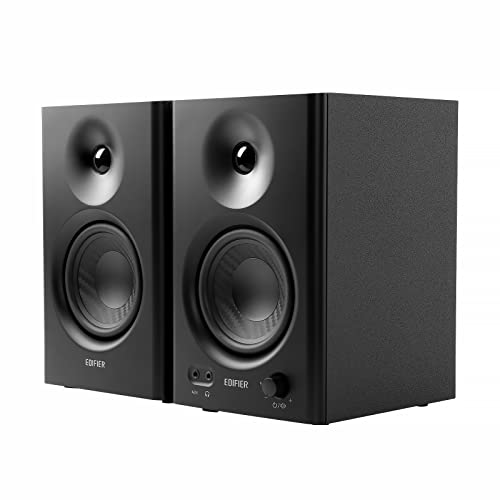
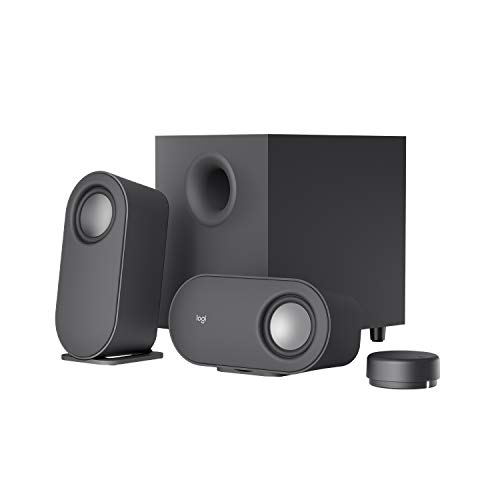
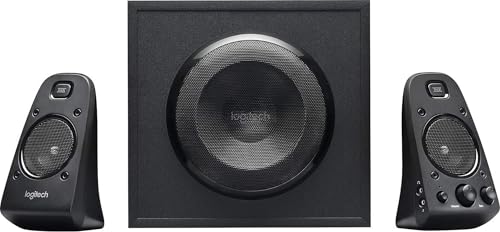
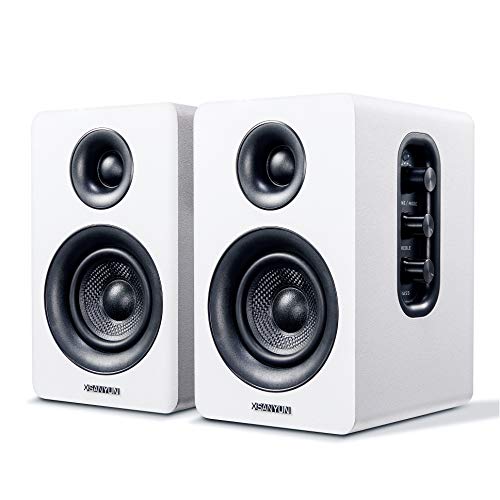
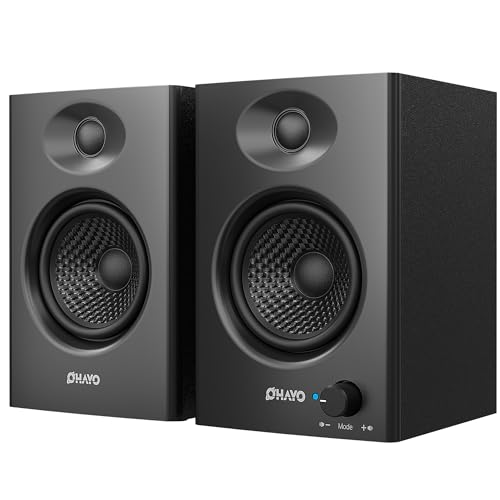
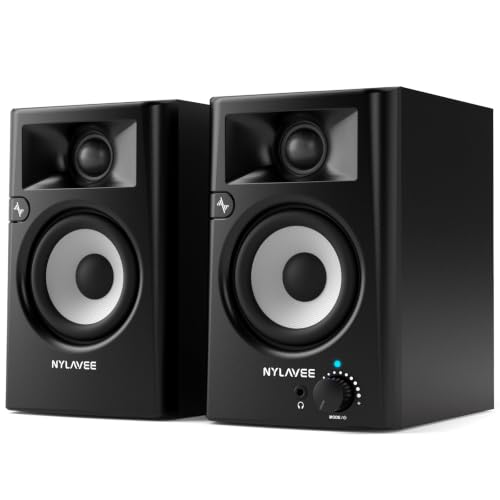
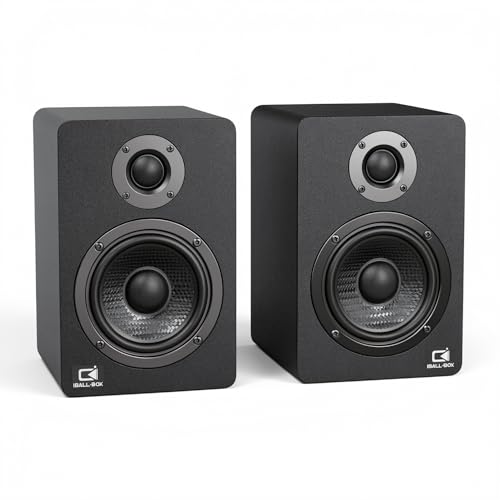
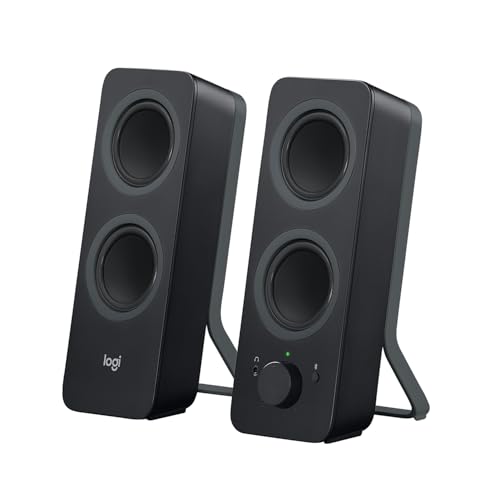
Types of Computer Speakers Compared
Each type below solves a different problem. A set built for travel durability will rarely beat a simple wired desk set on speech detail, and a gaming set tuned for impact may need adjustment before voices sound natural. Use the notes to rule types in or out quickly.
Wired Models
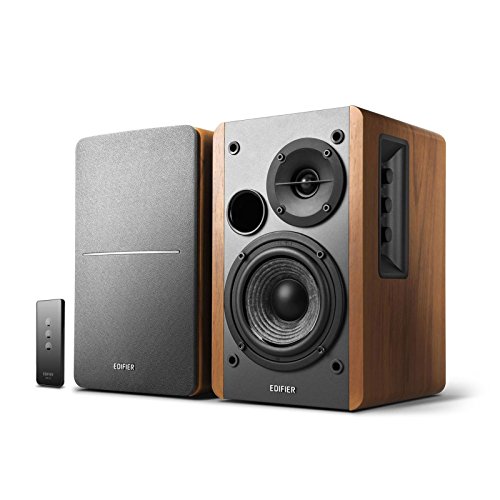
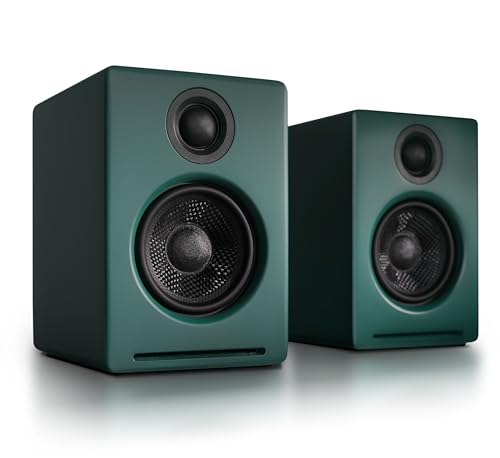
Wired models connect by USB or a standard audio cable and draw power from the wall or the computer. They offer the most stable sound for speech, with no wireless delay and no battery to manage. Voices stay consistent from morning calls to evening lectures, which suits work and study desks. The limits are cable clutter and fixed placement. If your desk rarely changes, wired models give the clearest voice per dollar and the fewest surprises.
Gaming Models
Gaming models add surround effects, lighting and strong bass that make play more dramatic. Those same effects can push voices backward in the mix, so look for a dialogue, voice or flat mode you can switch on for calls and video. Larger drivers and a separate subwoofer help with film impact, yet they take desk space. Choose this type if you game often and will take a minute to tame the tuning before speech heavy use. Players who split time between play and calls can also see our guide to the best sounding computer speakers for a quality first comparison.
Outdoor and Rugged Models
Rugged models seal the cabinet against dust and water and add tough shells for patios, workshops and travel. That protection is valuable outside, but sealed portable designs often use a single driver or rear facing ports that soften speech detail indoors. Voices can sound distant compared with a proper stereo pair at a desk. Choose rugged models when the listening spot is truly rough or wet, and accept a clarity trade for durability you actually need.
Noise Cancelling Models
Speakers cannot cancel room noise for everyone in the room the way headphones can for one listener. Models sold with this label usually rely on processing that reduces steady background sound in playback or on a bundled call microphone. Such processing can help in a noisy home, but it can also clip soft consonants if it works too hard. Treat the feature as support, and judge the set first on plain stereo speech with processing turned off.
Wired Models vs Gaming Models: Which Should You Choose?
Pick wired models if speech is your main job for the speakers. They win on stability, simple setup and consistent voice tone across long days of calls and classes. Pick gaming models if immersive play matters as much as speech and you are willing to switch modes and lower bass for talk. On clarity per dollar, wired leads. On fun and flexibility for mixed use, gaming leads, provided the set offers a flat or voice preset. For a wider view of speech focused options beyond the desk, see our guide to the best speakers for voice clarity.
How to Choose the Right Computer Speaker
Placement and Room Size (for Speakers)
Placement decides clarity as much as the speakers themselves. Set the pair at ear height, form a triangle with your seat and keep both speakers the same distance from you so voices stay centered. Small rooms suit compact sets at low to moderate volume, while larger rooms need bigger cabinets or a subwoofer for fullness. Avoid deep shelves and corners, which boost bass and mask speech. If you also need dialogue help in the living room, our guide to the best tv speakers for voice clarity covers the television side of the same problem.
Sound Quality and Tuning
Voices live mainly in the midrange, roughly between 300 Hz and 3400 Hz, so tuning there matters most. Favor sets described as neutral or voice forward over sets that promise heavy bass, because excess low end bleeds upward and dulls consonants. A modest treble lift can add crispness, but harsh treble tires the ears during long calls. If tone controls exist, start flat, raise midrange or lower bass first, and change one control at a time while listening to a familiar voice recording.
Features That Matter for Voice Clarity
Speech needs specific support that music marketing rarely highlights. Look for a dialogue or voice enhancement mode, a center focused stereo image from a true pair rather than a single box, and volume that stays clear at low levels for evening listening. Frequency response that stays smooth through the voice band matters more than extreme bass reach. A front headphone jack also helps, because a quick headphone check tells you whether muddiness comes from the speakers or from the source itself. For related speech uses, see our guide to the best speakers for voice.
Durability and Water Resistance (IP Rating)
IP ratings describe protection against dust and water, with IPX4 resisting splashes and IP67 resisting dust and brief immersion. A desk set in a calm office needs no rating at all, and paying for one adds cost without clarity. Choose a rating only if the speakers will live near a kitchen sink, in a workshop or outdoors. Remember that strong sealing can limit port design and driver size, so durability and fine speech detail often pull in opposite directions.
Care and Maintenance Tips
Keep firmware updated on USB and Bluetooth models so volume behavior and pairing stay reliable. Store portable sets in a case to protect drivers from knocks and dust. Wipe cabinets with a dry soft cloth and keep liquids away from ports and grilles, even on splash resistant models. Once a month, play a familiar spoken passage at your normal volume and listen for new buzz or imbalance, because early notice makes warranty help far simpler.
Recheck placement whenever your desk layout changes, because small shifts undo careful setup faster than any electronic fault. A monitor moved forward, a speaker nudged by cleaning or a new shelf above the desk can all tilt the stereo image and soften voices. After any change, sit in your normal spot, play a centered voice recording and confirm the voice sits midway between the speakers. If it leans to one side, adjust distance and angle before you touch tone controls, since position fixes usually restore clarity for free.
Best Computer Speakers for Voice Clarity: Your Questions Answered
What features matter most in computer speakers for voice clarity?
Smooth midrange tuning, a true stereo pair and a voice or dialogue mode matter most. They keep speech centered, consonants distinct and volume even between soft and loud talkers. Placement at ear height adds as much clarity as many paid features. Extra bass power and lighting add nothing for speech, so let those rank last when you compare sets for calls, lessons or dialogue heavy viewing.
Do I need a special codec?
No, you do not need a special codec for clear speech. Voice intelligibility depends far more on tuning and placement than on the Bluetooth codec in use. AAC or aptX can help music detail on wireless sets, but even the basic codec carries speech well when the signal is stable. If clarity is critical, a wired link removes the question entirely and also removes delay during video calls.
How long does the battery last?
Battery life applies only to portable wireless models, where roughly 8 to 20 hours is common depending on volume and size. Speech at moderate volume sits at the gentler end of that range. Desk sets that plug into power have no time limit, which suits long workdays. If you rely on a battery model for calls, confirm it can play while charging so a low battery never ends a meeting.
What IP rating do I need for outdoor use?
Choose at least IPX4 if the speakers will face splashes on a patio or near a pool edge, and IP67 if dust and rain are routine. Covered outdoor spots with no direct water may need no rating, but windblown dust still argues for a sealed design. Keep in mind that outdoor listening also needs more volume to overcome open air, so pair the rating with enough power for the space.
Is ANC worth the extra cost?
For speakers, noise cancelling claims rarely justify a large price jump for voice work. The money usually helps more when spent on better drivers and cleaner tuning. Processing can reduce steady hum, yet it may also soften the start of words. If your room is noisy, first try placement, a closed door and lower playback volume. Add processing only after those free steps, and compare speech with it on and off.
Our Verdict
For most desks, a wired stereo pair with neutral tuning and ear height placement will make voices clearest for the money. Reach for gaming or rugged types only when their special strengths match your real routine. The best computer speakers for voice clarity set for you is the one that makes every caller and narrator easy to follow at normal volume. Compare your finalists in the product table above and favor the clearest midrange.