
Best Computer Chairs for Tall People at Every Price: What Your Money Really Gets You for 2026
Disclosure: We may earn a commission when you buy through links on this page, at no extra cost to you. As an Amazon Associate I earn from qualifying purchases. Learn more

Pick the best computer chairs for tall people by budget, with guidance on seat height, depth, weight capacity, and the upgrades worth paying for.
Computer chairs for tall readers span a wide price range, from simple task chairs at around $100 to premium ergonomic models at around $800 or more. Spending more does not automatically buy a better fit, because a tall frame needs specific dimensions that price alone cannot guarantee. The best computer chairs for tall people share a tall backrest, a deep seat, and a strong frame, and those traits appear at several price points if you know where to look.
This guide walks through what each budget tier realistically delivers, which upgrades genuinely help a longer body, and which extras you can skip without regret. Use the product table below to check seat height, seat depth, and weight capacity side by side before you settle on a budget.


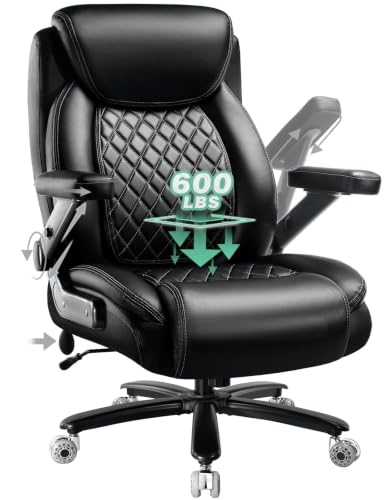

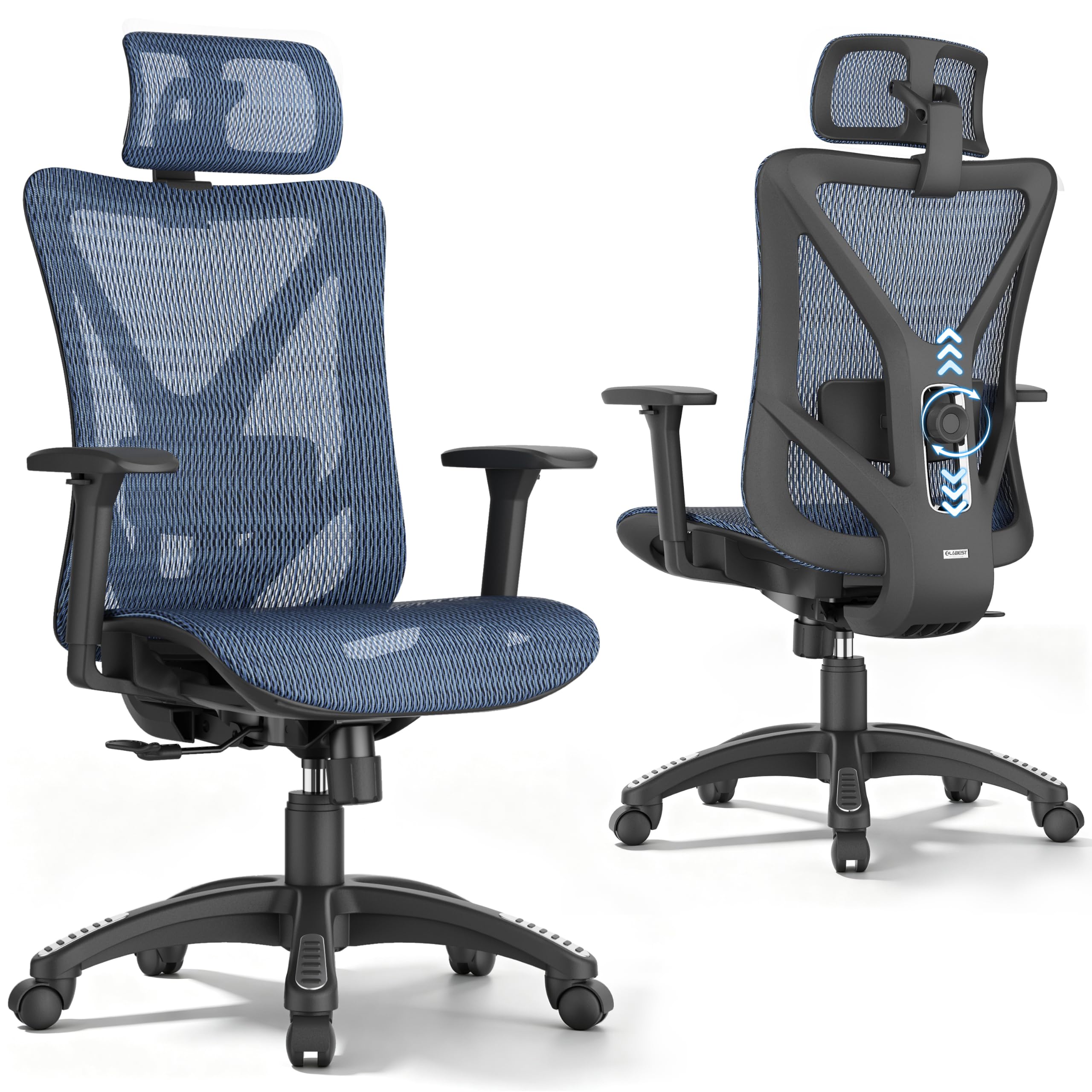
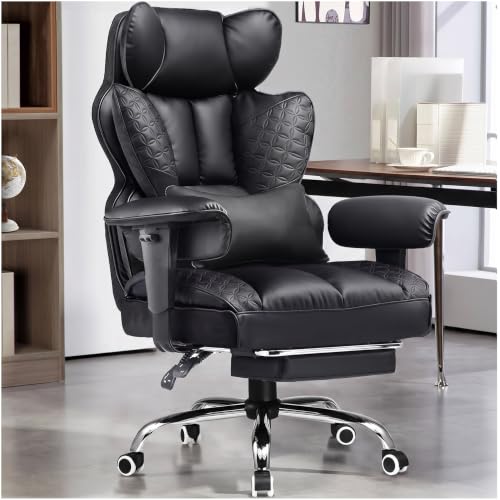

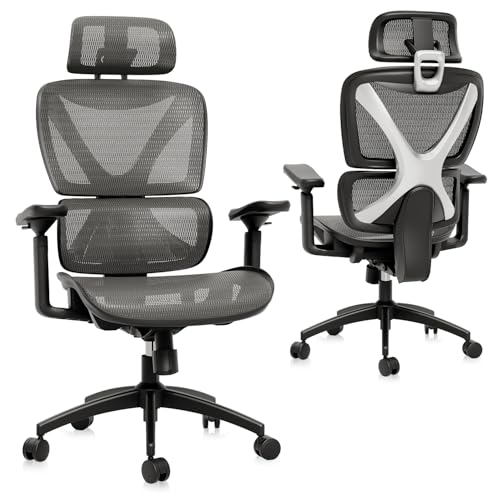
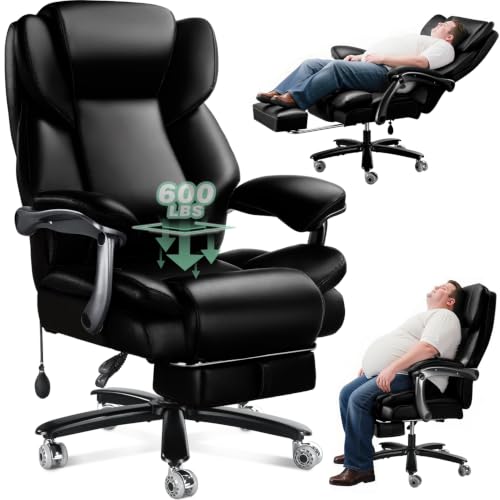
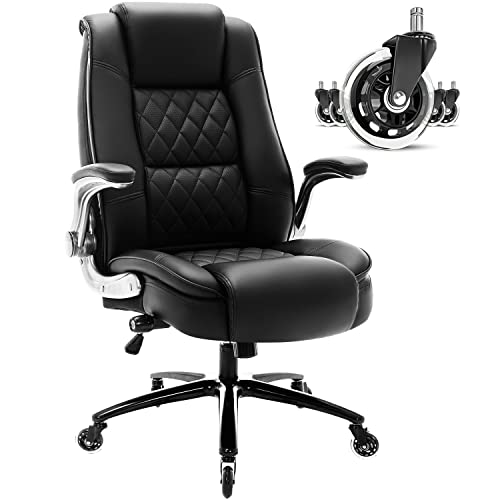
How to Set a Smart Budget for a Tall Computer Chair
Price should be your second filter, not your first. A chair that fits your legs, back, and shoulders will serve you well for years, while a costly chair built for average heights will disappoint within a week. Work through the fit questions first, then let your budget choose among the chairs that pass.
Start With Fit, Not Price
Measure your inseam, your torso length, and the height of your desk before you look at a single price tag. Your seat height should let your feet rest flat with your knees near a right angle, and the seat depth should leave about two fingers of space behind your knees. Once you know those numbers, any chair that misses them leaves your list, whatever it costs. This step alone protects tall buyers from the most common waste of money in this category.
Where Extra Money Actually Helps
Spending more pays off in a few specific places for tall users. A stronger gas lift rated for higher weight, a steel frame instead of thin plastic, and denser cushion foam all cost money to build, and all three matter more as body weight and leg length increase. Adjustable lumbar support that moves up and down also tends to appear only above the lowest tier, and that range of movement is what lets support land on a long back rather than above or below it.
What to Skip at Any Price
Some extras add cost without helping a tall frame at all. Racing style side bolsters squeeze wide shoulders and push them forward, and fixed pillow headrests usually sit too low to touch the head of a tall sitter. Built in massage motors and speakers rarely suit long legs either. If a listing leads with those features and hides its seat dimensions, treat that as a warning sign and move on.
What Your Money Gets You at Each Price Tier
Every tier can work for the right buyer, as long as you match the tier to your hours at the desk and your body size. The tiers below describe what US shoppers typically find on Amazon, using the product table above as a starting point.
Budget Tier: What to Expect
Budget models usually start around $100 and stay under $200, covering the basics: a padded seat, a simple tilt, and basic height adjustment. For tall people, the catch is size, since many budget chairs top out at a seat height near 20 inches and a weight capacity around 250 pounds. If you sit for short sessions and your height is near six feet, a carefully chosen budget chair can do the job. Check the dimensions twice, because returning a bulky chair is a hassle.
Midrange Tier: The Sweet Spot for Most Buyers
Chairs starting around $200 and reaching around $450 are where tall friendly dimensions become common. Expect taller backrests, seats that reach 21 or 22 inches at their highest setting, weight capacity ratings of 300 pounds or more, and adjustable armrests that move up high enough for long arms. Lumbar support you can reposition also shows up here. For full time desk work, this tier offers the strongest balance of fit, durability, and price, and it is where most tall shoppers should start their search.
Premium Tier: When Spending More Pays Off
Premium ergonomic models starting around $450 and passing around $900 buy refinement rather than basic fit. You gain smoother recline tension control, armrests that adjust in four directions, mesh that keeps its tension for years, and longer warranties. If you work ten hour days or carry a heavy build, that durability can be worth it. Readers comparing focused support designs can also see our guide to the best ergonomic chairs for tall people for a closer look at that category.
Features of the Best Computer Chairs for Tall People
The sections below break the budget question into individual features, so you can judge any listing by what it offers rather than by its price tag alone.
Size, Dimensions, and Weight Capacity
Dimensions decide whether a chair fits you at all, so they come before every other feature. Look for a maximum seat height of at least 21 inches if you stand over six feet two inches, a seat depth of 19 inches or more, and a backrest rising at least 28 inches above the seat. Weight capacity should exceed your body weight with room to spare, since a lift and base near their limit wear out faster and feel less stable.
Features That Matter for Tall People
A long body changes which specs matter most. The headrest, when present, must slide high enough to meet the back of your head rather than your shoulder blades, so check its adjustment range in the listing. Armrests should rise to support your elbows while your shoulders stay relaxed, which often means a maximum arm height near 31 inches from the floor. A waterfall seat front edge helps long legs by reducing pressure behind the thighs during long sessions. If you are still comparing chair styles beyond the desk, see our guide to the best chairs for tall people for the wider picture.
Comfort and Cushioning
Cushion quality decides how a chair feels in hour six, not minute six. High density foam resists flattening under a heavier sitter, while thin low cost foam can bottom out within months. A mesh back breathes well and holds its shape, though some tall users prefer a padded back for firmer shoulder support. If you split time between work and play at the same desk, our guide to the best gaming chairs for tall people covers chairs built for long evening sessions.
Ergonomics and Adjustability
Adjustability is what turns a big chair into a chair fitted to you. Prioritize a tilt lock that holds your chosen recline angle, seat depth adjustment if you can find it, and lumbar support that moves vertically to match your lower back. Persistent back pain, numbness, or tingling in your legs is not something a chair should be expected to fix, so talk with your clinician about personal needs if those symptoms appear. Good ergonomic design supports healthy posture, but it never replaces medical advice.
Materials and Upholstery
Materials drive both comfort and lifespan. Breathable mesh suits warm rooms and resists cracking, fabric grips clothing so you slide less, and PU leather looks sharp but can peel after a few years of daily use. A metal base and a steel frame cost more than nylon parts yet handle the leverage of a tall, heavy sitter far better. When a listing hides its frame material, assume the cheaper option and budget accordingly.
Computer Chairs for Very Tall Readers
Chairs for Readers Around 6 Feet 8 Inches Tall
At six feet eight inches, standard tall sizing often stops short, so your money should go toward the largest dimensions you can find rather than extra features. Prioritize a seat height range that reaches 23 or 24 inches, the deepest seat available, and a weight capacity of 350 pounds or more for a solid feel. Skip chairs whose headrest cannot be removed, since a fixed headrest at that height will press into your shoulders. Shoppers in this group may also find our guide to the best desk chairs for tall people useful, because desk chair listings often publish fuller dimension charts.
Long Term Costs to Factor In
The purchase price is only part of what a chair costs you. A budget chair with a one year warranty may need a new gas lift or a full replacement within three years, while a premium chair with a five to ten year warranty spreads its cost over a much longer life. Replacement casters, arm pads, and cushions are inexpensive on common models but hard to find on obscure ones. Think of the total over five years rather than the number on the product page.
Common Mistakes to Avoid
- Buying by price tier alone and ending up with a premium chair whose seat is still too shallow for your legs.
- Ignoring the maximum seat height, so your knees ride above your hips and your lower back aches by midday.
- Choosing a chair with a weight capacity barely above your body weight, which wears the lift and base out early.
- Paying extra for racing bolsters and fixed pillows that crowd wide shoulders instead of supporting them.
- Skipping the dimension chart and trusting the word tall in a product title, which has no standard meaning.
- Forgetting to measure desk height, so tall armrests cannot slide under the desk and bang against its edge.
Computer Chairs: Your Questions Answered
What features matter most in a computer chair for tall people?
Seat height, seat depth, backrest height, and weight capacity matter most, in that order. A chair that reaches at least 21 inches at the seat, offers 19 inches or more of depth, and supports your weight with margin will fit better than any feature bundle on a smaller frame. After those basics, adjustable lumbar support and tall rising armrests make the biggest difference to daily comfort.
How long should a good computer chair for tall people last?
A good computer chair should last five to ten years with daily use, depending on its tier and build. Budget models often show wear at two to three years, especially in the cushion and gas lift. One detail many buyers miss is that warranty terms often differ by part, with frames covered far longer than foam or fabric, so read the warranty split before assuming a decade of full coverage.
How do I choose the right size computer chair for a tall person?
Start with your own measurements: inseam, seated shoulder height, and body weight. Match them against the chair seat height range, seat depth, backrest height, and rated capacity rather than the marketing label. A useful extra check is your desk height, since a tall chair paired with a low desk can force your shoulders upward even when the chair itself fits well.
What features matter most for long hours in a computer chair?
For long hours, cushion density, lumbar support placement, and recline control matter most. High density foam or a quality mesh seat keeps pressure even, and a tilt lock lets you shift position without fighting the chair. One often overlooked point is armrest height range, because long arms resting too low pull the shoulders down and quietly undo the benefit of a well set backrest.
Is an expensive computer chair worth it for a tall person?
An expensive computer chair is worth it when the extra money buys size, strength, and warranty length rather than styling extras. Tall and heavy sitters stress every part harder, so a steel frame and a long parts warranty can lower the true cost per year. It is not worth it when the premium price only adds bolsters, pillows, or lighting that a tall frame cannot use comfortably.
The Bottom Line
Set your budget after you know your measurements, then spend first on dimensions, weight capacity, and the adjustments a long body actually uses. The product table above pulls those numbers together so you can compare tiers without digging through every listing. Chosen that way, the best computer chairs for tall people are simply the ones whose size and support match your frame at a price you can justify over years of daily sitting.


