Best Chairs for Tall People: A Buying Guide for 2026
Disclosure: We may earn a commission when you buy through links on this page, at no extra cost to you. As an Amazon Associate I earn from qualifying purchases. Learn more

Learn how to choose chairs that fit a taller frame, from seat height and back height to seat depth, weight capacity, and adjustment range before you buy.
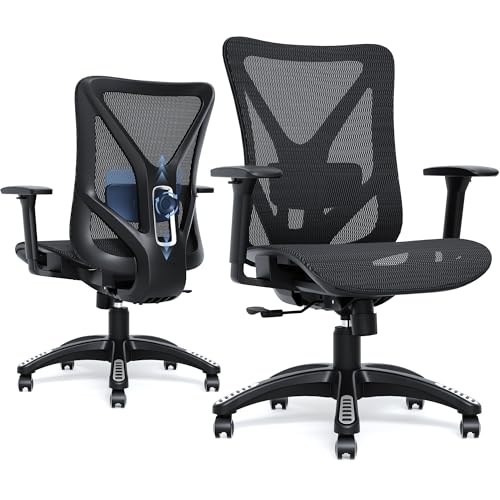
Finding a chair that truly fits a taller frame takes more than picking a large looking seat. Best chairs for tall people need extra seat height, a taller back, and a deeper seat so your knees, hips, and shoulders all rest in a natural position. The comparison table below gives a quick side by side look at the main types, and the guide that follows explains what each measurement means in daily use.
Many standard chairs force taller sitters to perch on the front edge or hunch over a back that ends below the shoulder blades. That poor fit can make long work sessions feel tiring even when the cushion itself feels soft. This guide focuses on the measurements and adjustments that matter most, so you can judge any chair by fit first and by style second.

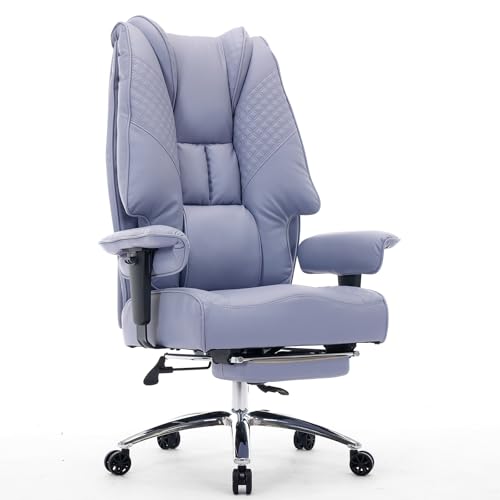
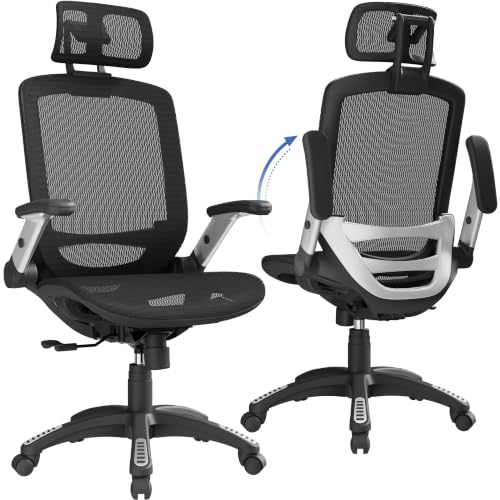


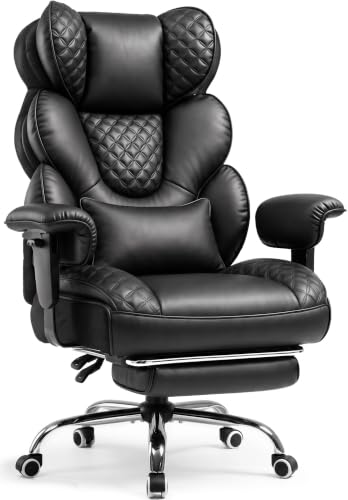
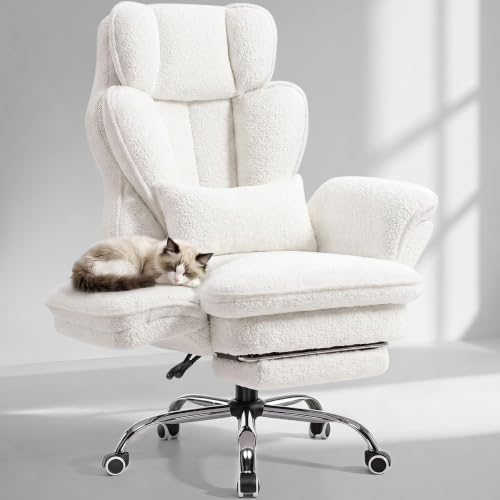
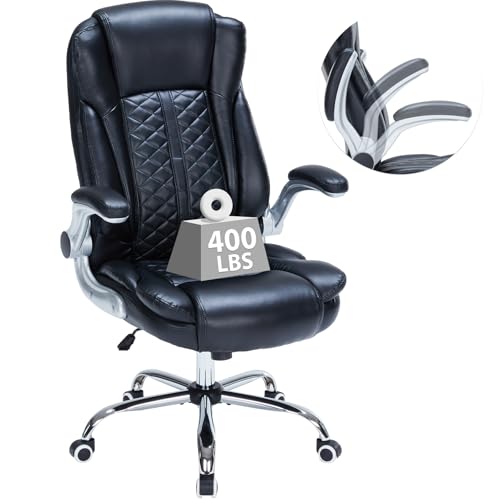

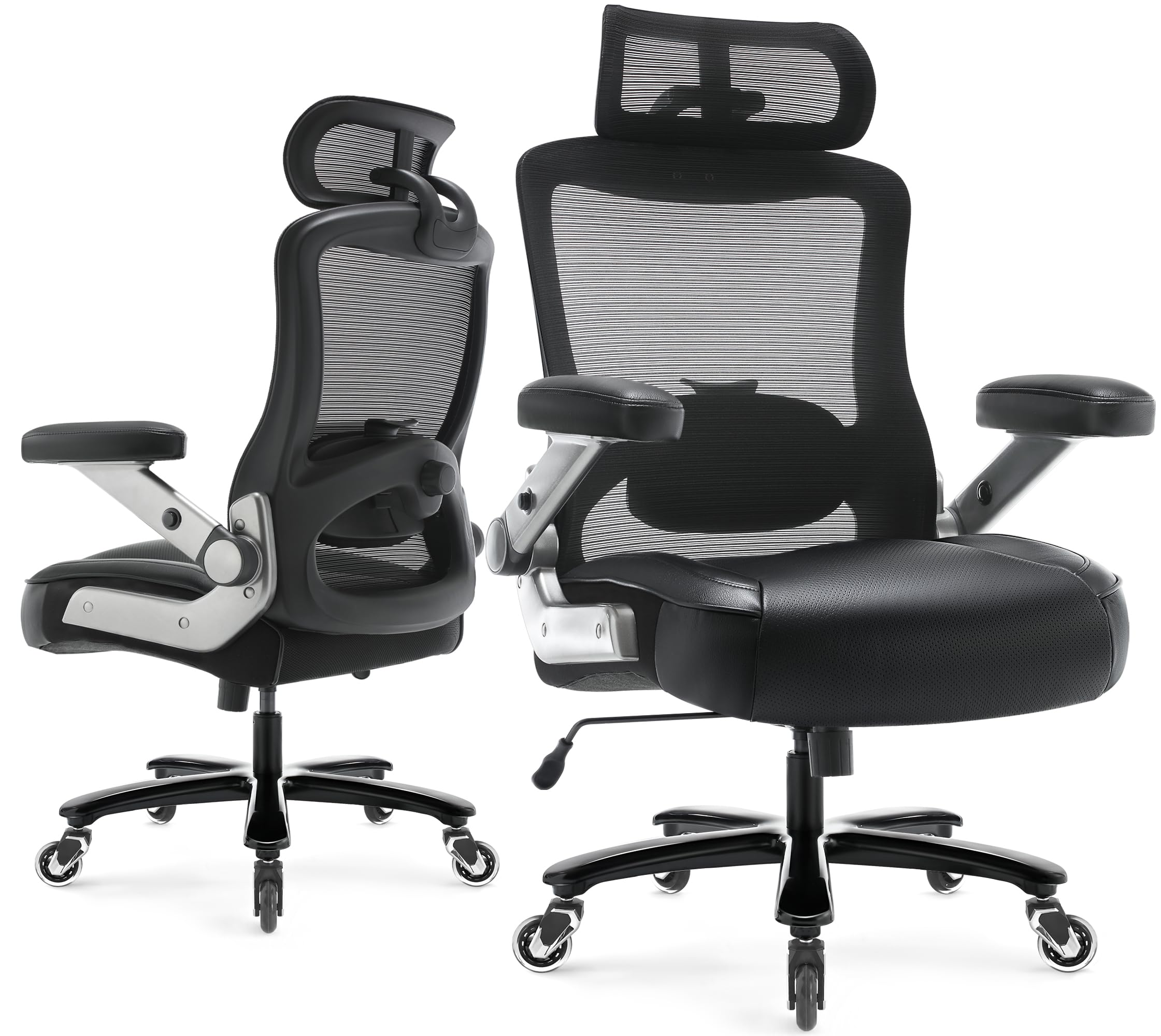
Spending Levels at a Glance
A sensible starting point usually covers a basic adjustable seat, a fixed or lightly padded back, and a modest weight capacity. These chairs suit shorter sessions and lighter daily use, and they work best when you already know your ideal seat height. You may give up fine armrest adjustment and deep seat travel, so check the listed seat height range before you buy.
A strong middle ground adds a taller back, a sliding seat, and armrests that move in several directions. This level suits people who sit for most of the workday and want to fine tune the fit over time. Look for a sturdy frame and a clear weight capacity with room to spare, since a chair loaded near its limit tends to feel less stable.
Higher end comfort usually brings denser foam, a wider seat, a more precise tilt control, and a longer warranty on the frame and moving parts. The extra cost makes sense when the chair is used all day, every day, and when small fit details make a real difference to comfort. Even at this level, measure first, because a costly chair with the wrong seat depth will still feel wrong.
How to Choose the Best Chairs: Buying Guide
Features That Matter for Tall People
Taller sitters need a higher seat range, a back that reaches the upper back and shoulders, and a seat deep enough to support the thighs without pressing behind the knees. A seat height range that tops out near 22 inches suits many taller users, while a back height above 28 inches helps the upper back rest fully supported. The best chairs for tall people also offer a seat depth adjustment, since leg length varies a lot even among people of the same height.
Ergonomics and Adjustability
Seat height adjustment is the first control to check, followed by a tilt lock that holds the back at a comfortable angle. Armrests that move up, down, forward, and sideways help keep shoulders relaxed, especially when the desk height is fixed. Lumbar support should sit at the natural curve of the lower back rather than pressing too high or too low, so a height adjustable lumbar pad is a real advantage. For desk setups in particular, see our guide to best desk chairs for tall people.
Comfort and Cushioning
High density foam holds its shape longer than soft, low density foam, and it spreads weight more evenly across the seat. A waterfall front edge, where the seat front curves gently downward, reduces pressure behind the knees during long sessions. Breathable mesh backs suit warm rooms, while padded backs feel warmer and softer in cooler spaces, so choose by climate as well as by feel. If relaxation features appeal to you, compare best massage chairs for tall people before deciding on cushion style.
Style and Room Fit
A taller chair naturally takes up more visual space, so check the overall height and footprint against your room and desk. Neutral colors blend easily into a home office, while bolder colors suit a gaming setup or a creative studio. Measure doorways and desk clearance too, since a wide base with large casters needs room to roll and turn freely.
Materials and Upholstery
Mesh offers airflow and a lighter feel, fabric feels warm and quiet, and faux leather wipes clean but can feel warm in summer. Real wood frames appear mainly on accent chairs, while office chairs rely on metal or reinforced plastic frames with a central column. Check the care instructions before you buy, since some fabrics stain easily and some faux leathers crack if kept in direct sunlight.
Build Quality and Frame
A steel or reinforced frame, a sturdy five spoke base, and a class 4 gas lift are good signs of a chair built for daily use. The gas lift controls seat height, so a smooth, quiet lift that holds its position matters more than a flashy finish. Tighten bolts every few months and listen for creaks, since early attention keeps small looseness from becoming a wobble.
Types of Chairs
Compact and Space Saving Models
Compact models suit small rooms and occasional use, with a narrower seat and a shorter back that folds or tucks away easily. They rarely offer the seat depth or back height a taller sitter needs, so treat them as a practical second chair rather than a daily work chair. Measure the seat height carefully, since compact designs often top out lower than standard office chairs.
Ergonomic Models
Ergonomic models focus on adjustment, with a sliding seat, adjustable lumbar support, and armrests that move in several directions. They suit taller sitters who want to dial in the fit and who sit for long stretches each day. The extra controls take a little time to learn, but the payoff is a chair that adapts to your body instead of forcing your body to adapt to it. For the widest adjustment range, see our guide to best ergonomic chairs for tall people.
Premium and Executive Models
Premium and executive models offer wider seats, denser cushioning, and refined tilt controls, along with a more polished look. They suit a main home office where the chair is used all day and where appearance matters. Check that the generous padding does not shorten the usable seat depth, since thick cushions can change how the chair actually fits.
Budget Models
Budget models keep costs down with simpler adjustment and lighter materials, and they work well for shorter sessions or a spare workspace. A budget chair can still fit a taller sitter if its seat height range and back height are adequate, so judge by measurements rather than by price alone. Expect to replace worn cushions or casters sooner than on a higher priced chair.
Choosing Chairs for Your Situation
Best Gaming Office Chairs for Tall People
Best gaming office chairs for tall people suit long sessions at a desk with a monitor, keyboard, and controller all within reach. Look for a tall back with head support, a seat that stays comfortable for hours, and armrests that line up with the desk height. A reclining back helps during breaks, but the upright working position matters most, so test the locked upright angle first. For a dedicated gaming setup, see our guide to best gaming chairs for tall people.
Best Office Chairs for Tall People Gaming
Best office chairs for tall people gaming blend office chair adjustment with the bold styling and tall back of a gaming chair. Prioritize seat depth adjustment, a firm lumbar area, and a base that stays stable when you lean or shift. If the chair will serve both work and play, choose neutral adjustment controls over flashy extras that add cost without improving fit.
Best Adjustable Office Chairs for Tall People
Best adjustable office chairs for tall people put adjustment first, with independent controls for seat height, seat depth, back angle, and armrest position. This flexibility helps when several people share one chair or when your desk setup changes. Write down your ideal settings once you find them, so you can return to the same fit quickly after someone else uses the chair.
Tips to Get the Most From Your Chair
- Adjust seat height so feet rest flat on the floor with knees at roughly a right angle, and use a footrest if the desk is too high.
- Tighten bolts every few months, since regular use slowly loosens joints and a quick check prevents wobble.
- Vacuum or wipe upholstery regularly to keep dust and crumbs out of mesh and fabric, which keeps the chair looking and feeling fresh.
- Keep leather out of direct sunlight, since strong sun dries and cracks the surface over time.
- Slide the seat forward or back until about two fingers of space remain between the seat edge and the back of your knees.
- Recline slightly during breaks to ease pressure on the lower back, then return to an upright angle for focused work.
Chairs: Your Questions Answered
What features matter most in chairs for tall people?
Seat height range, back height, seat depth, and weight capacity matter most, because they decide whether the chair fits your frame at all. A chair with a high maximum seat height but a shallow seat will still leave thighs unsupported, so check all four numbers together. Armrest adjustment and a tilt lock come next, since they fine tune the fit once the basic size is right. A useful extra point is to measure your current chair first, so you know exactly which dimension needs to change.
How do I choose the right size chair for a taller frame?
Start by measuring your seated height from the floor to the back of your knees, then compare that figure with the chair seat height range. Next, check the back height from the seat to the top of the back, aiming for support that reaches the shoulder blades at least. Seat depth should let you sit fully back with a small gap behind your knees, and the seat width should leave room without forcing your hips outward. If you shop online, ask the seller for the full measurement chart rather than relying on a single overall height figure.
What features matter most for long hours in a tall chair?
For long hours, dense foam that keeps its shape, a breathable back, and a smooth tilt control matter most, since they reduce fatigue over a full day. A sliding seat helps you shift position without losing thigh support, and armrests that adjust in several directions keep shoulders relaxed during typing. One point buyers often miss is caster quality, since smooth rolling casters reduce the effort of moving around a desk many times a day. Take short standing breaks too, since no chair replaces movement.
Is an expensive chair worth it for tall people?
An expensive chair is worth it when it solves a fit problem that cheaper chairs cannot, such as a higher seat range, deeper seat travel, or a taller back. It is less worth it when the extra cost buys only styling or extras you will never adjust. Compare the measurement chart and warranty first, since a mid priced chair with the right dimensions often beats a costly chair with the wrong ones. Consider cost per year as well, since a durable chair used daily for years can cost less over time than replacing a cheap chair often.
How long should a good chair for tall people last?
A well built chair used daily often lasts about five to ten years, with cushions and casters usually wearing first. The frame and gas lift tend to last longer when bolts stay tight and the chair is used within its weight capacity. Replace the chair when the seat sags, the lift sinks on its own, or the back no longer locks firmly, since those faults change the fit. Keep the warranty details, since frame and mechanism coverage often lasts longer than upholstery coverage.
Our Verdict
Fit comes first: seat height range, back height, seat depth, and weight capacity decide whether any chair suits a taller frame. Once those numbers check out, choose adjustment range and cushion density by how many hours you sit each day, then pick a style that fits your room. For a final check, compare your shortlist against the product table above and confirm the measurements in writing before ordering. Best chairs for tall people are the ones that let you sit fully supported, with feet flat, knees relaxed, and shoulders at ease.