Best Commercial Toilets: Flush, Fit and Water Use Guide for 2026
Disclosure: We may earn a commission when you buy through links on this page, at no extra cost to you. As an Amazon Associate I earn from qualifying purchases. Learn more

Restrooms need reliable flushing and the right fit. Compare the best commercial toilets by rough in size, bowl height, water use and upkeep.
No single model suits every restroom, and that is the first thing to accept when you shop for the best commercial toilets. A busy restaurant needs different features than a small office, and a school restroom faces heavier use than a home bathroom. This guide sorts the choices by use case, so you can match flush power, bowl height, and water use to the way your restroom actually works.
Commercial toilets also face rules and practical limits that home models rarely meet. Check local plumbing codes before you buy, confirm the rough in distance and drain type, and plan for a qualified installer if the plumbing layout is unclear. A good choice balances daily reliability, cleaning effort, and water costs over many years of service.




Who Should Buy Which Commercial Toilets?
For Facility Managers
Facility managers need toilets that survive heavy daily traffic with few service calls. Prioritize durable vitreous china or stainless steel, simple flush valves with widely available parts, and finishes that resist stains and scratches. Standardized models across all restrooms in a building also simplify spare parts stock and staff training.
For Small Business Owners
Small business owners need a balance of upfront cost and long term reliability. A midrange commercial toilet with a proven flush system and a solid warranty usually beats the cheapest option, which may clog often and cost more in plumber visits. Look for easy cleaning surfaces and a style that fits the look of your shop or office.
For Value Seekers
Value seekers should compare total cost, not just the price on the box. Water use per flush adds up fast in a busy restroom, so a water saving model can pay back its price difference within a few years. Also weigh seat and valve replacement costs, since cheap parts that wear out quickly erase any initial saving.
For First Time Buyers
First time buyers should start with the basics: rough in size, floor or wall mounting, and flush type. Measure twice before ordering, and confirm that the model matches your existing drain and water supply. A simple, well supported design is easier to install and maintain than a complex unit with hard to find parts.
Choosing Commercial Toilets for Your Situation
Best Commercial Toilets for Home: What to Prioritize
Choosing one of the best commercial toilets for home bathrooms calls for a different balance than a public restroom. At home, quiet flushing, a comfortable bowl height, and a style that matches the bathroom matter more than extreme durability. Choose a water saving flush system to keep bills low, and pick a standard rough in size so future replacement stays simple. Noise matters too, since a loud commercial flush valve can disturb a household at night.
Key Features to Compare
Material and Construction
Most commercial toilets use vitreous china, a glazed ceramic that resists stains and cleans easily. Stainless steel suits high security or vandal prone settings, since it resists breakage and tampering, though it costs more and looks industrial. Check glaze quality and wall thickness, since thin or poorly glazed bowls stain faster and chip more easily under heavy use.
For toilets, the useful material questions are glaze durability, bowl construction, and whether replacement parts such as flush valves and seats are easy to find. Ask what the warranty covers on the china and on the valve separately, since the valve usually wears first.
Size and Fit
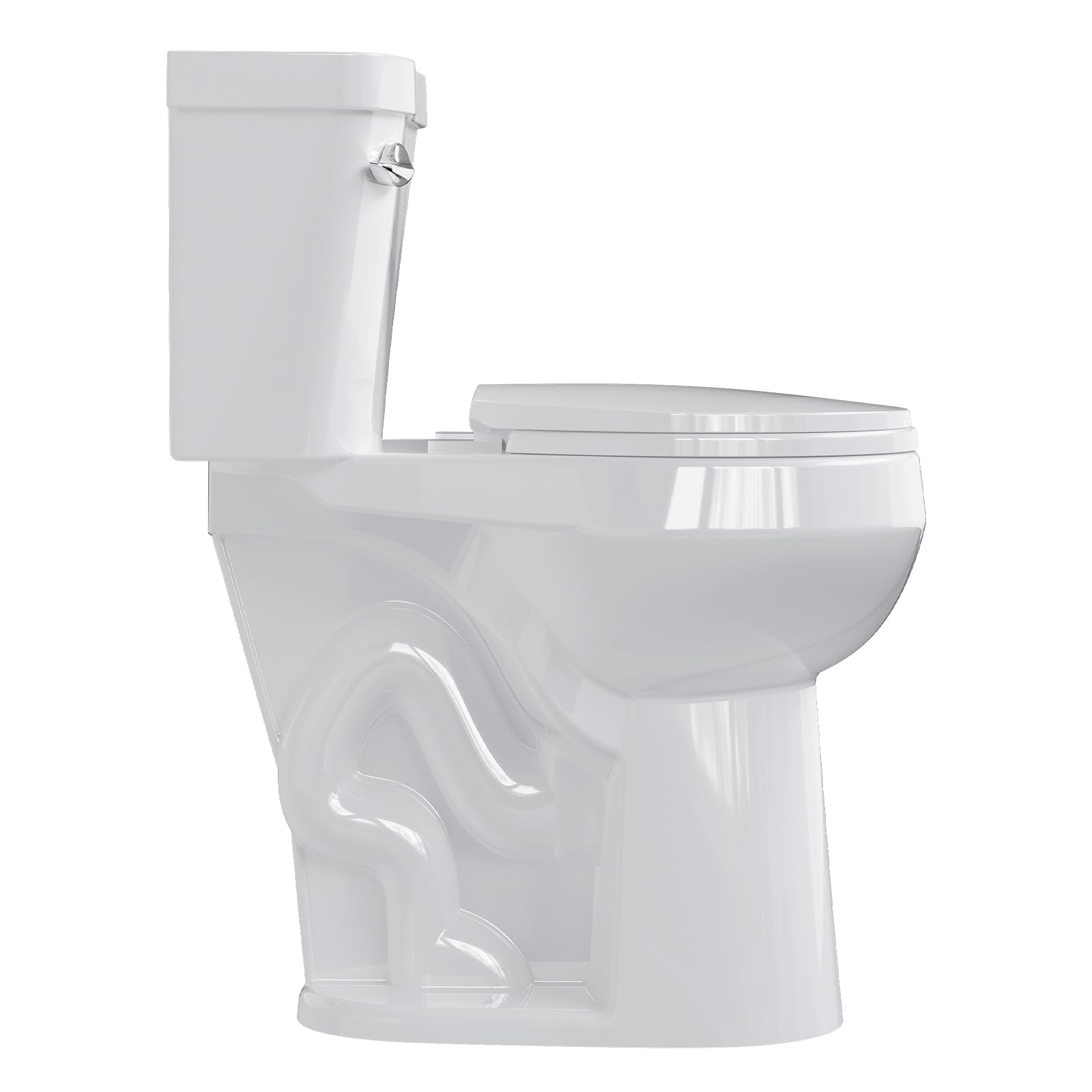
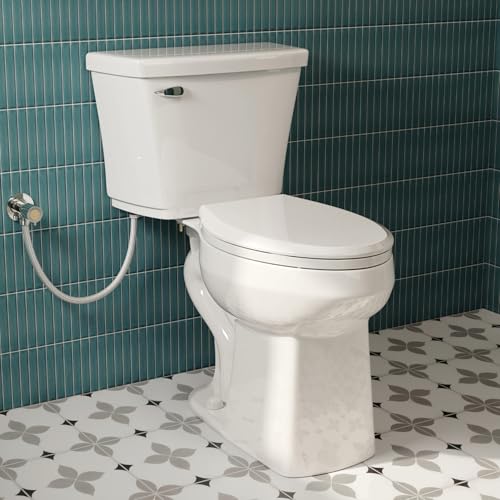
Size and fit start with the rough in, the distance from the wall to the center of the drain. Common sizes are about 10 inches, 12 inches, and 14 inches, and the wrong size means the toilet will not sit flush against the wall. Also check bowl height: standard height suits most users, while comfort height, often called chair height, helps taller users and people with limited mobility.
Measure door swing, side clearance, and access for cleaning around the base. In small restrooms, a compact elongated bowl saves space without losing comfort. For accessible restrooms, confirm that the model meets the relevant accessibility rules for height and clearance in your area.
Style and Color Options
Style choices for commercial toilets are narrower than for home bathrooms, but they still matter. White remains the standard because it matches most restrooms and shows dirt clearly, which helps cleaning staff spot problems early. Some makers offer other colors, but unusual colors can make future matching harder when only one unit needs replacement.
Choose between one piece and two piece designs. One piece models have fewer seams to clean, while two piece models cost less and are easier to carry into tight restrooms. Wall hung models free up floor space and simplify mopping, but they need a sturdy in wall carrier and a qualified installer.
Certifications and Water Use
WaterSense is a real and useful label for toilets, since it marks models that use no more than 1.28 gallons per flush while still clearing waste effectively. Flow rate in gallons per flush, written as GPM in some guides, is the key number to compare: lower flow saves water, but only if the flush system still clears the bowl in one flush. A weak low flow toilet that needs double flushing saves nothing.
Also check flush valve ratings and local water rules, since some areas limit flow rates by code. Pressure assisted flushing uses compressed air to boost power and suits busy restrooms, while gravity flushing runs quieter and has fewer parts to service. Match the system to your water pressure, since low pressure can weaken a pressure assisted unit.
Common Mistakes to Avoid When Buying Commercial Toilets
- Choosing by price alone, then paying more in water bills, clogs, and plumber visits over the life of the toilet.
- Ignoring material and construction, and ending up with a thin glaze that stains and chips under heavy use.
- Buying the wrong size, especially the wrong rough in distance, so the toilet cannot sit properly against the wall.
- Skipping the warranty check, and finding that valves and seats are not covered when they wear out early.
- Forgetting local plumbing rules, which can force a costly replacement if the model does not meet code.
Care and Maintenance Tips
Clean commercial toilets daily in busy restrooms, using a cleaner made for ceramic or stainless surfaces as the maker directs. Avoid abrasive pads on glazed bowls, since scratches trap stains and make later cleaning harder. Check flush valves and fill valves every few months for leaks, since a slow leak can waste a large amount of water without any visible sign.
Descale the bowl and jets with vinegar when mineral buildup appears, and flush the system after descaling to clear residue. Keep spare flappers, fill valves, and seats on hand for the models you use most, so a worn part never keeps a restroom out of service. If a toilet rocks, leaks at the base, or needs repeated plunging, call a qualified plumber rather than forcing a fix. See our guide to the best toilet plungers for the right tool when a simple clog appears, and our guide to the best toilet brushes for daily cleaning.
Frequently Asked Questions
What flow rate is best for a commercial toilet?
A flow rate of 1.28 gallons per flush suits most commercial restrooms, since it saves water while still clearing waste in one flush when paired with a good flush system. Older models using 1.6 gallons per flush still work well but cost more in water over time, especially in busy buildings. The best rate depends on your drain layout and local code, so confirm the limit before ordering. Also compare the flush design, since a well shaped bowl and strong valve matter more than the flow number alone.
Are premium commercial toilets worth the extra cost?
Premium commercial toilets are worth the extra cost in busy restrooms where durability and low maintenance matter most. Higher priced models often use thicker glaze, stronger valves, and better trapway design, which means fewer clogs and service calls. For a low traffic office restroom, a midrange model usually delivers the same daily experience for less money. Compare warranty length and parts availability too, since these often separate premium models from budget ones.
How do I keep commercial toilets fresh longer?
Keep commercial toilets fresh with daily cleaning, good ventilation, and prompt repair of leaks or running valves. Use a cleaner suited to the bowl material, scrub under the rim where buildup collects, and mop around the base to stop odors from settling into grout. Ventilation matters as much as cleaning, since damp air leaves restrooms smelling stale even after a thorough scrub. Replace worn seats and seals quickly, since damaged parts trap grime and harbor odor.
How often should I replace a commercial toilet?
Replace a commercial toilet when cracks appear in the bowl or tank, when clogs become frequent despite good maintenance, or when parts are no longer available. Most commercial toilets last about 15 to 25 years, though busy public restrooms may need replacement sooner. A toilet that rocks, leaks at the base, or wastes water through a worn valve may be cheaper to replace than to keep repairing. Check local plumbing rules before replacement, since newer codes may require a lower flow model.
The Bottom Line
Flush reliability, correct fit, and water use are the three factors that decide whether a commercial toilet serves you well for years. Measure your rough in and clearances carefully, choose a flush system matched to your traffic and water pressure, and confirm local plumbing rules before you order. The best commercial toilets are the ones that stay clean, clear waste in one flush, and need little attention from your maintenance team. Review the product table above once more, and ask a qualified installer to confirm the fit if anything about your plumbing is unclear.