
Best Complication Watches: Moon Phase, Calendar and Dual Time for 2026
Disclosure: We may earn a commission when you buy through links on this page, at no extra cost to you. As an Amazon Associate I earn from qualifying purchases. Learn more

Complication watches with moon phase, calendar, power reserve or dual time: what each function does and how to judge dial, size and service.
A complication is any function on a watch beyond telling the hours, minutes, and seconds, and the best complication watches are the ones whose extra dials earn their place on your wrist. A date window is the simplest complication. Moon phase displays, power reserve indicators, dual time zones, chronographs, and perpetual calendars add layers of mechanical or electronic work, and each one changes how the watch looks, wears, and ages.
This guide explains what each common complication does, how to judge a dial you can actually read, and what ownership costs once the box is open. Use the product table above for a shortlist, then check each model against the points below before you decide.





What Complications Do
Calendar and Date Displays
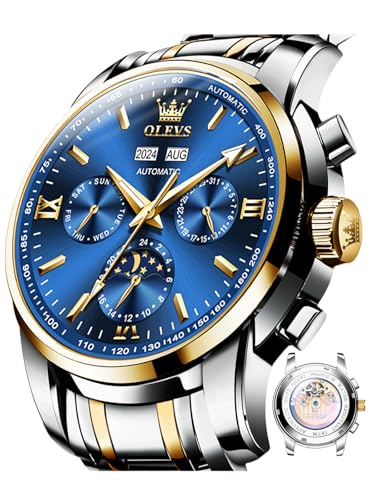
A date window is the most useful everyday complication, and a day and date or full calendar adds weekday and month displays. Simple calendars need a manual correction at the end of short months, while a perpetual calendar is built to account for month lengths without that adjustment. Quartz and solar watches can also offer a perpetual calendar, usually at a much lower price than a mechanical one.
Moon Phase
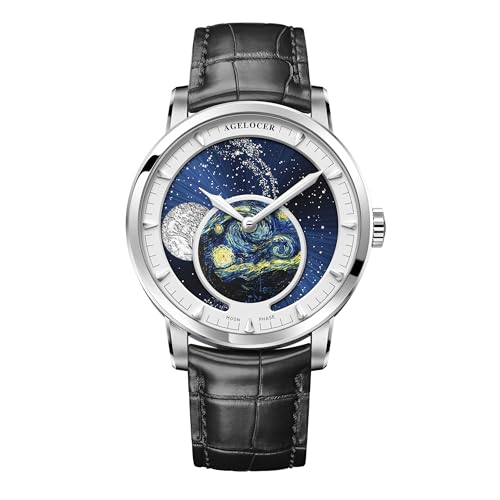
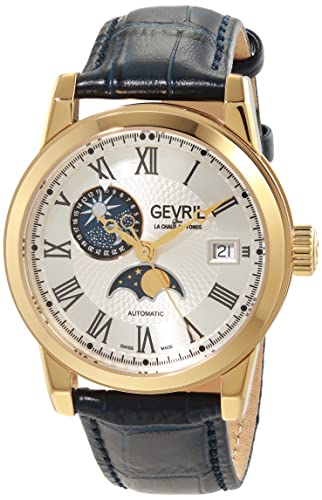
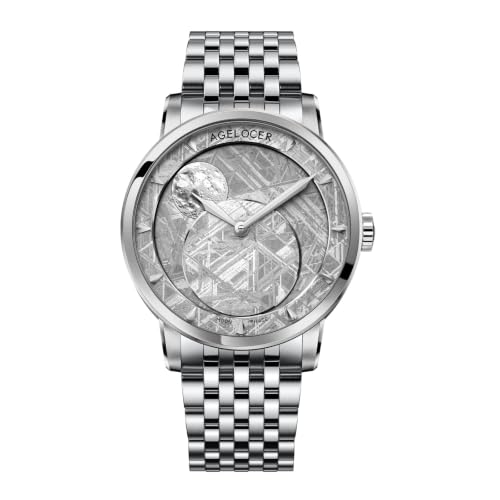
A moon phase display shows the current phase of the moon in a small aperture, often with a painted moon on a starry disc. It is a decorative complication that rarely changes your day, but many buyers choose it for the look of the dial. Check that the display is easy to set and that the case is thin enough to sit comfortably under a cuff.
Power Reserve and Dual Time
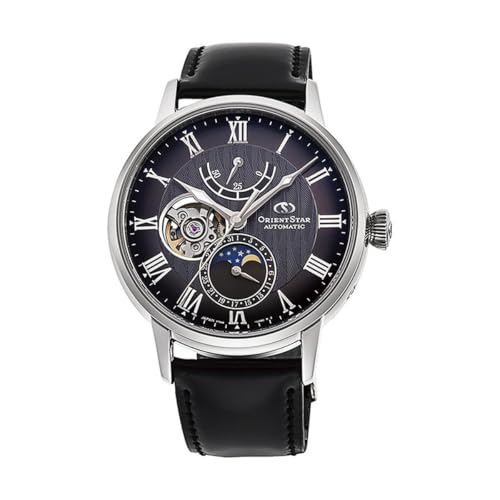
A power reserve indicator shows how much running time is left in an automatic or hand wound movement, which is helpful if you rotate between several watches. A dual time or second time zone dial lets you track a second city, a real benefit if you travel or work with colleagues abroad.
Chronograph and Skeleton Dials
A chronograph adds a stopwatch with pushers on the side of the case. A skeleton or open heart dial is not a complication in the strict sense, but it often sits beside one because both show off the movement. Open dials look impressive, yet they can be harder to read than a solid dial with clean markers.
Choosing the Best Complication Watches for Your Wrist
Pick Complications You Will Read
List the functions you would check in a normal week. If you never look at a moon phase, it adds cost and dial clutter without any benefit. A second time zone, a date, or a power reserve gauge is more likely to earn a place in daily use than a purely decorative display.
Check Dial Readability
Hands, markers, and subdials should stay clear at a glance. Look closely at photos for lume, contrast between the hands and the dial, and whether subdials crowd the hour markers. A dial with five functions and poor contrast becomes frustrating within a week.
Case Size and Thickness
Extra layers of movement make many complicated watches thick, and thickness decides whether the watch slides under a shirt cuff. Compare case diameter, thickness, and lug to lug length against your wrist size, and remember that a large dial can make several subdials easier to read but heavier to wear.
Movement Type and Service
Automatic movements wind from the motion of your wrist, hand wound movements need a daily turn of the crown, and quartz or solar movements run on a battery or light. Mechanical complicated watches need periodic servicing by a skilled watchmaker, so check that service is available before you buy. A budget mechanical watch from a lesser known maker may be cheap to buy and costly or impossible to repair.
Price and Value Ranges
Complication watches span an enormous price range. Under about $100 you will find fashion style skeleton and moon phase watches, often with a decorative rather than a functional complication. From the low hundreds you reach better made automatics and solar perpetual calendar models from established brands, and in the high hundreds and above come Swiss automatic watches with moon phase displays and finer finishing. Buying the most complications you can afford is rarely the best plan. A watch with one or two complications you will use, a legible dial, and a movement you can service is better value than a crowded dial.
Check the water resistance rating as well. A decorative moon phase watch may only be rated for splashes, so avoid wearing it in the shower or pool unless the listing clearly says otherwise.
Strap, Weight, and Daily Comfort
Complicated watches often weigh more than simple ones because the case holds extra parts. A leather strap keeps the weight down and suits dressier moon phase models, while a steel bracelet is sturdier but heavier, so check the lug width and clasp type if you plan to swap straps later. Try to picture the watch on your wrist at the end of a long day, because comfort decides how often it leaves the drawer.
Care and Common Mistakes
- Do not change the date or calendar when the movement is between roughly 9 pm and 3 am, because the date mechanism is engaged and can be damaged. Check the maker manual for the safe window.
- Do not press chronograph pushers or set functions underwater unless the maker says the watch is built for it.
- Keep the watch away from strong magnets such as speakers and some bag clasps, which can disturb a mechanical movement.
- Wind or wear an automatic watch regularly so it keeps accurate time, and store it in a dry case when you are not wearing it.
- Buying for the number of dials alone is the most common mistake, because a crowded dial can be hard to read and costly to service.
Shoppers who want to go further up the scale can read the best grand complication watches guide, and those who simply want a well made everyday watch can compare the best quality watches.
Complication Watch Questions Answered
What is a complication on a watch?
It is any function beyond hours, minutes, and seconds. Date windows, moon phase displays, power reserve gauges, dual time zones, chronographs, and perpetual calendars are all complications.
Are complication watches worth the price?
They are worth it when the functions fit your life and the movement can be serviced. They are not worth a premium for a decorative display that you will never read.
Do complication watches need special care?
Yes. Mechanical models need regular servicing, careful date setting, and protection from magnets and water. Quartz and solar models need less upkeep but still need gentle handling of the crown and pushers.
Which complication is most useful?
For most owners it is the date window, followed by a second time zone or a power reserve indicator. Moon phase and perpetual calendar displays are better treated as a bonus for the look of the dial.
How should I store a complication watch?
Keep it in a dry case away from heat, direct sun, and magnets. If it is an automatic, a watch winder is optional, but wearing it every few days works just as well.
Final Thoughts
Choose complications you will actually read, confirm the dial is clear, and check case thickness and service options before you buy. The best complication watches are the ones that combine one or two useful functions with a movement you can maintain for years. Compare your shortlist in the product table above, and buy the model whose dial you are happy to look at every day.


