
Best Companies for Tablets for 2026: An Honest Comparison
Disclosure: We may earn a commission when you buy through links on this page, at no extra cost to you. As an Amazon Associate I earn from qualifying purchases. Learn more

Compare the best companies for tablets side by side: who leads on quality, who offers the best value, and which brand fits your needs and budget.
Tablet brands all promise fast chips and beautiful screens, yet they differ sharply in update support, accessory costs, and how long the device stays useful. Picking a company matters as much as picking a screen size. This guide compares the best companies for tablets by clear ownership criteria, so you can match a brand to reading, school, work, or drawing before you spend anything.
Think first about your main job for the tablet. Streaming and reading reward battery life and a light body, while note taking, photo editing, and office work reward processor speed, RAM, and keyboard support. The product table at the top of the page lists current options side by side, and the sections that follow explain where each brand invests your money and where it quietly saves.





What Makes a Great Tablet Brand?
A great tablet company supports its devices for years. Look for a stated update policy, because security and app support decide the real lifespan of a tablet more than its launch specifications. Check warranty length, screen repair pricing, and whether authorized service exists in the United States. Spare pens, chargers, and keyboard parts should stay available and fairly priced, since accessories often outlive the first case or cable you buy.
Range and honesty matter too. Strong brands publish full specifications, including display brightness, refresh rate, storage type, and exact processor, and they keep model naming clear across years. A confusing lineup hides weak chips behind similar names. Also weigh the software store and file system you prefer, because switching ecosystems later means rebuying apps and moving photos, notes, and documents. The right brand fits the phones and computers you already own.
Features That Matter for Tablets
For tablets, the display and battery shape daily satisfaction. Aim for a bright screen you can read near windows, at least ten hours of mixed use per charge, and USB C charging that works with cables you already own. Weight under about 1.2 lb keeps long reading sessions comfortable. Storage of 128 GB suits most users, while media collectors should step up. If you plan to use a pen, check palm rejection and pen charging before you buy.
Processor and Performance Tier
Processor tiers predict how a tablet ages. Flagship chips from the Apple M series and top mobile lines handle video editing, large documents, and demanding games with ease. Mid tier chips suit browsing, classes, office apps, and streaming without strain. Budget chips manage reading and video but slow down with heavy multitasking. Pair the chip with RAM wisely, since 8 GB now feels comfortable for most work, and more RAM helps when you split the screen between apps.
Graphics (Integrated vs Dedicated GPU)
Nearly all tablets use integrated graphics built into the main processor, and modern integrated designs handle games, drawing apps, and video playback well. Dedicated graphics chips appear in laptops and 2 in 1 convertibles rather than pure tablets, adding power for 3D work at the cost of heat and battery life. If your work needs that level of graphics, a convertible laptop may serve you better. Tablet buyers should judge graphics by the processor tier and screen refresh rate instead.
Top Brands at a Glance
The product table above shows headline prices and specifications. The profiles below add the ownership details behind them, with each brand's strength, weakness, and best fit buyer. Prices run from under $100 for basic media tablets to over $1000 for flagship models with keyboards and pens. If you already know you want a Windows based device, our guide to the best pc tablets explains how those models differ from mobile system tablets.
Apple
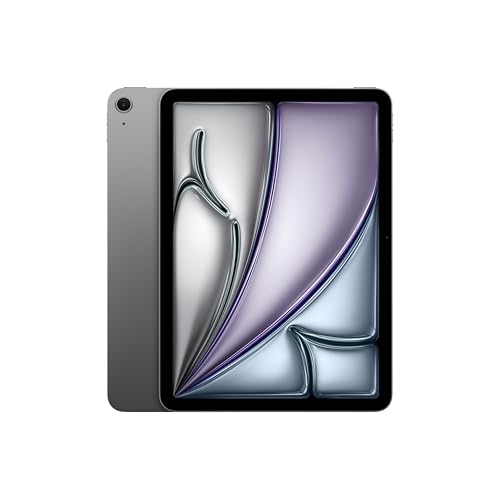
Apple leads tablets on performance, app quality, and long software support. Its displays, speakers, and pen support suit students, artists, and professionals, and its tablets hold value well over time. The costs are the catch. Storage upgrades, keyboards, and pens add up quickly, and the file system feels restrictive to some Windows users. Apple fits buyers who want the longest useful life and the deepest library of polished tablet apps, and who accept premium accessory pricing as part of the deal.
Samsung
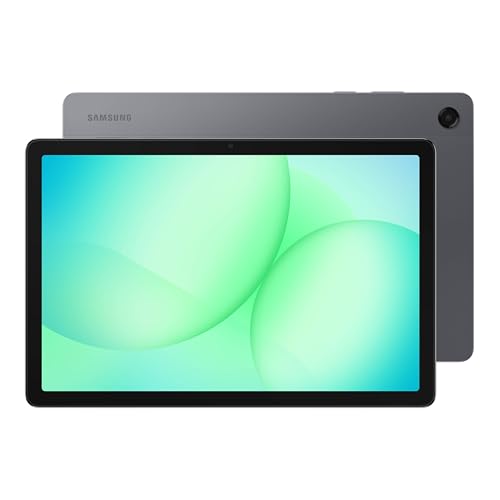
Samsung is the strongest Android tablet maker, with vivid displays, included pens on many models, and a desktop style mode that helps multitasking with a keyboard and mouse. Its range covers affordable media tablets through flagship work devices. Update policies have improved but still vary by model, and some Android apps feel less refined on large screens than their rivals. Samsung suits Android phone owners who want pen input, expandable storage on select models, and flexible window management.
Lenovo
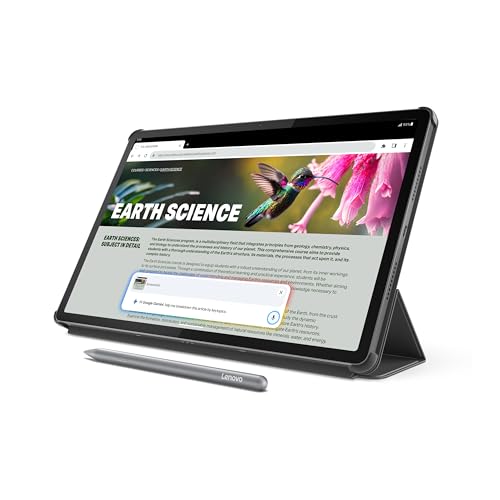
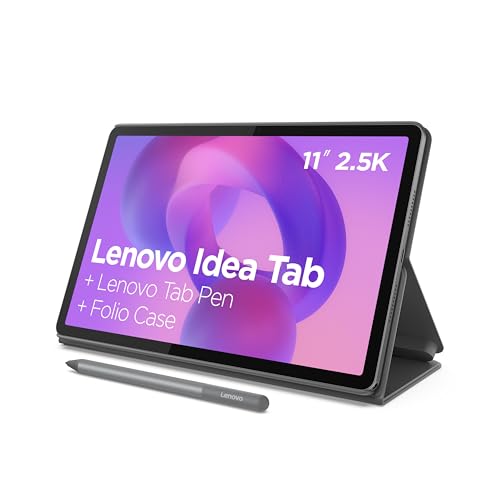
Lenovo competes on value and variety, offering budget family tablets, mid range models with bundled keyboards, and entertainment focused devices with strong speakers. Many models include useful extras in the box that rivals sell separately. The weaknesses are slower updates on cheaper lines and build quality that feels plainer than premium brands. Lenovo fits families, students, and travelers who want a capable screen for classes and streaming without flagship pricing. Households shopping for a first shared device often start here.
Microsoft
Microsoft builds tablets that behave like full Windows laptops, with real desktop apps, strong keyboard covers, and kickstands that suit desk work. That makes its devices the natural pick for Office heavy jobs and business software. The trade offs are higher prices, shorter battery life than mobile tablets, and a heavier body with accessories attached. Microsoft suits professionals who need one device for documents, meetings, and travel. Buyers weighing a full purchase short list can also compare options in our guide to the best tablets to purchase for different budgets.
Amazon
Amazon focuses on affordable media and reading tablets tied closely to its store and streaming services. Prices are low, battery life is strong, and parental controls are simple, which makes these tablets popular for kids and casual use. The limits are a smaller app store, modest processors, and displays tuned for video rather than color accurate work. Amazon fits households that mainly stream, read, and browse. Parents comparing child friendly choices should see our guide to the best tablets for kindergarteners for durability and control details.
How to Choose Between Brands
A specific model matters more than brand loyalty. Compare the exact chip, RAM, storage, and update promise for the version in your cart, because brands sell strong and weak models under similar names. Read the warranty, confirm pen and keyboard prices, and check the return window so you can check weight and screen glare at home. A tablet that feels heavy in a store will feel heavier on a couch.
Use this checklist before you buy. Set your main use, pick the screen size you can hold comfortably, choose storage for three years of photos and apps, and total the full cost with case, pen, and keyboard. Then decide whether long updates or a lower starting price matters more to you. That single trade off explains most brand choices, and it keeps you from paying flagship money for features your routine never touches.
Frequently Asked Questions
How long should a tablet last?
A well supported tablet should last four to six years for browsing, streaming, and school work, with battery wear usually appearing before processor limits. Brands that publish update commitments make planning easier. You can extend life by keeping about 20 percent of storage free, avoiding constant heat during charging, and replacing a worn case or screen protector rather than the device. When security updates end, retire the tablet from banking and work accounts.
Should I buy a laptop or a tablet?
Choose a tablet if your work centers on reading, notes, video, and light documents, and you value instant wake and long battery life. Choose a laptop if you type long reports daily, need specific desktop software, or manage many files across large screens. Many households keep a basic laptop for paperwork and a tablet for everything else. If you travel often, weigh the full kit, since a tablet plus keyboard can weigh less than most laptops.
How much RAM do I need?
For reading, streaming, and single app use, 4 to 6 GB of RAM works, though newer systems feel smoother with 8 GB. Students and office users who split the screen or keep many browser tabs open should target 8 GB. Artists and video editors benefit from more when the model offers it. RAM cannot be upgraded later, so when your budget forces a choice, favor RAM and storage over a larger screen you do not need.
Is a Chromebook enough for school?
For schools that run on web apps, documents, and video classes, a Chromebook or an affordable tablet with a keyboard can be enough, and both keep costs down. The deciding factors are the school platform, required apps, and whether exams need locked software. Ask the school for its device list before buying. A detail families miss is charging, since a USB C model can share chargers with phones and laptops at home.
Is a dedicated GPU worth it?
For a pure tablet, the question rarely applies, because tablets rely on integrated graphics that already handle games and creative apps at tablet resolutions. A dedicated GPU becomes worth it when you edit 3D scenes, run engineering tools, or play demanding PC games, and that work points you toward a gaming laptop or convertible instead. Spending tablet money on a stronger processor tier and a faster refresh screen gives most buyers a clearer daily benefit.
Wrapping Up
Pick the brand that matches your ecosystem and your patience for upkeep. Apple leads on apps and longevity, Samsung on Android flexibility, Lenovo on value, Microsoft on full Windows work, and Amazon on simple media use. The best companies for tablets share clear update policies and fair repair support, so verify those before checkout. Compare your finalists in the product table above, total the accessory costs, and choose the tablet you will still enjoy three years from now.


