Best Compact TV Speakers of 2026: Complete Buying Guide
Disclosure: We may earn a commission when you buy through links on this page, at no extra cost to you. As an Amazon Associate I earn from qualifying purchases. Learn more

Use this guide to the best compact tv speakers to compare dialogue clarity, HDMI ARC and optical inputs, sizes for small stands, and simple controls.
Modern TVs are thin, and their built in speakers point backward or downward, so dialogue turns muddy while effects boom. In a small room or on a narrow stand, a full surround system is not the answer either. You need clear voices, simple control with the TV remote, and a cabinet that actually fits.
This guide helps you choose the best compact tv speakers for that job. You will compare soundbar and speaker pair formats, the connections that make daily use painless, and the sizes that suit small stands and desks. Start with the comparison table below, then check each candidate against the criteria here.



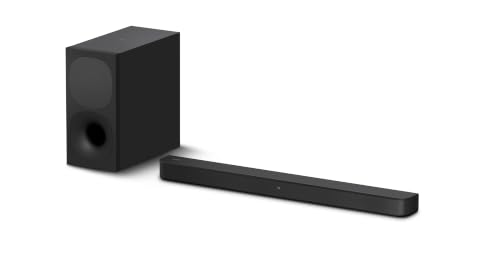
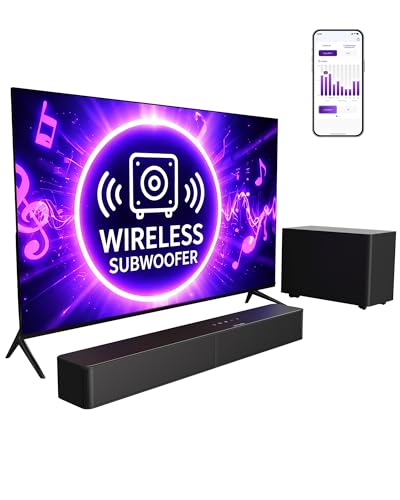
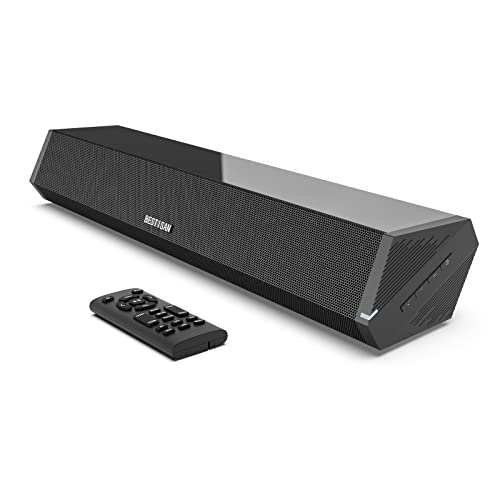
Three Price Tiers at a Glance
Tiers set honest expectations in this category. Price mostly buys dialogue clarity, better bass control, and smarter connections, not sheer loudness, which small rooms rarely need.
Premium Tier
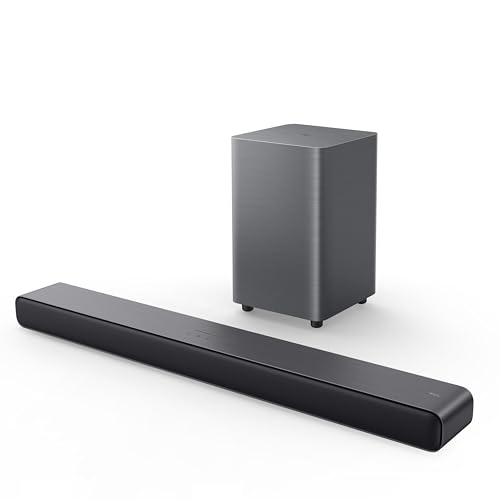
The premium tier, often about $200 to $400, suits viewers who watch films and series every night. Expect a compact soundbar or powered pair with HDMI ARC or eARC, a dedicated dialogue or voice mode, and a subwoofer output or a wireless subwoofer option for fuller sound. Cabinets are sturdy and remotes are well laid out. The compromise is stand depth, since better drivers need a little more room. Choose this tier if clearer speech is the whole point and you want one purchase to end the volume riding habit during movies.
Midrange Tier
The midrange tier, often about $100 to $200, is the sweet spot for most living rooms and bedrooms. You typically get HDMI ARC or optical input, Bluetooth for music from a phone, and a remote that can learn your TV remote commands. Bass is modest but controlled, which suits apartments. The compromise is fewer sound modes and no upgrade path for a subwoofer on some designs. Choose this tier if your TV speakers are the problem but your room and budget are both small, and simple setup matters as much as sound.
Entry Tier
The beginner tier, often under $100, focuses on painless setup and a clear step up from TV sound. Look for a single cable connection, front facing drivers, and plain controls with no app required. Sound will be clearest at moderate volume and best for news, sports, and everyday shows. The compromise is movie impact, since deep effects are beyond small cabinets at this price. Choose this tier for a first upgrade, a guest room, or an older relative who wants louder, clearer TV without learning a new system. Our wider guide to the best tv speakers shows what larger budgets add.
How to Choose Compact TV Speakers: Buying Guide
Work through these checks in order. Connection and fit problems cause more returns than sound quality, so confirm the practical points before you fall for a tuning description.
Measuring for Size and Portability
Measure your stand width and depth, then check the gap between the TV feet and the screen bottom edge. A soundbar must fit between the feet or in front of them without blocking the screen or the remote sensor. Leave an inch of clearance above the bar so heat escapes and the remote signal passes. For speaker pairs, measure shelf depth with cable bends included. A cardboard mock up at true size, left in place through an evening of viewing, reveals blocked sight lines and sensor problems that a quick tape measure misses.
Dialogue Clarity and Sound Tuning
Clear speech is the main reason to buy, so judge tuning by voices first. A center focused design or a voice enhancement mode lifts dialogue without raising the whole volume. Look for tone controls or a night mode that trims bass and sudden peaks for late viewing. Published frequency response matters less here than driver layout, because small wide drivers aimed at the listener beat larger drivers aimed at the floor. If you strain to follow accents or quiet scenes now, prioritize a model that lets you adjust dialogue level on its own.
Gaming and Low Latency Features
For gaming, delay between picture and sound ruins timing in fast scenes. HDMI ARC and optical connections keep delay low by design, while some Bluetooth links add a noticeable lag. Check for a game mode or a low latency claim if you play on a console, and prefer a wired path for competitive play. A compact speaker that passes through your TV sound settings also keeps features like variable refresh rate working as the TV intends, since the TV stays in charge of the picture. Casual players will be happy with any ARC setup.
Smart Platform and Sound
Some compact speakers add streaming platforms, voice assistants, or app control. These extras help if the speaker doubles as your music system, with services built in and Bluetooth for guests. They matter less if your TV or streaming stick already handles apps well, which is true for most recent sets. Judge the sound features first, such as dialogue modes, bass adjustment, and automatic volume leveling between channels and adverts. A simple speaker that wakes with the TV and obeys the TV remote will feel smarter in daily use than an app heavy model that needs its own remote for volume.
Connections: HDMI ARC, Optical, and Bluetooth
HDMI ARC is the connection to prefer, because one cable carries sound and lets the TV remote control volume. Optical is a fine backup for older TVs, though it cannot pass remote commands, so you may juggle two remotes. Bluetooth suits music and late night headphone style listening from a phone, but watch for delay on video. As you narrow the best compact tv speakers for your set, confirm your TV actually has an ARC labeled port, because on some models only one HDMI socket supports it and it may already hold a console.
TV Size and Room Match
Match speaker width roughly to your screen. A bar around 24 to 36 inches suits TVs from about 32 to 55 inches in small to medium rooms, spreading sound across the picture without dwarfing the stand. Very wide bars in tiny rooms can sound detached from the screen at close seating distances. For desks and monitors, a short bar or a compact pair placed at the screen sides keeps voices anchored to faces. Room size matters more than screen size for volume, and compact speakers fill small rooms easily, so spend on clarity rather than power.
Placement, Stand, and Wall Mounting
Place the speaker at ear level when seated, or as close as your stand allows, with the front edge near the stand edge to avoid reflections off the surface. Many compact bars include keyhole mounts or a bracket for wall fitting below a mounted TV, and some support standard mounting points. Keep cables tidy with enough slack to pull the TV forward for cleaning. If you choose a pair, toe them slightly toward the main seat and keep heights equal. Small placement changes are free, so experiment before deciding a speaker sounds wrong.
For a wider short list, compare this category with the best compact speakers range, and if cables across the room are your main obstacle, our guide to the best wireless speakers for tv covers that route.
Types of Compact TV Speakers
Compact Soundbars
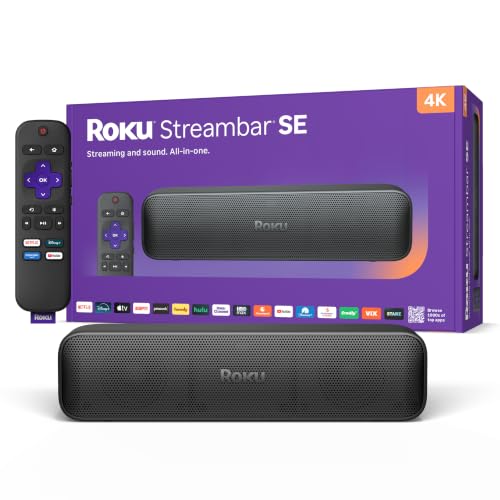
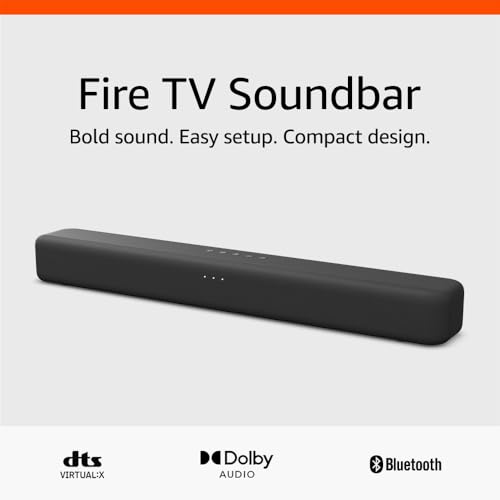
A single bar is the tidiest upgrade, with all drivers in one cabinet and one cable to the TV. Soundbars suit narrow stands, wall mounted sets, and anyone who wants the fewest parts. Stereo spread is limited by cabinet width, but dialogue focus is usually strong. Best for most small and medium rooms.
Powered Speaker Pairs
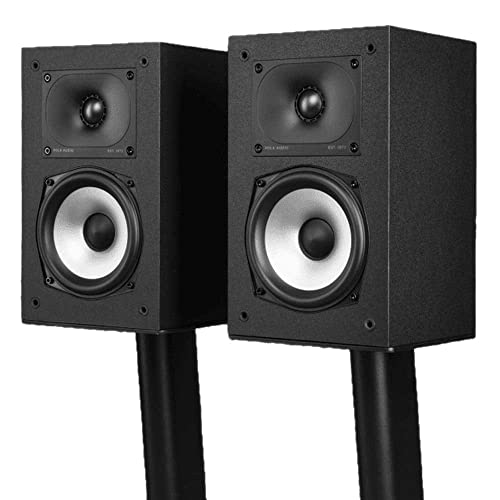
A powered pair places one speaker at each side of the screen, giving wider, more natural stereo for music and films. Setup needs more shelf space and a cable between the pair, and the amplifier usually lives in one cabinet. Best for viewers who also listen to music seriously and can give each speaker a proper spot.
Dialogue Focused Models
Some compact speakers are tuned and shaped purely for speech, with forward facing drivers and strong voice modes. They trade deep bass and wide effects for maximum clarity at modest volume. Best for news, talk shows, and viewers who find modern film mixes hard to follow, especially in bedrooms and smaller living rooms.
How to Make Your Compact TV Speaker Last Longer
- Use quality HDMI cables. A certified cable rated for ARC avoids dropouts and the crackle that cheap cables cause at the port.
- Dust with a soft cloth. A dry microfiber cloth clears grilles without pushing dirt into the drivers or scratching the finish.
- Keep vents clear. Amplifiers in compact cabinets run warm, so leave the maker recommended space around the unit.
- Update firmware when offered. Updates fix ARC handshake bugs with new TVs, which are the most common fault in this category.
- Avoid max volume for long sessions. Small drivers distort near their limit, and distortion is what damages them over time.
- Power down cleanly during storms. A surge protector is cheap insurance for a speaker that stays plugged in all year.
Frequently Asked Questions
Does a compact TV speaker really improve dialogue?
Yes, dialogue improves because the drivers face you and a voice mode can raise speech relative to music and effects. The gain is largest on thin TVs with downward firing speakers. One extra tip is to turn off any surround simulation on the TV itself, because double processing smears voices. Let the new speaker do the sound work alone and the clarity difference is easy to hear.
Do compact TV speakers need HDMI ARC?
No, but HDMI ARC is the most convenient option because the TV remote controls volume through the same cable. Optical works well for sound alone on older sets. What ARC cannot do is fix a TV that outputs delayed audio, so check your TV sound settings for a lip sync adjustment if speech looks out of step. That menu setting solves problems buyers often blame on the speaker.
How long do compact TV speakers last?
A compact TV speaker typically lasts five to ten years with normal use. The electronics and remote usually age out before the drivers do, especially as TV connection standards change. Keeping the original remote safe matters, because universal remotes rarely cover every sound mode. If a model offers app control as a backup, set it up while everything works, so you have a spare control path later.
What size compact TV speaker should I get for my room?
Choose a width close to your TV width for living rooms, and a shorter bar or compact pair for desks and bedrooms. In a small room, clarity at low volume matters more than maximum output. Measure the stand first, then think about sound. A speaker that forces the TV higher or blocks its sensor will annoy you daily, whatever its specifications promise on paper.
Soundbar or speaker pair: which is better for a TV?
A soundbar is better for simplicity, dialogue focus, and tight stands, while a pair is better for wide stereo and music. Pairs need two good placements to shine, and a bad placement erases their advantage. If your stand is narrow or rented and drilling is out, the bar wins by default. If you have shelves at both sides of the screen at ear height, a pair will sound more spacious.
Wrapping Up
Confirm the connection your TV supports, measure the stand with care, and put dialogue clarity ahead of loudness. Those three checks will steer you to a speaker that improves every evening of viewing, not just action scenes. Keep them in mind and the best compact tv speakers for your room will be the ones that fit, connect in minutes, and make voices easy to follow. Compare your finalists in the product table above, and for occasional music in other rooms, our guide to the best compact bluetooth speakers covers portable options.