Best Bathroom Toilets at Every Price: What Your Money Really Gets You for 2026
Disclosure: We may earn a commission when you buy through links on this page, at no extra cost to you. As an Amazon Associate I earn from qualifying purchases. Learn more

A price band guide to the best bathroom toilets, covering rough in fit, flush systems, bowl height, water use and the parts that decide long term value.
Toilet prices run from under two hundred dollars to well past a thousand, yet the first check costs nothing and decides everything. Stated plainly, the rough in class is measured before the toilet class. The rough in is the distance from the finished wall to the center of the floor drain, and a toilet built for a different rough in class does not fit the room at any price. Measure that distance first, then compare best bathroom toilets inside the class your plumbing allows.
Once fit is settled, price bands buy real differences in flush design, bowl washing, seat height choices, and the quality of the parts inside the tank. The product table lines up the picks to compare. The sections after it walk through each band, the features that deserve money, a dedicated look at very small rooms, and the long term costs that separate a cheap purchase from an expensive one.




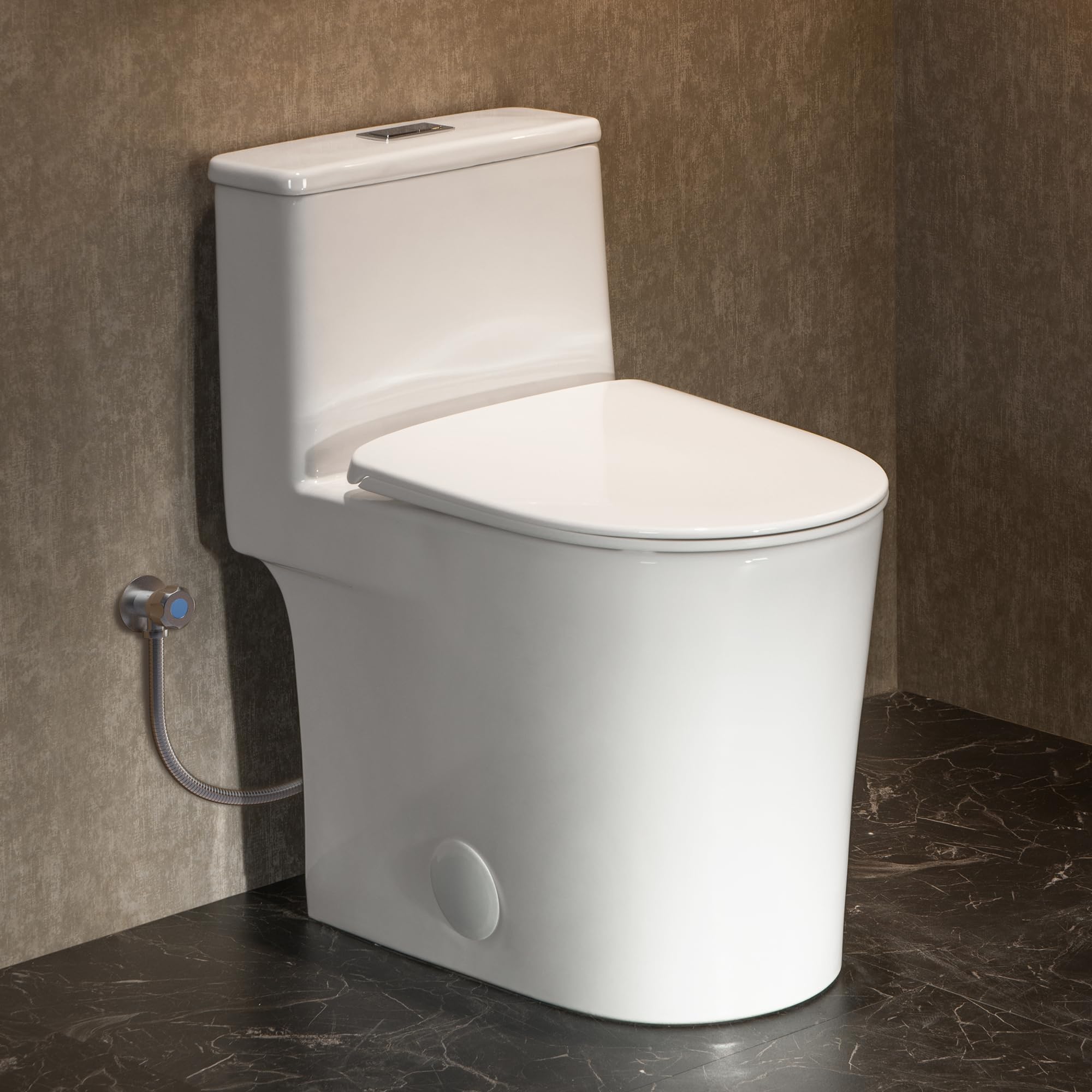

What Your Money Gets You From the Best Bathroom Toilets
Budget Tier: Sound Basics, Plain Finishes
Budget toilets, often about $150 to $250, cover the standard classes well: a gravity flush, a round or elongated bowl, and a basic seat included or sold separately. Glaze quality inside the trapway varies most at this level, and a fully glazed trapway is the budget feature worth hunting for, since a rough passage collects waste and weakens the flush over time. Finishes are plain white, height choices are limited to standard, and replacement parts are usually common. For a rental, a basement room, or a first home, this tier does the core job honestly.
Midrange Tier: Better Flushing and More Choice
Midrange toilets, often about $250 to $450, are where the best bathroom toilets for most home buyers tend to sit. This band adds stronger flush valves, larger trapways, chair height bowls as a common option, and quieter, better fitting seats, often with slow close lids. Bowl wash improves as well, with rim jets arranged to rinse the full bowl instead of only the back.
You also gain style choice, including skirted sides that hide the trapway shape and make floor cleaning faster. The jump from budget to midrange buys daily comfort and cleaning ease more than raw power.
Premium Tier: Design, Quiet, and Added Functions
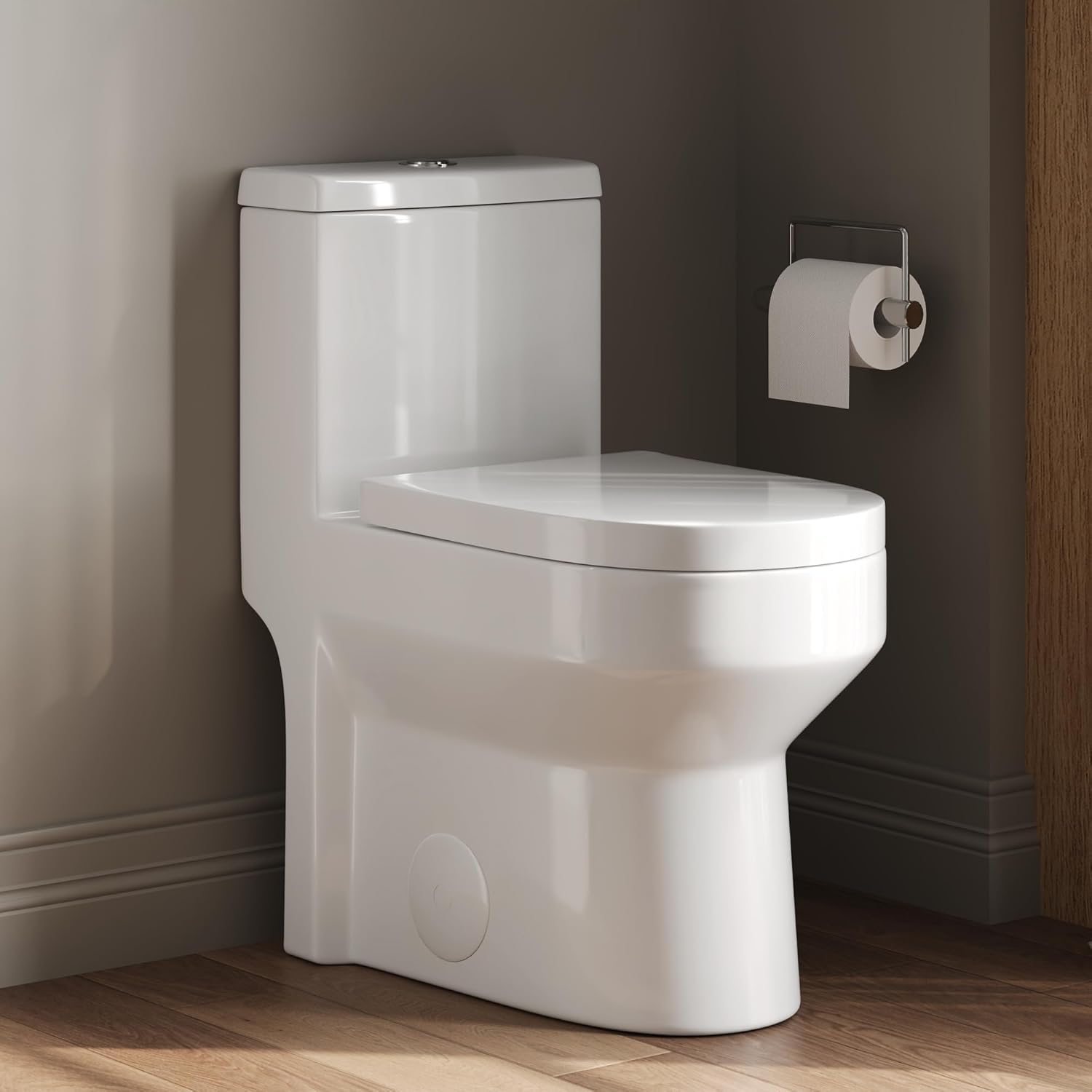
Premium toilets, often about $450 to $900 and above, split into two families. One family sells design: one piece construction, concealed trapways, and compact shapes for styled rooms. The other sells functions: dual flush systems with a genuine partial flush, pressure assist flushing for demanding drains, and seats with washing or warming functions that need a nearby outlet.
Judge each family on its own terms. Paying premium money for a styled toilet that shares its flush system with a midrange model buys appearance only, which is fine when appearance is honestly the goal.
Features Worth Paying For (and Ones to Skip)
Rough In, Bowl Shape, and Room Fit
Standard rough in is 12 inches, with 10 inch and 14 inch classes serving older or unusual plumbing. Beyond the rough in, bowl shape sets how far the toilet reaches into the room: a round bowl saves about two inches of depth against an elongated bowl, which matters in small rooms, while elongated bowls suit most adults better. Wall hung classes free floor space but need a carrier frame inside the wall, which turns a simple swap into a remodel job. Confirm all three fit points before reading any flush claims.
Flush System and Trapway Carry the Honest Read
Flush figures on a box are maker class figures, produced under the maker's own conditions, so treat the printed number as a starting hint rather than a verdict. The valve and trapway classes carry the honest read: a wide flush valve releases water fast, a trapway of about two inches or more passes waste with fewer clogs, and full glazing keeps that passage slick. Dual flush helps water bills only when the partial flush truly clears light waste. A strong gravity system with a generous trapway beats a weak pressure system in most homes.
Height and Everyday Comfort
Standard height bowls sit about 15 inches from floor to rim, while chair height bowls sit about 17 to 19 inches, close to a dining chair. Taller bowls help most adults rise with less effort and suit taller users, while shorter bowls suit children and shorter adults better. The seat adds roughly an inch, so judge the finished height, not the bowl figure alone. Our guide to best comfort height toilets goes deeper on this choice. Comfort here is personal, so households with mixed users often choose chair height for the main room and standard height where children bathe.
Water Use and Certification Marks
Federal rules cap new toilets at just over one and a half gallons per flush, and the WaterSense label marks models using about one and a quarter gallons or less while still meeting flush performance requirements. In a busy household, that difference adds up across thousands of flushes each year. Certification is worth trusting more than a maker claim of high efficiency, because the label rests on independent verification. Very low flush volumes paired with a narrow trapway are the pairing to avoid, since water saved per flush is wasted when a second flush becomes routine.
Construction, Seats, and the Details That Age Well
Most bowls are vitreous china, a glazed ceramic that resists staining and cleans with mild cleaners. One piece construction removes the seam between tank and bowl, which removes a grime trap and a possible leak path, while two piece models cost less and are easier to carry into the room. Seats are easy to overlook and hard to ignore later: a slow close seat with quick release hinges makes cleaning and replacement simple. Metal hinge hardware outlasts thin plastic hardware in daily family use.
Choosing a Toilet for Your Room and Routine
Tiny Bathroom Toilets
Very small rooms need compact classes chosen by measurement, not by eye. A round bowl on a 10 inch rough in can return several inches of knee room, and compact elongated models split the difference for adults in tight spaces. Shoppers comparing best small toilets for small bathroom should check total depth from wall to bowl front above every other figure. A tank that sits close to the wall and a seat that stays clear of the door swing complete the fit.
Basement Rooms and Upflush Situations
Basement bathrooms often sit below the main sewer line, which changes the product class entirely. Macerating and upflush systems pump waste upward and cost more, need power, and ask for more maintenance than a gravity toilet. Where the drain does allow gravity flow, the guidance for best toilets for basement bathroom stresses checking the drain height and slope before choosing. Cold rooms also argue for insulated tank liners, which reduce condensation that can drip onto floors through humid months.
Reading Rankings Without Being Led by Them
One caution belongs in every comparison: a ranking is an opinion in list form, not a measurement of your drain, your water pressure, or your room. Treat pages of best ranked toilets as a way to collect candidate classes, then check each candidate against your rough in, trapway size, and parts availability.
Long Term Costs to Factor In
The purchase price is only the first payment. The parts class is the long term buy, because a toilet itself can serve for decades while its fill valve, flapper, and flush seal wear out in years. Standard parts classes outlive sealed classes: a common fill valve or flapper costs a few dollars at any hardware store, while a sealed proprietary unit can mean a special order or a full replacement.
Add a wax ring or silicone seal, a supply line, and a seat to the install budget, and keep the model paperwork so future parts are matched by class, not by guesswork. Cleaning supplies matter too, and guides to the best for cleaning toilets cover brushes and bowl cleaners that protect glaze rather than scratch it.
Bathroom Toilets: Questions Answered
How do I measure the rough in for a bathroom toilet?
Measure from the finished wall, not the baseboard, to the center of the bolts that hold the current toilet. Most homes read 12 inches, and the common classes are 10, 12, and 14 inches. If baseboards are thick, note their depth as well, since a tank can touch the wall while the base fits. When the reading falls between classes, choose the smaller class and accept a small gap behind the tank.
Does a higher price bathroom toilet always flush better?
No, price buys design and functions as often as it buys power. A midrange gravity model with a wide valve and a trapway of about two inches can outperform a styled premium model that reuses a basic flush system. Compare trapway size, valve width, and glazing before comparing price tags. Homes with older drains should value trapway diameter most, since passing waste cleanly matters more than shaving fractions of a gallon.
Can a bathroom toilet be installed without hiring a plumber?
Many homeowners swap a like for like toilet in an afternoon with a wrench, a putty knife, and a new wax ring. The heavy lifting is literal, since a one piece toilet can weigh over 40 kilograms, so a second person is wise. Hire a plumber when the flange sits below floor level, the floor feels soft around the base, or the shutoff valve leaks. A rocking toilet should never be caulked into silence, because the rock signals a flange or floor problem.
How long should a bathroom toilet last before replacement?
The china body can last 25 years or more, while the working parts inside the tank usually need renewal every 5 to 10 years. Replace the whole toilet when cracks appear in the bowl or tank, when clogs stay frequent after parts renewal, or when a remodel changes the rough in. A toilet that runs on its own between flushes is asking for a valve or flapper first, not a full replacement, so diagnose the cheap parts before buying new china.
Do low water bathroom toilets clean the bowl as well?
Well designed low water models clean the bowl properly, because bowl wash depends on rim jet placement and water speed, not volume alone. Problems arise when a very low volume pairs with poor rim design, leaving streaks that need brushing. Look for models where the certification covers both waste removal and bowl cleaning. In hard water homes, mineral film builds faster on any bowl, so a weekly brush keeps even a strong design honest.
Final Thoughts
Fix the order and the decision gets simple: rough in first, trapway and valve second, height and parts third, style last. The product table above lets you compare those points across the picks without rereading every listing. Most households get the best value from the midrange band, where flushing, comfort, and standard parts meet. Choose best bathroom toilets by that order, and the toilet you install will still be easy to live with and easy to repair many years from now.