Best Compact Cordless Drill in 2026: Buying Guide
Disclosure: We may earn a commission when you buy through links on this page, at no extra cost to you. As an Amazon Associate I earn from qualifying purchases. Learn more
Tight cabinets and overhead work favor small tools: what to check when choosing the best compact cordless drill.
A full size drill can feel clumsy inside a cabinet, between joists, or above your head, and that awkward reach is often why holes drift and screws cam out. A best compact cordless drill solves that problem with a shorter head, a lighter body, and controls you can work with one hand. The trade off is less raw power, so choosing well means matching size to your work.
This guide compares compact drill types by power, battery platform and runtime, and weight, without ranking specific models. Use the product table to narrow your options, then read on for the details behind each spec. For a broader view, see our guide to the best cordless drill.




Compact Drill Types Compared
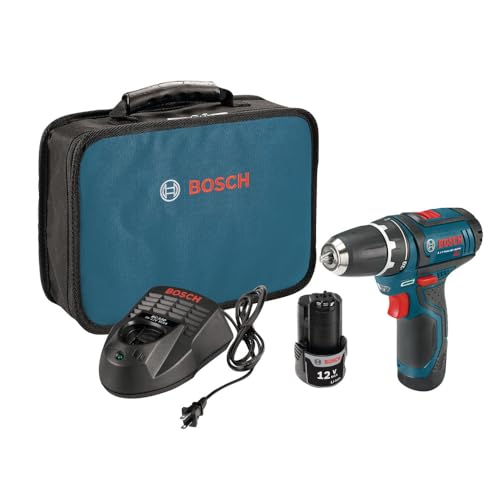
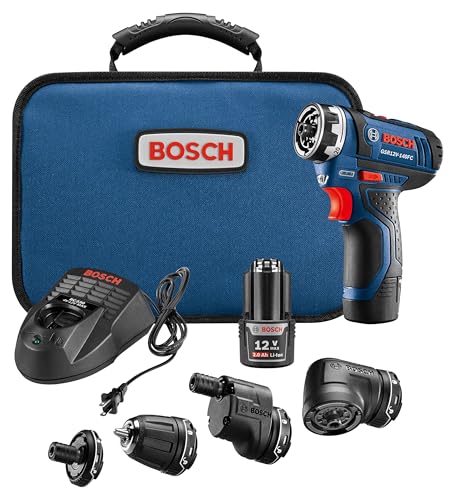
Compact drills fall into a few clear groups, and the group matters more than any single spec. A small 12 volt model suits flat pack furniture and light repairs, while an 18 volt or 20 volt max model handles deck hardware and larger holes in framing lumber. Voltage names vary by brand, so compare torque, speed, and head length alongside the number on the battery.
Standard Compact Drill Drivers
This is the most common type, built for drilling small to medium holes and driving screws in wood, plastic, and light metal. Most have a two speed gearbox and an adjustable clutch, which covers the great majority of home tasks. If your work is mostly repairs, shelves, and assembly, this type gives the best balance of size, price, and ability.
Brushless Compact Models
Brushless motors use electronic control instead of carbon brushes, so they run cooler, waste less battery energy, and usually last longer before service. In a compact body that efficiency matters, because a smaller battery has less reserve to waste. These models cost more, but they deliver stronger torque for their size. Choose this type if you drill often or work in studs and hardwoods regularly.
Hammer Function Compact Models
Some compact drills add a hammer mode that pulses the bit forward as it turns, which helps in brick, block, and light masonry. That feature adds a little weight and length, so it is worth having only if you drill into masonry now and then. For anchors in brick, read our guide to the best hammer cordless drill, because a compact hammer drill is not a substitute for a rotary hammer in thick concrete.
Compact Drill or Impact Driver
These tools look similar but do different jobs. A drill driver turns with steady torque and a clutch that protects small screws and soft materials. An impact driver adds sharp rotational blows that drive long screws with less wrist strain, but it has no clutch and can snap small fasteners. Our explainer on drill vs impact driver walks through which tool fits each task.
Who Should Buy a Compact Cordless Drill
Homeowners Handling Everyday Repairs
If your list is curtain rods, door hardware, flat pack furniture, and shelf brackets, a compact drill is likely all you need. It stores in a drawer or small toolbox and is easy to grab for a two minute job. Shoppers in this group should also read our guide to the best cordless drill for home use, because a kit with two batteries often matters more than extra torque.
Renters and Apartment Dwellers
Space is tight in most apartments, and storage often decides what you keep. A compact drill takes up little room and covers picture hanging, furniture assembly, and minor fixture swaps. Renters should favor precise low speed control and a good clutch, since control matters more than power near finished walls, tile, and fixtures you must leave undamaged.
People Who Work Overhead or in Tight Spaces
Cabinet installers, electricians, and keen renovators often drill inside boxes, above ceilings, and between studs where a long drill will not fit. For this group, head length is the deciding spec. A shorter head plus a light battery reduces arm fatigue during overhead work, and a belt hook stops repeated trips down the ladder.
Key Features to Compare
Head Length, Size, and Weight
Head length tells you whether the drill will fit between studs, inside cabinets, and behind appliances, so check it before you buy. Most compact models measure roughly 6 to 8 inches from chuck to rear housing. Weight matters just as much, and the battery often adds a third or more of the total. A tool that weighs about 2 to 3 pounds with its battery feels easy overhead.
Torque and Speed Settings
Torque is the turning force, often listed in inch pounds, and it decides how large a hole or screw the drill can handle without stalling. Compact models commonly offer about 300 to 600 inch pounds, plenty for home work and light trade use. Two speed ranges help you adapt, with a low range for driving and a high range for fast small holes. Smooth low speed control matters most, because that is what starts screws cleanly.
Battery Platform and Runtime
Your battery platform is a long term commitment, since chargers and packs rarely work across brands. If you already own cordless tools, staying on that platform usually saves the most money. Runtime depends on pack capacity in amp hours, the material you drill, and how hard you push. A kit with two packs lets you work while one charges, and a fast charger keeps a weekend project moving.
Chuck and Clutch Settings
Most compact drills use a 3/8 inch or 1/2 inch keyless chuck that you tighten by hand. A metal chuck grips bits more firmly and survives drops better than a plastic one. The clutch is the numbered ring behind the chuck, and it slips at a set torque so you do not sink screws too deep or snap them. More clutch steps give finer control in soft pine and flat pack panels that split easily.
Ergonomics, Grip, and Light
A compact drill earns its keep in awkward positions, so grip shape and balance matter as much as power. Look for a handle that fills your palm without forcing your fingers wide and a trigger you can feather with one finger. A small LED at the base lights the work inside cabinets and closets, and often decides whether a screw lands straight when you cannot fit a separate lamp.
How to Choose the Right Compact Drill
Match the Drill to Your Materials
Start with the hardest material you drill often, not the hardest you might meet once. Wood and drywall ask little of a compact drill, sheet metal asks for sharp bits and steady speed, and masonry asks for a hammer mode. If concrete anchors are a rare job, renting a rotary hammer for that day is cheaper than carrying extra weight on every other task.
Cordless or Corded for Small Work
Corded drills cost less and never run flat, but the cord limits reach and snags on ladders and cabinet edges. For a compact drill bought mainly for access and convenience, cordless is the point of the tool. Choose corded only if you drill at one bench all day. Most home users gain more from a second battery than from a cord.
Accessories and Warranty That Matter
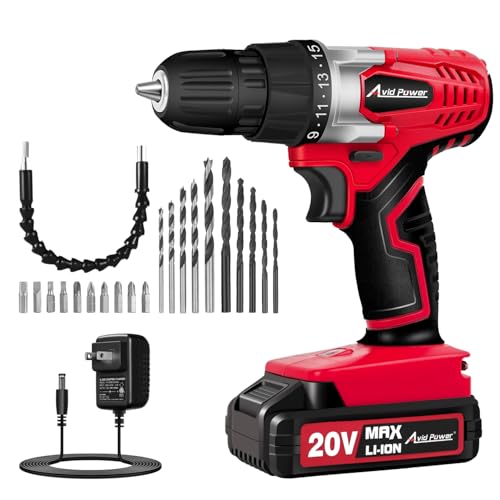
A useful kit includes two batteries, a charger, and a case that keeps bits from vanishing into a drawer. A basic bit set with Phillips, square, and hex drivers covers most home fasteners, and a few good bits beat a huge set of poor ones. Skip giant accessory bundles you will never open. On warranty, look for a clear policy on batteries, since packs are often covered for a shorter term than the drill.
How Much Should You Spend
Expect to pay about $50 to $100 for an entry level kit for light home use, and our guide to the best budget cordless drill explains what those kits give up. Spending about $100 to $200 usually buys a brushless motor, a metal chuck, and stronger batteries. For most homes, that middle range offers the best value per year of use.
Compact Drills Compared With Full Size Drills
The gains are clear. A compact drill fits in smaller gaps, weighs less, and is easier to control with one hand, The losses are just as clear. It will stall sooner on large hole saws and auger bits, and its smaller batteries run down faster under heavy load.
If about eight of your ten typical jobs are light to medium tasks, a compact drill covers your needs and a full size model would mostly add bulk. If you regularly bore large holes in framing, keep a larger drill as your main tool and use the compact model inside furniture and finished rooms.
Common Mistakes to Avoid
- Buying on voltage alone, which ignores torque, gearing, and head length that decide real performance.
- Choosing the smallest model available, then stalling it on hole saws it was never built to turn.
- Ignoring your existing battery platform, which can double your long term cost in packs and chargers.
- Driving screws on the drill setting instead of the clutch, which sinks heads through soft panels.
- Using dull or wrong bits, which makes a capable drill look weak and overheats the motor.
- Skipping the second battery, which leaves you waiting on a charger mid job.
Care and Maintenance
Wipe dust from the housing and vents after dusty work, because packed vents trap heat and shorten motor life. Store batteries indoors at a moderate charge rather than fully flat. Check the chuck jaws now and then for grit. Our guide on how to use a cordless drill covers safe handling habits that also reduce wear.
A pack that swells, cracks, or gets hot while charging should be retired and recycled through a local battery program, never thrown in household trash. If the drill smells of hot insulation or loses power under a light load, stop using it and seek service.
FAQ
Are compact cordless drills strong enough for deck work?
For railings, deck boards, and hardware, yes, most mid range compact drills drive typical deck screws without drama. The limit appears with long structural screws and large lag bolts, where a bigger drill or an impact driver finishes faster with less motor heat. For a one time build, a compact drill plus patience works. If you build decks often, use it as a second drill for predrilling.
What size chuck should a compact cordless drill have?
A 1/2 inch chuck accepts a wider range of bits, including larger shanks and many hole saw arbors, so it suits owners who want one drill for varied jobs. A 3/8 inch chuck keeps the head shorter and lighter, which helps inside cabinets. Check the bits you already own before choosing, because a smaller chuck can rule out accessories you use often.
Can a compact cordless drill mix paint or thinset?
Small cans of paint, yes, with a paddle attachment on low speed and short bursts so the motor stays cool. Thinset and joint compound are far thicker and can overload a compact motor quickly, causing heat buildup and early wear. Rental mixing drills exist for that job and cost little for a day. Keep the paddle small and stop if the motor slows sharply.
How long do compact cordless drill batteries last before replacement?
Most lithium packs serve well for about three to five years of home use, with gradual loss of runtime rather than a sudden stop. Heat is the main enemy, so packs left in a hot car age faster. A clear sign of decline is a pack that once finished a project now needing a swap halfway through the same work.
Is a compact cordless drill a good gift for a new homeowner?
Yes, because it covers the tasks new owners face in the first months, from furniture assembly to curtain rods and loose hardware. Choose a kit rather than a bare tool, since a gift without a battery and charger cannot be used on day one. A middle range brushless kit avoids both the weakest entry models and pro pricing. Add a small bit set to complete it.
Final Thoughts
The right choice fits your spaces, your materials, and the battery platform you plan to keep. Compare the product table against the features that matter, favor control and head length over headline voltage, and leave room for bits and a second pack. Chosen that way, the best compact cordless drill will be the tool you reach for .