
Best Compact Mixers at Every Price: What Your Money Really Gets You
Disclosure: We may earn a commission when you buy through links on this page, at no extra cost to you. As an Amazon Associate I earn from qualifying purchases. Learn more

Best compact mixers at every price: what budget, midrange and premium hand and stand mixers add in torque, bowl size and warranty.
Compact mixers span a surprisingly wide price range, from simple handheld models that cost less than a bag of groceries to small stand mixers that rival full size machines. Knowing where the money actually goes keeps you from paying for power you will never use or, worse, saving a little on a machine that stalls on your favorite dough. This guide to the best compact mixers breaks down each price tier, the features worth funding, and the extras you can skip, and the comparison table below lists the key specifications side by side.
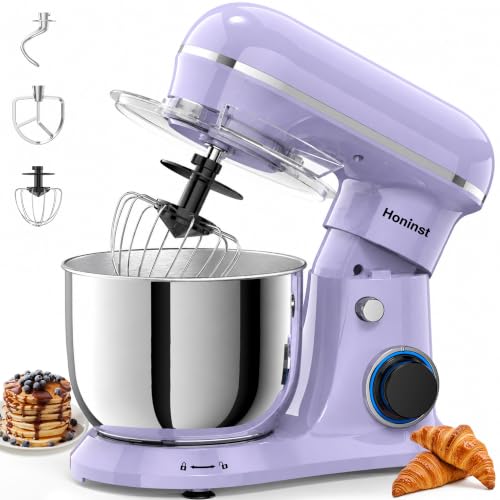


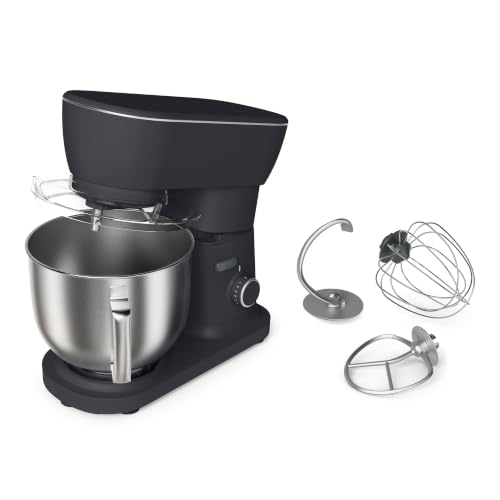
Price Tiers at a Glance
Read the three tiers below as shopping profiles rather than product names. Find the profile that matches how often you bake and what you mix, then check individual models against it in the product table above.
The Budget Tier Profile
Budget compact mixers, usually handheld models around $30 to $80 or very small stand models near $100, suit occasional bakers who mix batters, whip cream, and prepare frosting a few times a month. Expect plastic bodies, modest motors, and two or three attachments. The limitation is torque: thick cookie dough and bread dough will strain these machines, and continuous use heats them quickly. If your baking is light and your counter space is tight, this tier does the job and stores in a drawer or a small cabinet.
The Midrange Tier Profile
Midrange models, around $100 to $250, are where compact stand mixers become genuinely capable. You get stronger motors, metal gears in better designs, larger bowls for their footprint, and speeds that start slow enough to avoid flour clouds. This tier suits weekly bakers, small households, and anyone who makes pizza dough or enriched doughs regularly. The compromise is weight and storage: these machines earn a permanent counter spot. For most buyers this is the tier where satisfaction per dollar peaks.
The Premium Tier Profile
Premium compact mixers, around $250 to $450, buy durability and refinement rather than a new category of cooking. Expect quieter motors, better speed control at low settings, sturdier bodies, and wider attachment ecosystems for pasta, grinding, and more. They suit passionate bakers in small kitchens who would buy a full size machine if space allowed. The honest limitation is capacity: even the best compact bowl handles smaller batches than a large stand mixer, so frequent double batches still argue for a bigger machine.
What Your Money Gets You at Each Price Tier
The same three tiers look different when you compare features instead of users. This section shows exactly what improves as you spend more, and where spending stops helping.
Budget Tier: What to Expect
At the budget level, motors are rated for light mixtures and short sessions, speed ranges are simple, and bowls, when included, are small and sometimes plastic. Attachments usually cover beaters and sometimes dough hooks of basic quality. What you should not sacrifice even here is a slow first speed and a stable base or comfortable grip, because those decide whether the machine feels controlled or chaotic. Budget machines also reward gentle use: add flour gradually and let the motor rest between batches, and a cheap mixer can serve for years.
Midrange Tier: The Sweet Spot for Most Buyers
Midrange money buys the upgrades you feel daily: stronger and quieter motors, metal drive components, bowls around 3 to 5 quarts that still fit small counters, and speed settings that include a true slow stir. Planetary mixing action, where the beater moves around the bowl, appears here and removes the need to stop and scrape constantly. If you are comparing this tier with full size machines, our guide to the best stand mixers shows what the extra size and money add, and what they do not.
Premium Tier: When Spending More Pays Off
Premium compact models justify their price through longevity and control. Soft start motors protect both the mixture and the machine, electronic speed sensing holds pace under load, and fit and finish improve, with tighter tolerances and better materials. Warranty length often grows too, which matters on a machine you expect to keep for a decade. Spending more stops paying off when the extras are attachments you will never buy or finishes that only change appearance. Pay for the motor, the bowl, and the warranty first.
Features Worth Paying For, and Ones to Skip
Not every feature deserves your money. The checks below separate the ones that change results from the ones that only change the brochure, including the best compact mixers detail most buyers overlook: how the machine behaves at its slowest speed.
Ease of Use and Setup
A compact mixer should be quick to set up and simple to clean, or you will reach for a spoon instead. Look for attachments that click in and release with one hand, a bowl that locks without force, and controls you can operate with floury fingers. Handheld models should rest flat or stand securely between additions. Dishwasher safe attachments save real time, but check whether that claim covers the beaters only or the bowl as well. Simple designs with fewer crevices also dry faster and resist odors.
Intended Use and Who It Is For
Match the machine to your heaviest regular task, not your lightest. Whipping cream and mixing cake batter ask little of a motor, while bread dough, stiff cookie dough, and large frosting batches ask a lot. If dough is a weekly habit, prioritize torque and a stand design; a handheld will frustrate you. Our guide to the best handheld mixers explains where handheld models shine and where they reach their limits. Occasional bakers can safely choose convenience and storage size over raw strength.
Measuring for Size and Portability
Measure the space under your cabinets before anything else, because many kitchens have only about 17 to 18 inches of clearance and a stand mixer with its head tilted open needs more room than its storage height suggests. Measure depth as well, including space for the cord and for sliding the machine forward to use it. Weight matters if you store the mixer in a cabinet: a model near 20 lb is manageable for some people and a daily annoyance for others. Write the three numbers down and take them shopping.
Size, Weight, and Fit for Your Space
Capacity should match your household, not your imagination. A 3 to 5 quart bowl covers most small household baking, from a dozen muffins to a single loaf. Oversized bowls in compact bodies often mix small amounts poorly, because the beater cannot reach a single egg white or a small amount of cream. Think about storage shape too: a tall narrow machine may fit a pantry shelf better than a wide one. Finally, check that replacement bowls and attachments are easy to find for the design you choose.
Long Term Costs to Factor In
The purchase price is only the start. Attachments such as extra bowls, splash guards, and specialist beaters can add around $20 to $80 over time, and premium attachment ecosystems cost more per piece. Electricity use is minor, but replacement beaters and worn gears are not free, and out of warranty repairs on cheap machines often approach the price of a new one. A longer warranty therefore has real cash value. Storage accessories, such as a cover or a sliding mat for heavy models, also deserve a line in your budget. One clarification while you compare categories: liquid drink ingredients are a different topic entirely, covered in our guide to the best drink mixers, and they have no bearing on choosing a baking machine.
Frequently Asked Questions
How do I maintain a compact mixer?
Wipe the body after each use, wash attachments promptly so batter does not harden in crevices, and check the cord and vents every few months. Let a hard worked motor cool before the next batch, and store the machine dry with the cord loosely coiled. One point many owners miss is the head lock and hinge area on stand models: flour dust collects there and can stiffen the mechanism, so brush it out regularly rather than forcing the head down.
Are expensive compact mixers worth it?
They are worth it if you bake weekly, work with dough, and plan to keep the machine for many years, because stronger motors, better low speed control, and longer warranties repay the difference. They are not worth it for occasional batter and frosting, where a midrange or budget model performs the same tasks. Consider cost per year rather than cost per purchase: a premium machine used for a decade often works out cheaper than two budget machines replaced in the same period.
What features matter most when buying compact mixers?
Motor strength for your heaviest dough, a genuine slow speed, and a bowl size that matches your usual batch matter most. After those come build quality, warranty length, and attachments you will actually use. A detail worth checking in store or in specifications is how the mixer handles small quantities, because compact bowls vary widely there. If you regularly whip two egg whites or a small amount of cream, that check matters more than top speed.
How long does a compact mixer last?
A midrange or premium compact mixer commonly lasts seven to ten years or more with normal home use, while budget handheld models often last three to five years. Lifespan depends mostly on load: repeated heavy dough shortens motor life on any tier. You can extend it by respecting batch limits and letting the motor rest. A useful warning sign is a burning smell or speed that fades under load, which means stop, cool the machine, and reduce the batch next time.
How much should I spend on a compact mixer?
Spend around $30 to $80 for light handheld use, around $100 to $250 for a capable compact stand mixer for weekly baking, and more only if durability and attachment options matter to you. Set the figure after listing your three most common recipes and checking the heaviest one against motor guidance. Also leave a little room in the budget for a second bowl if you bake in stages, because that single accessory changes how smoothly a baking session flows.
Final Thoughts
Decide by dough, space, and budget, in that order. Measure your cabinet clearance, be honest about your heaviest recipe, and choose the tier that handles it without strain. With those checks done, the best compact mixers choice becomes straightforward. Compare the models in the product table above on bowl size, weight, and warranty, and remember that the right compact machine is the one that fits your kitchen and your habits, not the one with the longest feature list.


