
Best Compact Elliptical under $500 for Every Need: How to Pick the Right One for 2026
Disclosure: We may earn a commission when you buy through links on this page, at no extra cost to you. As an Amazon Associate I earn from qualifying purchases. Learn more

Use this buying guide for the best compact elliptical under $500 to compare stride, resistance, size, and warranty by how you plan to train at home.
There is no single compact elliptical that suits every home, every body, and every training habit. A machine that feels perfect for gentle morning sessions in a studio apartment can feel cramped and unstable for a taller person training five days a week.
This guide starts with how you will actually use the machine, then walks through size, resistance, and console choices. You will find best compact elliptical under $500 options easier to judge once your own priorities are clear, and the product table pulls current models into one place.


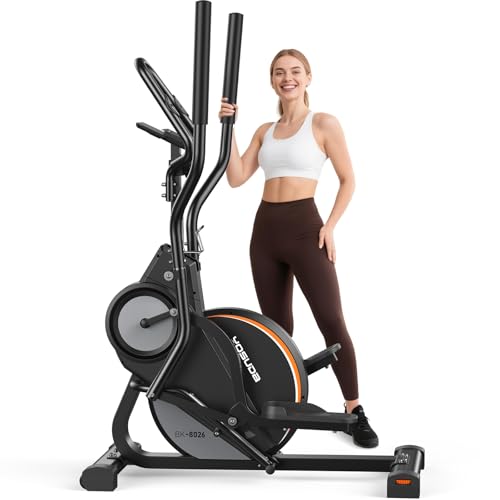
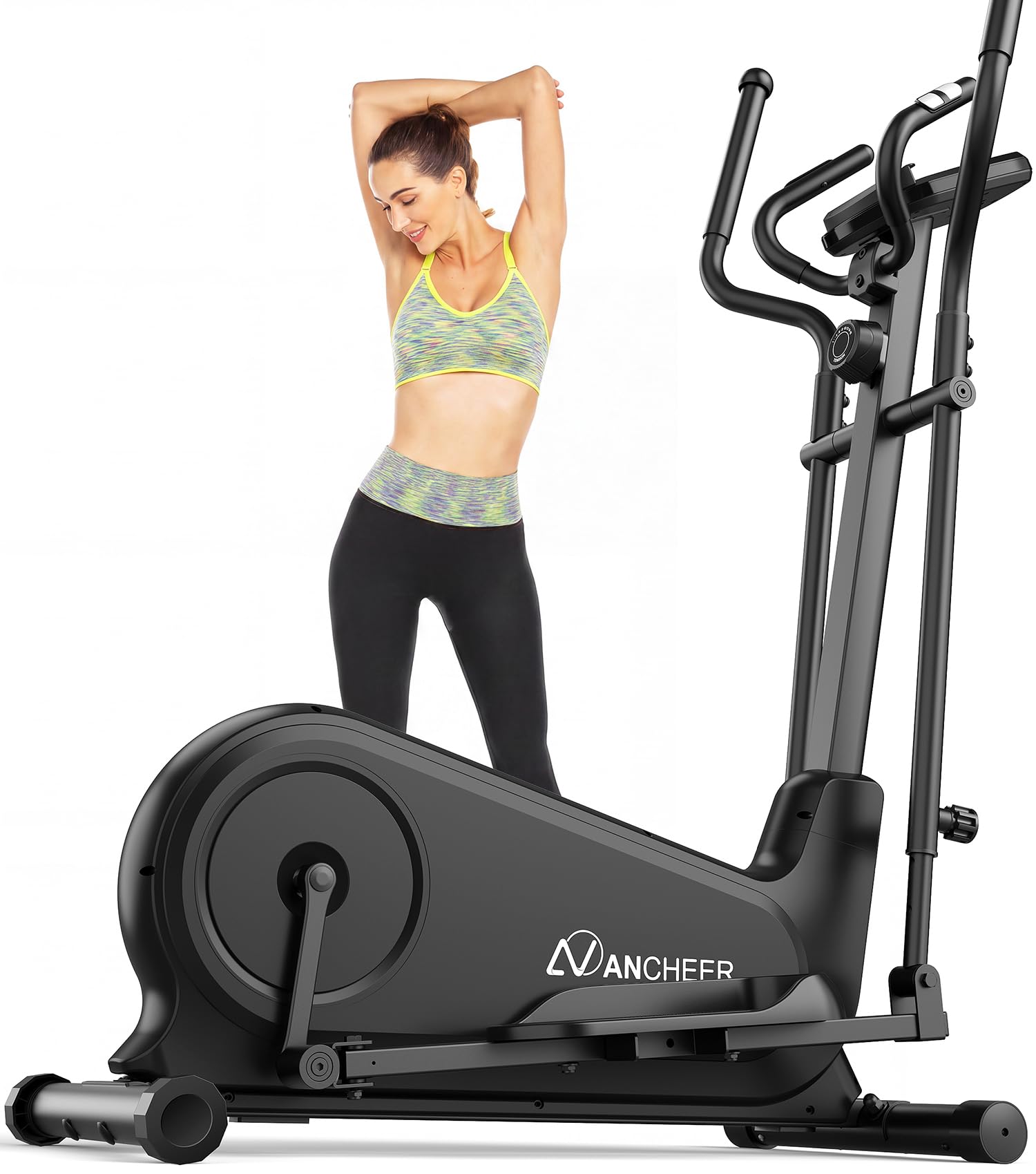
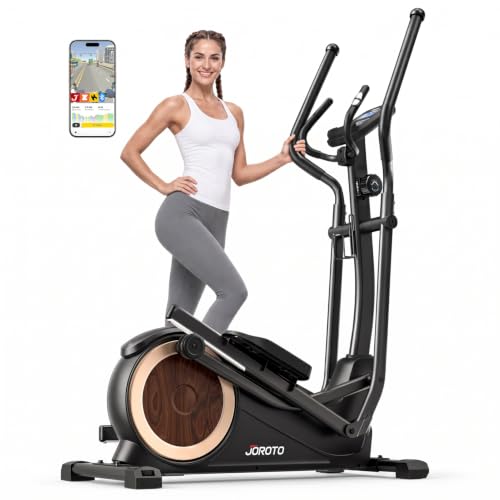


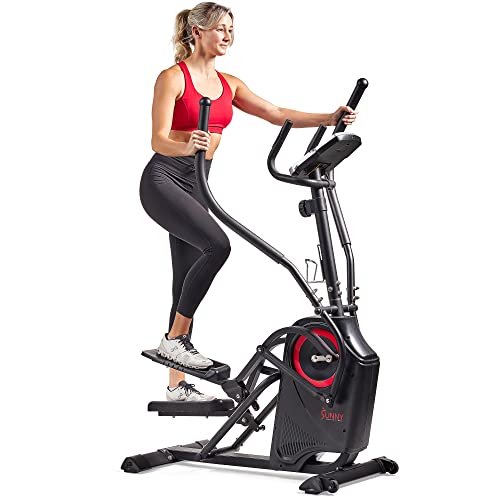
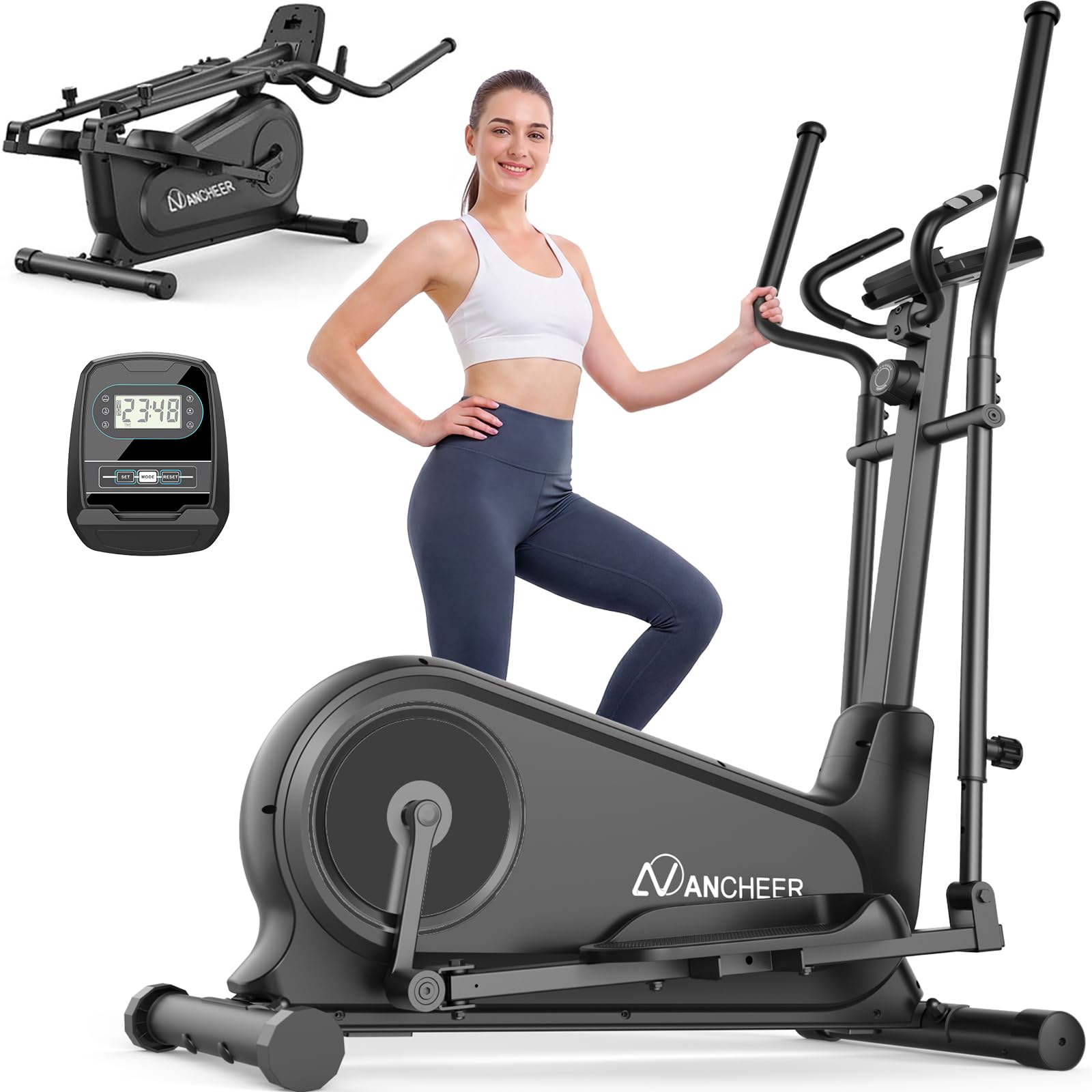

Who Should Buy Which Compact Ellipticals?
Start by placing yourself in one group below. Your group decides which trade offs are smart and which ones will annoy you within a month. Compact designs always give up something, so the goal is to give up what you value least.
For Small Spaces and Easy Storage
If your machine will live in a bedroom corner or slide into a closet, footprint and weight matter more than a large console. Look for a short frame, transport wheels, and a design that moves without scraping the floor. Measure the stored position as well as the working position, because pedals and arms often extend beyond the base. A lighter frame is easier to move, but check that the weight capacity still leaves a comfortable margin above your body weight.
For Frequent or Serious Users
If you plan to train four or more times a week, put durability first. A steel frame, a heavier flywheel, and smooth magnetic resistance will feel steadier and usually last longer than the lightest designs. Look for a longer warranty on the frame and parts, and check that replacement parts are easy to order. You may also want a longer stride and more resistance levels, since you will outgrow a very short stride or a low top level within a few months of steady progress.
For Weekend Beginners
If you are building a habit and plan two or three shorter sessions a week, ease of use beats advanced features. Clear controls, a simple display, and quiet pedaling help you start without fuss. You do not need dozens of programs or a large screen.
Spend instead on stable construction, comfortable pedal spacing, and a stride that does not force you into short, choppy steps. A modest machine you use often will do more for your fitness than a complex one you avoid.
Picking the Right Compact Ellipticals for Different Uses
Daily walkers, people returning to exercise after a break, and cross training athletes all ask different things from the same small machine. Daily users need comfort and quiet operation. People rebuilding fitness need low starting resistance and stable handles to hold.
Athletes using the elliptical on recovery days need enough top end resistance to feel challenged without joint strain. Match the machine to your most common session, not your most ambitious one.
If You Are Shopping at the Lower End
At the lower end of this budget, expect trade offs to be sharper. Prioritize a solid frame and a weight capacity with real margin, because saving money on structure is a false economy. Accept a basic console and fewer resistance levels, and check the stride carefully, since very short strides suit shorter users best. If you are tall or plan daily use, stretching the budget often buys a noticeably better fit.
Key Features to Compare
What You Can Realistically Get Under $500
Around $300 to $500 usually buys magnetic resistance, a steel frame, a useful range of resistance levels, and a console that tracks time, distance, and heart rate through handle sensors. What you usually give up is a long stride, an adjustable incline, and the heavy build of commercial grade models. Do not skimp on weight capacity or frame stability to pay for a bigger screen. Bluetooth may appear at the top of this range, but app support varies, so confirm that the app works with your phone before you value it highly.
Space, Footprint, and Ceiling Height
Measure your room before you shop, not after the box arrives. Write down the length and width of the floor area, then add about two feet behind the machine and about one foot on each side for safe mounting and balance. Ceiling height matters too, because your head rises above the pedals at the top of the motion.
A practical check is to take your height, add about 15 inches for pedal height and upward travel, and compare that total with your ceiling. Low basement ceilings catch many buyers out.
Resistance Type and Range
Magnetic resistance is the most common type in this class and for good reason. It is quiet, smooth, and needs little maintenance because the magnets never touch the flywheel. Manual systems use a knob, while motorized systems change levels from the console and work with built in programs.
Look at the number of resistance levels and, more importantly, how the steps feel. Small, even steps help you find a comfortable working level, while a few large jumps can leave you stuck between too easy and too hard.
Measuring for Size and Portability
Check three numbers on every listing: the full footprint in use, the weight of the machine itself, and the stride length. A stride of about 14 to 16 inches suits many shorter and average height users, while taller users often need more. Then picture moving the machine through your actual doors and hallways.
Transport wheels help only if the machine tilts easily and clears your door frames. If you will move it daily, a lighter model you can handle alone beats a heavier one that needs two people.
As you compare sizes, it can help to see how full size value models differ, so see our guide to the best elliptical under $500 for the space and stride trade offs at this same budget.
Console, Programs, and App Connectivity
A good console shows the basics clearly in large numbers and lets you change resistance without breaking your rhythm. Built in programs add variety by varying resistance for you, which helps on days when motivation is low. Bluetooth links some models to fitness apps that record your sessions and set goals. Check two things before you pay extra for connectivity: whether the app needs a paid subscription after a trial, and whether your phone or tablet has a stable place to sit on the console while you train.
Common Mistakes to Avoid When Buying Compact Ellipticals
- Shopping on price alone and ignoring weight capacity, which leads to wobble, noise, and faster wear.
- Skipping the ceiling height check, then finding your head nearly touches the ceiling at the top of each stride.
- Choosing the smallest footprint without checking stride length against your height and natural step.
- Paying for app features before confirming the app supports your phone and does not require a costly subscription.
- Ignoring the warranty terms, especially short parts coverage on a machine you plan to use daily.
One more check costs nothing: read the assembly requirements before you order. If you are also weighing trainer style designs, see our guide to the best elliptical trainer under $500 for how those models differ in handles and motion.
Tips to Get the Most From Your Compact Elliptical
Place the machine on a mat to protect floors and reduce noise, especially on hard surfaces or in upstairs rooms. Wipe down the handles, console, and rails after each workout, because sweat corrodes metal and electronics over time. Tighten bolts monthly, since small machines work loose faster than heavy ones.
Start each session with a few easy minutes, and keep one session a week deliberately gentle so the habit stays sustainable. If pain in a knee, hip, or back persists beyond normal muscle soreness, stop and talk with a clinician about your form and whether this exercise suits you.
If your budget later grows, see our guide to the best compact elliptical under 1000 to judge which upgrades are actually worth paying for. If it shrinks, see our guide to the best compact elliptical under 300 for what to protect at a lower price.
FAQs
Can you get a good compact elliptical under $500?
Yes, you can get a genuinely good machine at this price if your expectations match the class. Expect smooth magnetic resistance, a stable frame for moderate use, and a basic console. What you should not expect is a long stride for very tall users or a heavy commercial build. Buyers who train daily and weigh near the capacity limit will be happier spending toward the top of the range.
Is a subscription required for a compact elliptical?
No, a subscription is not required to use the machine itself. Resistance, manual mode, and built in programs work without one on most models. A subscription only unlocks extra app content such as coached classes and advanced tracking. Before you buy a connected model, check what remains free after any trial ends, because the ongoing monthly cost can exceed the price gap between a basic and a connected machine within a year.
Is a compact elliptical quiet enough for an apartment?
Most magnetic models are quiet enough for apartment use during reasonable hours. The drive itself makes little sound, and most noise comes from loose bolts, a worn belt, or vibration through the floor. A thick mat under the machine cuts floor vibration a lot. Training early in the morning on a floor above a neighbor still calls for courtesy, so agree on sensible times if your building carries sound easily.
Which compact elliptical is better for beginners?
A model with low starting resistance, stable fixed handles alongside the moving arms, and simple controls is better for beginners. You want to step on, start pedaling, and adjust resistance with one clear control. Very short strides can feel awkward while you learn the motion, so beginners of average height or taller should favor the longer stride options in this class even if the frame is a little larger.
How long does a compact elliptical under $500 last?
With regular care, many machines in this class last several years of home use. Lifespan depends mostly on how often you train, how close you are to the weight capacity, and whether you tighten bolts and keep the rails clean. Frame warranties in this range often run longer than parts warranties, so note both numbers. A machine used gently by one person usually outlasts the same model shared daily by a household.
How much space does a compact elliptical need?
Check the listing for the exact length and width, plus clearance around the machine. Add about two feet behind for safe mounting and about a foot on each side. Also confirm your ceiling gives you headroom at the top of the pedal motion. If space is truly tight, measure the stored footprint too, and check whether the arms can stay attached while stored.
Wrapping Up
Choose by use first: storage and size for small rooms, frame strength and warranty for frequent training, and simple controls for new habits. Then confirm stride length against your height and ceiling clearance against your room. The product table above pulls those specs together so you can compare quickly. For most homes, the best compact elliptical under $500 is the one whose stride fits your body and whose footprint fits your room, bought without paying for app features you will not use.


