Best Commercial Outdoor Grills: Complete Buying Guide for 2026
Disclosure: We may earn a commission when you buy through links on this page, at no extra cost to you. As an Amazon Associate I earn from qualifying purchases. Learn more

A buying guide to the best commercial outdoor grills: fuel types, cooking area, heat output, build quality and cleanup for busy outdoor service.
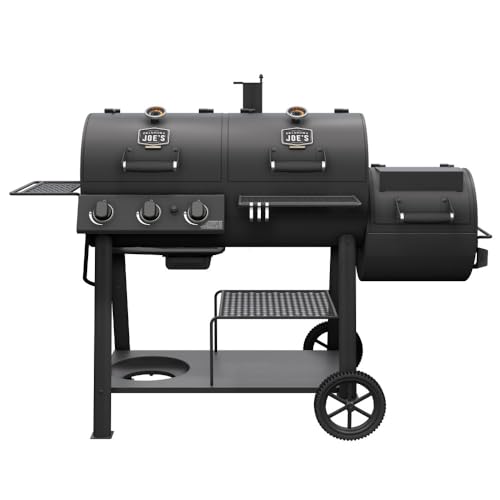
Cooking outdoors for paying guests is very different from grilling for your family on a Sunday. You need steady heat across a large surface, parts that survive daily use, and cleanup that does not eat into your labor budget. The best commercial outdoor grills are built for that workload, with thicker steel, stronger burners, and far more cooking area than a typical backyard unit.
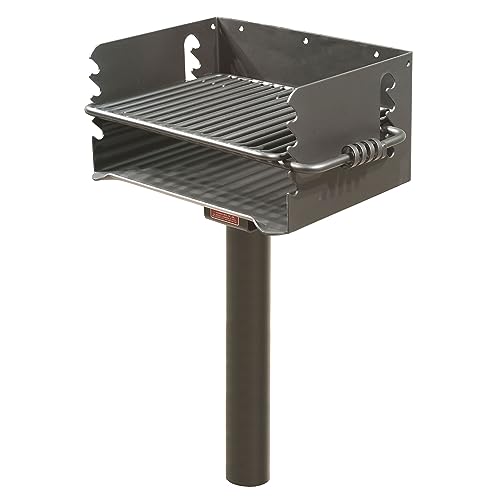
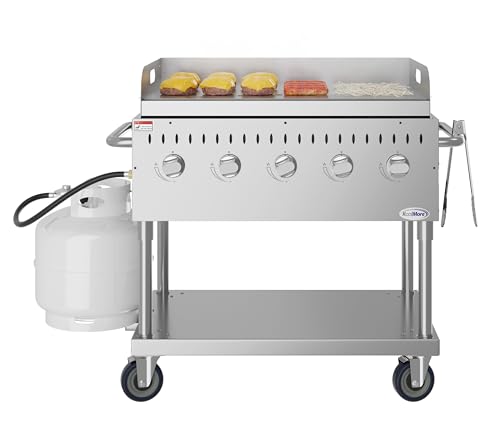
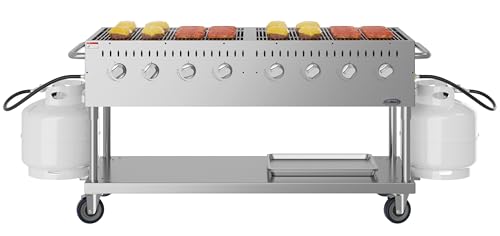
This guide walks you through the decisions that matter most, from fuel choice and heat output to grease control and warranty cover. Use the comparison table below to line up sizes and core specs side by side, then read on for the detail behind each number.

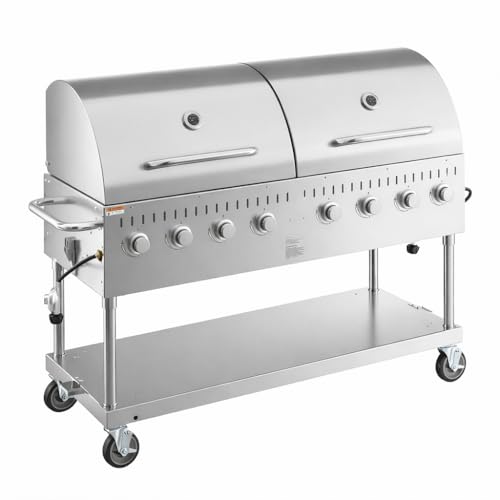
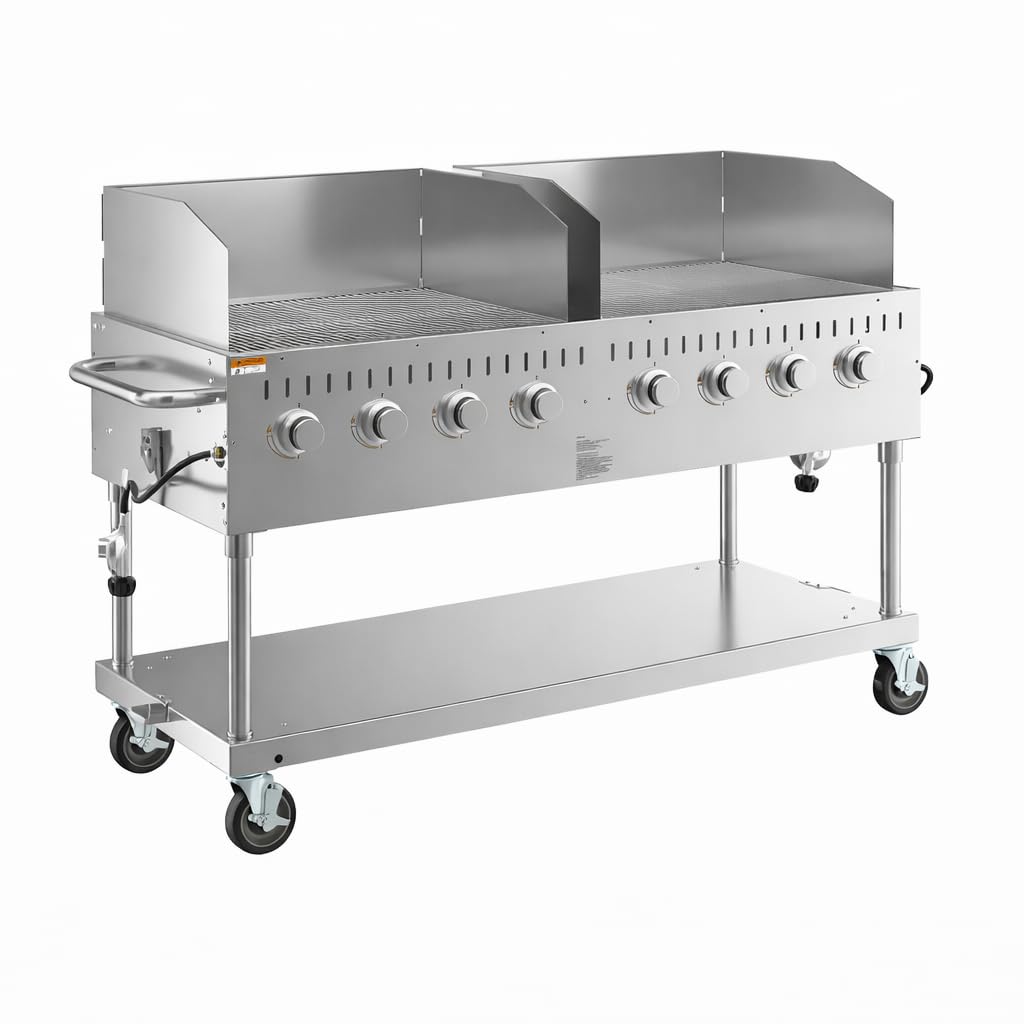
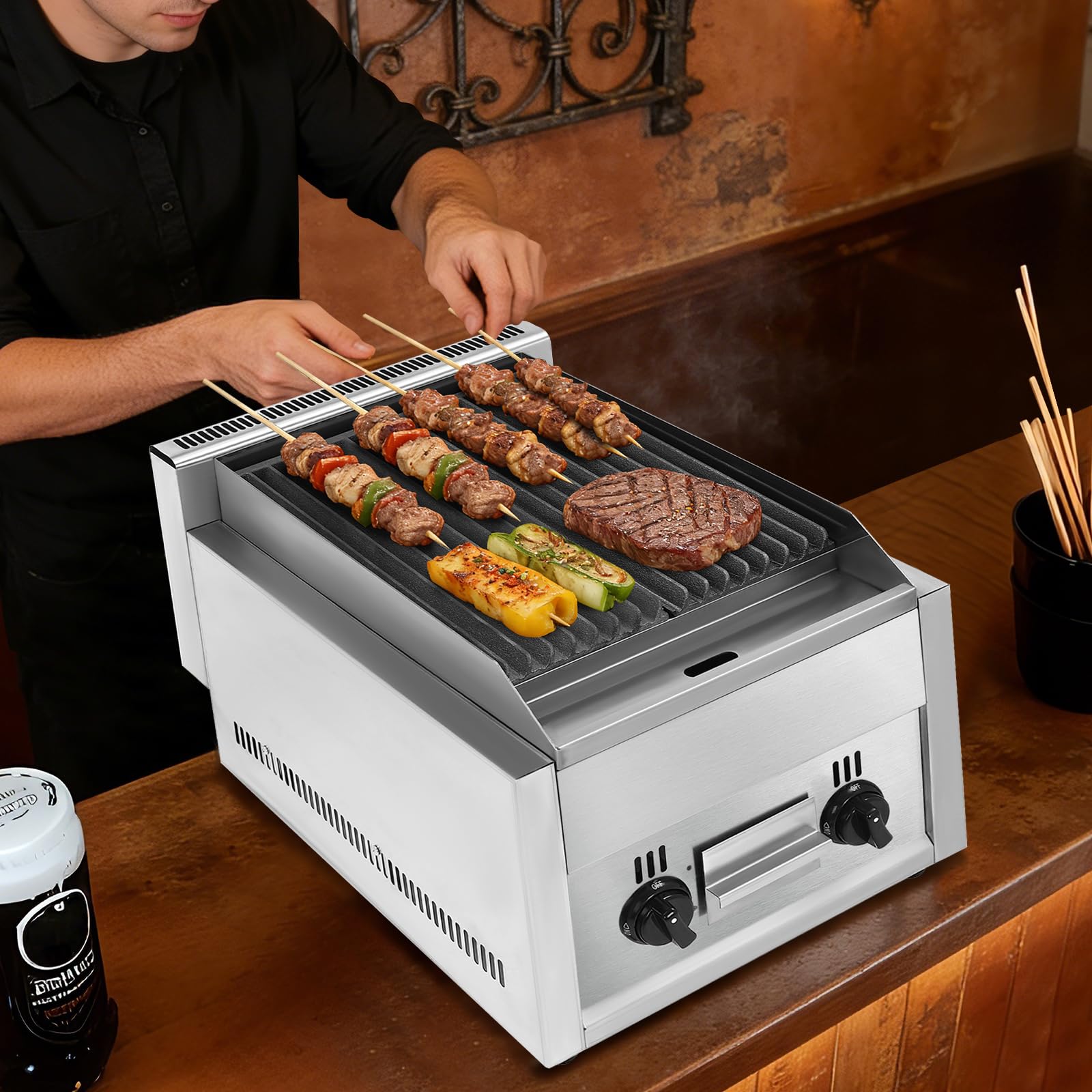


Who Should Choose a Commercial Outdoor Grill?
Commercial models make sense when cooking volume, speed, or durability outgrow what a home grill can handle. If your outdoor cooking is occasional and light, see our guide to the best outdoor grills for home patios instead. The three groups below gain the most from stepping up.
Restaurants and Food Trucks Adding Outdoor Service
A restaurant patio or food truck window can mean dozens of covers in a single rush, all expecting the same sear and timing. A commercial grill gives you a wide cooking area so burgers, steaks, and vegetables can cook at once without crowding. Strong burners recover heat quickly when cold food hits the grates, which keeps ticket times short.
Catering Crews and Event Venues
Caterers cook in unfamiliar spaces, often for 50 to 200 guests, with no chance to redo a failed batch. You need a grill that lights reliably, holds temperature through wind and repeated lid openings, and moves on sturdy wheels. Large capacity lets you finish proteins in fewer rounds, so food goes out hot and together. Simple grease handling matters too, because you clean up on site.
Resorts, Clubs, and Community Kitchens
Hotels, golf clubs, campgrounds, and community centers often run one grill for many cooks across a long season. Here the winning traits are toughness and simplicity, since staff skill levels vary. Controls should be obvious, ignition dependable, and replacement parts easy to order. A roomy cooking area also lets one attendant serve a pool deck or picnic event alone.
How to Choose a Commercial Outdoor Grill: Buying Guide
Start with your menu and your peak headcount, then work through the factors below in order. Choosing among the best commercial outdoor grills gets much easier once you know how much food must come off the grates in your busiest 30 minutes. If your cooking happens indoors instead, see our guide to the best commercial grills for other options.
Fuel Type: Gas, Charcoal, Pellet, and Electric
Gas is the workhorse for most commercial patios because it lights fast, adjusts in seconds, and connects to a tank or a fixed line. If gas fits your site, see our guide to the best outdoor gas grills for more detail on burner layouts. Charcoal gives deeper smoke flavor but needs more labor and ash handling. Pellet units automate long cooks with fed fuel, while electric suits sites where open flame is banned.
Heat Output and Temperature Range
Heat output is measured in BTU, but the useful figure is BTU per square inch of cooking area, since a big grill with weak burners cooks slowly. Look for enough power to sear steaks and burgers with real crust, which needs quick recovery after food lands. At the other end, the grill should hold about 225 degrees Fahrenheit for low and slow work like ribs and brisket. Even heat matters more than a huge peak number.
Build Quality and Materials
Commercial duty starts with the body. Thick stainless steel, ideally 304 grade on the hood and firebox, resists rust through seasons of outdoor storage and daily heat cycles. Cast iron grates hold heat well and leave strong marks, though they need seasoning and weigh more.
Check welds, hinge strength, and wheel quality, because these parts fail first under load. A thin, light body almost always means a short working life.
Temperature Control and Smart Features
Good control means each burner zone can run at its own setting, so you can sear on one side and hold finished food warm on the other. On pellet models, a PID controller adjusts fuel feed constantly to hold your set temperature within a narrow band. A built in meat probe lets you track internal food temperature without lifting the lid. WiFi monitoring helps during long cooks, but simple, glove friendly knobs matter most in service.
Ash, Grease Management, and Cleanup
Grease is the main fire and mess risk in heavy outdoor cooking, so look for a sloped cook surface that drains to a removable tray you can empty and wash. Trays should slide out from the front without tools, because staff skip cleanup steps that take too long. Charcoal and pellet models need an ash catcher sized for a full day of cooking. Smooth interior surfaces cut scrubbing time at close.
Assembly and Warranty
Most large commercial grills arrive partly assembled, and a full build with a helper usually takes one to three hours. Read the manual before delivery day so you know which steps need two people. Warranty terms tell you what the maker expects to last, so compare burner and firebox cover separately from the shorter cover on knobs and igniters. Keep your receipt and register the grill, since commercial use is sometimes treated differently.
Fuel Cost and Availability
Fuel is an ongoing cost that belongs in your budget next to food and labor. Propane is easy to swap and store, but a busy patio can empty tanks quickly, so many sites move to a fixed natural gas line where rules allow. Pellets cost more per cook than charcoal, yet they buy you hours of unattended cooking. Whatever you choose, confirm a steady local supply before you commit.
Types of Commercial Outdoor Grills
Each fuel type suits a different menu and staffing level, and the product table above can help you compare sizes within each type.
Pellet Grills and Smokers
Pellet grills and smokers burn compressed wood pellets fed from a pellet hopper by an auger, so they hold low temperatures for hours with little attention. They shine for brisket, pork shoulder, and ribs. Their trade off is a milder sear and a need for electric power at the site. Choose one when smoked items anchor your menu and staff time is tight.
Electric and Indoor Grills
Electric and indoor grills use heating elements instead of flame, which makes them welcome at venues with fire restrictions or covered spaces. They heat evenly and need no fuel storage, but they depend on strong electrical supply and give less smoke flavor. For a closer look at plug in options, see our guide to the best outdoor electric grills. They suit concession stands, kiosks, and demo cooking best.
Kamado Grills
A kamado is a heavy ceramic charcoal grill with thick walls that hold heat for a very long time on little fuel. It can smoke low for hours or run hot enough for steakhouse style searing, all in a compact footprint. The limits are cooking area and weight, since ceramic bodies are hard to move. A kamado fits a small venue that wants charcoal flavor without a huge grill.
Charcoal Grills
Charcoal grills remain the flavor favorite for burgers, chicken, and steaks cooked over real fire. Large kettle and barrel styles give caterers a wide surface and simple, repairable construction with no gas lines or electronics. The cost is labor, because someone must light coal, manage vents, and remove ash. If that trade sounds right, see our guide to the best outdoor bbq grills for more charcoal focused advice.
Setup and Care Tips
Correct setup and steady habits protect your investment and your food quality, at delivery and again each season.
- Preheat the grill for 10 to 15 minutes before cooking so grates reach full temperature and the first batch sears instead of steaming.
- Clean grates while they are still warm after service, using a stiff brush or scraper, so residue does not harden overnight.
- Cover the grill between uses and check seams, hinges, and the firebox for rust every few weeks during the season.
- Check gas connections with soapy water each season and watch for bubbles, which show a leak that needs repair before firing.
- Empty the grease tray often, because a full tray can overflow during a busy service and create a fire risk.
- Store pellets and charcoal in a dry place, since damp fuel lights poorly and cooks unevenly.
Keep a simple log of cleaning, part swaps, and repairs. That record helps you spot wear early and supports any warranty claim later.
Commercial Outdoor Grills: Your Questions Answered
Is a pellet grill worth buying as a commercial outdoor grill?
Yes, a pellet grill is worth it when smoked meats drive your sales and your staff cannot watch a fire all day. The automatic feed holds temperature for hours, which frees a cook for prep and service. One point many buyers miss is pellet storage volume, because a busy week can use several large bags. Plan dry storage space near the grill before you commit to this style.
Can you use a commercial outdoor grill on a balcony?
Usually no, because most leases, building codes, and fire rules ban large grills and fuel storage on balconies. Commercial units are also heavy and produce far more heat and smoke than a small space can handle safely. A compact electric model is the common exception where rules allow any grill at all. Always check your local fire code and property rules in writing before you buy for a balcony site.
Which type of commercial outdoor grill gives the best flavor?
Charcoal gives the strongest classic grill flavor, because dripping juices vaporize on hot coals and coat the food in smoke. Pellet models come next, with a cleaner wood smoke taste that suits long cooks. Gas adds little flavor of its own, though a smoker box with wood chips can close much of the gap. Your menu should decide, since guests who order smoked brisket expect a different result than guests who order a quick burger.
How often should you clean a commercial outdoor grill?
You should clean a commercial outdoor grill lightly after every service and deeply at least once a week in busy periods. Brush grates while warm, empty the grease tray, and wipe the exterior daily. The weekly deep clean should include the burners and the inside of the firebox, where buildup hurts heat and flavor. Food trucks and caterers should also sanitize food contact surfaces to meet local health rules.
How big should a commercial outdoor grill be for regular service?
Size your commercial outdoor grill by your busiest hour, not your average day. As a rough guide, plan cooking area for the largest single batch you must serve at once, then add room for a warm holding zone. A small cafe may do well with a compact unit, while a wedding venue needs a wide surface for 100 or more portions per round. Measure your site too, leaving clear space for staff movement and safe fuel storage.
How long should a good commercial outdoor grill last?
A good commercial outdoor grill should last about 5 to 10 years of regular service when it is built from thick steel and maintained well. Burners, grates, and igniters are wear parts that may need replacement sooner, and easy access to spares is a real buying factor. Coastal air and winter storage outdoors shorten life, so a fitted cover and a dry store spot pay off. Treat the warranty length on the firebox as a clue to expected life.
Final Thoughts
The right choice comes down to three things: the right fuel for your menu, enough cooking area for your busiest hour, and construction that survives daily work. Match those first, and details like probes and WiFi become pleasant extras instead of costly distractions. Compare your shortlist against the product table above, paying close attention to grease handling and warranty cover. Chosen well, the best commercial outdoor grills will serve your guests reliably for many seasons.