
Best 1/2 HP Garbage Disposals (2026): Size, Features and Buying Tips
Disclosure: We may earn a commission when you buy through links on this page, at no extra cost to you. As an Amazon Associate I earn from qualifying purchases. Learn more

What matters when choosing the best 1/2 hp garbage disposal: size, features, budget and the mistakes to avoid.
Dinner is done, the plates are scraped, and the cabinet under your sink is already crowded with a water filter, cleaning bottles, and a trash bin that barely fits. That squeeze is exactly where a best 1/2 hp garbage disposal search should start, with your space, household size, and daily routine rather than the biggest motor on the shelf. A half horsepower unit suits most small and midsize homes, and this guide helps you choose by cabinet room, users, and budget.
The product table on this page lists current options, and the sections below explain the specs that matter, including body height, feed type, and grind chamber materials. The sections that follow explain what those specs mean in daily use and where buyers most often overspend.

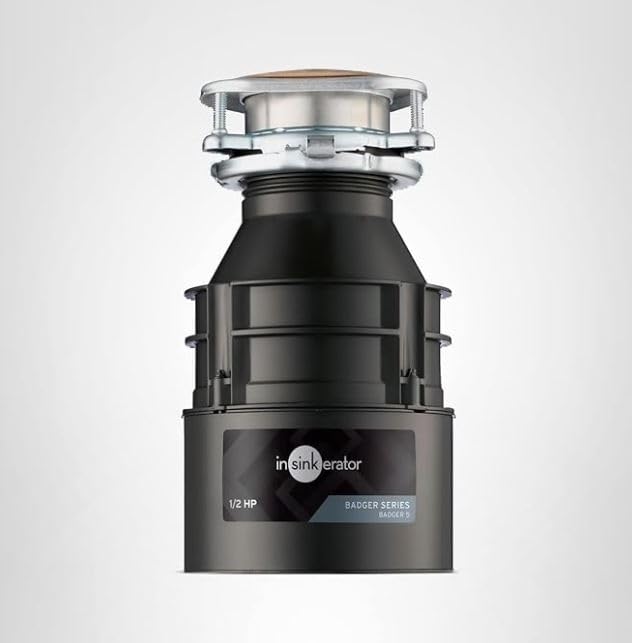
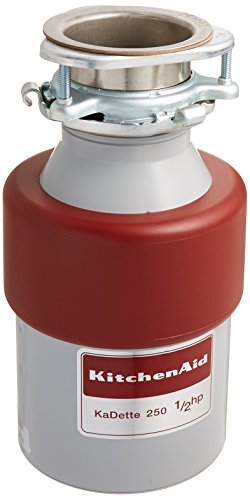


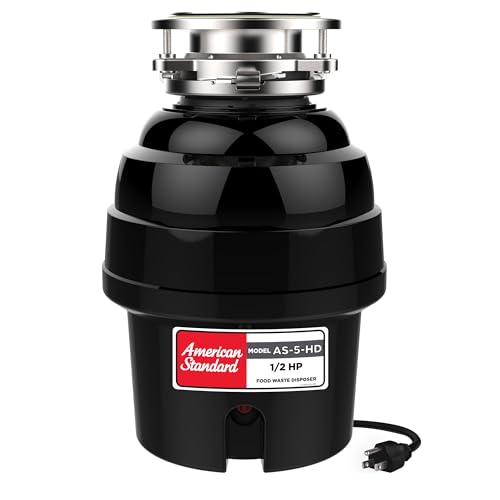


Quick Answer: Three Ways a 1/2 HP Unit Can Fit Your Home
For most homes, a standard continuous feed model with sound insulation is the safest all round choice. If your cabinet is shallow or packed, a compact body with the same motor gives up chamber size but keeps grinding power. If you want the unit to last as long as possible, look for stainless steel grind parts instead of galvanized steel. Still weighing every size class? See our guide to the best garbage disposal for the full picture.
Before You Buy: A Quick Checklist for Choosing a Garbage Disposal
Size: Match It to Your Space
Disposals commonly come in 1/3, 1/2, 3/4, and 1 horsepower ratings, and each step up adds grinding force for tougher scraps. A 1/2 hp garbage disposal handles the everyday load of a household of one to four people, things like vegetable peels, cooked food scraps, and small amounts of fruit rind. Measure the space first, then pick the motor.
Which Type Fits Your Routine
Continuous feed models run while you add scraps, controlled by a wall switch or an air switch, and they suit cooks who clear plates in a steady flow. Batch feed models grind only when a special stopper is locked in place, which suits homes that prefer the chamber covered during use. Homes on a septic system should choose a model its maker describes as safe for septic use, since ground food adds solids the tank must break down. Our guide to the best garbage disposal for septic tank explains those limits.
Features Worth It (and Ones to Skip)
Sound insulation is worth paying for if your kitchen opens onto living space, because an uninsulated motor is loud enough to stop conversation. Stainless steel grind components are also worth it, since they resist rust in a chamber that stays wet every day. An air switch earns its cost only when you have no wall switch near the sink. Skip decorative finishes and bundled scent pods, because neither changes how the unit grinds or how long it lasts.
Measurements and Compatibility With Your Setup
Most sinks have a drain opening of about 3.5 inches, and most disposals fit it with a standard flange, but deep or fireclay sinks may need an extended flange sold separately. Measure from the bottom of the sink to the center of the drain stub in the wall, because the disposal outlet must line up with your trap or the pipes will sit under strain. Check whether you have a dishwasher, since the disposal needs an inlet for its drain hose.
Certifications and Safety Marks
Look for a UL or ETL listing on the label, which points to an independent electrical safety review for a wet location appliance. Programs from other plumbing shopping do not really apply here, since WaterSense does not cover disposals and lead free rules focus on parts that carry drinking water. What does matter is your local plumbing and electrical code, plus any condo or rental rules about adding appliances.
Doing It Yourself Versus Hiring a Pro
Swapping a like for like unit with the same mount and an existing outlet is a realistic project for a handy homeowner with basic tools. New wiring, a moved drain, or a first time install in an older home is pro territory, and labor usually runs about $150 to $350 depending on your area. Before you decide, read our step by step resource, how to install a garbage disposal, and note where the safety checks fall. Turn off power at the breaker before any part of the job.
Realistic Budget Ranges
Models under $100 are basic units with galvanized grind parts, little insulation, and shorter warranties, and they suit rentals or light use. Spending about $100 to $150 usually buys stainless grind parts and better sound insulation. In the range of about $150 to $200 you reach the top of the half horsepower class, with the quietest operation and the longest warranties this size offers.
Types Compared: How 1/2 HP Models Differ
Within this one size class, three build styles cover nearly every home.
The Standard Fit for Most Homes
A standard height continuous feed model is the default choice for a typical family kitchen with a clear cabinet and a wall switch already in place. The full size chamber swallows a meal worth of scraps at once, so cleanup after cooking for three or four people stays quick. Choose it when your cabinet has room to spare and you cook most nights.
The Compact Fit for Tight Cabinets
A compact model shortens the body so it can share a cabinet with a pull out trash bin, a water filter, or cleaning supplies. You give up chamber volume, which means feeding scraps in smaller handfuls and letting the unit clear between additions. Choose this style for apartments and small condos.
The Sturdier Build for Long Term Value
Some half horsepower models use stainless steel for the turntable, impellers, and grind ring, and that upgrade targets the part that fails first, the chamber itself. Rust on galvanized parts roughens surfaces, slows grinding, and eventually perforates the chamber wall. A stainless build costs more up front but holds its grinding speed longer in homes with hard water or heavy daily use. Choose it when you plan to stay in the home.
Our Selection Process
We compare models in this class on installation and compatibility, build quality of the grind chamber, useful features, safety listings, and warranty length. Our sources are maker spec sheets and manuals, plus patterns in verified buyer reports about leaks, jams, and noise after months of use.
Is a 1/2 HP Garbage Disposal the Right Size for You?
This size fits households of one to four people who cook regularly and produce mostly soft to moderate scraps, such as pasta, cooked vegetables, eggshells, and small poultry bones in modest amounts. If that sounds like your kitchen, a larger motor would mostly sit unused.
Step up in size if five or more people eat at home daily, if you host large gatherings often, or if your cooking produces lots of fibrous waste like celery and corn husks, which need more torque to clear without jamming. The 1/2 vs 3/4 hp garbage disposal comparison walks through that borderline in detail. Renters should also check the lease first, since some landlords require approval before a plumbed appliance is replaced.
Common Buying Mistakes to Avoid
- Choosing by horsepower alone and ignoring body height, so the unit cannot share the cabinet with your trash bin.
- Ordering a model that needs a wall switch when your kitchen has none, which adds an electrician visit you never budgeted for.
- Buying galvanized grind parts for a hard water home, so rust shortens the life of the chamber.
- Forgetting to check drain alignment, which leaves the trap under strain and invites slow leaks months later.
- Paying extra for an air switch package when a working wall switch already sits beside your sink.
Cost of Ownership and Care
Running costs stay small, because the motor draws power for seconds at a time and a typical household adds only a few dollars a year in electricity. Water use matters more, since you should run a strong flow of cold water while grinding and for about 20 to 30 seconds after, so particles flush through instead of settling in the trap. Most models have no filters or pads to replace, so your real ongoing cost is eventual replacement.
For daily care, keep grease out of the chamber, because grease coats the grind ring and traps odor causing residue beneath the splash guard. Avoid harsh drain chemicals, which can damage seals. Run the unit at least twice a week even when you have few scraps, since regular spinning keeps the turntable free and the seals moist. For odor control steps, see how to clean a garbage disposal, and check monthly for damp cabinet wood that signals a slow leak.
Your Questions, Answered
What is the most reliable garbage disposal brand?
No single brand wins on reliability alone, and maker names matter less than the build of the specific model you choose. Judge reliability by grind chamber material, warranty length in writing, and how easily spare parts like splash guards and gaskets can be ordered years later. A stainless chamber model with a long warranty will usually outlast a basic galvanized model with a short one. Local service access is the final tiebreaker.
How do you clean a garbage disposal?
Start by grinding a tray of ice cubes with a cup of coarse salt, which scrubs the grind plate and knocks residue off the chamber walls. Follow with a handful of citrus peels ground with cold water running, which leaves the chamber smelling fresh without chemicals. The step most people miss is lifting out the removable splash guard and scrubbing its underside, where most odor actually lives. Do this monthly and smells rarely build up.
Is a garbage disposal worth it?
For most homes that cook often, yes, because scraps go down the drain instead of sitting in a trash bag where they draw fruit flies and smell by the next day. The math changes if your town offers curbside compost pickup you already use, or if your septic tank is small and due for pumping soon. A disposal only helps if your household will run water properly and keep grease out of it.
How long does a garbage disposal last?
Most half horsepower units last about 8 to 15 years, with stainless chamber models tending toward the upper end of that range. Lifespan drops when a unit sits unused for weeks, because seals dry out and turntables seize. Warning signs include resets that trip during light loads, water weeping from the bottom housing, and a grinding sound that turns rattly as bearings wear. A leak from the bottom seal cannot be repaired, so budget for a new unit then.
What size garbage disposal do I need?
Count how your household actually cooks rather than how many people sleep in the home. Two people who cook from scratch every night can outwork a family of five that eats out often, so meal frequency is the better guide. Entertaining matters too, since a monthly dinner for twelve produces a week of normal scraps in one evening. If your pattern sits between classes, choose by your biggest regular cooking day.
What is the best 1/2 HP garbage disposal?
The right answer depends on which constraint bites first in your kitchen, cabinet room, noise, or chamber life. If two models meet your needs on paper, compare the mounting system with the mount already under your sink, because reusing a compatible mount can cut the swap to under an hour. Also compare reset button and jam wrench access from below, since you will reach for both in the dark under a cabinet. Small access details decide daily satisfaction.
The Bottom Line
For most readers, the best 1/2 hp garbage disposal is a standard continuous feed model with stainless grind parts and real sound insulation. Pick the compact body if your cabinet space is the binding limit, and pick the sturdier stainless build if you plan to stay in your home for years. Check your measurements and switch type against the product table above before you order, and any of these three routes will serve a real home well.


