
Best Compact Food Processors of 2026: Complete Buying Guide
Disclosure: We may earn a commission when you buy through links on this page, at no extra cost to you. As an Amazon Associate I earn from qualifying purchases. Learn more
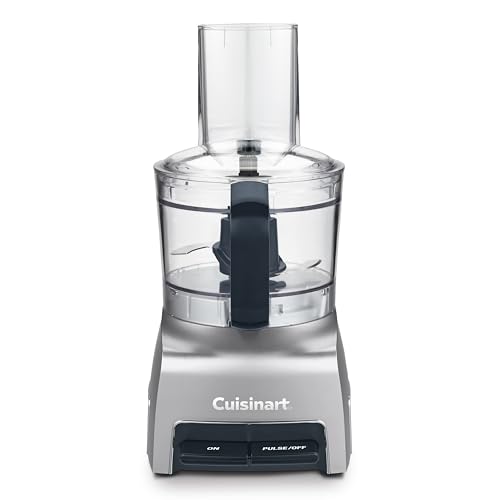
Compare the best compact food processors by bowl size, blade and disc kits, motor strength and storage footprint, with price bands for small kitchens.
A compact food processor earns its counter space by handling the jobs a knife makes slow: chopping onions without tears, slicing cucumbers evenly, mixing a small batch of dough. The trouble is that compact models vary far more than their size suggests, and a small bowl with the wrong blade kit helps with almost nothing. This guide walks through the best compact food processors by the factors that actually decide daily use, so you can match bowl size, attachments and motor class to the way you cook.
The product table gathers current models side by side. Read the sections after it for what those specs mean in a real kitchen, including where a compact machine reaches its limits and a larger appliance takes over.


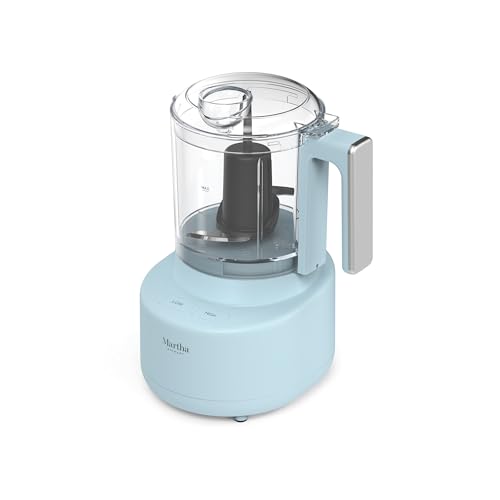
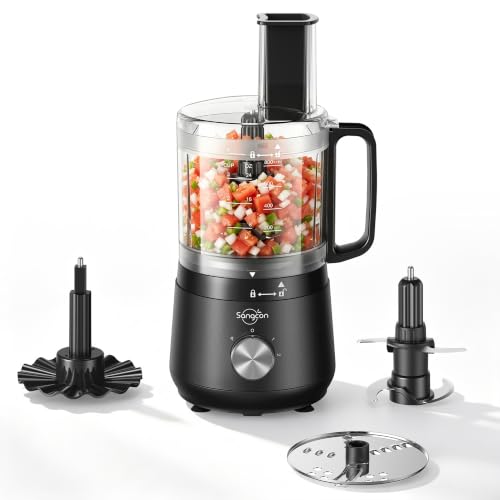
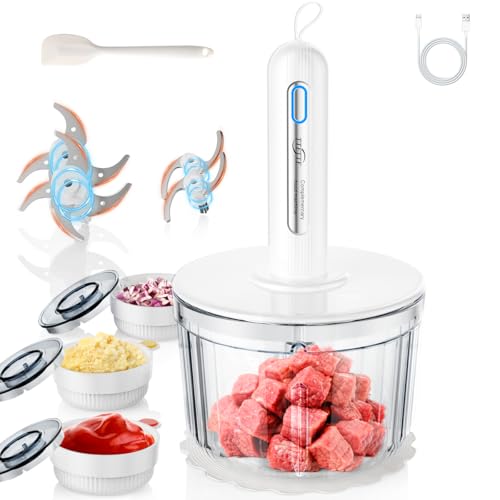


Compact Size Classes and What Each One Buys
Compact processors are not one product. They fall into three loose size classes, and the class matters more than any single feature, because it decides which jobs fit inside the bowl at all.
Mini Choppers for One and Two Cup Jobs
The smallest class holds about one to three cups and does one thing well: fast chopping in tiny amounts. Garlic, herbs, nuts, a single onion and small amounts of breadcrumbs all suit this size. There is usually one blade and a simple pulse control, and the bowl rinses clean in seconds.
The limit is volume and force. Thick mixtures stall the small motor, and anything beyond a garnish sized batch means working in rounds. Expect to pay about $20 to $40 for this class, and treat it as a helper beside a knife rather than a replacement for a full processor.
Mid Size Compacts for Everyday Prep
The middle class, roughly three to eight cups, is where most home cooks should shop. These models add slicing and shredding discs beside the chopping blade, so salads, slaws and grated cheese come out of the same machine. Motors in this class handle pie dough and thicker dips without the stalling that plagues minis.
Prices run about $40 to $90, and the step up from the mini class buys the disc kit more than raw power. If you cook for two to four people most nights, this is the class that covers the widest range of weekly jobs.
Larger Compacts for Small Batch Dough
The top compact class reaches about eight to twelve cups and starts to borrow features from full size machines: wider feed tubes, dough blades and stronger motors. It suits bakers who make dough for two loaves or a double pie crust and cooks who prep for a small family. The trade is footprint, since these models store like a full size unit while holding less.
Prices run about $90 to $150. Above that point, compare against full size machines too, using the guide to the best quality food processors to see what the extra money buys in bowl size and build.
How to Choose: A Complete Buying Guide
With the size class settled, six factors separate a compact processor you use weekly from one that gathers dust. Work through them in order, because bowl size and attachments matter more than motor numbers.
Count the Bowl in Real Jobs, Not Cups
Cup ratings describe the bowl filled to the brim, and no processor works well filled to the brim. A safer working rule is that liquids should stay below about two thirds of the bowl, and dry ingredients below about half when the blade needs room to move food around. Translate your habits into jobs: a compact bowl handles sauces and salsa for a table, hummus for a gathering, and dough for two people without strain.
Batch cooking for a freezer week is a full size job. If your regular cooking sits at the top of a class, buy the next class up rather than the exact fit.
The Blade and Disc Kit Is the Real Product
The motor base is nearly the same across a class; the attachments decide what the machine can do. The chopping blade comes with every model. A slicing disc and a shredding disc turn the machine from a chopper into a prep station, and a dough blade with its stubby plastic shape kneads small batches without tearing them.
Whisk and emulsifying discs appear on some larger compacts and suit dressings and whipped toppings. Before buying, list the three jobs you will repeat weekly and check each one maps to an included attachment, because buying discs later costs more and some models take no extras at all.
Motor Figures Are Maker Figures
Wattage alone does not grade power across brands. Makers measure wattage differently, and a well geared 350 watt motor can outwork a loosely built 500 watt one on stiff dough. Use wattage only as a rough guide inside one brand line.
Better signals are a stated capacity for dough by weight, a motor protection feature that shuts the unit down under overload instead of burning out, and a base heavy enough to stay planted while kneading. Pulse control matters as much as strength, because short bursts chop evenly while a long run turns onions to mush.
Blades, Interlocks and Safe Handling
Processor blades and discs are genuinely sharp, sharper than most kitchen knives because the edges are thin and wide. Handle every blade by its center spindle, never by the rim, and wash blades separately with care rather than dropping them into a sink of soapy water where hands go searching. Store blades inside the bowl or a closed container, away from drawers that hands rummage through.
Most compact classes include a safety interlock, so the motor cannot run unless the lid locks into place. A lid that must twist and click locked is a feature to check, because an interlock that feels fiddly gets forced, and a forced interlock eventually breaks.
Footprint, Height and Cord Storage
Compact is the whole point, so measure like it matters. Check the height against the gap between your counter and upper cabinets, since a machine that cannot slide under the cabinets will live out on the counter or not at all. Weight counts for anyone who stores the processor in a cupboard and lifts it out each time.
Cord storage, whether a wrap cleat or a hollow base, keeps the cord from snagging other items in the cupboard. A small footprint with parts that nest inside the bowl stores in roughly half the space of the same parts stored loose.
Cleaning and Bowl Materials
A processor that takes ten minutes to wash gets used less, whatever its specs. Bowls in clear plastic are light and cheap, and the better plastics resist staining from tomato and turmeric better than basic ones. Glass bowls feel sturdy and shrug off stains but add real weight to a small machine, while stainless bowls hide contents, which makes judging chop size harder.
Most bowls and lids tolerate the top rack of a dishwasher, but blades belong in hand washing to protect their edges. Parts with tight crevices around the feed tube trap food, so prefer simple shapes you can rinse at once.
Compact Processors vs Other Options
A compact processor overlaps with several other appliances, and some kitchens are better served by a different tool entirely. Here is how the neighbors differ, including the classification that causes the most confusion: a processor chops, slices and kneads, while a blender liquefies. The two machines swap jobs poorly in both directions.
Blender and Processor Combos
Combo units pair one motor base with both a blender jar and a processor bowl, and the better sets of best food processors blenders suit cooks who want both tools but own one stretch of counter. The compromise is that each attachment tends to be mid sized, so the processor bowl is smaller than a dedicated compact and the blender jar smaller than a dedicated blender. Choose a combo when counter space is the binding limit and both jobs are occasional. Choose separates when one job is weekly and deserves the better tool.
Personal and Single Serve Blenders
Small blenders built around a travel cup do smoothies and shakes for one person and almost nothing else. They cannot slice, shred or knead, and their blades sit in the drink, which limits thickness. They beat a compact processor for a daily smoothie habit and lose on every other prep job. Many small kitchens end up owning both, since the jobs barely overlap despite the similar size and price.
Full Size Countertop Blenders
A full size blender is the right tool for soups, smoothies for a family and frozen drinks, because its tall jar and vortex pull ingredients down into the blades. Hot liquids belong here too: soup and sauces go in a blender, not a compact processor, because steam and expansion inside a small sealed bowl can force the lid and spray hot liquid. A blender still cannot slice a cucumber or knead dough. Buyers choosing between the two should pick by their weekly job list, not by which appliance looks more powerful.
Immersion Blenders
A stick blender works inside the pot, which makes it the fastest route to a blended soup with no pouring and little washing. With a whisk or mini chopper attachment it covers small sauce jobs as well. It cannot match a processor for even slicing or dough, and long blending in a deep pot tires the hand. For readers whose main need is soup and sauce, the stick blender plus a knife may cover the kitchen, and the broader roundup of the best kitchen food processors shows where a compact still earns its place beside one.
Price Bands and Market Notes
Most compact processors sell for about $25 to $150, and the bands divide cleanly. Under about $40 buys the mini class and simple chopping. About $40 to $90 buys the mid size class with discs, which is the value center of the category.
About $90 to $150 buys larger bowls, dough blades and stronger builds. Shoppers watching for the lowest entry point can compare the roundup of the best inexpensive food processors against these bands before deciding where to land. Prices and availability can change, so check the product page before ordering.
Tips to Get the Most From Your Compact Food Processor
- Cut food to even sizes first. Pieces of about one inch give the blade a fair chance to chop evenly, while mixed sizes leave chunks beside puree.
- Pulse in short bursts. Five to ten quick pulses with a pause to check suits most chopping better than one long run, and the texture stays under your control.
- Do not pass the max fill line. Overfilled bowls leak at the lid and chop unevenly, and liquids climb higher than you expect once the blade spins.
- Let the motor rest between heavy batches. Dough and thick mixtures heat a small motor, and a few minutes of rest between batches protects it from overload shutdowns.
- Clean right away. A warm rinse and a drop of soap straight after use takes a minute, while dried food around the spindle and lid takes scrubbing later.
Frequently Asked Questions
Can a compact food processor crush ice?
Some can, in small amounts, and many cannot do it well. Ice is one of the hardest loads for a small motor, and makers that allow it usually limit the amount and ask for liquid in the bowl. If frozen drinks are a weekly habit, a blender is the honest tool for the job. If ice comes up rarely, add a little liquid, work in small rounds and accept a coarser result rather than forcing the motor.
How many watts does a good compact food processor need?
Most capable compact models list a few hundred watts, but the number alone is a weak guide. Makers rate wattage differently, so a lower figure from one brand can match a higher figure from another. Judge instead by the jobs the maker rates the machine for, such as dough weight, and by whether the motor has overload protection. For chopping, slicing and small dough batches, any mid class motor is enough.
What is the difference between a blender and a food processor?
A food processor uses a wide bowl and flat blades or discs to chop, slice, shred and knead, while a blender uses a tall jar to liquefy. Processors handle thick mixtures and dry ingredients that stall a blender, and blenders make smooth soups and drinks that a processor leaves coarse. The overlap sits in soft sauces and dips, which both can manage. Most cooks who do varied prep get more weekly use from the processor.
Can a compact food processor knead bread dough?
Yes, within its rated amount, which is usually enough dough for one small loaf or a pizza base for two. Use the plastic dough blade if one is included, add liquid slowly while the motor runs, and stop once the dough forms a ball and cleans the bowl sides. Larger or stiffer batches overheat small motors and strain the drive. Bakers who make several loaves weekly should look at the largest compact class or a full size machine.
How do I clean a compact food processor quickly?
Take the bowl apart at once, rinse each part under warm water, and wash with a brush around the spindle and lid channels where food hides. Blades go in hand washing, held by the center hub, never loose in a sink. Most bowls and lids can go on the top rack of a dishwasher, but hand rinsing straight after use is faster than any cycle. Let parts dry fully before nesting them for storage so no moisture stays trapped.
The Bottom Line
Choosing among the best compact food processors comes down to three checks: the bowl counted in real jobs, an attachment kit that covers your weekly prep, and a footprint that fits where the machine will actually live. Motor numbers matter less than any of those, and safe blade handling matters every single time you wash up. Start with the size class that matches your cooking, then compare the product table above to narrow the field to the model that fits your counter and your budget.


