Best Compact Drum Sets in 2026: Small Space Guide
Disclosure: We may earn a commission when you buy through links on this page, at no extra cost to you. As an Amazon Associate I earn from qualifying purchases. Learn more
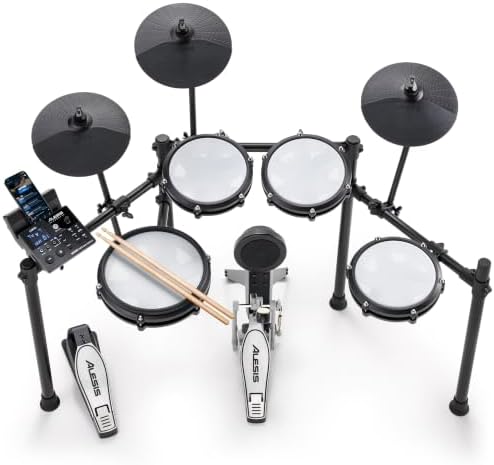
Flat, studio or spare room: how to choose the best compact drum sets for your space and your neighbors.
A full drum kit needs a lot of floor, a lot of volume, and a patient neighbor. The best compact drum sets shrink the footprint, the hardware, and often the noise, so you can practice in a flat, a spare room, or a small studio without giving up the feel of playing. This guide explains how electronic, acoustic, and junior style kits differ, and what to check before you commit to one.
The product table lists current options. The sections below cover kit types, shell and pad sizes, hardware, and practice habits that suit a small space.


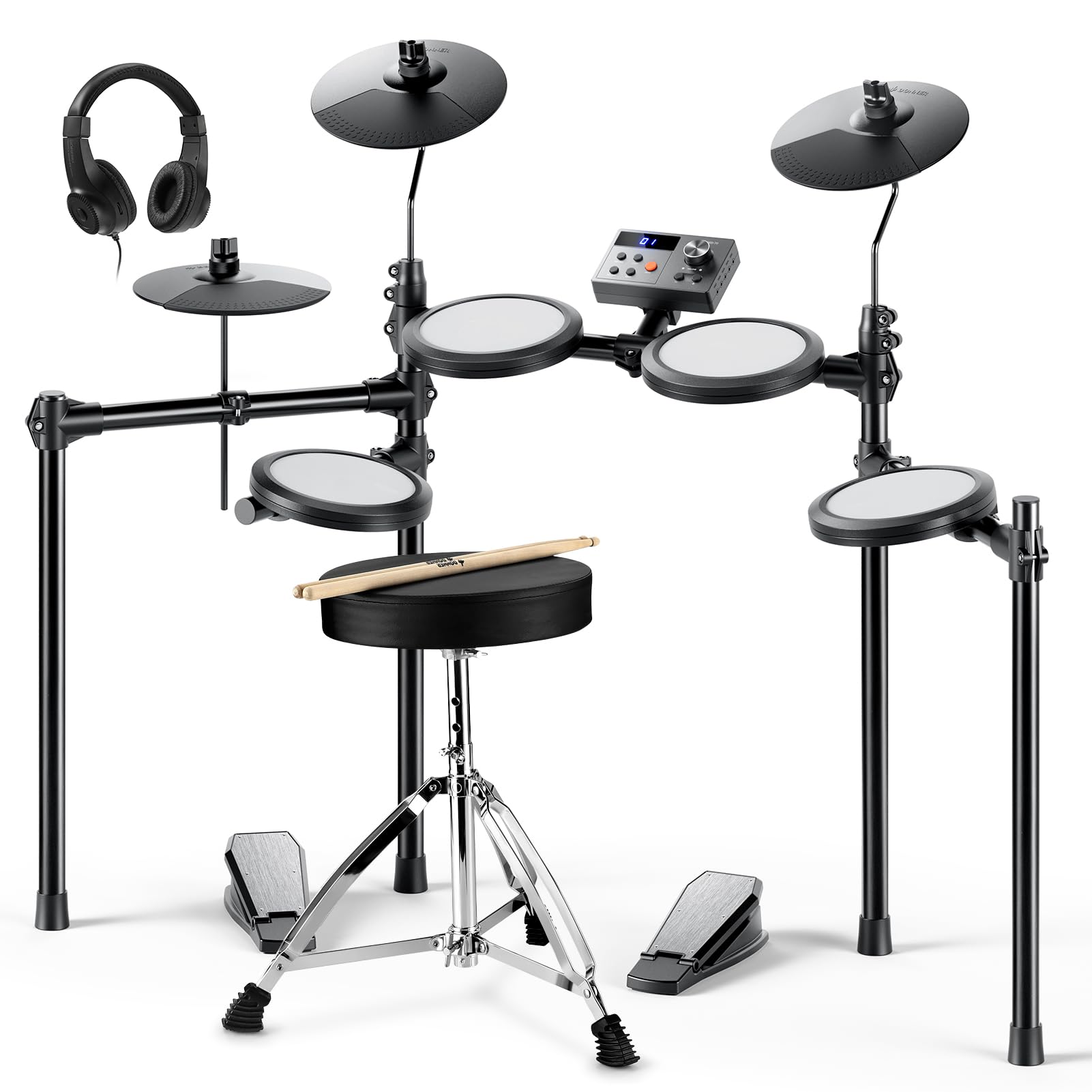


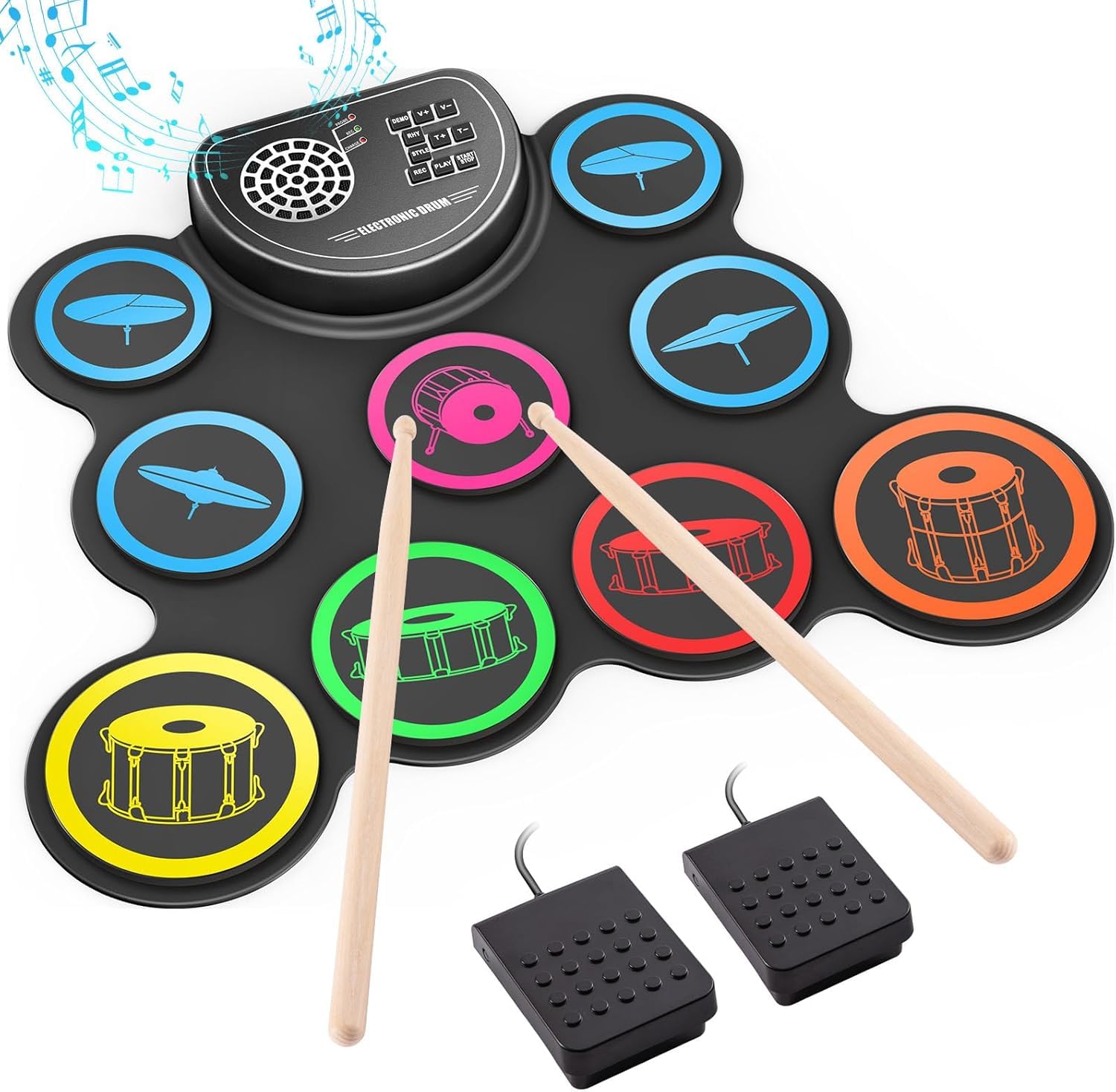
Electronic, Acoustic, or Junior: Choosing a Kit Type
The kit type decides almost everything else, so start there. If noise is your biggest limit, an electronic kit is the clear answer. The pads are quiet, you hear the sound through headphones or a small amplifier, and you can practice late without a complaint.
If you want real stick rebound and cymbal feel, a compact acoustic kit gives you that, but it needs volume control such as mesh heads or low volume cymbals. A junior acoustic kit sits at a smaller scale and suits younger players, though adults in a small space sometimes pick one for the footprint.
Electronic Kits
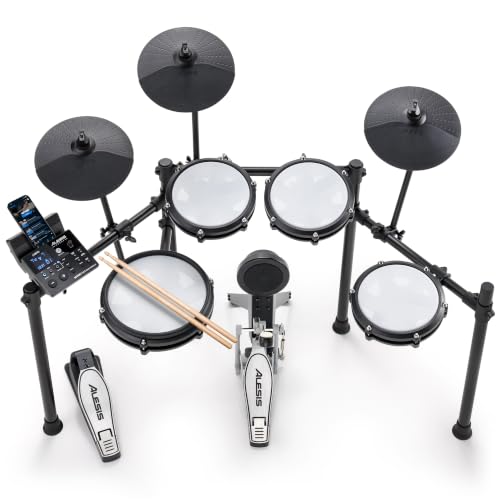
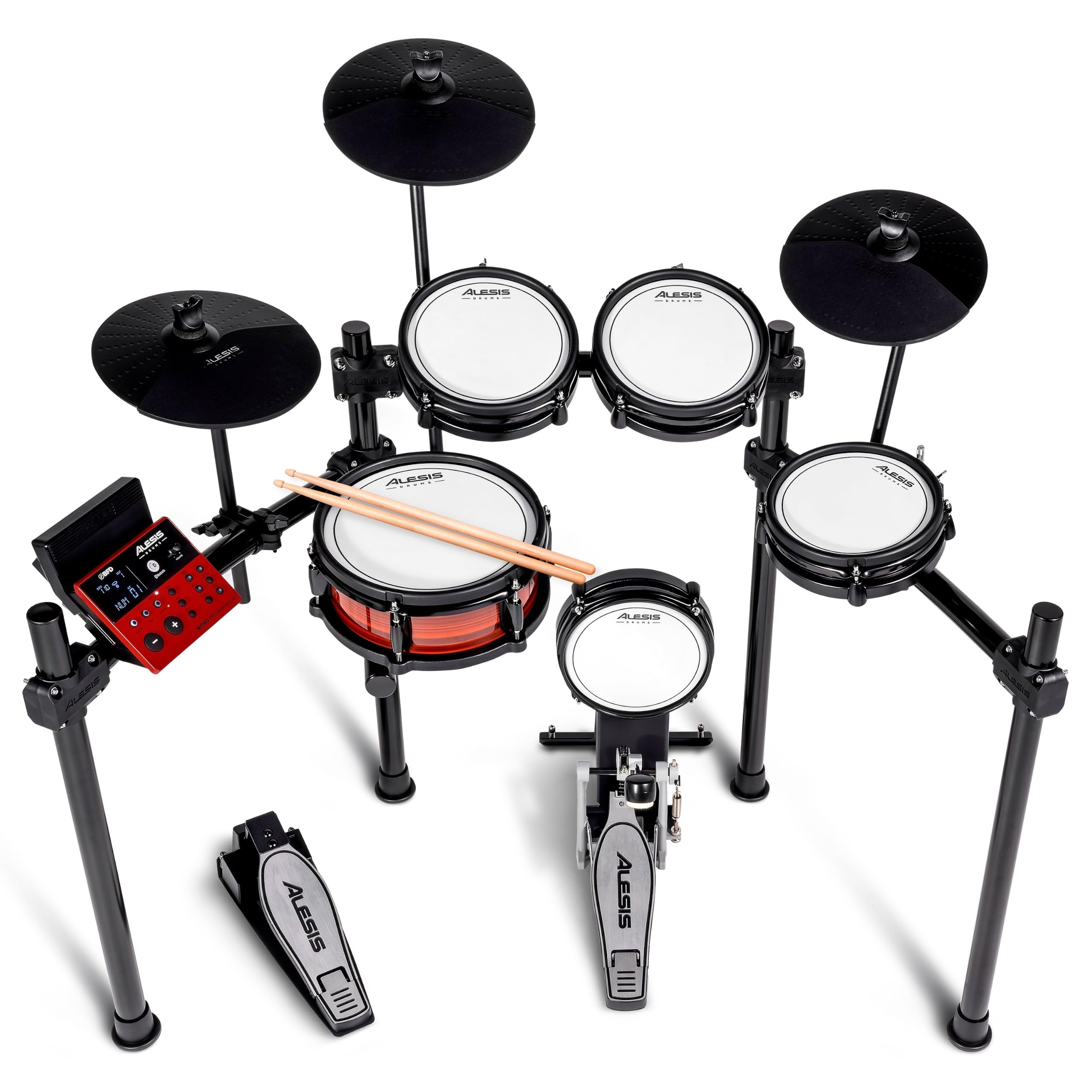
Electronic kits range from roll up pads to full mesh pad sets with a stand and a pedal. Mesh pads feel closer to a real head and play more quietly than rubber pads. Look for a module with enough sounds to stay interesting, a headphone output, and an input for a phone or music player so you can play along to songs. Check what the box includes, because some kits need a throne, sticks, or headphones bought separately.
Compact Acoustic Kits
Compact acoustic kits use smaller shells, a shallower bass drum, and shorter stands. Smaller shells sound punchier and higher pitched than deep ones, which suits many styles, and a smaller bass drum still needs enough depth to give a satisfying thump. Listen to recordings of the exact kit if you can, because size changes tone as well as footprint.
Junior and Starter Kits
Junior kits shrink everything, including the pedal spacing and the throne height, so check that an adult can sit comfortably before choosing one for yourself. For young beginners they are friendly and easy to set up. Our guide to the best starter drum sets and the best drum sets for beginners cover the first kit question in more depth.
Key Features Worth Comparing
Pad and Shell Quality
On an electronic kit, pad size and surface decide how natural playing feels. Larger pads give more room for fast fills, while dual zone snare pads respond differently to the head and the rim. On an acoustic kit, check the shell material and the heads, since both affect warmth and attack. A kit with decent heads and careful tuning sounds far better than one with great shells and poor heads.
Hardware and Folding Design
Compact hardware uses shorter stands, folding legs, and multi clamps to cut the footprint. Check that the stands stay stable when you play firmly, since light hardware can creep across the floor. Quick folding designs help if you pack the kit away each day, and sturdy joints with wing nuts that tighten without slipping save frustration.
Pedals and Cymbals
A cramped pedal layout changes your foot technique, so check the bass drum and hi hat pedal action. Compact cymbals fit the footprint but sound brighter and decay faster. On electronic kits, cymbal pads may be smaller and choke when you tap the edge, which is a useful feature for crisp endings.
Room Layout and Noise Control
Measure the room and leave space to sit, move your arms, and reach every drum without hitting a wall. Put the kit on a rug to stop creep and protect the floor, and consider a riser or a thick mat if you share a floor with neighbors below. Acoustic players can add practice pads, mesh heads, or low volume cymbals to cut volume.
Electronic players still make thumping noise through the floor, so a mat under the bass drum pedal helps. Agree practice times with housemates early, since courtesy often matters as much as equipment.
Practice Habits for a Small Kit
A compact kit rewards short, regular sessions more than rare long ones. Use a metronome app to build steady timing, record yourself to check evenness across the drums, and learn one new pattern at a time. As your skills grow, add pieces one at a time, such as a second crash or a cowbell, instead of expanding the whole kit at once. Keep spare sticks, a drum key, and a few spare heads together so a small problem never cancels a session.
Who Should Buy a Compact Drum Set
Flat dwellers, students, travelling players, and parents buying a first kit are the natural buyers. Gigging drummers sometimes keep a compact kit for small venues and acoustic sets. If you have a full size room and no noise limit, a standard kit may still be a better long term choice, and our guide to the best drum sets covers full size options. If you want silence above all, the best digital drum sets focus on electronic kits.
Common Mistakes to Avoid
- Buying an acoustic kit for a flat with thin walls and no plan to reduce volume.
- Ignoring what is left out of the box, such as a throne, sticks, headphones, or a bass drum pedal.
- Choosing the smallest kit without checking whether an adult fits at the throne and pedals.
- Skipping the check on hardware stability, which makes light stands creep across the floor.
- Expanding the kit too fast before basic timing is solid.
FAQ
Do compact drum sets sound good?
They can sound very good when shell quality and head choice suit the smaller size. Smaller shells sound punchier and brighter, which suits many styles, and careful tuning matters even more at compact sizes.
Are compact kits good for beginners?
Yes, especially in small rooms, because setup is simpler and the footprint is less daunting. Electronic kits add silent practice, and acoustic kits give a natural stick feel. Either works when the kit is stable and comfortable to sit at.
Can I gig with a compact drum set?
Compact kits work in small venues, acoustic sets, and jazz rooms where volume stays moderate. They pack into a car easily and set up fast. For loud rooms, you may need microphones, so check that the hardware stays stable under hard playing.
How do I keep volume down for neighbors?
Use mesh heads, practice pads, or low volume cymbals on an acoustic kit, and headphones on an electronic kit. Play on a rug or a riser to cut floor vibration, and agree practice times with the people around you.
What should I check when buying a used compact kit?
Check shells for cracks, bearing edges for damage, and hardware for stripped threads or bent stands. Play every drum and cymbal to find dead spots, and remember that worn heads and missing small parts add hidden costs.
Final Thoughts
Pick the kit type that matches your noise limit, measure the room, and check that the hardware stays stable under firm playing. Compare the options in the product table, and plan for headphones, a throne, and sticks from day one. With the right match, the best compact drum sets keep practice fun in even the smallest room.