Best Compact DJ Speakers in 2026: Types Compared
Disclosure: We may earn a commission when you buy through links on this page, at no extra cost to you. As an Amazon Associate I earn from qualifying purchases. Learn more

Monitoring a mix at a desk or playing a small gig: how to pick the best compact DJ speakers by type and size.
Compact speakers for DJ work come in more flavors than most people expect. Some are built for monitoring a mix up close, some run on batteries for mobile gigs, and some are really home speakers that happen to get loud. If you are shopping for the best compact dj speakers for your setup, the fastest way to narrow the field is to compare types first and brand names second.
This guide walks through the four main types, compares them side by side, and then covers the specs that actually change how a speaker performs at a gig. Use the product table to see how the types differ at a glance, then read the sections that match how you play.




Types of Compact DJ Speakers Compared
Every compact speaker used for DJ practice and small gigs falls into one of four broad types, and each makes a different trade off between size, volume, and convenience. Budget models in any type usually cost under $100 and suit practice at home. Mid range models at about $100 to $250 add output, cleaner sound, and sturdier cabinets.
Premium models above that focus on accuracy at high volume and better build quality. The product table shows current examples, but the type you pick matters more than any single spec.
Powered Studio Monitors
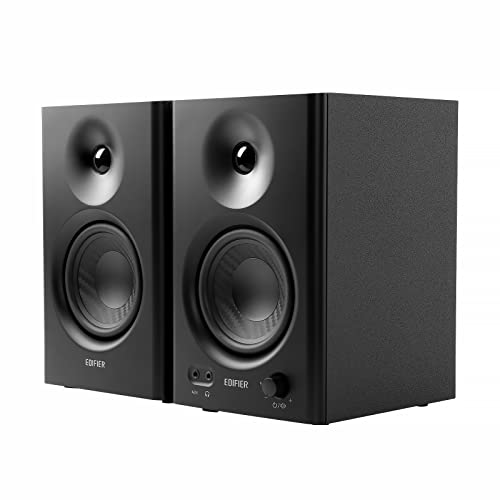
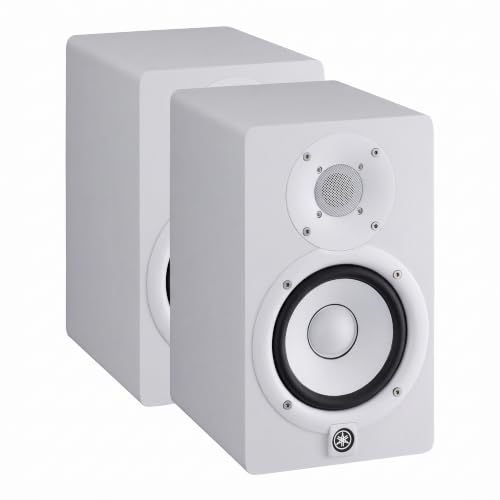
Powered studio monitors are built to tell the truth about a mix, with a flat tuning, balanced inputs, and a built in amplifier in each cabinet. For a DJ, that means you hear cue points, vocals, and bass lines without a flattering boost. They sit on a desk close to your ears, so small sizes are enough, and they are usually wired. Choose this type for a fixed home booth or a studio corner where accuracy matters more than loudness.
Bluetooth Capable Desktop Monitors
Some compact monitors add a Bluetooth input beside the wired ones, so a phone can stream through the same speakers on days you are not mixing. The wireless link adds a little delay, so keep it for casual listening and use a cable for cueing and beatmatching. This type suits people whose speakers must serve both practice and everyday music.
Home and Bookshelf Speakers
Home and bookshelf speakers are designed for living rooms and desks, and many DJs press them into service for practice and small gatherings. They tend to sound warm and balanced at moderate volume, and if your desk does double duty, our guide to the best compact pc speakers covers similar ground. Their weakness shows at party volume, where small cabinets can distort and bass ports may boom against a wall.
Portable Party Speakers
Portable party speakers trade accuracy for output and mobility. They run on batteries or mains power, fill a room or a patio, and often add lights and microphone inputs. They suit small gatherings and mobile sets, but their built in tuning flatters the sound, so they are a poor choice for judging a mix.
Studio Monitors vs Portable Party Speakers: Which Should You Choose?
These two types solve opposite problems. Studio monitors fight coloration, so you hear what the track really contains, and they need a desk and a power outlet. Party speakers fight distance and noise, so people far from the booth hear the music, and they carry easily.
On price, studio monitors usually start lower for the same sound quality, while party speakers cost more for their size and battery. If you practice and record at home, pick monitors. If you play moving sets for a crowd, pick a party speaker and keep headphones for cueing.
How to Choose the Right Compact DJ Speaker
Once you know your type, five decisions separate a smart purchase from a return. Work through them in order, because size and placement limits should filter your list before sound preferences do. If you are new to all of this, our guide to the best dj speakers for beginners explains the basics of a first rig.
Measuring for Size and Portability
Measure the shelf, booth ledge, or bag where the speaker will live before you fall for a spec sheet. Note the width and depth you can spare, then compare them with the cabinet dimensions, remembering that rear ports need a few inches of breathing room from a wall. Weight matters if you carry your rig: under 5 lb feels easy, while anything above 10 lb per speaker gets old fast. One practical note: a slightly larger cabinet almost always sounds fuller, so give up portability only when your transport truly demands it.
Ecosystem and App Features
Many compact speakers pair with a phone app that controls EQ, saves presets, and installs firmware updates. Apps differ a lot in quality, so check that the app supports your phone platform and that core controls like volume and input switching also exist on the speaker itself. Stereo pairing is the other ecosystem question: two matching speakers linked as a pair fill a room far better than one. If you plan to expand later, buy into a line that lets you pair a second unit or add a subwoofer rather than a closed system.
Connectivity: Bluetooth Version, Codecs, and Wired Inputs
For wireless use, Bluetooth 5.3 gives you a steadier connection and better range than older versions. Codecs shape sound quality: AAC suits Apple phones, aptX and LDAC can carry more detail from Android devices, and plain SBC is the universal fallback. Multipoint lets the speaker stay connected to your laptop and phone at once, which is handy between sets.
For DJ monitoring, though, wireless delay is the catch, so a wired input remains essential. If portability is your priority, our guide to the best compact bluetooth speakers focuses on battery models.
Sound Quality and Tuning
Start with the drivers: compact DJ speakers usually pair a woofer of about 3 to 5 inches with a small tweeter, and larger woofers generally give cleaner bass at volume. Frequency response figures tell you the claimed range, but the shape matters more than the extremes, since a boosted low end can bury the mids you cue from. Decide your taste before you buy: a bass forward tuning excites a small crowd, while a neutral tuning helps you judge a mix honestly. If you can, listen at the volume you actually play at, because small speakers change character as they get loud.
Battery Life and Charging
Battery ratings assume moderate volume, so expect real gig life to run shorter than the box claim, often by a third at high output. For a full evening event, look for at least 10 hours of rated life, or plan to play plugged in. Fast charging over USB C is worth having, because a short top up during a break can rescue a dying speaker. Also check whether the speaker can charge other devices or run while charging, and remember that batteries age, so a model that works plugged in stays useful for years.
Setup and Care Tips
Placement does more for sound than most accessories. Put speakers at ear height when you can, angle them toward your listening spot, and keep them off the same surface as your turntables to limit vibration. Keep firmware updated through the app, since updates often fix pairing bugs and improve battery handling.
Store each speaker in a padded case to protect the drivers in transit, and wipe cabinets and grilles with a dry cloth after gigs. If a model has removable pads or covers, clean them regularly so sweat and dust do not build up.
Compact DJ Speakers: Your Questions Answered
Wired or wireless: which sounds better for DJ speakers?
Wired sounds better in most cases, because a cable carries the full signal with no compression and no delay. Bluetooth with a good codec comes close for casual listening and playback across a room. For cueing and beatmatching, though, even small wireless delay can throw off your timing. The practical answer is a speaker that offers both, so you can play wireless at a party and plug in when you need precision.
How long does the battery last on compact DJ speakers?
Most compact models are rated for about 8 to 20 hours, but that figure assumes modest volume. At gig volume, expect roughly two thirds of the rating, and bass heavy music drains a battery faster than podcasts or background sets. One useful habit is to start the night fully charged and plug in during any long break. If your events regularly run past five hours, treat the battery as a backup and plan for outlet power as your main source.
What IP rating do I need for outdoor use?
An IP67 rating means the speaker can handle dust and brief immersion in water, which is more than enough for rain showers and poolside splashes. For covered patios where only splashes are likely, a lower splash resistant rating is fine. Remember that the rating covers the speaker, not your mixer or laptop, so plan shelter for the rest of your rig. Also rinse off salt water or sand after beach use, because grit wears seals over time.
Do I need a special codec for DJ speakers?
No, you do not need a special codec to enjoy good sound, because the standard SBC codec already sounds decent at close range. A better codec like aptX or LDAC helps only when your phone or laptop supports it too, and the difference shows most in detailed, quiet passages rather than loud party playback. Spend your money on driver size and battery first. Codec support is a nice bonus to break a tie between two similar speakers, not a reason to overspend.
Do I need a subwoofer with compact DJ speakers?
Not for practice. A pair of compact monitors shows you the bass line well enough to cue and mix, and a subwoofer is mostly useful when you want to feel the low end for a small party. If you add one, keep it on the floor away from the wall, and make sure it has a level control so it does not drown out the mids you cue from.
Final Thoughts
Start with the type that matches where and how you play, then let size, battery life, and connectivity narrow your shortlist. Sound tuning is the last filter, because a speaker that fits your booth and lasts the night beats a slightly sweeter one that does neither. Compare your finalists in the product table, and if you ever outgrow compact gear, our guide to the best dj speakers covers full size options, while our roundup of the best compact speakers looks beyond DJ use. Chosen well, the best compact dj speakers for your rig will sound bigger than they look.