
Best Compact Countertop Microwaves in 2026: Buying Guide
Disclosure: We may earn a commission when you buy through links on this page, at no extra cost to you. As an Amazon Associate I earn from qualifying purchases. Learn more

Dorm, office or small kitchen: how to choose among the best compact countertop microwaves by size, power and dish fit.
A microwave earns its counter space every day, so the right one is the one that fits your plate, your outlet, and the shelf you have. The best compact countertop microwaves reheat, defrost, and handle simple cooking in dorms, offices, studio apartments, and small kitchens without crowding out the rest of the room. This guide explains what to measure, which features matter at small sizes, and where a compact oven runs out of room.
The product table lists current options. Read the sections below first if you want to know which capacity, wattage, and control style suit the way you cook.

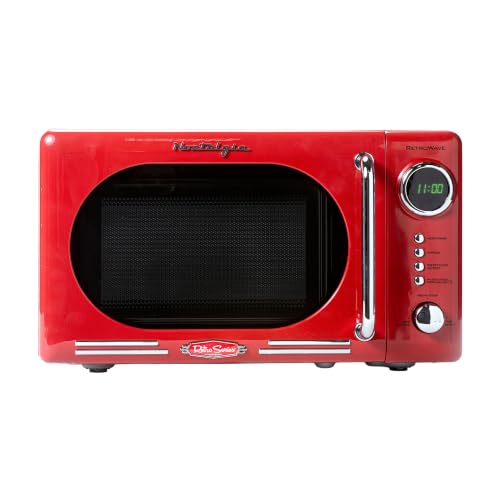

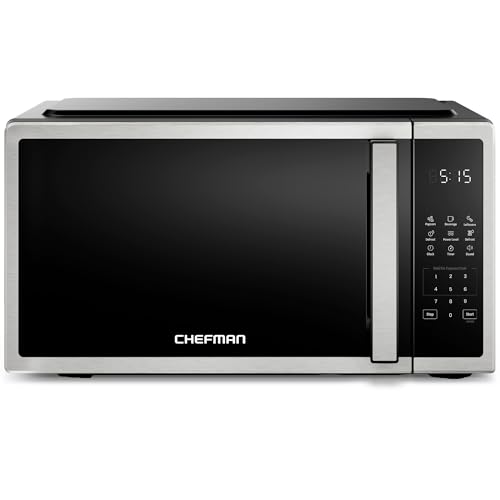


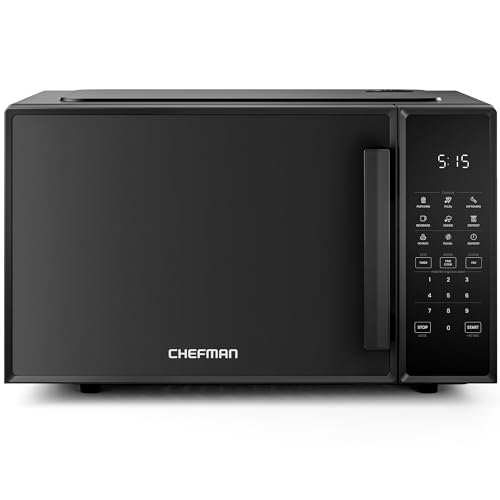
Check Capacity and Dish Fit First
Capacity is quoted in cubic feet, and for compact ovens the figure usually sits around 0.7 to 0.9. That is enough for a mug, a bowl of soup, or a dinner plate, but the number alone does not say whether your own dishes fit. Measure your largest plate and your most used bowl, then compare them with the turntable diameter and the interior height listed in the specifications. A turntable that is a little smaller than your favorite plate means it will catch the wall and stop turning.
Then measure the counter. Note the width and depth of the spot, the height to the shelf above, and the room the door needs to swing. Leave the ventilation space the maker asks for on the sides and the back, because blocked vents can make the oven overheat. In a tight dorm or office corner, a narrow body with a door that opens to the side or drops down can be the difference between a good fit and a daily nuisance.
How Much Power Does a Compact Microwave Need?
Wattage affects speed. Many compact ovens run around 700 watts, which heats a cup of coffee or a bowl of leftovers well but needs longer times than the instructions on frozen meals assume. A model closer to 900 watts heats faster and handles frozen dinners more comfortably.
Higher power is not always better in a very small cavity, because small portions can overheat at the edges. What matters more for even results is a turntable that turns smoothly and a cavity shape that lets the waves spread.
If most of your use is coffee, soup, and leftovers, power around the lower end is plenty. If you cook frozen meals or defrost meat often, look for a little more wattage and a defrost setting that works by weight or time.
Controls, Presets, and Safety Features
Simple dial or button controls suit quick reheating and are easy for guests and children to learn. Presets for popcorn, drinks, and defrost add convenience if you use them, but too many presets mean more menus and more to forget. A display that is easy to read in low light and an end signal loud enough to hear from the next room are small details that matter every day.
A child lock is worth having in a family kitchen. The door should open smoothly and latch firmly, and the seal around it should look clean and undamaged. If the door does not close firmly, the seal looks damaged, or the oven sparks, stop using it and read the maker's guidance, since a faulty door is not a do it yourself repair.
Compact Types: Basic, Grill, and Combination
Basic compact models focus on reheating, defrosting, and simple cooking at a low price. They suit dorms, offices, and single users who need the core functions only. Models with a grill element add browning and crisping for toast and cheese dishes, but they cost more and need extra cleaning around the element. Combination models add convection cooking so you can bake or roast small dishes, which helps in a kitchen that lacks a full oven, though they take more learning and more counter space.
If you are comparing sizes, the best compact microwaves cover the smallest end, the best midsized countertop microwaves add room for bigger dishes, and the best large countertop microwaves are for families who cook on a larger scale.
Budget and Value
Budget compact microwaves cover basic reheating well and cost the least. Mid range models usually add clearer controls, more even heating, and a sturdier door. Premium compact models focus on quieter running, refined design, and sometimes inverter power.
Pay for dish fit and even heating first, since those affect daily use most. If cost is your main filter, our guide to the best affordable countertop microwaves shows what a lower price gives up, and for the wider field see the best countertop microwaves.
Setup, Care, and Everyday Safety
- Place the oven on a stable, heat resistant surface with the ventilation space the maker specifies.
- Wipe splashes promptly and clean the door seal and the turntable ring so food does not bake onto them.
- Use only microwave safe containers, and never run the oven empty.
- Do not put metal or foil inside unless the maker explicitly allows a specific use.
- Soften stuck food by heating a bowl of water for a minute, then wipe the cavity with a damp cloth.
Common Mistakes to Avoid
- Buying without measuring the largest plate, which forces smaller dishes for every meal.
- Blocking the vents to squeeze the oven onto a shelf, which can cause overheating.
- Choosing the lowest wattage for frozen dinners, which makes every meal slow and uneven.
- Paying for grill or convection features that never get used.
- Forgetting the door swing, so the door hits a wall or a tap.
FAQ
What size microwave fits a small kitchen?
Measure your counter and your largest plate first, then pick a compact model that leaves ventilation space around it. A capacity of about 0.7 to 0.9 cubic feet suits most small kitchens, and the door swing should have clear room.
Is a higher wattage microwave better?
Higher wattage heats faster, but even heating, turntable quality, and dish size matter too. Around 700 to 900 watts suits most reheating and simple cooking, and very small portions can overheat quickly in a high power oven.
Can I put metal in a compact microwave?
No, not unless the maker explicitly allows a specific use. Metal, foil, and metal trimmed dishes can spark and damage the oven, so use glass, ceramic, or microwave safe plastic.
How do I clean a compact microwave?
Wipe the interior with a damp cloth after spills, wash the turntable in warm soapy water, and wipe the door seal gently. Steam from a bowl of water heated for a minute loosens stuck food, and harsh scouring pads should stay out of the cavity.
Can a compact microwave cook a full meal?
It handles reheating, defrosting, and simple cooking well, but large casseroles and roasts suit a full oven or a larger microwave. Use the compact oven for portions and simple dishes.
Final Thoughts
Measure your counter and your largest dish, then choose power and controls that match how you cook. A compact oven that fits the space and heats evenly will earn its spot every day. Use the product table to compare current options, and the best compact countertop microwaves for your kitchen will be the ones that suit your counter, your dishes, and your routine.


