Best Comfort Running Shoes: Cushioning, Fit and Gait Guide for Everyday Miles in 2026
Disclosure: We may earn a commission when you buy through links on this page, at no extra cost to you. As an Amazon Associate I earn from qualifying purchases. Learn more

The best comfort running shoes balance soft cushioning, a secure fit and a smooth ride. Compare stack height, drop and outsole for road, trail and walking.
Comfortable running shoes make people want to run, and uncomfortable ones end up in the closet. Comfort is not just softness: it is the balance between cushioning, support and fit, and it differs from one runner to the next. The best comfort running shoes feel natural from the first mile, with enough cushion for impact, a fit that holds the heel and a ride that rolls forward smoothly.
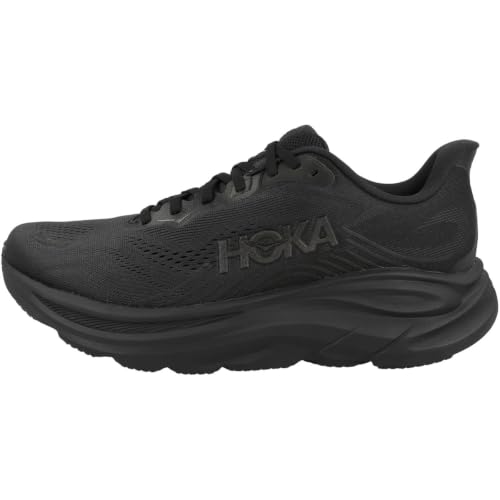
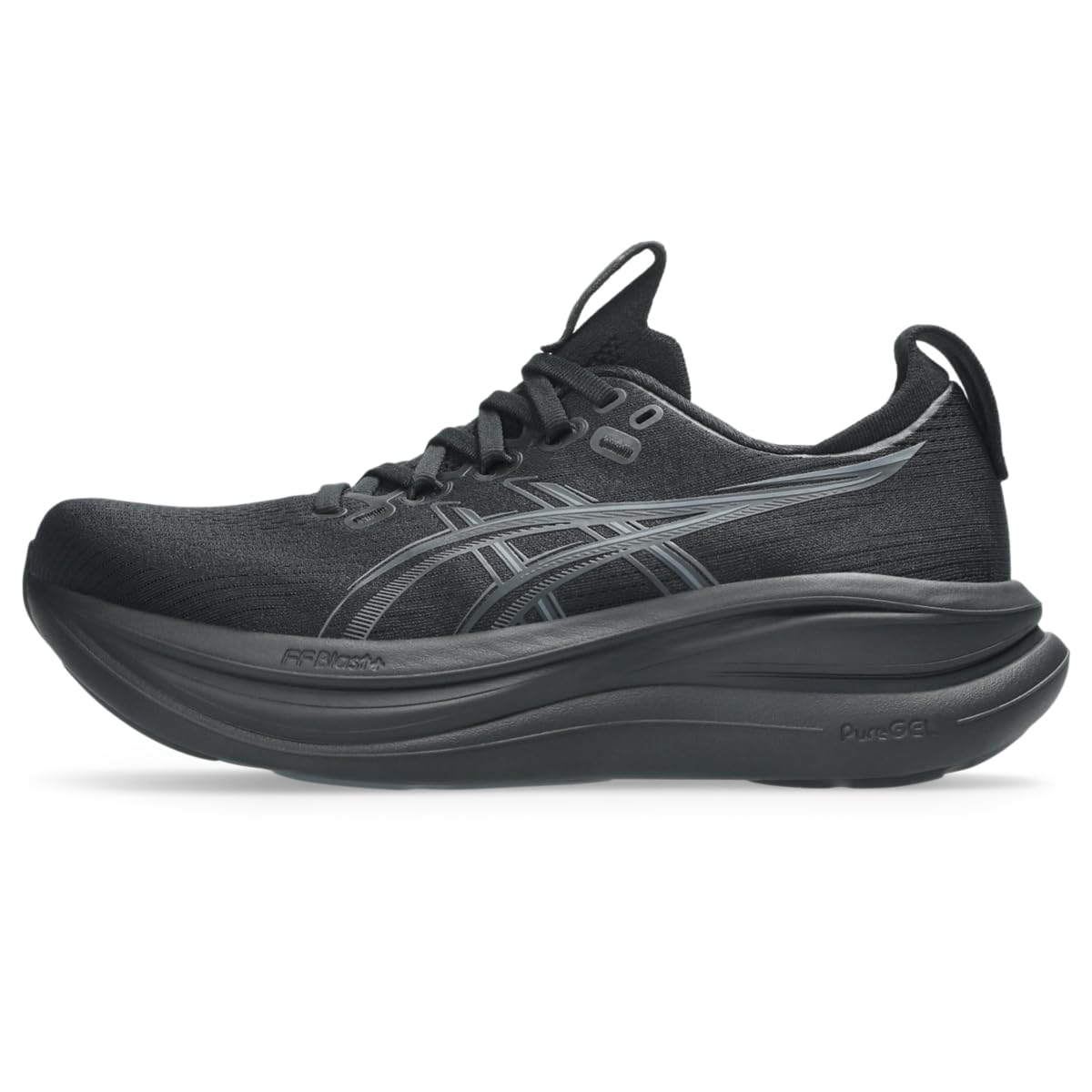
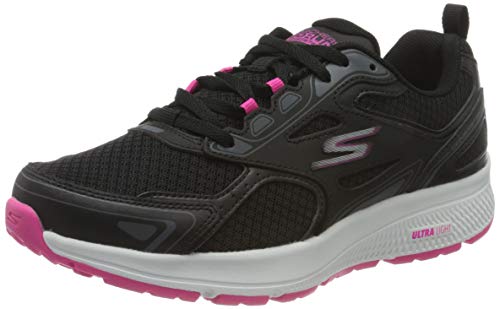
The product table above lists running shoes from several brands for men and women, from road trainers to trail oriented models and walking friendly options. This guide explains how to judge them by the features that matter, so you can choose a pair that suits your feet and your routine.




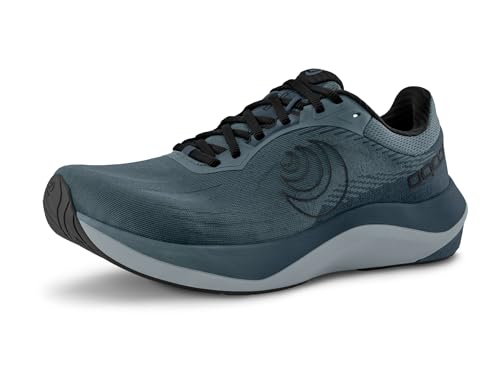
Cushioning in the Best Comfort Running Shoes
Foam Type and Softness
Modern midsoles use foams that range from soft and bouncy to firm and responsive. A plush foam feels great on easy runs and long walks, while a firmer foam is better for speed. If you run slowly or cover long distances, lean toward soft cushioning.
Stack Height
Stack height is the amount of material between your foot and the ground. High stack shoes feel cushioned and protect from hard surfaces but can feel less stable. Moderate stack heights offer a good balance for most runners.
Heel to Toe Drop
Drop is the height difference between the heel and the forefoot. A higher drop favors heel strikers and eases the calves, while a lower drop encourages a midfoot landing. Choose the drop that matches your usual stride, and change gradually if you want to try another.
Fit and Support
Length and Width
Leave about a thumb width of room in front of your longest toe, as your foot swells on a run. Many brands offer wide sizes, and a toe box that lets toes spread helps comfort. Try shoes in the afternoon, when your feet are fuller.
Heel Hold and Midfoot Lockdown
A secure heel prevents slipping and blisters, and a well shaped tongue and laces hold the midfoot without pressure. A padded collar adds comfort. If you can lift your heel easily inside the shoe, try a different size or lacing pattern.
Neutral or Stability
Neutral shoes suit most runners, while stability shoes add guidance for those who need it. Ask a running store to watch you move if you are unsure. If you have a medical foot condition, check with a doctor before choosing.
Outsole, Weight and Terrain
Road shoes have smooth, durable outsoles, while trail shoes have lugs for grip on dirt and mud. If you run on both, a light trail shoe with moderate lugs works as a hybrid. Weight matters on long runs, though a slightly heavier shoe with more cushion can feel better over many miles.
For related reading, see our guides to the best running shoes, the best male running shoes and the best ladies running shoes, plus the best nike running shoes and best tennis shoes for running pages.
Breaking In and Building Mileage
New shoes need a few short runs before a long one. Start with a walk or an easy mile, and check for hot spots around the heel and toes. Adjust the lacing, perhaps using a heel lock, and wear the socks you plan to run in.
Increase distance gradually, even if the shoes feel perfect. Sudden jumps in mileage cause aches regardless of footwear. A log of your runs, with notes on how each pair felt, tells you when a shoe is losing its cushioning and when it is time to retire it.
Socks, Insoles and Lacing
Socks matter as much as shoes. Moisture wicking socks reduce blisters, and cushioned zones add comfort in long runs. Check whether your shoes have a removable insole before adding your own, and experiment with lacing patterns to relieve pressure across the top of the foot.
Choosing for Your Routine
Easy Daily Miles
Runners who log short, steady runs most days want a durable, well cushioned trainer. Soft foam and a smooth heel to toe transition take the sting out of repeated impacts. A versatile model lets you use one pair for most runs and save a second pair for variety.
Long Runs and Walking Days
For long distances, cushioning and a roomy toe box matter most, since feet swell over time. Walkers and people who stand all day often prefer the same plush designs. Look for breathable uppers that stay comfortable in warm weather.
Trails and Mixed Surfaces
If your route includes dirt and gravel, a trail shoe with moderate lugs protects from rocks and grips loose ground. Rock plates and tougher uppers add protection but also weight. Many trail models are comfortable enough for road use too.
Quick Buyer Checklist
- Do you want soft cushioning or a more responsive feel?
- Do you run on roads, trails or both?
- Is there a thumb width of space in front of your toes?
- Does your heel stay in place without rubbing?
- Is the drop right for your stride?
- Do you need a wide size or stability features?
- Is there a return window to try the shoes on a short run?
Red Flags to Watch For
- Sizing that runs very small or large in many comments.
- A listing that does not say road or trail.
- Midsoles that flatten quickly according to owners.
- Uppers that tear near the toe in the first months.
- Very old models sold as current.
Care Tips
Rotate between two pairs if you run often, and let each pair dry fully. Remove insoles and let shoes air out, away from direct heat. Replace running shoes when the cushioning feels flat or the outsole is worn smooth, which for many runners happens after several hundred miles.
FAQ
Can I walk in running shoes?
Yes. Many people choose cushioned running shoes for walking and standing jobs.
How do I know when to replace my shoes?
Look for flat midsoles, worn treads and new aches. Many runners replace shoes every several hundred miles.
Should I size up?
Often half a size up gives toes room. Check the brand's sizing and try on both feet.
Think about your stride, your terrain and the cushioning you like. Then use the product table above to pick from the best comfort running shoes for your next mile.