
Best Bike Commuter Shoes in 2026: A Buying Guide
Disclosure: We may earn a commission when you buy through links on this page, at no extra cost to you. As an Amazon Associate I earn from qualifying purchases. Learn more

Commuters need shoes that pedal well and walk well: compare SPD, flat pedal and weather ready styles by sole stiffness, cleat recess, grip and fit.
A good commute asks two things of your feet: pedal efficiently for a few miles, then walk into the office, a shop or a train station without clacking or slipping. The best bike commuter shoes manage both, which is why race shoes rarely make the cut. This guide explains the main types, the features that matter, and the checks to make before you order.
Use the product table to see the range, then read on to match sole stiffness, cleat system and weather protection to your route.
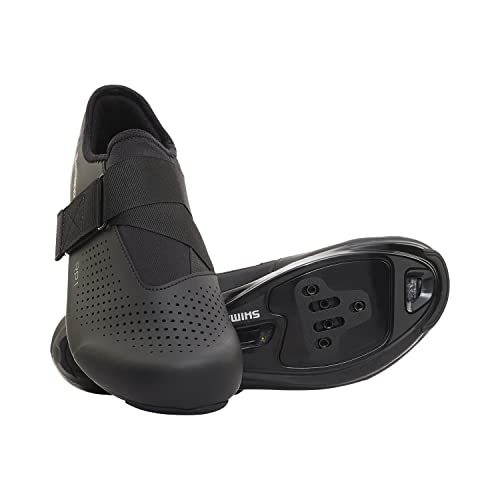
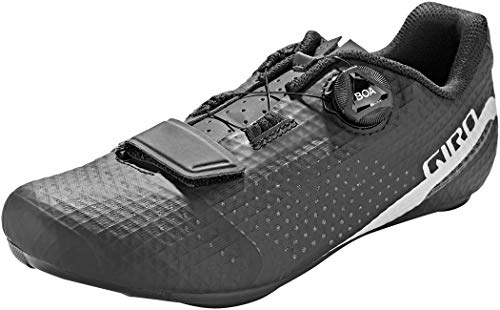


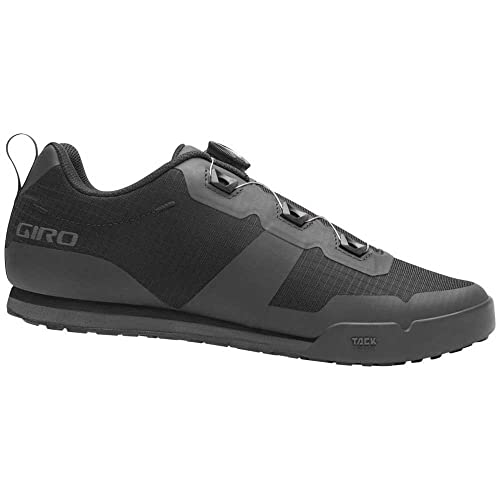
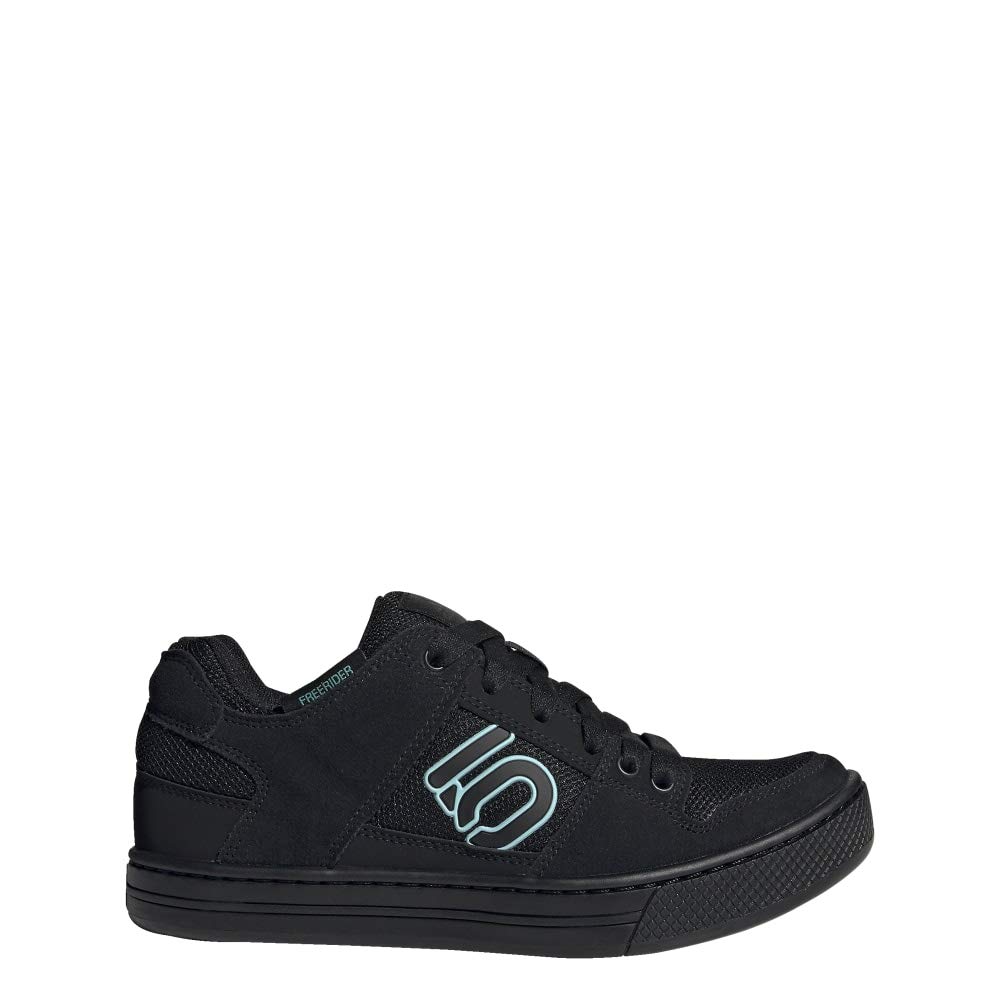


Who Should Buy Commuter Shoes for Cycling?
If you ride to work or errands several days a week, ordinary sneakers soon show their limits: a soft sole flexes under the pedal and tires your arch, and wet laces or canvas leave you soggy at your desk. Cycling shoes built for commuting add a firmer sole and better grip without looking like sportswear.
They suit people who want clipless efficiency but still walk a lot, riders who prefer flat pedals with a sticky sole, and anyone who changes shoes at work and wants a pair that survives daily wear. If you ride only a mile or two on dry days, a sturdy everyday sneaker may be enough.
Types of Bike Commuter Shoes
SPD Commuter Shoes
These have a recessed cleat so the metal does not touch the ground when you walk. You clip into a matching two bolt pedal for a secure, efficient pedal stroke. Recessed cleat shoes are the usual choice for commuters who want clipless pedals and also walk on pavement and office floors.
Flat Pedal Shoes
Flat pedal shoes use a flat, grippy rubber sole that works on any platform pedal. They are easy to get on and off in traffic, and many look like casual sneakers. The trade off is less efficiency on long climbs, since your foot is not locked to the pedal.
Water Resistant and Office Style Shoes
Some commuter shoes add sealed seams, a weather resistant upper or a smart leather look that suits work clothes. They cost more than basic models, but they spare you a change of shoes on wet days or in formal workplaces. Reflective details on the heel or upper also add visibility in low light.
Key Features to Check
- Sole stiffness: firm enough to pedal without foot fatigue, yet flexible enough to walk naturally.
- Cleat recess: a recessed cleat plate keeps metal off floors and stairs.
- Grip pattern: a tread that holds on wet pavement and polished office tiles.
- Weather protection: an upper that sheds light rain, and a sole that drains rather than soaks.
- Reflective details: visible trim for dusk and early morning rides.
- Closure: laces, a strap or a dial that stays secure and does not catch the chainring.
Choosing the Right Fit
Try shoes on with the socks you ride in and walk around to check for heel slip. Cycling shoes should feel snug at the heel and midfoot with a little room for your toes, since feet swell on longer rides.
Check cleat compatibility before you order. Most commuter shoes with a recess take two bolt cleats that fit common mountain style pedals, but road style three bolt cleats need a different shoe. Match the shoe to the pedals you already own, or plan to buy a pair of each together.
Think about office floors too. A stiff sole feels awkward on stairs and smooth tiles, so a moderate flex is often the best compromise for daily commuting.
Care, Safety and Common Mistakes
Wipe mud off after wet rides, dry shoes away from radiators, and check cleat bolts monthly because they loosen with use. Rotate two pairs if you ride every day. Check brakes and lights before commuting, wear a helmet, and ask a clinician about foot or knee pain that persists instead of riding through it.
- Choosing race shoes that are painful to walk in.
- Ignoring cleat and pedal compatibility.
- Skipping weather protection for year round commuting.
- Buying a size that pinches the toes on longer rides.
Getting More From Your Shoes
If you are unsure between clipless and flat pedals, start with the route. Long, steady rides with few stops favor SPD shoes, while short city hops with many stops and starts favor flat pedal shoes you can put a foot down in without thinking.
Give new shoes a week of short rides before a long commute, adjusting the cleat position a little at a time until your knees and feet feel natural. Carry a small cloth to wipe the sole before you step into the office.
Frequently Asked Questions
Are SPD shoes good for commuting?
Yes. A recessed cleat lets you walk almost normally, and clipping in improves pedaling efficiency. They suit riders who commute longer distances. For short city trips with many stops, flat pedal shoes can feel easier.
Can I wear regular sneakers to bike to work?
You can, and many people do on short rides. Soft soles flex under the pedal and can tire your foot over longer distances, so a firmer commuter shoe becomes worth it as your ride grows.
How should commuter cycling shoes fit?
Snug at the heel and midfoot, with a little toe room. Try them with riding socks, and walk around to check for heel slip before you commit.
Do I need waterproof cycling shoes?
If you commute all year, weather resistant shoes are worth it. Fully waterproof models can feel warm in summer, so many riders choose a water resistant pair and carry shoe covers for heavy rain.
How often should I replace commuter cycling shoes?
When the sole wears thin, the cleat plate loosens, or the upper no longer holds your foot. Daily commuters often replace shoes every year or two.
Final Thoughts
Match the cleat system to your pedals, choose a sole that pedals well and still walks naturally, and add weather protection if you ride in all seasons. Chosen that way, the best bike commuter shoes feel the same on the bike and in the office. For related picks, see our guides to the best bike shoes and the best commuter shoes.


