
Best Commercial Backpack Vacuums at Every Price: What Your Money Really Gets You in 2026
Disclosure: We may earn a commission when you buy through links on this page, at no extra cost to you. As an Amazon Associate I earn from qualifying purchases. Learn more

Compare the best commercial backpack vacuums by price tier, weight, filtration and noise to match the right machine to your buildings.
Prices for backpack vacuums stretch from a few hundred dollars to well over a thousand, and product listings rarely explain what the extra money actually buys. This guide breaks the market into clear tiers so you can see where spending pays off and where it does not. By the end, you will know which features the best commercial backpack vacuums share, which upgrades suit your buildings, and which ones you can skip. The comparison table below gathers the key figures, and the sections after it explain how to read them.

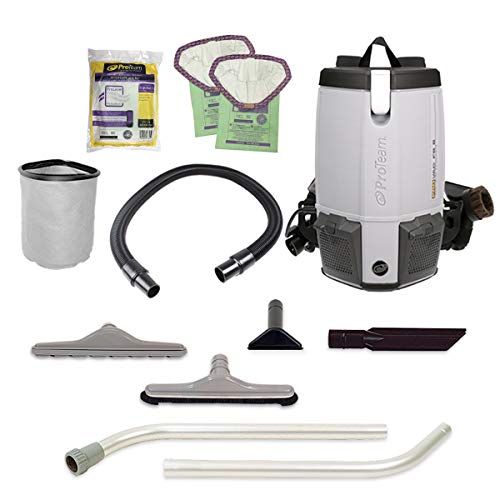


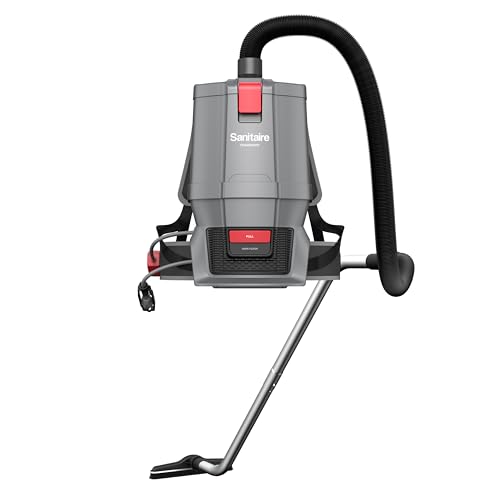
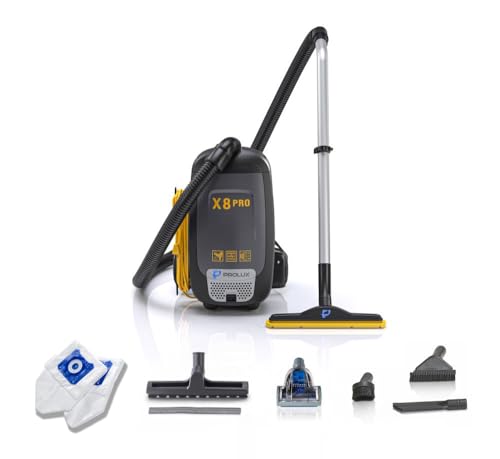
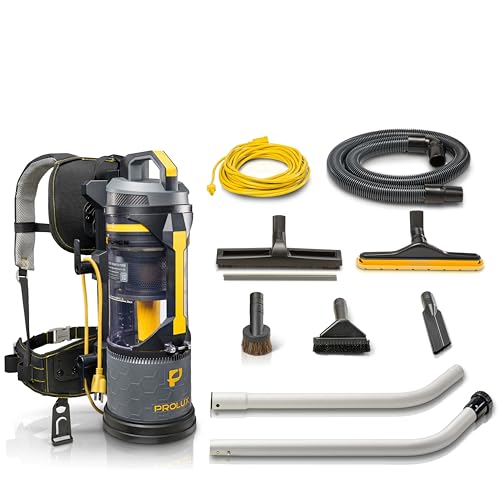

Three Budget Profiles for the Best Commercial Backpack Vacuums
Rather than naming individual models, judge any candidate against the profile for its tier. A machine that matches its profile is fairly priced; one that charges the next tier's money for this tier's hardware is not. If you are still comparing formats, our guide to the best commercial vacuums covers uprights and canisters alongside backpacks.
The Budget Profile
A sound budget profile, usually around $300 to $450, is a corded machine with a strong motor, a capacity of about 6 quarts, and a padded harness with a waist belt. You get a standard tool kit for hard floors and low pile carpet, cloth and paper bag options, and basic filtration. The compromises are weight, often near the top of the comfortable range, a louder motor, and fewer premium tools. This profile suits small cleaning crews, churches, and offices where the vacuum runs a few hours a day. Its main limitation is runtime flexibility: the cord dictates your route and outlet planning on every shift.
The Midrange Profile
The midrange profile, usually around $450 to $700, keeps the corded reliability and adds the comfort upgrades crews feel most: a lighter body, a harness that adjusts at the shoulders, chest, and waist, quieter operation, and HEPA level filtration with sealed airflow. Tool kits expand to include better carpet nozzles and crevice tools that actually reach. This is the tier most professional crews should buy, because the machine survives daily commercial use while staying comfortable across a full shift. Its limitation is that you still manage a cord, so very large open floors may favor a cordless addition rather than a replacement.
The Premium Profile
The premium profile, usually around $700 to $1,200, is dominated by cordless machines with swappable batteries and by top tier corded units with exceptional filtration and build quality. You gain freedom of movement, faster work in stairwells and furnished rooms, and lower noise. The compromises are purchase price, battery replacement costs, and shorter continuous runtime per battery, which means buying spares for long shifts. This profile suits airports, schools, and venues cleaned during occupied hours, where cords create trip hazards and noise complaints. Judge premium cordless models by runtime with the power head running, not by the gentlest low setting figure.
How Each Price Tier Plays Out in Daily Use
Budget Tier: What to Expect
At the budget tier, your money buys suction and capacity rather than comfort. Expect motors with strong air watts, simple switch controls, and harnesses that fit average builds but may not suit very tall or petite operators. Filtration is usually a multi stage system that captures large debris well but lets more fine dust through than HEPA systems. Parts availability is the hidden strength of established budget models: bags, belts, and hoses are cheap and easy to find. For a single site cleaned a few times a week, this tier delivers honest value and a low cost per clean.
Midrange Tier: The Sweet Spot for Most Buyers
Midrange money buys the upgrades that change daily work: lighter housings, harnesses that spread load onto the hips, quieter motors that allow daytime cleaning, and true HEPA filtration that keeps fine dust out of the air your clients breathe. You also get better strain relief on cords, stronger hose cuffs, and tool kits matched to mixed flooring. For crews billing by the hour, the comfort gains alone repay the difference through faster, less tiring shifts. This tier also holds resale and trade value better, because its feature list matches what most buyers search for, as our overview of the best backpack vacuums shows.
Premium Tier: When Spending More Pays Off
Premium spending pays off when cords genuinely block the work: crowded restaurants, theaters with fixed seating, stair heavy buildings, and sites cleaned while occupied. Cordless freedom removes outlet hunting and cord wrangling, which can save real minutes per room. Premium corded machines justify themselves differently, through filtration certification, very low noise, and durability measured in years of daily shifts. Spending more does not pay off for a small office cleaned after hours, where a midrange corded unit does the same job quietly enough. Match the tier to the building, not to the brochure.
Features Worth Paying For (and Ones to Skip)
Floor Types (Hardwood, Carpet, Area Rugs)
The floor tool decides cleaning quality more than raw suction. For hard floors, a soft bristle or parquet style floor brush glides without scattering debris or scratching finishes. For carpet, an air driven or electric power nozzle agitates fibers and lifts embedded grit; on low pile commercial carpet a good combo tool may suffice. Area rugs with fringe need a tool you can lift and place rather than push across the edge. Pay for a kit that covers your actual floors, and skip extra attachments for surfaces your buildings do not have. Crews working mixed sites should read our guide to the best vacuums for commercial cleaning for tool matching advice.
Vacuum Type (Upright, Canister, Stick, Robot, Handheld)
Within the backpack category, the real choice is corded versus cordless and bagged versus bagless. Corded models give unlimited runtime and steady power; cordless models trade runtime for freedom, covered in our guide to the best cordless backpack vacuums. Bagged designs hold more, filter better, and empty without a dust cloud, which matters in offices and healthcare settings. Bagless backpacks are rare commercially because emptying bins slows crews and spreads dust. Other formats still have roles: uprights suit wide open carpet, canisters suit detail work, but for sustained coverage with freedom to move, the backpack format wins.
Weight and Maneuverability
Every pound on your back multiplies across a shift, so compare total weight with a full bag and tools attached, not the empty body figure. Models around 10 to 12 pounds feel manageable for most operators; heavier units need excellent harnesses to stay comfortable. Look for a waist belt that carries most of the load on your hips, padded shoulder straps, and a hose that exits at a comfortable angle for both right and left handed use. Compact bodies turn more easily in furnished rooms and stairwells. If several staff share one machine, quick harness adjustment matters more than a small weight saving.
Noise and Maintenance
Noise decides where and when you can clean. Machines rated around 65 to 70 decibels allow conversation nearby and suit daytime work in offices and schools; louder budget units push cleaning to empty hours. Ask for the rating measured during normal operation, not at the lowest setting. Maintenance costs are predictable: bags and filters on a schedule, hoses and cuffs as wear items. Choose models whose filters wash or replace easily without tools, and confirm that replacement bags are stocked by multiple suppliers, because a vacuum waiting on a rare bag size earns nothing.
Long Term Costs to Factor In
The purchase price is only part of ownership. Bags typically cost a few dollars each and fill faster in dusty buildings, so estimate monthly bag use honestly. HEPA filters need periodic replacement, and cordless owners should budget for a second battery set partway through the machine's life. Cords, hoses, and floor tools wear out on commercial schedules, and a brand with strong parts supply keeps those costs low and downtime short. Warranty length matters commercially: two or three years of coverage on the motor signals a machine built for daily work. Add it up over three years, and a midrange machine with cheap consumables often costs less to own than a budget machine that eats bags and filters.
Commercial Backpack Vacuums: Your Questions Answered
How often should I replace the filter?
Replace or wash filters on the maker's schedule, commonly every three to six months for HEPA filters in daily commercial use, and sooner if suction drops or the exhaust smells dusty. Foam prefilters usually wash monthly and dry fully before reuse. A neglected filter forces the motor to work harder, which shortens motor life and raises noise. Mark filter changes on the same calendar as your other equipment servicing so nothing drifts. In very dusty environments like renovation cleanup, check filters weekly; fine drywall dust clogs media far faster than office dirt.
Are cordless vacuums strong enough for carpet?
Modern premium cordless backpacks are strong enough for low and medium pile commercial carpet, especially with a powered nozzle, but they still trail top corded models on deep pile and heavily soiled entry mats. Their runtime also drops sharply at maximum power, which is the setting carpet needs. For mixed buildings, many crews pair a cordless unit for furnished areas with a corded unit for lobbies and mats. Judge carpet ability by air watts at the nozzle and by nozzle design, not by motor marketing numbers alone.
Is HEPA filtration necessary?
HEPA filtration is necessary in healthcare, childcare, and allergy sensitive offices, and it is a strong selling point for cleaning contractors bidding on quality focused contracts. It captures fine particles that standard filters exhaust back into the room, including much of the dust that resettles on surfaces after cleaning. For warehouses and workshops, standard multi stage filtration may be acceptable. Note that true HEPA performance requires a sealed system; a HEPA filter in a leaky housing does not deliver HEPA air, so look for sealed HEPA descriptions rather than HEPA style wording.
What type of commercial backpack vacuum is best for my home?
For a home, a lighter corded backpack in the budget or midrange tier usually suits best, since runtimes are short and outlets are plentiful. Homes with many stairs and mixed floors benefit most from the format, because you carry the weight once instead of dragging a canister behind you. Choose the smaller capacity size to keep weight down, and pick a quiet model if you clean while others rest. Very large homes cleaned in one session may prefer cordless freedom, but most households never use the runtime that premium cordless batteries provide.
Final Thoughts
Choose the tier by your buildings: corded midrange for most crews, premium cordless where cords block the work, and honest budget machines for light schedules. Prioritize harness comfort, sealed filtration, and parts supply, then check the product table above to compare the best commercial backpack vacuums against those priorities before you spend.

