
Best Commercial Kitchen Scale for Home Cooking (2026)
Disclosure: We may earn a commission when you buy through links on this page, at no extra cost to you. As an Amazon Associate I earn from qualifying purchases. Learn more

Compare bench, large platform and high precision styles to find the best commercial kitchen scale for your batches, bowls and storage space.
Sunday prep in a busy home kitchen can mean a stockpot on the stove, a cutting board full of onions, and a mixing bowl too wide for a small scale to read under. You need a platform with room, a display you can actually see, and numbers that settle fast. Choosing the best commercial kitchen scale for home use means matching that sturdy build to your counter space, household size, and budget.
This guide walks through the types, features, and costs that matter, and the comparison table below sums up the main styles at a glance. If you want the broader picture first, our guide to the best kitchen scale covers standard home models, while this article focuses on commercial designs and what they add for households that cook in volume.

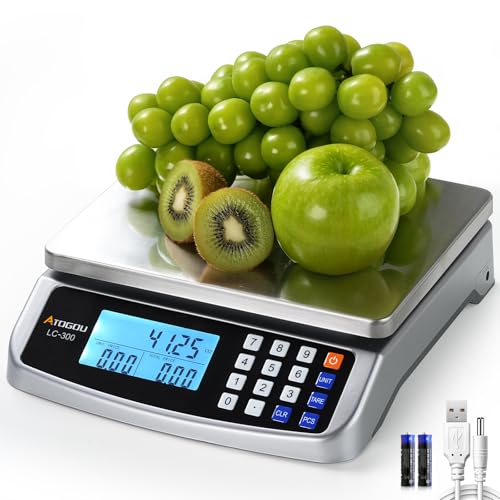

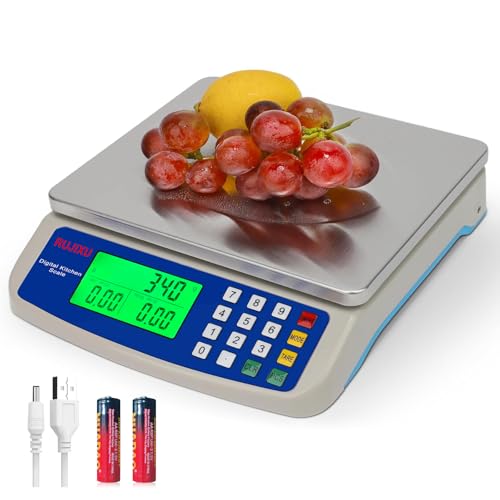

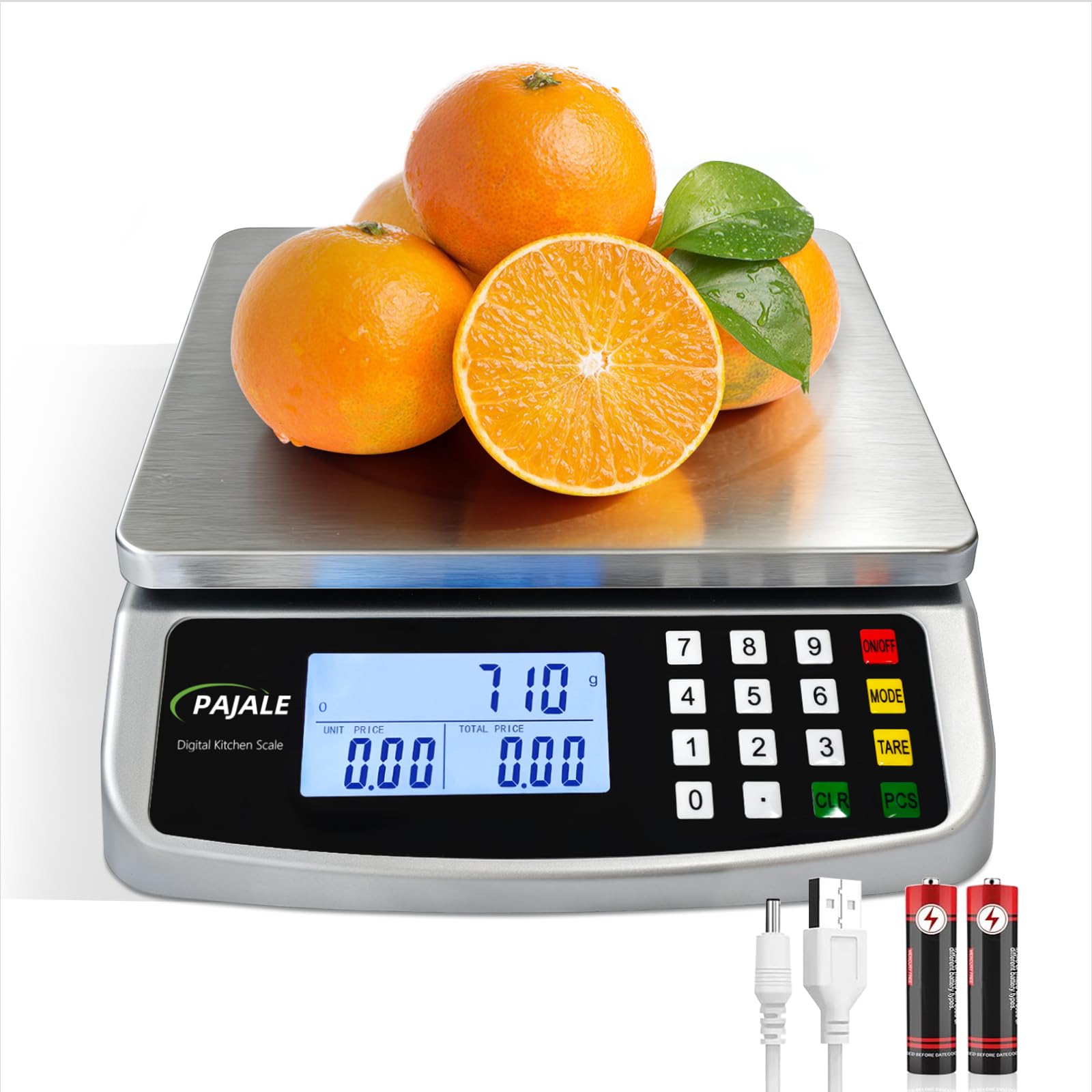
Quick Answer: Commercial Scale Types in 30 Seconds
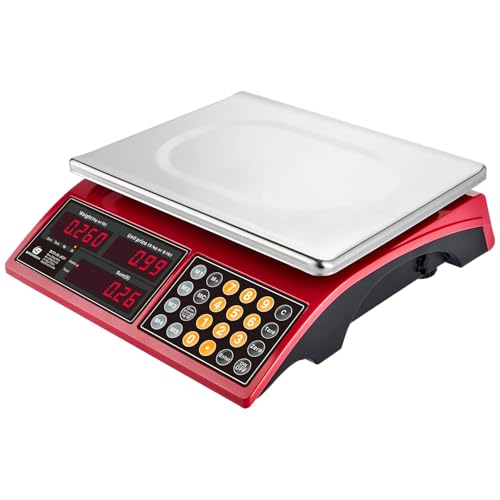
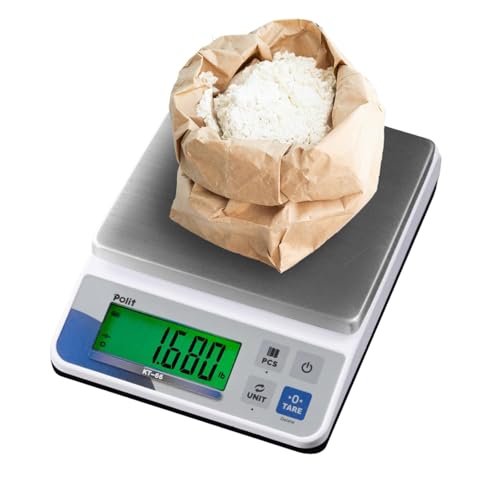
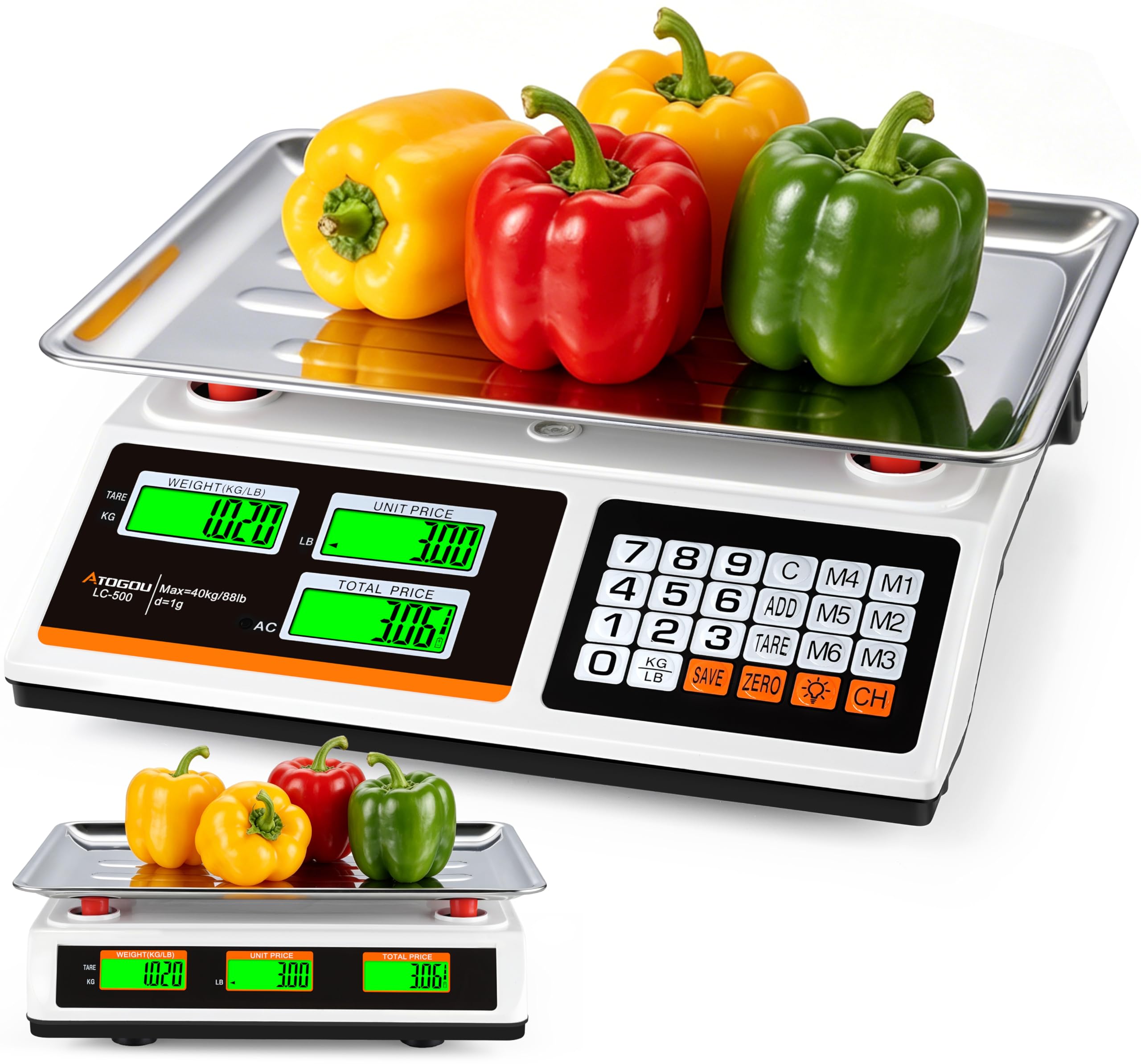
Commercial kitchen scales built for home use fall into three broad styles. A standard digital bench scale suits daily portioning and recipe work. A large platform scale handles bulk prep, big bowls, and heavy bags of flour or produce.
A high precision scale reads tiny amounts for baking and coffee. All three share the traits that define the commercial category: a strong platform, a clear display, and simple controls.
- Daily cooking and portioning: choose a standard digital bench scale with a medium platform and a tare button you can reach with a bowl in place.
- Bulk prep and big batches: choose a large platform scale with higher capacity and a display that sits where a wide bowl cannot hide it.
- Baking and coffee: choose a high precision scale that reads in small steps and responds quickly as you pour.
Before You Buy: A Quick Checklist for Choosing a Kitchen Scale
A commercial label covers a wide range of sizes and prices, so a short checklist keeps you from paying for capacity your routine will never use. Work through the points below in order: type first, then features, materials, cleaning, and budget.
Which Type Fits Your Routine
Start with what you weigh most often. Digital bench scales cover most home tasks, from chicken portions to bread dough, and they store easily in a drawer. High precision models read in steps as small as a tenth of a gram, which helps with yeast, salt, and coffee but usually means a smaller platform and lower capacity.
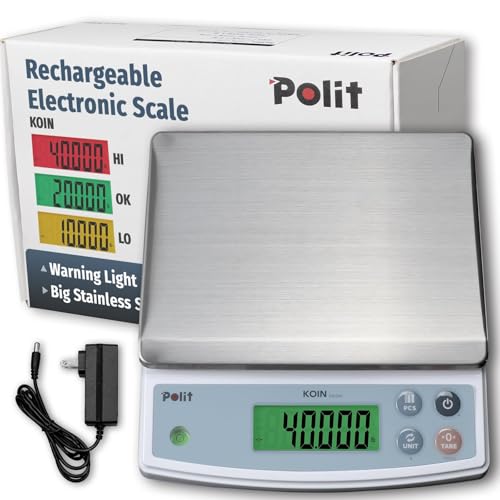
Smart scales add an app and nutrition data, which suits tracking but adds setup steps. Rechargeable models cut battery swaps, while sealed waterproof designs suit kitchens where spills are constant.
Features Worth Paying For (and Ones to Skip)
A fast, stable reading is worth more than a long feature list. Pay for a clear tare function, a display with large digits, and a pull out or raised display if you use wide bowls, since a bowl can cover a flat display completely. A timer matters mainly for coffee brewing. You can usually skip app connections, Bluetooth, and nutrition databases unless you already track meals that way, and readers focused on that goal may prefer the best kitchen scale for weight loss instead.
Materials and Food Safety
Most commercial platforms use stainless steel, glass, or sturdy plastic. Stainless steel resists stains and odors and wipes clean without holding smells from garlic or spices. Glass looks neat and cleans easily but can chip at the edges if a heavy pot knocks it.
Plastic costs less, though it can stain from tomato or turmeric. Whichever material you choose, look for a smooth surface with few seams, since seams trap flour and liquids and make cleaning slower.
Dishwasher Safe or Hand Wash
Almost every kitchen scale, commercial or not, is a hand wash item. The weighing sensors and electronics sit inside the body, so soaking the scale or putting it in a dishwasher can ruin it. What you can wash separately is a removable platform cover or a weighing bowl, if the model includes one. Plan on wiping the platform after each use and cleaning spills promptly.
Realistic Budget Ranges
Expect clear steps in what money buys. Under $25, you get basic digital scales with modest capacity and plastic or glass platforms, fine for light daily use. About $25 to $50 brings stainless steel platforms, faster readings, and better displays.
About $50 to $100 adds higher capacity, stronger construction, and rechargeable power on many models. Above about $100, you are paying for very high precision or very large platforms. If battery costs bother you, compare options among the best rechargeable kitchen scale models before you decide.
Types Compared: Three Commercial Scale Styles for Home Use
Instead of ranking individual products, it helps to compare the three styles side by side, since the right style matters more than small differences between similar models. The product table above lists current options.
Standard Digital Bench Scales for Everyday Portioning
This is the workhorse style: a flat platform, capacity often around 11 to 22 pounds, and readings in grams and ounces. It suits portioning meat, weighing pasta, and following recipes that list ingredients by weight. The platform fits most mixing bowls, and the whole scale slides into a drawer when counter space is tight. Choose this style if your cooking is varied and you want one scale that does almost everything.
Large Platform Scales for Bulk Prep and Big Batches
When you break down a case of chicken, mix dough for several loaves, or divide bulk grains into storage containers, capacity and platform size become the limits. Large platform models often handle about 33 pounds or more and give wide bowls a stable base. Many use a raised or separate display, which solves the problem of a big bowl hiding the numbers.
The trade off is storage, so measure your spot first. Bakers working at this volume may also want our guide to the best kitchen scale for baking.
High Precision Scales for Baking and Coffee
Precision models trade capacity for sensitivity, reading small amounts in fine steps so that 2 grams of yeast or 18 grams of coffee is measured rather than guessed. They respond quickly, which matters when you pour slowly and watch the numbers climb. Capacity is often only a few pounds, and the small platform suits cups and small bowls rather than stockpots. Choose this style as a second scale for bulk cooks, or as your only scale if your cooking centers on baking and brewing.
Our Selection Process for the Best Commercial Kitchen Scales
We judge commercial scales for home use on ease of use, durability, cleaning, design, and value, using manufacturer specifications and patterns in verified buyer feedback. Ease of use means controls you can work with wet hands and a display you can read at a glance. Durability means a platform and body that tolerate daily loads without drifting readings.
Commercial Scales Compared With Standard Home Scales
A commercial kitchen scale differs from a basic home scale in build and workload rather than in basic purpose. Commercial models use stronger platforms, higher capacities, and displays and buttons designed for frequent use with wet or floury hands. Standard home scales are smaller, lighter, and cheaper, and they serve light cooking well.
The gap shows when home cooking grows: bigger bowls, heavier batches, and daily use expose a small scale fast. If your current scale flexes under a full bowl or hides its display, the commercial style solves real problems. If you bake twice a month and portion little, a standard model is honestly enough.
Common Buying Mistakes to Avoid
- Buying capacity you cannot store: a large platform scale that has no home on your counter ends up in a cupboard and out of reach when you need it.
- Ignoring the display position: a wide bowl can cover a flat display completely, leaving you guessing at the weight of the ingredients inside it.
- Paying for smart features you will not open: an app you use twice adds setup and cost without improving a single weighing.
- Forgetting the cost of power: a scale that eats coin cell batteries during heavy use costs more over time than its price tag suggests.
- Choosing precision when you need capacity: a sensitive scale with a tiny platform cannot weigh a family size batch of dough, no matter how accurate it is.
Cost of Ownership and Care
Owning a scale is cheap compared with most kitchen gear, but a few habits protect your purchase. Budget for replacement batteries unless your model is rechargeable or plugs in, and keep a spare set so a dead scale never stalls a recipe. Store the scale flat, never with heavy items stacked on the platform, since constant pressure can strain the sensors.
Wipe spills at once and keep liquids away from buttons and seams. For a full routine, read our walkthrough on how to clean a kitchen scale. Learning how to use a kitchen scale with the tare function also prevents mess.
Your Questions, Answered
What is the most reliable kitchen scale brand?
No single brand owns reliability, and chasing a name matters less than the support behind the scale. Look for a clear warranty, a maker that publishes capacity and care guidance, and steady feedback from buyers who use the scale daily. A simple model with few electronic extras also has fewer parts that can fail. Reliability in your kitchen will come mostly from dry storage and gentle cleaning.
How do you clean a kitchen scale?
Unplug the scale or remove the batteries first if the design allows it, then wipe the platform with a soft cloth dampened with warm water and a little mild soap. Dry it fully before weighing again. The new point many owners miss is the feet and the underside: flour and grit stuck under a foot can tilt the scale slightly and shift readings, so brush the feet clean and set the scale on a flat, hard surface before you blame the sensors.
Is a kitchen scale worth it for home cooking?
Yes, if you bake, portion proteins, or follow recipes that list weights, which includes most European cookbooks and many modern baking books. Weighing flour alone removes the biggest source of variation in home baking, since a scooped cup can hold far more than a spooned one. A scale also speeds up portioning ground meat or dough into equal pieces. If you cook mostly by feel with forgiving dishes, you may use it less, but it still earns its drawer space.
How long does a kitchen scale last?
A commercial style scale used at home often lasts several years, and the end usually comes from damage rather than age. Drops, water getting inside the body, and long storage with weight on the platform are the common causes of failure. Drifting readings are an early warning sign: if the same known weight reads differently across the platform corners, the sensors have suffered. Treating the scale like an electronic instrument, rather than a cutting board, stretches its life.
Are commercial kitchen scales worth it for a home kitchen?
They are worth it when your cooking volume exposes the limits of a basic scale: wide bowls, heavy batches, or daily use that wears out light construction. The stronger platform, larger display, and higher capacity remove daily friction rather than adding features. They are harder to justify if counter space is scarce and your weighing is occasional. Match the purchase to your actual routine, not to the busiest week of your year.
What is the best commercial kitchen scale for a small kitchen?
Look for a standard bench style with a medium platform, a slim body you can stand on edge in a cupboard or slide into a drawer, and a display placed near the front edge where a bowl is less likely to cover it. Capacity around 11 pounds covers nearly all small kitchen tasks. Skipping the app and other extras keeps the body compact and the controls simple, which suits a kitchen where every item has to earn its storage spot.
Final Thoughts
The right choice comes down to fit: the style that matches your batch sizes, a display your bowls cannot hide, and a size your kitchen can store. Standard bench scales serve most homes, large platforms serve bulk prep, and precision models serve baking and coffee. Use the product table above to compare current options against those needs, and you will land on the best commercial kitchen scale for the way your household actually cooks.


