
Best Commercial Food Processor for Home Use (2026)
Disclosure: We may earn a commission when you buy through links on this page, at no extra cost to you. As an Amazon Associate I earn from qualifying purchases. Learn more

Compare large bowl, compact and continuous feed designs to find the best commercial food processor for your kitchen, household size and budget.
A big family dinner can mean pounds of onions, carrots, and cheese to prep before anything reaches the stove. A standard home machine often needs batch after batch, and the motor sounds strained long before the pile shrinks. Choosing a best commercial food processor for home use solves that volume problem, but only if the size and footprint suit your kitchen.
This guide helps you choose by space, household size, and budget. The comparison table below sums up the main types, and the sections that follow explain capacity, discs, safety, and ownership costs for the best commercial food processor in a home kitchen. If your cooking is mostly small and simple, our guide to the best food processor covers standard home models that may suit you better.


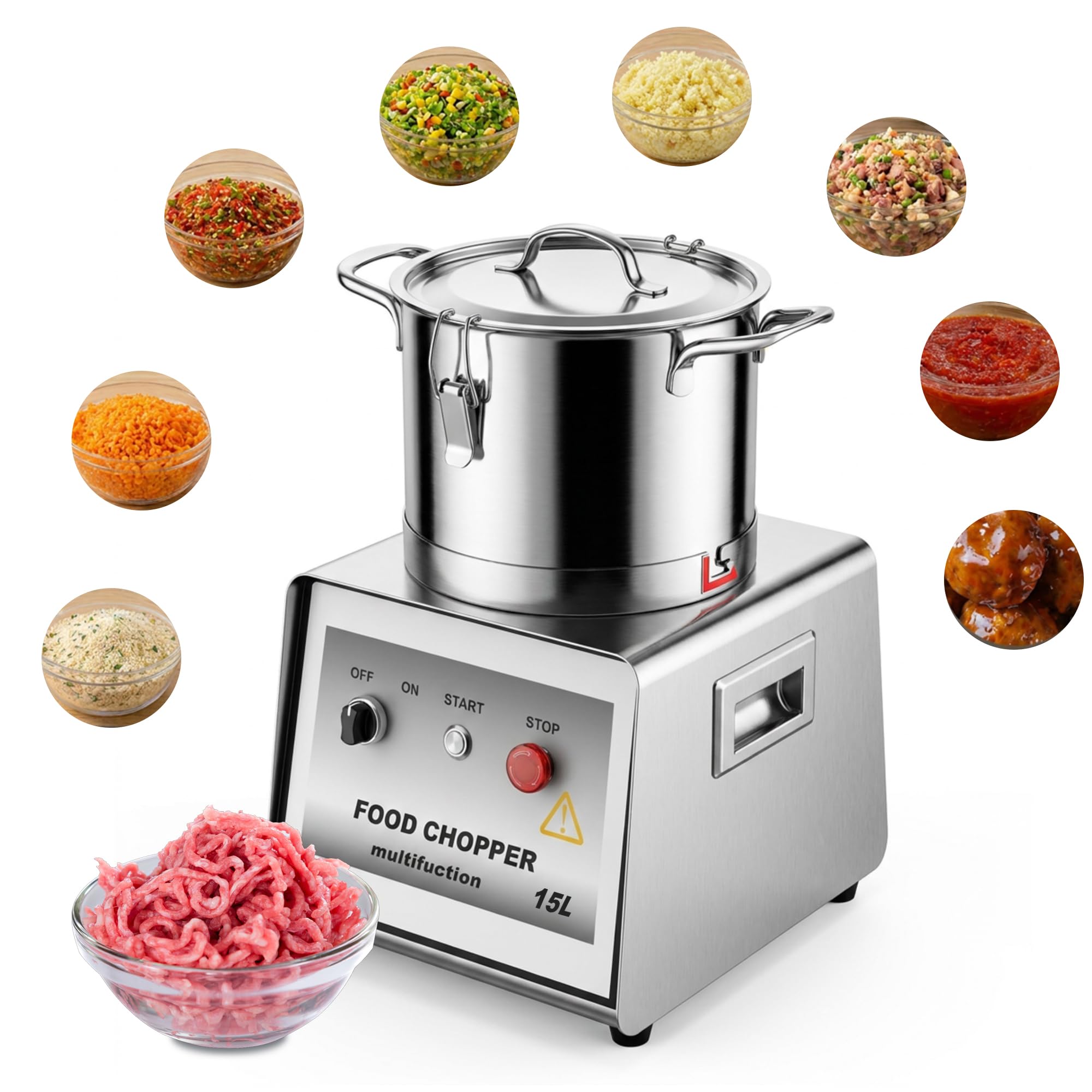
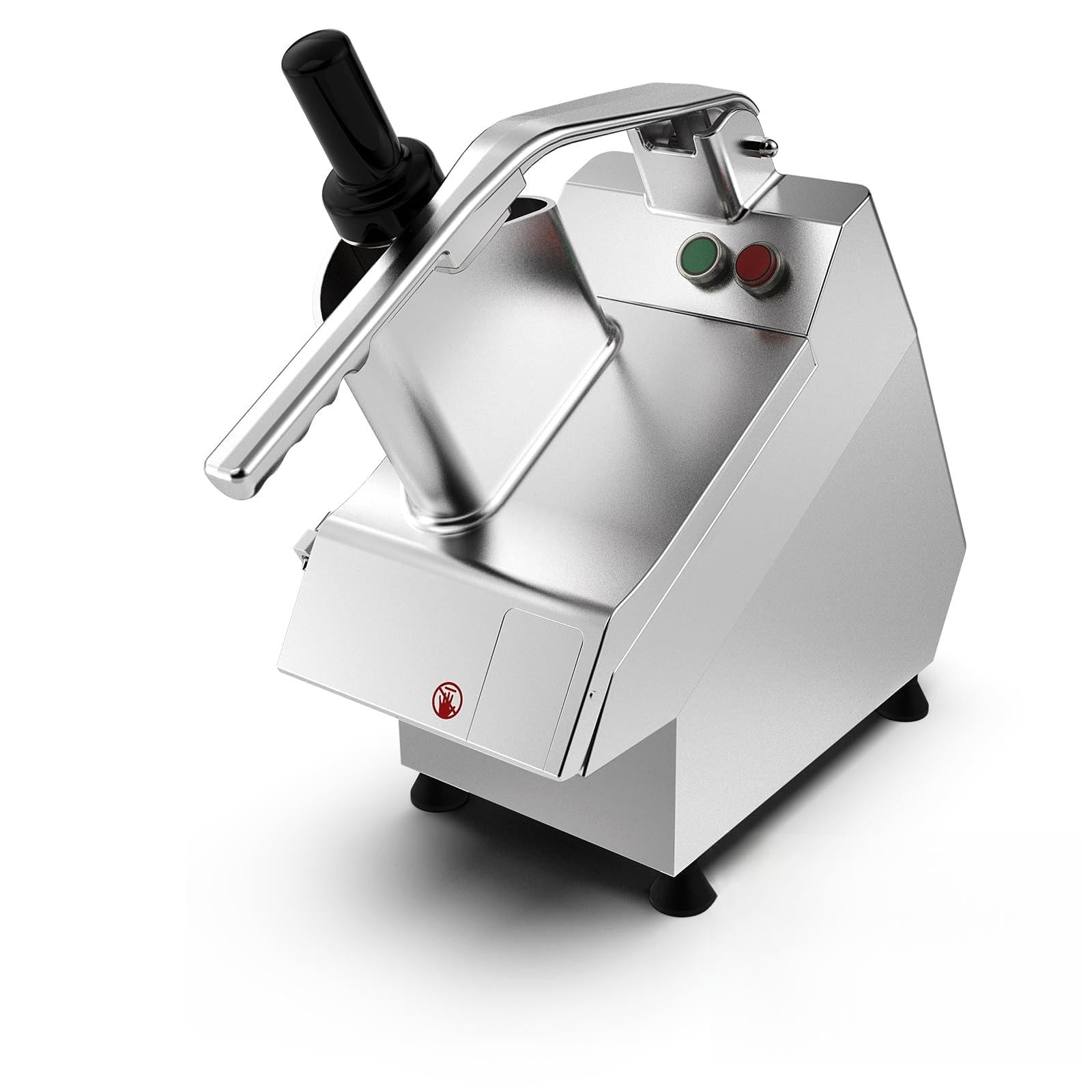
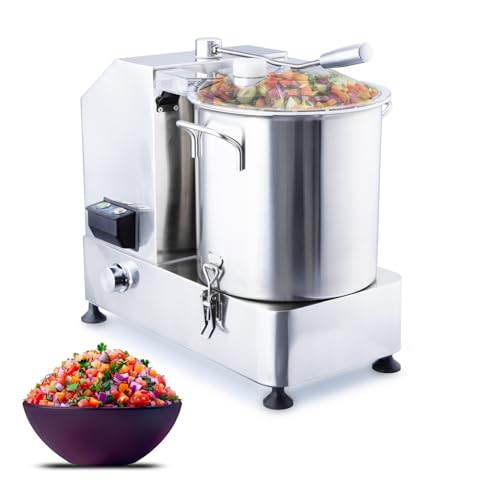
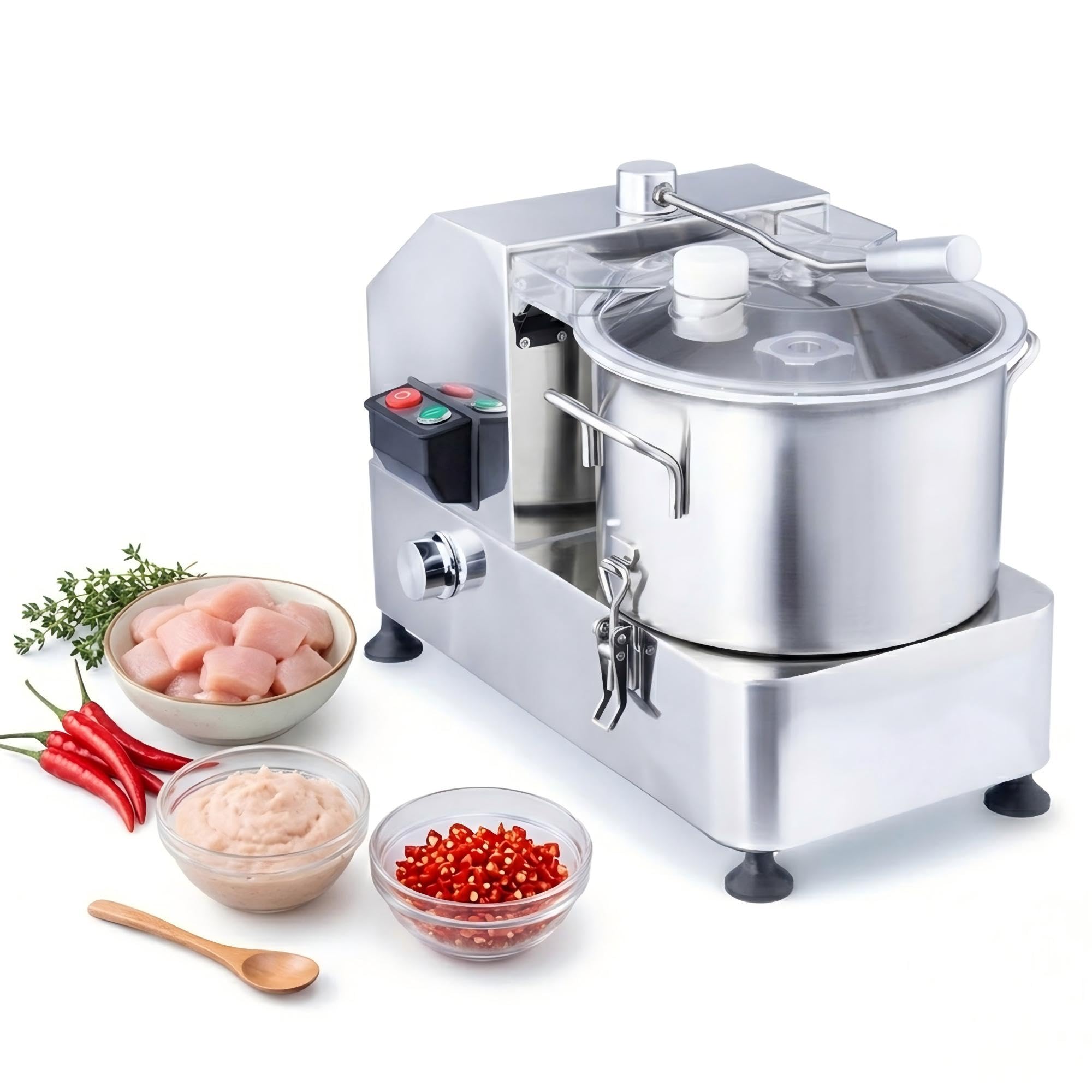
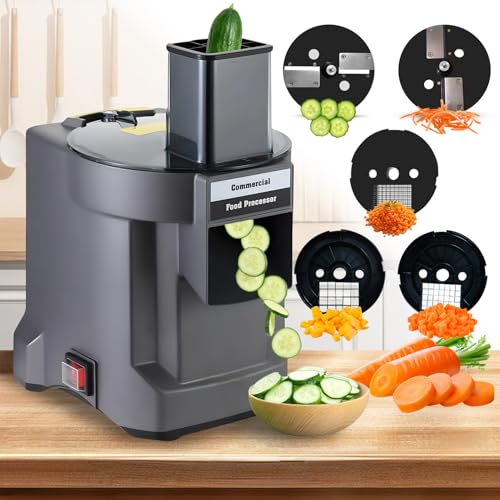
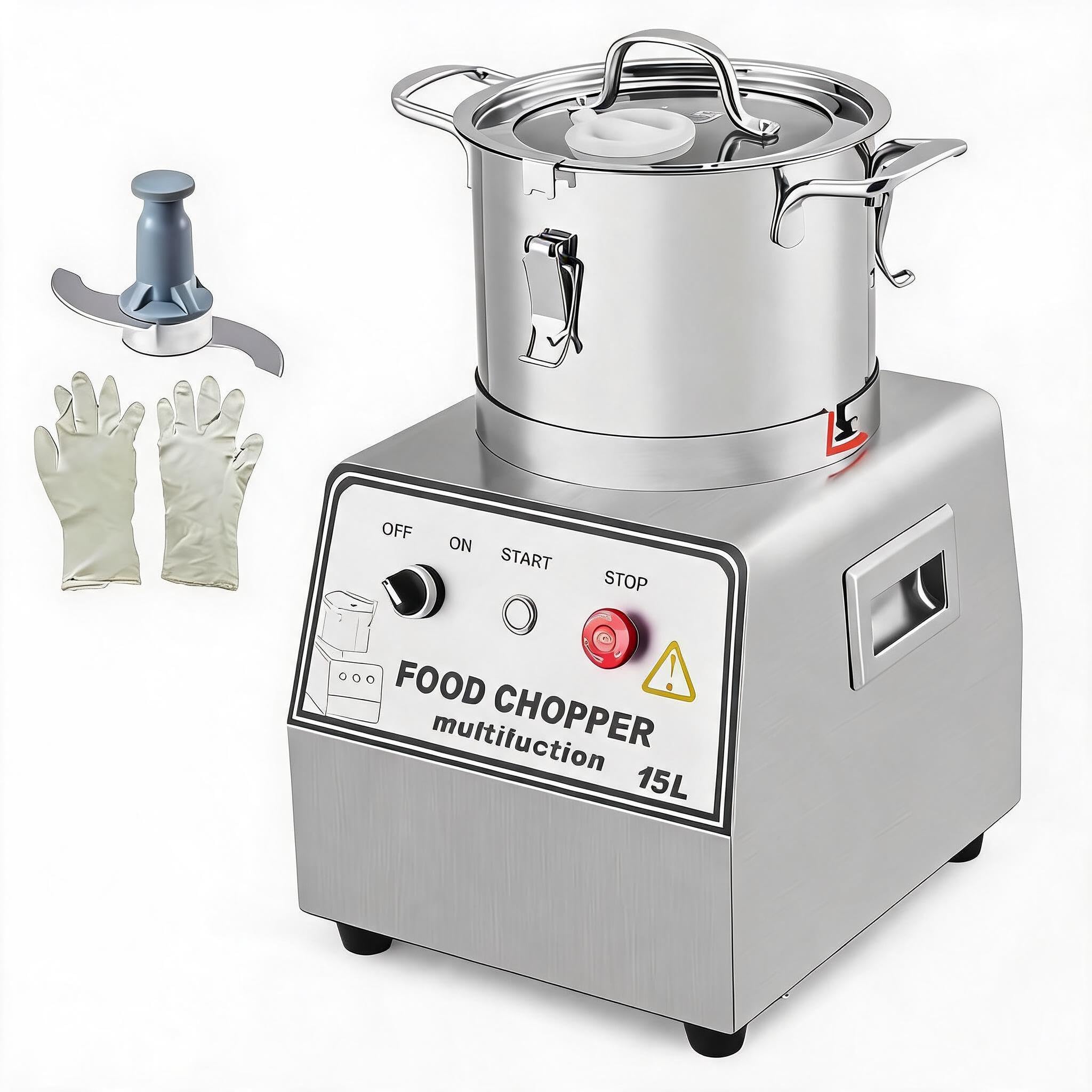
Quick Answer: The Types That Fit Real Homes
Three broad types cover most homes that want commercial strength without a restaurant kitchen.
- Large bowl models suit households of five or more, batch cooking, and dough work, thanks to wide feed tubes and strong motors.
- Compact commercial style models suit daily prep for two to four people and kitchens where storage space is tight.
- Continuous feed models suit garden produce, slaw, and cheese in volume, since prepped food drops into a separate bowl.
None of these types is right for every home. A large bowl model that sits unused because it is awkward to wash helps nobody, while a compact model run in six small batches wastes the time you hoped to save.
Before You Buy: A Quick Checklist for Choosing a Food Processor
Size: Match It to Your Space
Bowl capacity is listed in cups, and the useful range runs from about 3 cups in mini models to about 16 cups in the largest home friendly commercial styles. A 7 to 9 cup bowl handles dips, pastry, and weekday chopping for most couples. An 11 to 14 cup bowl earns its space when you shred blocks of cheese, slice several potatoes at once, or mix double batches of dough. Go larger only when your recipes truly call for it, since a half empty big bowl chops unevenly.
Which Type Fits Your Routine
Compact models favor quick jobs like salsa, pesto, and nut butters in small amounts. Full size bowl models cover the widest range, from slicing and shredding to kneading. Commercial and professional styles add stronger motors and discs built for long runs.
Manual models need no outlet but tire your arm on firm vegetables. If you mostly chop a single onion, our overview of food processor vs chopper explains when a simple chopper is the smarter buy.
Features Worth Paying For and Ones to Skip
A dicing kit helps when you prep large amounts of salsa or soup vegetables and want even cubes. A dough blade matters if you bake often, since it folds dough without tearing it the way a sharp blade can. Adjustable slicing discs and a sturdy grater disc cover the jobs most homes repeat weekly. A spiralizer is fun but often sits in a drawer, so treat it as a bonus rather than a reason to buy.
Wattage, Power and Energy Use
Home models often run at about 300 to 700 watts, while commercial style machines for home use commonly reach about 700 to 1200 watts. Higher wattage helps with dense loads like cheese, nuts, and stiff dough, but bowl shape and blade design matter just as much. A well shaped bowl keeps food moving through the blade, so a modest motor can outwork a stronger one in a poor bowl. Energy use per session stays small because most jobs finish in minutes.
Safety Features and Certifications
Look for a bowl and lid that lock firmly before the motor will start, plus a pusher that keeps fingers away from the discs. Listings from UL or ETL show the machine was evaluated against recognized safety standards in the United States, and that mark is worth checking on any powerful appliance. Stable feet keep the base from walking across the counter under load. Treat every disc as a knife when you wash it, grip it by the center hub, and store discs in a case rather than loose in a drawer.
Counter Space and Dimensions
Measure before you order. Many commercial style models stand about 15 to 17 inches tall, and standard upper cabinets often leave only about 17 to 18 inches of clearance above the counter. A machine that will not fit under the cabinets must live in a pantry or on open shelving, and that walk often decides whether you use it daily or monthly. Check the footprint too, since a wide base can crowd out other appliances.
Realistic Budget Ranges
Under $50 usually buys a compact or manual model suited to light chopping. About $100 to $150 covers solid mid size home machines with slicing and shredding discs. About $150 to $250 is where stronger motors, larger bowls, and better disc sets appear.
About $250 to $400 buys the commercial style builds discussed here, with heavier bases and longer warranties. Above that level you pay mostly for capacity and durability under daily heavy use.
Types Compared: Commercial Models for Home Kitchens
Large Bowl Models for Big Households
These machines pair bowls of about 12 to 16 cups with motors built for long runs. They shine at shredding cheese for a crowd, slicing cabbage for slaw, and mixing dough without stopping to split the batch. Wide feed tubes accept whole potatoes, which cuts your knife work before the machine even starts.
The trade off is weight and storage. A heavy base is a plus during use but a chore to lift into a high cabinet, so plan a permanent counter spot before you commit to this type.
Compact Commercial Style Models for Daily Prep
Smaller commercial style units keep the strong motor and solid locking parts of their larger siblings but use bowls of about 7 to 9 cups. They handle weekday tasks well, from chopping herbs and nuts to shredding a block of cheese for tacos. Because the parts are smaller, washing and storing them takes less effort.
Our guide to the best professional food processor shows how these models compare with full pro builds if you want even more capacity later. For most couples, this type is the balance point between power and convenience.
Continuous Feed Models for Produce Heavy Cooking
A continuous feed design sends sliced or shredded food out a chute into your own bowl, so the work bowl never fills up mid job. That layout suits canning days, big batches of slaw, and grating cheese for freezing. You can process a whole crate of cucumbers without stopping to empty anything.
The chute adds parts to wash, and pieces can scatter if your receiving bowl sits too low. Dough and purees still need a standard sealed bowl, so most homes treat this type as a second machine or choose a hybrid that offers both layouts.
Our Selection Process for Commercial Food Processors
We compare capacity, cooking performance, ease of use, cleaning effort, noise, safety, and warranty terms using maker specifications and patterns in verified buyer feedback. Capacity claims get checked against bowl measurements, and disc lists get matched to the jobs home cooks actually repeat. Where feedback repeatedly mentions a weak latch or a bowl that stains, we weigh it against the strengths.
What We Like and What to Watch With Commercial Models
Stronger motors chew through dense loads without the burning smell that signals strain. Metal drive parts and thicker bowls tolerate daily use, and wider tubes reduce the cutting you do by hand. Larger bowls mean fewer batches, which matters most on long cooking days.
The limits deserve equal weight. These machines are louder, heavier, and harder to store than basic home models. A big bowl also does a poor job on a quarter cup of herbs, tossing them around instead of chopping. If most of your prep is small, a standard model may serve you better and cost far less to own.
Common Buying Mistakes to Avoid
- Buying the largest bowl for status, then avoiding the machine because washing it feels like a project.
- Ignoring cabinet clearance, so the unit ends up stored far from where you cook.
- Paying for a large disc set your recipes never use, while skipping the adjustable slicing disc you need weekly.
- Skipping the cost of replacement bowls, lids, and blades when comparing two prices.
- Expecting a food processor to mash or dice as neatly as hand work, then blaming the machine for soft results on ripe tomatoes.
- Choosing by wattage alone and ending up with a strong motor in a bowl shape that chops unevenly.
Cost of Ownership and Care
Electricity costs stay minor because most sessions last minutes. The real costs are replacement parts. A cracked bowl or a dull blade can run about $30 to $80 depending on the model, and disc sets cost more. Wash the bowl, lid, and blades soon after use, and let parts dry fully before storage to prevent stale odors.
Our guide on how to clean a food processor gives a simple routine for the bowl and discs. Store blades and discs out of reach of children. A machine cared for this way commonly serves a home for years.
Pulse firm foods instead of running the motor nonstop, cut large pieces to a similar size so the blade meets even resistance, and never force the pusher down hard on a slicing disc. If you are new to the appliance, the walkthrough at how to use a food processor covers loading, pulsing, and disc handling in order.
Your Questions, Answered
What is the most reliable food processor brand?
Reliability depends more on the model line than the badge. Lines built for commercial style use tend to share stronger motors, metal drive parts, and longer warranties, and those traits predict a long service life better than brand reputation alone. Check that bowls, blades, and discs for the model are still sold, since a machine you cannot get parts for is hard to keep running.
How do you clean a food processor?
Rinse the bowl and lid right after use, then wash them in warm soapy water and dry them fully before storage. A bottle brush reaches the area around the center post where purees collect. One point worth adding is odor control. A paste of baking soda and water, left in the bowl for about fifteen minutes and then rinsed away, lifts strong smells from garlic and onion jobs.
Is a food processor worth it?
It is worth it when you repeat the same prep often, such as weekly shredding, slicing, or sauce making for a family. If you cook for one and chop a few vegetables twice a week, a knife and a small chopper may cover your needs at far lower cost. Count how many minutes of chopping you do in a normal week before you decide.
How long does a food processor last?
A home machine used weekly often lasts about 5 to 10 years, and commercial style builds can go longer because their motors and drive parts are made for heavier loads. Lifespan drops when the motor is strained by oversized frozen loads or when discs are stored loose so the edges dull.
Are commercial food processors worth it for a home?
They are worth it when your batch sizes regularly exceed what a standard bowl handles, or when you process firm foods like cheese and dough several times a week. The extra strength shows up as fewer stops and less motor strain. For occasional holiday cooking only, the higher price and storage burden rarely pay off.
Which commercial food processor suits a home kitchen best?
The best fit is the smallest type that still handles your largest regular job in one or two batches. That rule keeps power where you need it without giving up storage space you cannot spare. Households that bake often should weight the dough blade and motor strength highest, while produce focused homes should weight feed tube width and slicing discs highest.
Final Thoughts
Commercial strength only helps when the machine matches your space and the way you actually cook. Use the product table above to compare types side by side, then check bowl size, cabinet clearance, and disc sets against your weekly routine. Chosen that way, the best commercial food processor becomes the appliance you reach for on busy nights instead of the one gathering dust in a far cabinet.


