
Best Commercial Fishing Boots for 2026: How to Pick the Right One for Every Job
Disclosure: We may earn a commission when you buy through links on this page, at no extra cost to you. As an Amazon Associate I earn from qualifying purchases. Learn more

A clear guide to the best commercial fishing boots: deck grip, shaft height, insulation and fit with thick socks for long wet shifts.
No single boot suits every boat, dock and processing floor, because the water, cold and standing time change with each job. The best commercial fishing boots keep your feet dry, steady and supported through a full shift. Use the comparison table below to match height, grip and insulation to the work you actually do.
Start with your hardest normal day, not your easiest one. Note how deep the water gets, how slick the surface feels and how long you stand without a break. Those answers stop you paying for insulation or height you will never need.


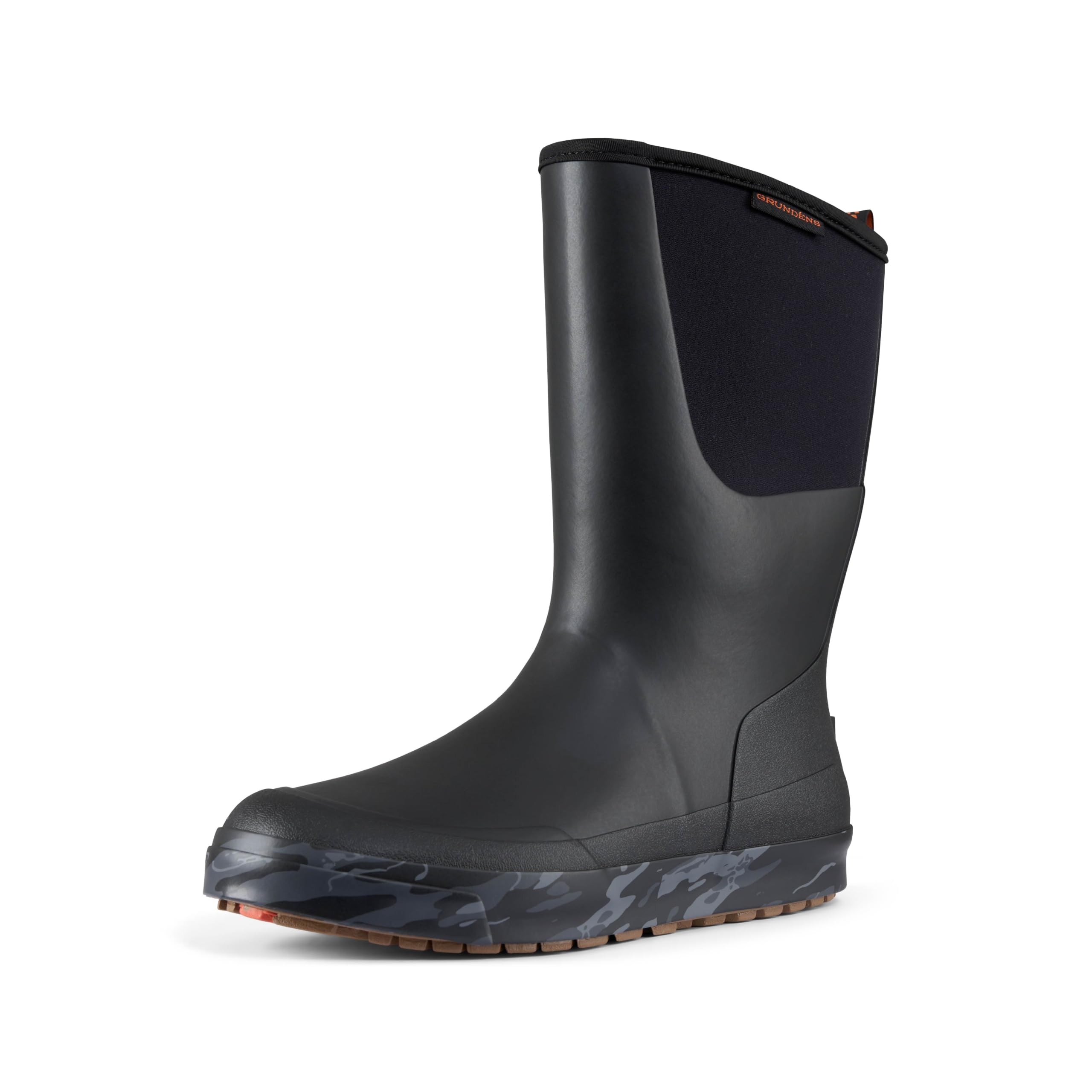


Who Should Buy Which Commercial Fishing Boots?
Your role decides which features matter most. Match the groups below to your shift before you compare prices.
Deck Crew Working in Rough and Wet Conditions
You move across slick decks, handle gear and face spray, washdown water and standing puddles for hours. Choose a tall rubber or neoprene boot with sealed seams, a deep tread outsole and room for thick socks. Height matters most for you, because water that tops a short boot soaks your socks at once and stays there all shift.
Dock and Processing Crew Standing All Shift
You stand on wet concrete or steel, often in one spot, and you lift, sort and carry through the day. Choose strong arch support, a cushioned insole and a wide, stable base. Waterproof construction still matters, but comfort underfoot decides whether your feet ache by midday. If your work is mostly on shore, see our guide to the best fishing boots for a broader look at shore and boat use.
Seasonal and New Crew Members
You need a boot that fits well from the first week, is easy to pull on with gloves and does not cost a premium price. Choose a mid calf or knee height rubber boot with a simple lining and pull loops you can grip fast. Skip heavy insulation unless your season is truly cold, because a warm boot on mild days makes feet sweat and feel damp anyway.
Key Features to Compare
Choosing the best commercial fishing boots starts with how each feature performs on a wet working surface. Compare these factors in order, because fit and grip affect safety and comfort every shift.
Sizing Rubber Boots for Long Deck Shifts
Measure your feet late in the day, when they are at their largest, and try boots on with the socks you wear at work. Your toes need room to spread inside the toe box, while your heel should stay put as you walk and climb. Many rubber boots come in whole sizes only, so a thick insole or a heavier sock can fine tune the fit. Leave a small gap in front of your longest toe, because feet swell during long shifts and cramped toes go numb in cold water.
Outsole Grip and Stability on Wet Decks
The outsole is your contact with a deck covered in water, fish slime and algae, so tread pattern matters more than tread depth alone. Look for wide channels that push water aside and siping, the small slits in the rubber that add edges on smooth wet surfaces. A broad, flat base gives stability when you haul a load. Soft rubber often grips better on slick steel and fiberglass, while harder rubber lasts longer on rough concrete.
Upper Materials, Waterproofing and Breathability
Most boots in this class use rubber, neoprene or PVC uppers, because those materials block water fully and rinse clean at the end of a shift. Neoprene adds flex and light insulation, while thicker rubber resists cuts around traps, crates and dock edges. Fully waterproof boots cannot be truly breathable, so makers use moisture wicking linings to move sweat away from your skin. A shorter membrane lined deck boot may feel cooler, but it will not handle deep water.
Arch Support, Cushioning and Weight
Standing on hard, wet surfaces for ten or more hours loads your arches, knees and lower back. Look for a shaped footbed with real arch support and cushioning under the heel and forefoot, plus a stiff shank that stops the boot twisting on ladders. Replaceable insoles let you add support without buying new boots. Weight counts too, because a heavy tall boot tires your legs as you step over gear.
Shaft Height, Insulation and Cold Protection
Shaft height runs from ankle and mid calf styles for docks to knee height styles for ramps, washdowns and standing water. Pick height by the deepest water you meet in a normal week, with a little margin for spray. Insulation ranges from thin unlined rubber for mild weather to thick neoprene and fleece lined boots for winter water. For extreme cold and standing on ice, see our guide to the best ice fishing boots to compare insulation built for frozen surfaces.
Durability, Toe Protection and Ease of Use
Commercial use punishes seams and toe caps, so check for sealed construction, reinforced toes and strong bonding between the upper and the outsole. Some jobs call for a steel toe or a composite toe, so check your employer rules before you buy. Pull loops and a kick rim at the heel help you get boots on and off fast, even with cold hands. If your work centers on rubber styles, see our guide to the best rubber boots for commercial fishing for a closer look at that construction.
Boot Types and Shaft Heights Compared
Short deck boots suit dry boats and warm weather. They are light and easy to move in, but they let spray and washdown water in over the top. Mid calf boots balance protection and freedom for most dock, aquaculture and processing work.
Tall knee height boots suit trawlers, wet processing floors and anyone who wades at ramps or works in deep washdown water. They give the most coverage, yet they feel warmer and heavier in summer. Choose the shortest height that keeps water out on your worst normal day.
Before you order, do a fit check at home. Walk up stairs, crouch as if lifting a crate and stand on one foot. The boot should feel steady, with no heel lift, no toe pressure and no calf rubbing.
Common Mistakes to Avoid
These errors are common and easy to prevent.
- Buying by price alone leaves you with thin soles that wear smooth and lose grip within one season.
- Sizing boots with thin everyday socks leads to a loose fit once you switch to heavy work socks or, in reverse, painful pressure.
- Choosing ankle height boots for washdown work lets water pour in over the top and soak your feet for the whole shift.
- Ignoring employer rules on toe protection can leave you with boots you are not allowed to wear on site.
- Keeping boots with cracked uppers or smooth outsoles raises your risk of slips and leaks that no insole can fix.
Care and Maintenance for Commercial Fishing Boots
Rinse your boots with clean fresh water after each shift, especially after salt water use, and wash off fish residue and mud before they dry on the rubber. Stand the boots upright in a shaded, airy place to dry, away from direct heat, because strong heat can crack rubber and weaken adhesives.
Check the outsole, seams and toe area each week for cuts, cracks or smooth worn patches. Store boots upright and out of strong sunlight, since sunlight ages rubber. If you own two pairs, rotating them gives each pair a full day to dry, which cuts odor and slows lining wear.
FAQ
Do commercial fishing boots need to be fully waterproof?
Yes, commercial fishing boots need to be fully waterproof for most boat, dock and processing work. Spray alone can soak a water resistant shoe in minutes, and standing water finds every stitched seam. One point worth checking is the tongue area on shorter deck styles, where laces can let water in. If a boot has laces, check that the tongue is fully attached along both sides before you trust it in washdown work.
Are expensive commercial fishing boots worth the cost?
Expensive commercial fishing boots can be worth the cost when you work full seasons and need stronger rubber, better grip and replaceable insoles. The extra money should buy a clear gain, such as thicker neoprene or a reinforced toe, not just a logo. Budget styles suit short seasons well. Keep your receipt and note the first day of use, because warranty claims often depend on that date.
Can I wear commercial fishing boots for a full shift?
Yes, you can wear commercial fishing boots for a full shift when the fit, support and lining suit your work. Plan for the last hour, not the first, because feet swell and small pressure points grow sore over time. A useful habit is to change into dry socks at a mid shift break, which lowers the chance of blisters. If numbness or sharp heel pain continues across several shifts, stop and get the fit checked in person.
How often should I replace my commercial fishing boots?
Replace your commercial fishing boots when grip fades, the upper cracks or water starts entering through the material itself. For daily commercial use that often means about one to two seasons, while occasional use can stretch longer. A simple home check helps: fill the boot with water to just above the sole line and watch the outside for five minutes. Any damp patch marks the spot where the boot has failed.
How should commercial fishing boots fit with thick socks?
Commercial fishing boots should feel snug at the heel and midfoot, with clear space for your toes to move, when worn with thick socks. Snug does not mean tight, because pressure across the top of the foot can slow circulation and make feet feel colder. Try both boots, since many people have one foot slightly larger. Size for the larger foot and adjust the smaller one with an insole.
Our Verdict
Put grip, waterproof height and fit with work socks ahead of every other factor. Then add insulation only for the cold you truly face, and support that matches your standing time. Use the product table above to compare shaft height, outsole pattern and weight.
Chosen that way, best commercial fishing boots become a practical work tool. Pick the pair that keeps you dry and steady on your hardest day.


