
Best Comfort Saddle for Mountain Bike: A Fitting Guide to Height, Tilt and Setback for 2026
Disclosure: We may earn a commission when you buy through links on this page, at no extra cost to you. As an Amazon Associate I earn from qualifying purchases. Learn more

The best comfort saddle for mountain bike riders depends on fit as much as foam. Learn saddle height, tilt, setback and width so any saddle feels better.
Riders often blame the saddle when the real culprit is how it is set up. A wonderful saddle at the wrong height or tilt feels awful, and an average saddle that is fitted well can feel excellent. The best comfort saddle for mountain bike riding is the combination of a shape that suits your body and a setup that puts your weight where it belongs, so this guide starts with fit and finishes with the choice.
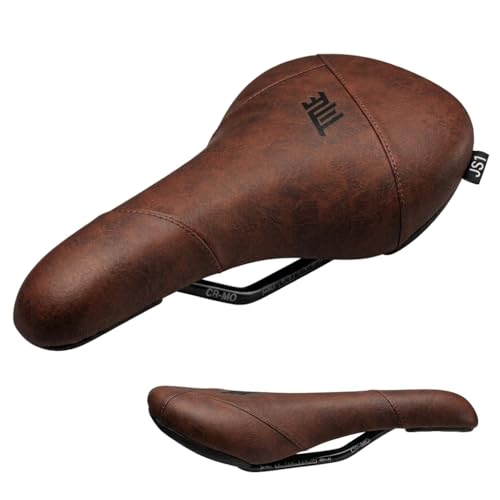
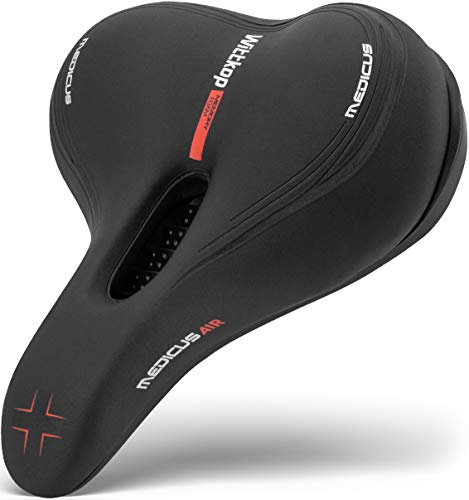
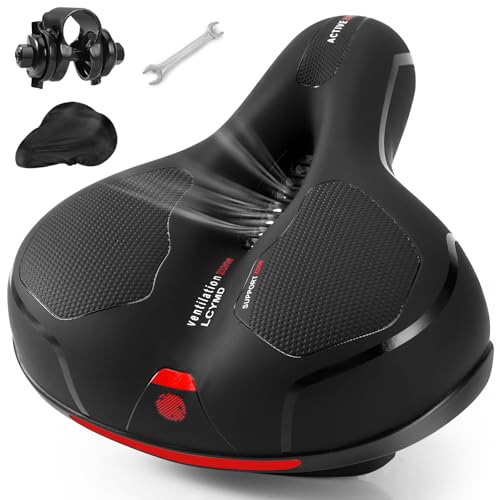
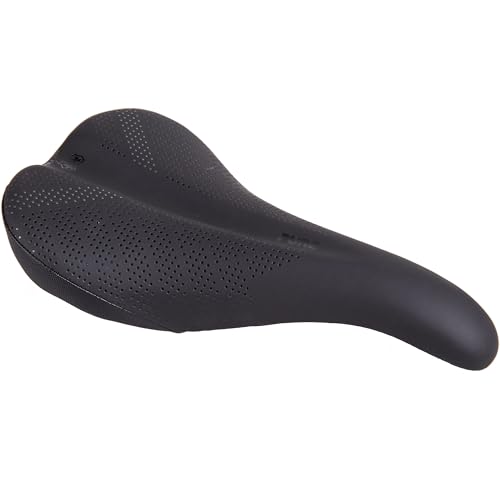
The product table above lists saddles with different widths, padding levels and shapes, which gives you something to compare once you know your measurements. Take ten minutes with a tape measure and a few basic tools, and you will choose and install a saddle with far more confidence.




Fitting the Best Comfort Saddle for Mountain Bike Use
Measure Your Sit Bones
Sit on a piece of corrugated cardboard or a gel pad and press down, then measure the distance between the two dents. Add a bit of width for the saddle you pick, depending on the brand's advice. A shop with a measuring tool does the same thing in seconds.
Set the Saddle Height
With your heel on the pedal at the bottom of the stroke, your leg should be nearly straight, so that your knee is slightly bent with the ball of the foot on the pedal. A saddle that is too low strains the knees, and one that is too high makes your hips rock. Move the seat post in small steps and ride between changes.
Adjust Tilt and Setback
Start with the saddle level, using a spirit level on top of it. A slight nose down tilt can relieve pressure for some riders, while a nose up tilt tends to slide you backward. Setback is the saddle's position along the rails, and it affects how your knee lines up over the pedal.
Saddle Choices After the Fit
Wide Padded Saddles
Wide saddles suit riders with wider sit bones and upright positions. They offer lots of cushion, which feels good on short rides. For long rides, thick padding can cause hot spots, so check how it feels after an hour.
Trail Saddles
Trail saddles are shorter and firmer, with moderate padding and a rounded nose. They let you move around the bike and support efficient pedaling. If you ride on rough ground, a durable cover is a bonus.
Noseless and Relief Designs
Noseless and cutout designs reduce pressure at the front, which some riders find helpful. They suit relaxed riding and some commutes. If you want to climb steeply, try a design with a short nose and relief channel.
Fine Tuning Over Time
Change one thing at a time and ride at least twice before the next change. Make notes of what you changed and how it felt. After a few rides, you will find a position that feels natural, and you can mark the seat post and rails so you can restore it after a bike transport.
If numbness or pain continues, ask a bike fitter or a doctor for advice, since some issues are best solved with a professional. For further reading, try the best mountain bike saddles, the best mountain bike saddle for men and the best comfort mountain bike seat guide.
Clothing and Technique That Support Comfort
Padded liner shorts cut friction and cushion the sit bones, and a clean, dry pair on every ride helps prevent chafing. Chamois cream is an option on long days. Look for shorts with flat seams and a pad that suits the length of your rides.
Technique matters too. Stand up over rough sections to let your legs absorb bumps, and shift your position on long climbs to avoid sitting in one spot. Core strength supports a steady position on the saddle, so a few simple exercises off the bike make the saddle feel better on it.
Troubleshooting Common Saddle Problems
Pressure in the Front
Front pressure often means the nose tilts up or the saddle is too far forward. Level it, or try a slight nose down angle, and check that your handlebar reach is not pushing you forward. A saddle with a relief channel may also help.
Sit Bone Pain
Pain in the sit bones usually points to a saddle that is too narrow or padding that has compressed. Measure again and try a wider shape. Make sure the saddle is not so high that your weight shifts to one side.
Inner Thigh Rubbing
Rubbing indicates that the saddle is too wide or the nose is too bulky for your pedaling style. Try a narrower model, or pick a shorter nose, and check that your shorts fit well.
Quick Buyer Checklist
- Have you measured your sit bones?
- Is the saddle height set so your knee is slightly bent at the bottom?
- Is the saddle level or slightly nose down?
- Does the saddle width match your measurements?
- Are the rails compatible with your seat post clamp?
- Do you want a cutout or a noseless design?
- Can you return the saddle if it does not fit?
Red Flags to Watch For
- One width recommended for every rider.
- No guidance about rails or clamps.
- Padding claims with no description of the base.
- Reviews that mention cracking within a few months.
- A saddle that needs extreme tilt to feel comfortable.
Care Tips
Check the seat post clamp bolts every few rides, and clean mud from the rails and cover. Store the bike under a roof if you can, since rain and sun age covers. Replace the saddle when the base flexes more than it used to.
FAQ
How do I know if my saddle is too high?
If your hips rock side to side while pedaling, it may be too high. Lower it a little and try again.
Should my saddle be perfectly level?
Level is a good starting point. Small changes can help, but large tilts often shift weight in a way that causes pressure.
How long should a saddle last?
A good saddle lasts for years. Replace it when the padding is flat or the cover and base are damaged.
Measure, set the height and tilt and then choose a shape. With that order, the best comfort saddle for mountain bike riding from the product table above will feel better from the first ride.


