Best Backpack Vacuums 2026 Cleaning Guide
Disclosure: We may earn a commission when you buy through links on this page, at no extra cost to you. As an Amazon Associate I earn from qualifying purchases. Learn more

Compare backpack vacuums for commercial and home cleaning. Learn about weight, battery, filtration, and comfort before you buy a model. Shop smart.
Choosing the best backpack vacuums starts with how long you clean and what surfaces you cover. A backpack vacuum frees both hands and moves with you, which suits stairs, theaters, offices, and large homes far better than dragging a canister behind you. Comfort, weight balance, and filtration matter more than raw suction alone.
The comparison table below compares the main types, and this guide explains corded versus cordless models, harness comfort, and filter care. Read it before buying, so the vacuum fits your body and your cleaning jobs.




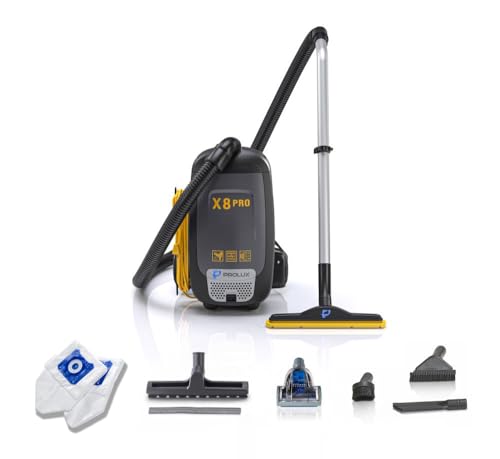

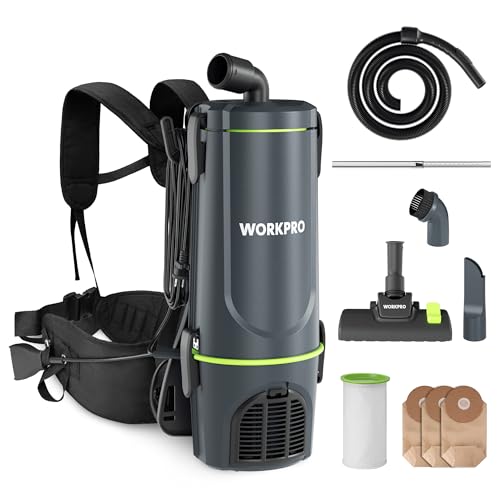
Corded Versus Cordless Models
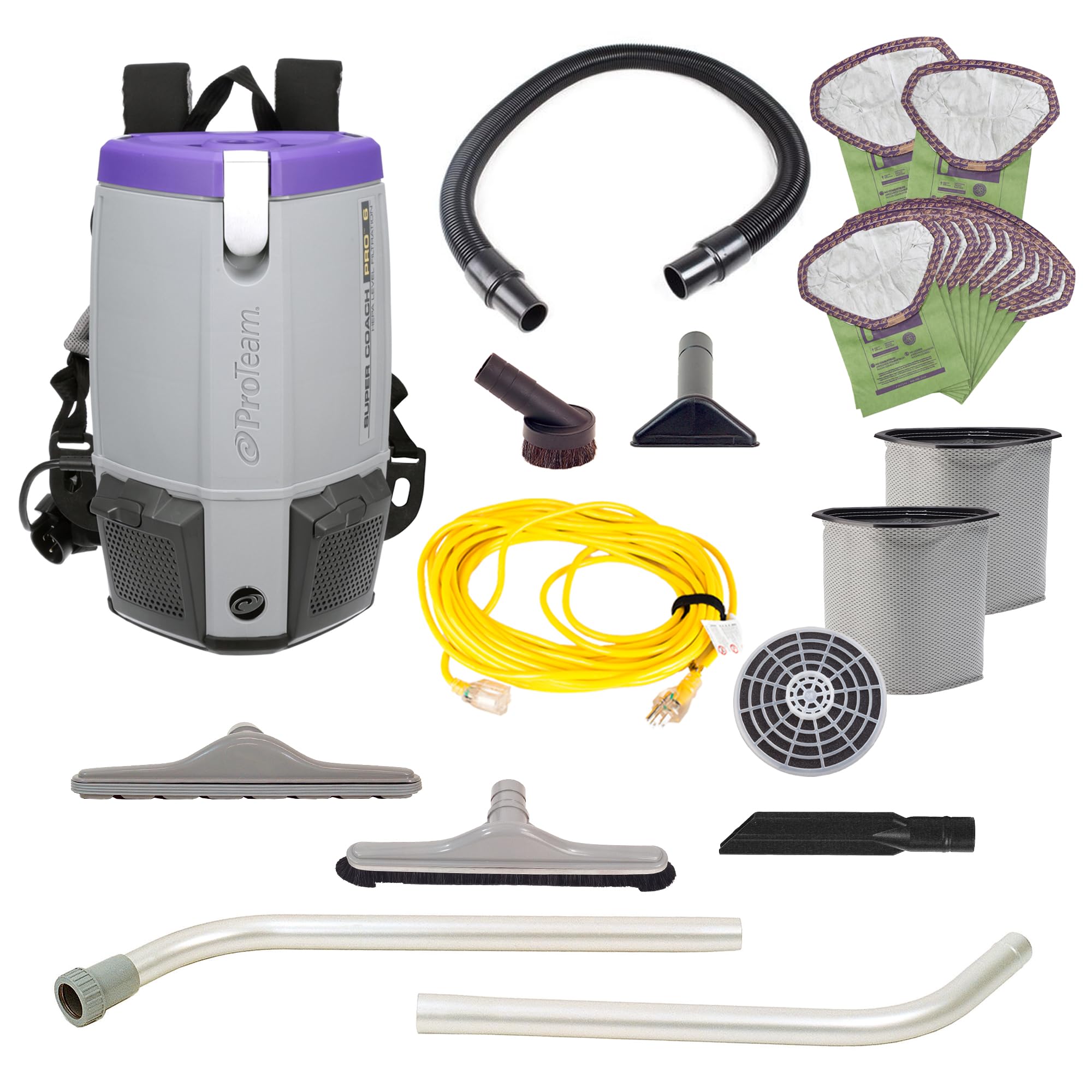
Corded backpack vacuums run indefinitely and usually offer stronger sustained suction, which suits long commercial shifts. The cord needs management, especially on stairs and around furniture, but a long cord and a careful route keep it manageable. Corded models also avoid battery replacement costs.
Cordless models offer freedom and speed, with no cord to trip over or reposition. Battery life limits session length, so check runtime at the power level you actually use. A spare battery doubles working time, and fast charging reduces downtime between jobs. Choose cordless for short, varied jobs and corded for long, steady shifts.
Weight, Harness, and Comfort
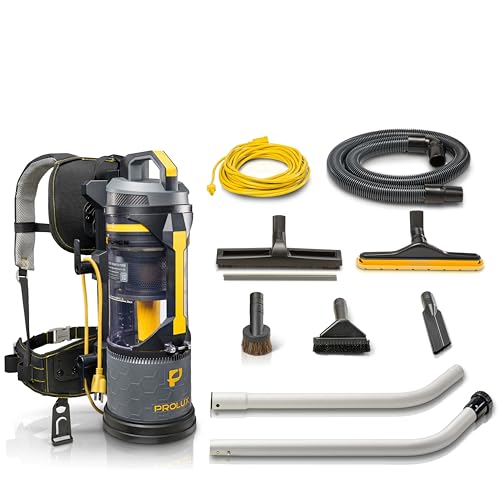
A backpack vacuum should distribute weight across hips and shoulders, not hang from the shoulders alone. A padded hip belt transfers much of the load to your legs, reducing back strain during long sessions. Adjustable straps let you fit the harness to your body, which matters if several people share the vacuum.
Test the vacuum loaded, since an empty unit feels lighter than it will in use. Walk stairs and bend as you would while cleaning, and check for pressure points. A well fitted harness feels secure without restricting breathing or movement, and it makes a long shift far more comfortable.
Filtration and Dust Control
Filtration decides how much fine dust escapes back into the room. A sealed system with a high efficiency filter traps allergens and fine particles, which matters in homes, schools, and healthcare settings. Check whether filters are washable or replaceable, and how often they need changing.
Bagged backpack vacuums contain dust neatly at emptying, while bagless models save bag costs but can puff dust when emptied. For allergy sensitive environments, bagged models with sealed disposal are usually cleaner. Whichever type you choose, empty or replace bags before they fill, since a full bag reduces suction.
Tools, Surfaces, and Maneuverability
A good tool set covers floors, stairs, upholstery, and crevices without constant swapping. A floor head that switches between hard floors and carpet saves time, while a crevice tool reaches edges and corners. Check hose length and flexibility, since a stiff hose fights you on stairs.
Backpack vacuums excel on stairs and in tight spaces, where canisters bump and tip. Practice moving through doorways and around furniture before a full shift, and learn to manage the hose so it does not catch. Smooth movement comes with a short learning curve, then cleaning speeds up noticeably.
Battery Care and Maintenance
For cordless models, charge batteries as the maker recommends and avoid leaving them flat for long periods. Store batteries in a cool, dry place, and rotate spares so wear spreads evenly. A battery that fades early often reflects charging habits more than a fault.
Clean filters, check hoses for blockages, and inspect the harness for wear regularly. A blocked hose or dirty filter cuts suction more than motor age does. Keep spare bags, filters, and belts on hand, so maintenance never delays a cleaning job.
A Final Check Before You Order
Before ordering, note your typical job length, surfaces, and whether stairs dominate your work. Compare those notes with the product table above, and prioritize harness comfort and filtration over headline suction. A vacuum you enjoy wearing gets used properly, while an uncomfortable one gets left in the cupboard.
Check parts availability for bags, filters, and batteries before committing. A backpack vacuum is a working tool, and easy maintenance keeps it earning its keep for years. With the right fit, cleaning large spaces becomes faster and less tiring.
For related vacuum options, see our guides to best cordless backpack vacuums, best commercial backpack vacuums, best vacuums for animal hair and best battery powered vacuums, covering cordless and commercial backpack models, pet hair, and battery powered cleaning.
Backpack Vacuums in Commercial Settings
Commercial cleaners value backpack vacuums for speed on stairs, in theaters, and across large offices. A backpack unit cleans a staircase in one pass without repositioning a canister, and it moves through rows of seats without bumping furniture. Training new staff takes a short session on harness fitting and hose management, after which productivity rises noticeably.
Noise matters in offices, schools, and healthcare settings, so check decibel ratings and consider quieter models for daytime cleaning. Some facilities clean during occupied hours, where a quieter vacuum avoids complaints and allows flexible scheduling. Balance suction against noise, since the quietest model may clean more slowly on deep carpet.
Fleet management for multiple units means standardizing bags, filters, and batteries so spares interchange. Label units, log maintenance, and rotate stock so wear spreads evenly. A standard fleet simplifies training and repairs, and it prevents a single unusual model from becoming a maintenance burden.
Ergonomics and Injury Prevention
Backpack vacuuming is physical work, and good technique prevents strain. Fit the harness snugly, use the hip belt, and keep the back straight while moving, letting legs do the work on stairs. Alternate tasks through a shift where possible, so no single muscle group bears load continuously.
Take short breaks to stretch shoulders, back, and wrists, especially during long commercial shifts. Report harness discomfort early, since a poorly fitted harness causes cumulative strain that appears gradually. Employers should offer harness fitting training and size options, since one size rarely fits every cleaner comfortably.
If pain persists despite good fit and technique, seek professional advice rather than pushing through. Back, shoulder, or wrist pain can signal an issue that rest and adjustment should address early. Ergonomic equipment helps, but it does not replace proper technique, breaks, and professional guidance when needed.
Noise and vibration affect cleaner comfort more than specifications suggest, especially during long shifts. A vacuum that hums loudly for hours causes fatigue and headaches, while excessive vibration numbs hands and shoulders. When possible, test a backpack vacuum for at least fifteen minutes before buying, noting noise, vibration, and harness pressure, since a short shop trial reveals discomfort that a specification sheet never shows.
Store backpack vacuums hanging or upright in a dry place, with hoses loosely coiled rather than sharply bent. Sharp bends kink hoses and restrict airflow, while damp storage encourages odor and mold in filters. Good storage keeps the vacuum ready and pleasant to use.
Frequently Asked Questions
Are backpack vacuums better than upright vacuums?
Backpack vacuums suit stairs, large areas, and commercial cleaning, because they move with you and free both hands. Uprights suit single rooms and quick home cleaning, where setup speed matters. For homes with many stairs or large open areas, a backpack vacuum often cleans faster and with less strain.
How heavy is a backpack vacuum in use?
Most backpack vacuums weigh between 9 and 15 pounds empty, plus dust and accessories. A good hip belt transfers much of that weight to your legs, so the felt load is lower than the scale weight suggests. Try the vacuum loaded and adjusted, since harness fit changes perceived weight greatly.
Do cordless backpack vacuums last a full shift?
Runtime depends on power setting and battery size, with many models offering 30 to 60 minutes per battery. A spare battery doubles that, and lower power settings extend runtime for light dust. For full commercial shifts, corded models or multiple batteries are more practical than a single battery.
Are backpack vacuums good for allergies?
Yes, if they use a sealed filtration system with a high efficiency filter and bagged disposal. Sealed systems prevent fine dust escaping, and bags contain dust at emptying. Check filter ratings and replace filters on schedule, since a worn filter undermines even the best sealed design.
How do I maintain a backpack vacuum?
Empty bags before they fill, clean or replace filters on schedule, and check hoses for blockages. Inspect straps and the hip belt for wear, and store the vacuum dry. For cordless models, follow battery charging guidance and rotate spares. Regular short maintenance keeps suction strong and the harness comfortable..
Final Thoughts
The best backpack vacuums balance comfort, filtration, and power for the jobs you actually clean. Use the product table above to compare corded and cordless options, and let harness fit guide the final choice. A vacuum that moves with you makes large jobs feel smaller.