Best Comforter Under 50: Types, Features and Buying Tips for 2026
Disclosure: We may earn a commission when you buy through links on this page, at no extra cost to you. As an Amazon Associate I earn from qualifying purchases. Learn more
The best comforter under 50 can be warm and washable: compare types, fill weight, sizes, and care.
A thin, lumpy comforter can leave you cold at the shoulders and too warm at the feet on the same night. When your budget is tight, the risk is paying for loft that flattens within months. The best comforter under 50 dollars balances fill weight, shell fabric, and stitching well enough to sleep evenly through the night.
This guide compares the main types you can actually find at this price on comfort and support, materials, and temperature regulation. Use the comparison table below to see how the types differ, then read on for the sizing, fill, and care details that decide whether a low price is a genuine saving.
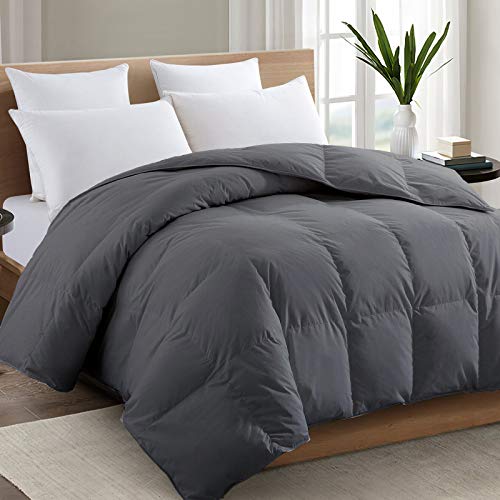


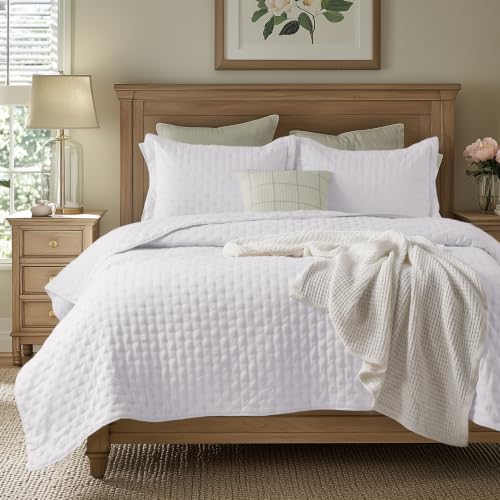
Types You Can Realistically Find Under $50
At this price, almost every option uses down alternative fill rather than real down. What changes between types is fill weight, shell weave, and how the fill is held in place. Those three details matter more than color or branding.
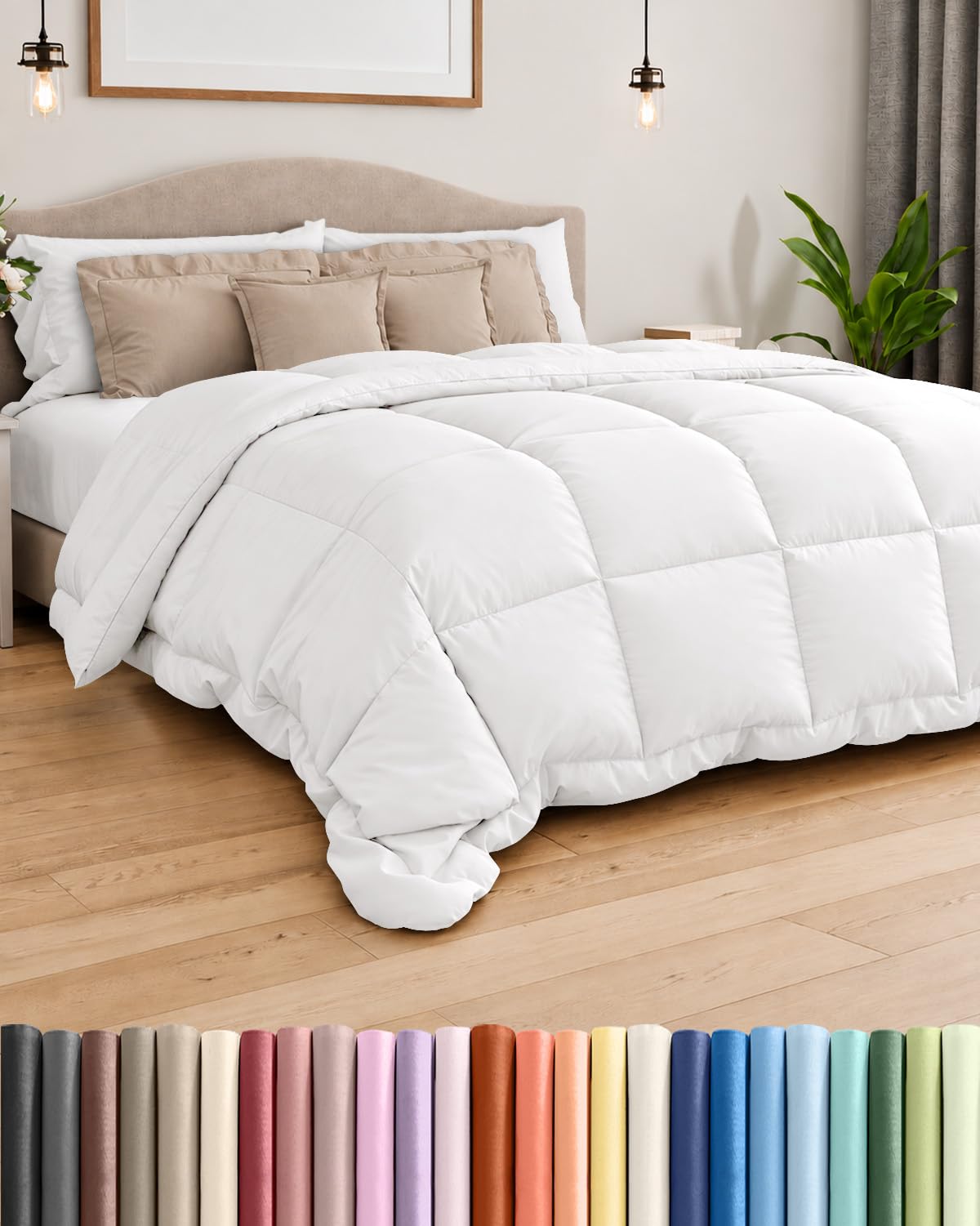
All Season Down Alternative Comforters
An all season down alternative comforter uses a medium weight polyester fill quilted into boxes or channels so the fill stays spread across the bed. It suits most bedrooms and most months, and you can add a blanket in deep winter instead of buying a second comforter. Look for even stitching with no thin patches when you hold it up to light. This is the safest default type for a first apartment, a guest room, or a bed shared by two people with similar warmth needs.
Lightweight Comforters for Warm Rooms and Hot Sleepers
A lightweight comforter carries less fill, so air moves through it more easily and heat escapes instead of building up under the cover. It works well in heated apartments, in warm climates, and for people who wake up sweaty under a standard comforter. If that sounds like you, our guide to the best comforter for hot sleepers explains warmth levels in more depth. At this price, expect a thinner shell, so check that the weave feels tight and smooth rather than papery.
Plush Comforters for Cold Rooms
A plush comforter packs in more fill for a loftier, heavier feel that traps warmth on cold nights. It suits drafty houses, unheated bedrooms, and anyone who likes weight on the bed without a separate weighted blanket. The trade off is heat in summer, so this type makes most sense if your room stays cool for much of the year. Shake it out and let it expand for a full day after unpacking, since compressed fill needs time and air to reach its real loft.
How to Judge Value at This Price
Judge a budget comforter on five things: comfort and support from even fill, shell and fill materials, temperature regulation for your room, durability of the stitching, and the trial period and warranty behind it. Price alone tells you little, since two comforters at the same price can differ a lot in fill weight. If you can spend more later, our guide to the best comforter shows what higher budgets add in fill quality and shell fabrics.
How to Choose the Right Comforter
Size and Form Factor
Match the comforter size to your mattress first, then think about drape. Twin fits a single bed, full and queen cover most double beds, and king and California king suit wide mattresses. If you share the bed and one of you pulls the covers, sizing up one level gives extra width on each side. Check the stated dimensions in inches rather than trusting the size label alone, since oversized versions add length and width that help tall sleepers keep their feet covered.
Fill Type and Loft
Real down is rare at this price, so most shoppers choose polyester down alternative fill, which is washable, dries faster, and suits people who avoid animal products. Loft is the height of the puffed fill, and higher loft usually means more warmth from trapped air. Our guide to the best down alternative comforter covers fill blends in detail. Press the comforter flat with your hand: fill that springs back slowly and evenly will keep its warmth longer than fill that stays packed down.
Features Worth Paying For
Corner tabs or loops are the feature most worth having, since they tie the comforter to a duvet cover and stop it bunching into one corner overnight. A cover also protects the shell from spills and skin oils, which extends the life of a budget comforter. If you are unsure whether a cover setup suits you, the comforter vs duvet comparison explains both formats. Skip decorative piping and extra shams at this price and put the money toward fill weight instead.
Sleep Position and Body Type
Side sleepers often want a comforter that drapes close around the shoulder and hip, so a softer, more flexible fill feels better than a stiff, lofty one. Back and stomach sleepers usually prefer a thinner layer that does not press on the feet or trap heat around the middle. People who run warm at any size should favor the lightweight type, while people who feel the cold may find a plush type plus light sleepwear more comfortable than piling on extra blankets.
Materials and Certifications
Shells at this price are usually microfiber polyester or cotton blends. Microfiber feels smooth, resists wrinkles, and dries quickly, while cotton blends feel crisper and absorb a little moisture. Fill is almost always polyester, sometimes shredded and sometimes blown in loose clusters. Look for a recognized textile safety label on the packaging, which means the fabric was checked for harmful substances. If a listing names no label and gives no fill weight, treat that silence as a reason to choose a clearer listing instead.
Cooling and Breathability
Breathability comes from a lighter fill, a shell that lets air pass, and room air flow, not from a cooling label alone. In a warm bedroom, pair a lightweight comforter with cotton sheets and leave your feet uncovered if you overheat at night. Our guide to the best cooling comforter goes further on fabrics built for heat. Also note your bedroom temperature: a comforter that feels perfect at 65 degrees can feel stifling at 75 degrees, even with the same fill.
Trial Period and Warranty
Many budget comforters are sold with a return window of about 30 nights and a short warranty of about one year. Read what the warranty actually covers: stitching faults and fill defects are common inclusions, while normal flattening is usually excluded. Keep the packaging until you have slept under the comforter for a week, since loft and warmth are hard to judge in the first hour. A clear, easy return process matters more at this price than a long warranty written in vague terms.
How Much Should You Spend?
A comforter priced under $50 can cover everyday needs when the fill weight and stitching are sound. Stepping up to about $100 to $200 usually buys a thicker cotton shell, more fill options, and a longer trial period. At about $200 to $300, you start seeing real down, finer shell fabrics, and multi year warranties. Spend within the lower tier if this is a guest bed or a first home, and save the higher tiers for the bed you sleep in every night for years.
What You Get and Give Up Under $50
Choosing the best comforter under 50 dollars means accepting clear trade offs. You get a washable, usable comforter in standard sizes and colors, with enough warmth for most rooms. That is real value for dorm rooms, rentals, spare beds, and anyone replacing a worn comforter on a strict budget.
- You give up real down fill, which is lighter for its warmth than polyester but costs more to source and clean.
- Shell fabrics are thinner, so they pill and wear sooner along the edges and fold lines.
- Loft fades faster, and many budget comforters feel noticeably flatter after about two to three years of nightly use.
- Size and color ranges are narrower, and oversized options can be hard to find at this price.
- Warranties are shorter, so careful washing matters more than it does with a premium comforter.
None of those points make a budget comforter a bad buy. They simply set the plan: protect it with a cover, wash it gently, and expect a shorter service life than a premium model.
How to Make a Budget Comforter Last Longer
Wash the comforter only when it needs it, using a large capacity machine so the fill can move freely, and dry it fully on low heat before putting it back on the bed. Damp fill clumps and loses loft, so give it extra drying time and check the thickest spots by hand. For full washing steps by size and fill, see our guide on how to clean a comforter. Store it loose in a cotton bag rather than sealed in plastic, since trapped moisture invites mildew.
FAQ
What is the best comforter under $50?
For most people, it is an all season down alternative comforter with box stitching, a stated fill weight, and corner loops for a cover. That mix gives even warmth, easy washing, and a tidy fit inside a duvet cover. Hot sleepers should choose the lightweight type instead, and cold rooms call for the plush type. No single model suits every bed, so match the type to your room temperature first and then compare stitching quality within your size.
Can you get a good comforter for under $50?
Yes, if good means warm, even, and washable for a few years of regular use. At this price you are paying for sound basics rather than fine materials, so judge listings by fill weight, shell weave, and stitching instead of marketing words. One practical check is the packed weight for your size: a very light package for a queen comforter usually signals thin fill that will feel flat in cold weather and wear out sooner.
How long does a comforter last?
A budget polyester comforter typically lasts about two to three years of nightly use before the loft drops enough to feel thin, while a guest bed comforter used occasionally can last much longer. Rotating two comforters between seasons spreads the wear and lets each one rest and regain loft. When cold spots stay flat after washing and thorough drying, and shaking no longer redistributes the fill, the comforter has reached the end of its useful warmth.
Is a comforter worth it?
A comforter is worth it if you want one simple layer that looks finished without separate blankets and a top sheet routine. It also simplifies laundry day, since many people wash a duvet cover weekly and the comforter itself only a few times a year. It is less worthwhile if you prefer adjusting several thin layers night by night, or if your washer is very small and cannot handle bulky bedding without a trip to a laundromat.
How do you clean a comforter?
Start by reading the care label, since some budget shells handle warm water while others need a cold, gentle cycle. Treat stains before washing with a small amount of mild detergent rubbed in by hand, and never use bleach on colored shells, since it weakens fibers and fades fabric. After drying, hang the comforter for a few hours before folding or storing it, which lets hidden moisture in the seams escape and helps prevent a stale smell.
What is the most reliable comforter brand?
No single brand is most reliable at every price, and at this budget the individual model matters more than the name on the label. Reliability shows up as consistent stitching, honest fill weights, and a return process that works when a seam fails early. Check recent buyer comments for repeated reports of clumping or torn loops, and favor listings that state materials clearly. A seller who hides basic specs is a bigger risk than an unfamiliar brand name.
Final Thoughts
A tight budget does not force a poor night of sleep. Pick the type that matches your room temperature, check the fill weight and stitching, and protect your purchase with a duvet cover. The product table above pulls the current options together so you can compare them side by side. Chosen with care, the best comforter under 50 dollars can keep you warm, wash easily, and serve well for years of everyday use.