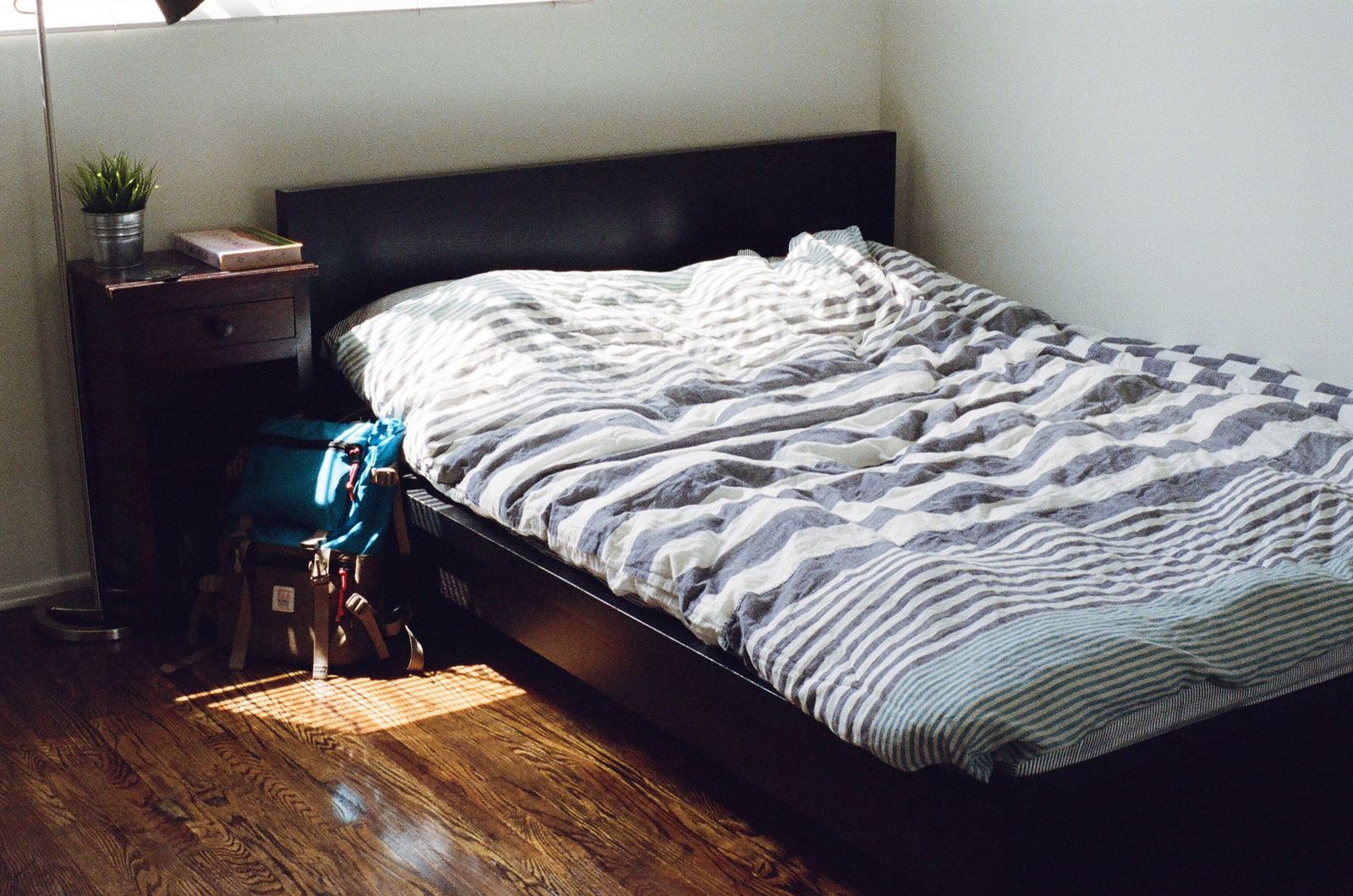
Best Comforter for Hot Sleepers in 2026: A Complete Buying Guide
Disclosure: We may earn a commission when you buy through links on this page, at no extra cost to you. As an Amazon Associate I earn from qualifying purchases. Learn more

Comforters for hot sleepers compared by breathable fill, light loft, shell fabric, and budget for cooler, drier sleep.
If you regularly kick off the covers at 2 a.m., wake up damp, or flip the pillow hunting for a cool spot, your comforter is probably holding more heat than your body can shed. Finding the best comforter for hot sleepers means looking past softness claims and focusing on airflow, fill weight, and moisture control, because those three factors decide whether a blanket feels cozy or suffocating by midnight.
This guide walks through the fills, fabrics, and construction details that help heat escape instead of pooling around you. The comparison table below lines up the main comforter types side by side, and the sections after it explain which profile fits your sleep style, your room, and your budget.


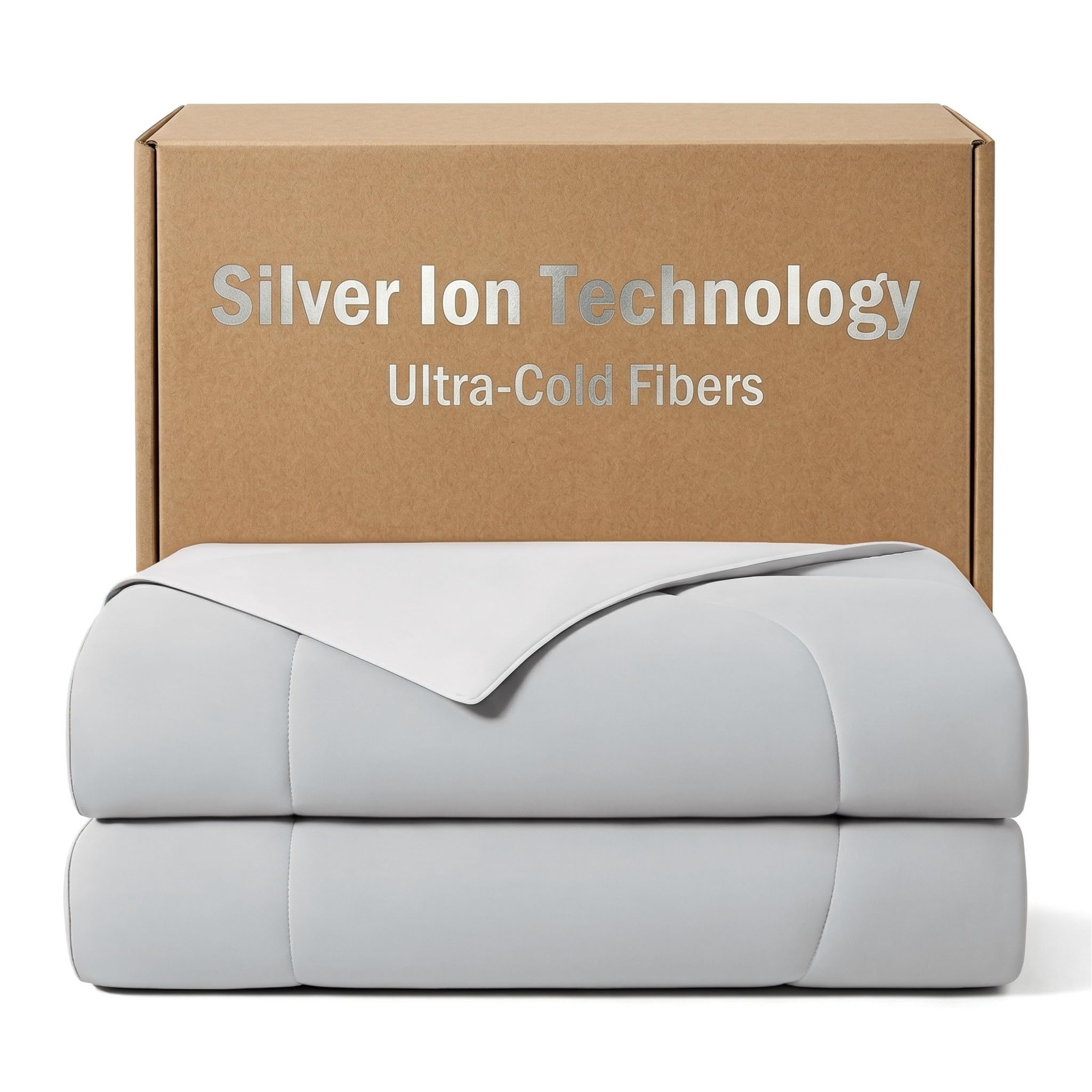
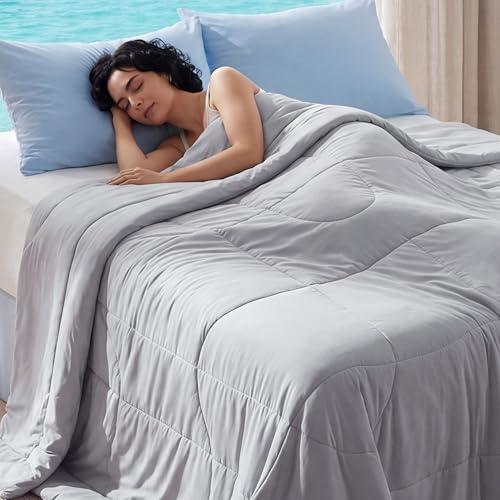
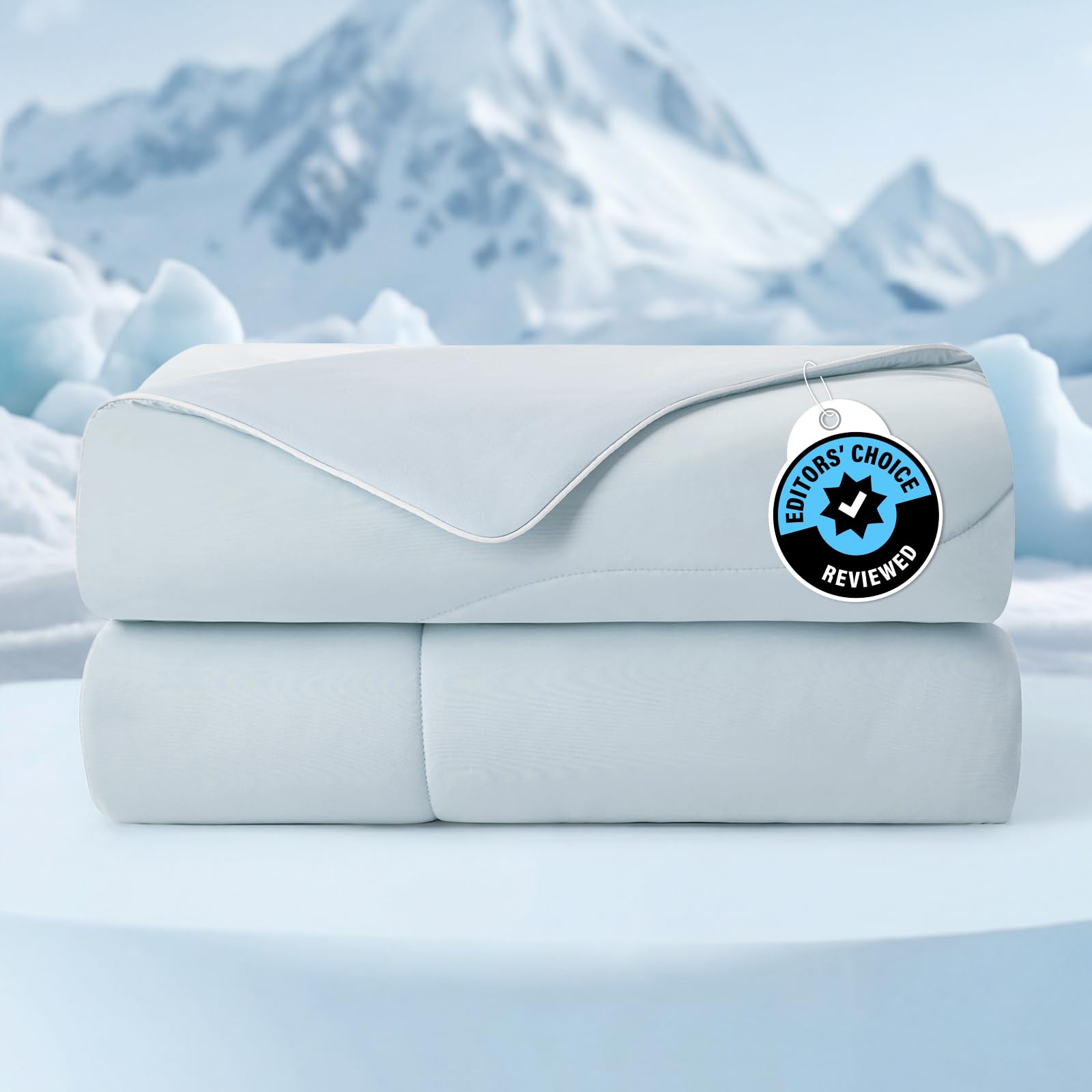

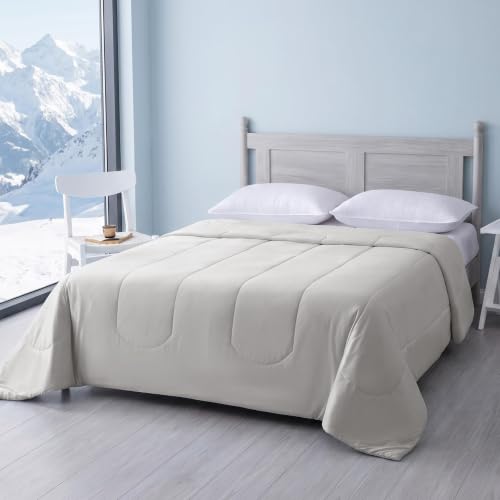

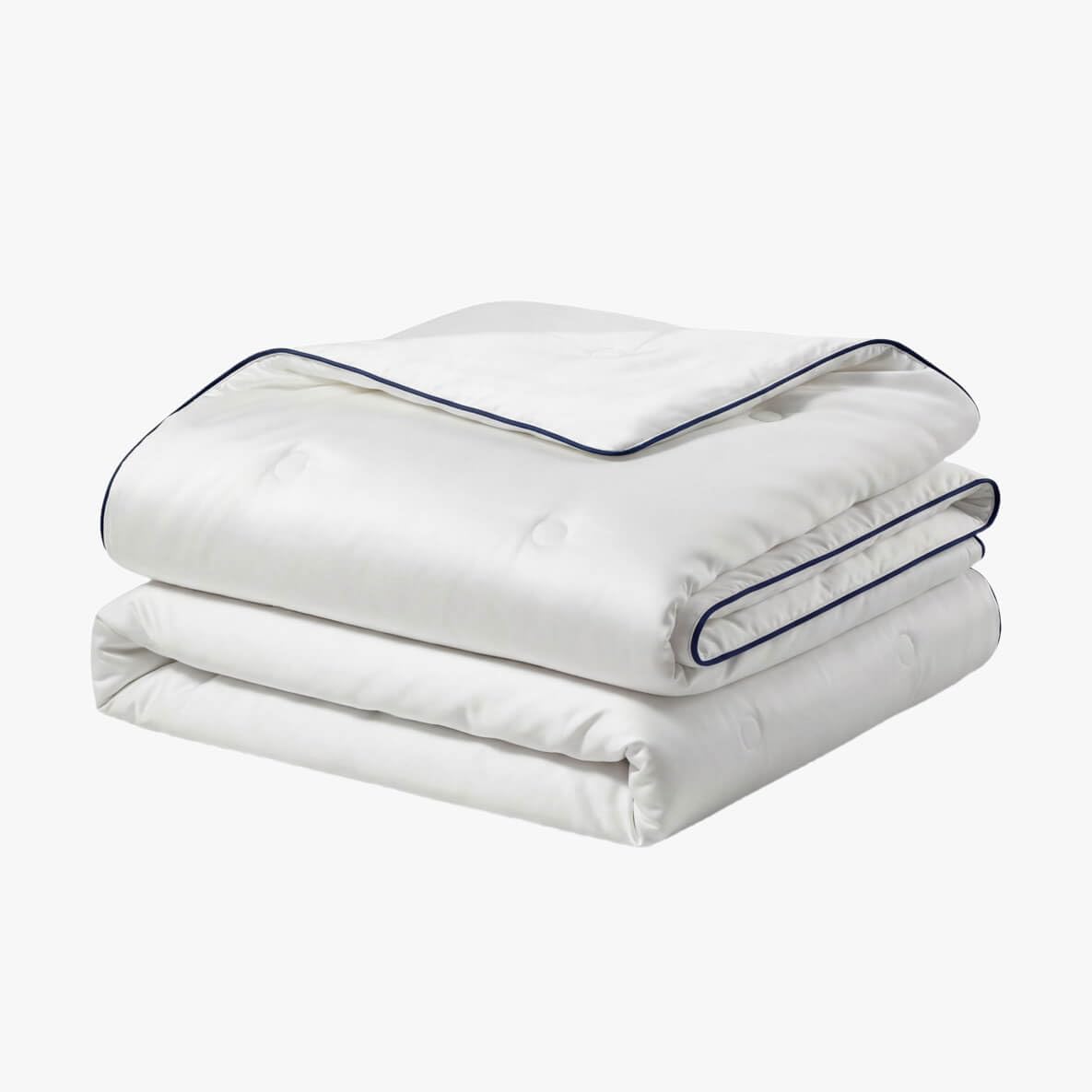
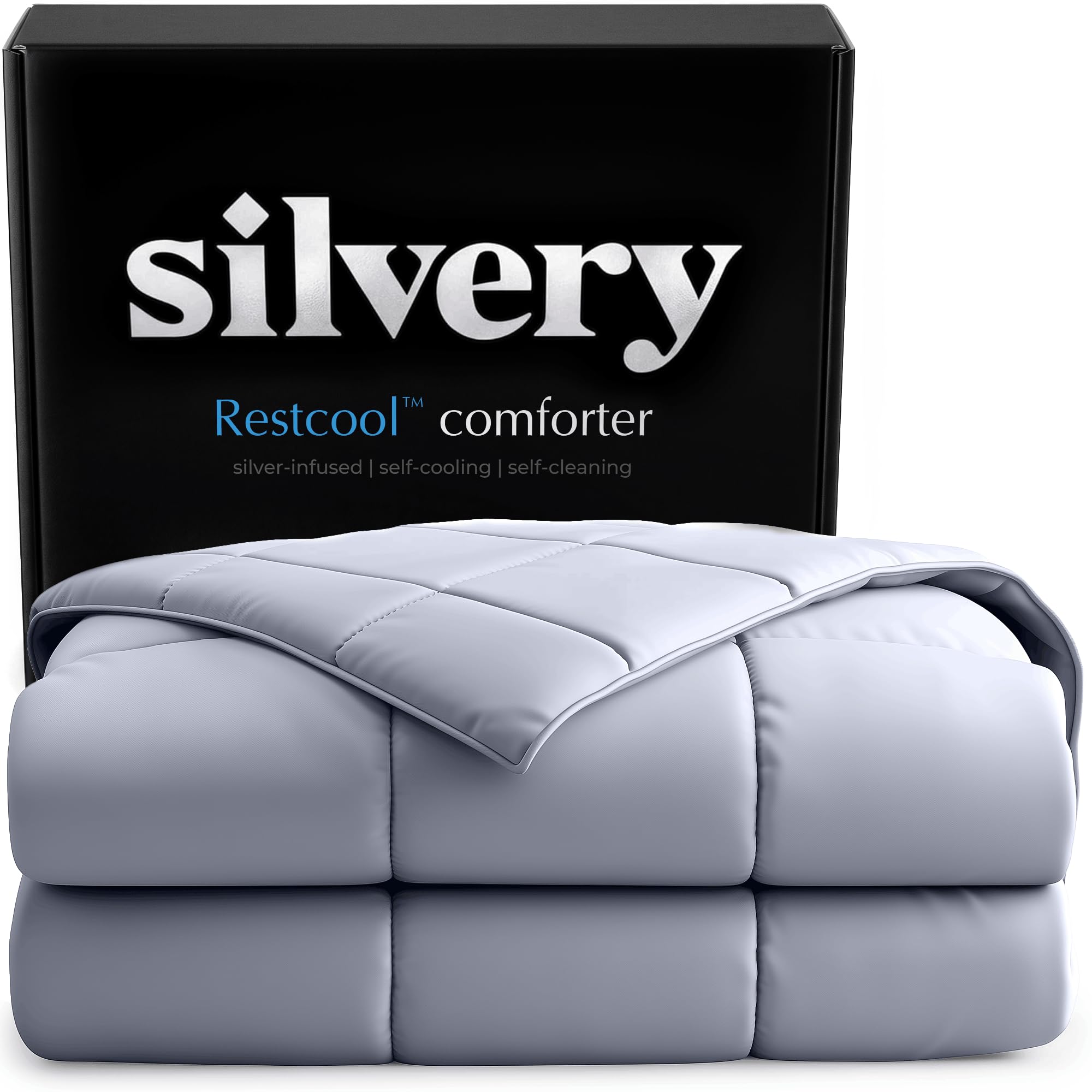
Three Buying Profiles for Hot Sleepers
Hot sleepers are not all hot for the same reason, so the right comforter depends on what is driving your overheating. Match yourself to one of these three profiles first, then use the feature sections below to narrow the specs.
The Year Round Warm Sleeper on a Budget
If your internal thermostat simply runs warm and you sleep hot in every season, you need a light fill with a breathable shell rather than a seasonal specialty item. A lightweight down alternative comforter in a cotton or cotton blend shell usually costs under $100 and handles most nights well. Prioritize low fill weight and an open weave shell over cooling brand names. If you share the bed with a partner who runs cool, this profile also works as the compromise layer, since your partner can add a throw on their side.
The Night Sweats Sleeper Who Needs Moisture Control
If you wake up damp rather than just warm, airflow alone will not solve the problem, because the issue is moisture sitting against your skin. Look for fills and shells that move moisture away and dry fast, such as wool fill or moisture wicking synthetic shells. Wool is the sleeper pick here: it absorbs a surprising amount of moisture vapor while still feeling dry, and it releases that moisture back into the air during the day. Avoid plastic feeling waterproof style fabrics, which trap sweat and make the dampness worse.
The Warm Climate Sleeper Who Wants an Upgrade
If you live where nights stay warm and humid for months, treat the comforter as a thin top layer rather than insulation. A very low loft cooling comforter, or a natural fill such as silk or a light wool, spreads evenly without the puffy air pockets that hold heat. Spending more in this profile buys thinner, more even construction and shells that feel cool on first contact. Pair it with breathable sheets, because a great comforter over flannel sheets still sleeps warm.
How to Judge a Comforter for Hot Sleepers
Five criteria separate a genuinely cool comforter from a standard one with cooling words on the package. Judge every candidate on comfort and support, meaning how the loft feels against your body without pressing heat into it, and on materials and certifications, meaning what the fill and shell are made of and whether a third party has verified their safety. Temperature regulation matters most, since that is the whole point of the purchase. Durability decides whether the fill still spreads evenly after a year of washing. Finally, check the trial period and warranty, because sleep temperature is personal and a home trial tells you more than any spec sheet.
How to Choose the Right Comforter for Hot Sleepers
Size and Form Factor
Comforters come in twin, twin XL, full, queen, king, and California king sizes, and many brands also sell an oversized king for extra drape. For hot sleepers, sizing has a cooling angle: a comforter that is too large folds over on itself at the edges, and those doubled layers trap heat along your sides. Choose the size that matches your mattress with a modest drop of about 10 to 15 inches per side. If you use a duvet cover, match the insert to the cover size so the fill does not bunch into warm clumps. Couples who sleep at very different temperatures sometimes solve the problem with two separate twin comforters on one bed, a common approach in Scandinavian homes.
Fill Type
Down is light and lofty, but high loft traps air, and trapped air is insulation, so a summer weight down comforter works while a winter weight one will roast you. Down alternative fills made from polyester microfiber are usually the easiest route for hot sleepers, because makers can tune them thin and they tolerate frequent washing. Wool regulates temperature in both directions and handles moisture well, though it feels denser than down. Silk is thin, smooth, and naturally temperature balancing, but it costs more and needs gentler care. Cotton filled comforters breathe well and feel flat rather than puffy. If you are weighing the two most common fills, our comparison of down vs down alternative walks through warmth, care, and allergy tradeoffs in detail.
Features Worth Paying For
Corner tabs or loops are worth having if you use a duvet cover, because they anchor the insert so it stays spread flat instead of balling up in one corner and leaving the rest of the cover empty. A duvet cover itself adds a washable layer, which matters when you sweat at night, since washing a cover weekly is far easier than washing the whole comforter. Box stitch or baffle construction keeps fill evenly distributed, and even distribution prevents warm spots where fill has piled up. Skip heavy decorative quilting and thick piped edges, which add weight without helping airflow.
Sleep Position and Body Type
Side sleepers press the comforter into the mattress along one side, so a lighter, more flexible fill drapes better and leaves fewer air gaps that fill with warm air. Back and stomach sleepers heat up where the body contacts the bed most, so shell breathability matters more than loft for them. Larger bodies generate more heat and compress fill more, which reduces loft and insulation but can also reduce airflow through the fill, so a breathable shell becomes the priority. If you tend to burrow and wrap the comforter around yourself, choose the lightest fill you can find, because wrapping multiplies the effective layers.
Materials and Certifications
The shell fabric does much of the cooling work. Cotton percale has a crisp, open weave that lets air pass, while cotton sateen feels smoother but slightly warmer. Bamboo derived viscose and lyocell shells feel cool to the touch and pull moisture away from the skin, which suits sweaty sleepers. Microfiber shells are inexpensive and durable but can hold heat if the weave is tight. For certifications, look for third party textile safety testing labels that verify the fabric and fill are free of harmful substances, and for down, a responsible sourcing certification that tracks animal welfare standards. These labels do not guarantee cool sleep, but they do verify that the materials are what the maker claims.
Cooling and Breathability
Breathability is a system, not a single feature. Fill weight sets the ceiling: a summer comforter for hot sleepers typically carries far less fill than an all season model, and that gap matters more than any cooling gel or phase change coating. Shell weave, fill type, and your sheets and mattress protector all add or remove airflow. A waterproof mattress protector under you can undo the benefit of a breathable comforter above you, because heat and moisture have nowhere to go. If you want a dedicated cooling design rather than a simply light one, see our guide to the best cooling comforter styles for how active cooling fabrics differ from plain lightweight ones. Room temperature still rules everything: most sleep guidance points to a bedroom around 65 to 68 degrees Fahrenheit for the deepest sleep.
Trial Period and Warranty
Because you cannot judge sleeping temperature in a store, a home trial of at least 30 nights is genuinely valuable for this purchase. Read the return terms before ordering, since some trials require the comforter to be unused, which defeats the purpose. Keep the packaging until the trial ends, because returns of bulky bedding are simpler with the original compression bag.
How Much Should You Spend?
Under $50 buys a basic lightweight down alternative comforter that sleeps reasonably cool and suits guest rooms or a first apartment, though shells may feel less breathable and fill can shift sooner. The range of about $50 to $100 is where most hot sleepers land well, with better shells, even stitching, and washable construction. Between about $100 and $200 you pay for natural fills such as wool or better down, cooler feeling shell fabrics, and longer trials. Above about $200, spending goes toward silk fills, premium long staple cotton shells, and generous drape, which is refinement rather than dramatically cooler sleep. For a broader look at thin options across budgets, our roundup of the best lightweight comforter picks explains what changes as price rises.
What Matters Most in a Comforter for Hot Sleepers
Sleeping hot changes the usual comforter advice in three ways. First, fill weight beats fill type: a thin comforter of an ordinary fill sleeps cooler than a thick comforter of a fancy one, so always compare the warmth rating before the material story. Second, moisture handling matters as much as temperature, because evaporating sweat is how your body cools itself, and a fabric that blocks evaporation leaves you hot and damp at once. Third, your whole sleep setup counts, so the comforter should be the lightest layer in a breathable stack, not a fix for a foam mattress and flannel sheets working against it. If your overheating is new, sudden, or paired with drenching night sweats, talk to a doctor rather than only changing bedding, since night sweats can signal a medical issue that a comforter cannot solve.
Frequently Asked Questions
What is the best comforter for hot sleepers?
The best choice for most hot sleepers is a low fill weight comforter with a breathable cotton percale or lyocell shell. That combination limits insulation while letting heat and moisture escape through the night. Wool fill is the strongest alternative if dampness bothers you more than warmth. The right answer shifts with your room temperature, so treat the warmth rating as the first filter and the fabric as the second.
What should I look for in a comforter for hot sleepers?
Look for a summer or lightweight warmth rating, a breathable shell weave, and construction that keeps the thin fill spread evenly. One factor buyers often miss is the care label: a comforter for hot sleepers needs frequent washing because of sweat, so confirm it is machine washable before buying. If the care label says dry clean only, the real cost and hassle rise fast. Corner loops are a small bonus if you use a duvet cover.
How long does a comforter for hot sleepers last?
A comforter used nightly typically lasts about five to eight years before the fill compresses enough to change how it sleeps. Lightweight models can wear out a little sooner because there is less fill to begin with, and flat spots appear faster. A useful test is to drape the comforter over a bright window: clumps and thin patches show clearly in backlight. Replace it when the thin spots leave you alternately chilly and stuffy in the same night.
Is a comforter worth it for someone who sleeps hot?
Yes, a purpose chosen light comforter is worth it, because the alternative is usually a too warm all season model you end up pushing off the bed. Many hot sleepers do fine with just a top sheet in summer, but a thin comforter adds the light weight on the body that helps many people settle, without the insulation of a standard fill. If you only overheat in peak summer, buy the comforter for the rest of the year and store it during heat waves.
How do you clean a comforter for hot sleepers?
Most down alternative and cotton comforters wash well in a large capacity machine on a gentle cycle with mild detergent, followed by a thorough dry so the fill does not clump. Hot sleepers should wash more often than other owners, roughly every one to two months, because sweat and skin oils build up in the fill and reduce breathability. Our step by step guide on how to clean a comforter covers down and wool care, stain treatment, and drying tricks that restore loft. Always confirm the care label first, since silk and some wool fills need different handling.
What makes a comforter brand reliable for hot sleepers?
A reliable brand publishes honest warmth ratings, fill weights, and shell materials instead of vague cooling claims. Clear trial and return terms matter too, because they show the maker expects you to judge the comforter by sleeping under it. Consistent sizing across production runs is another quiet sign of quality, since a queen that fits one year should fit the next. Treat any brand that refuses to state fill weight as a warning sign.
Final Thoughts
Choosing the best comforter for hot sleepers comes down to light fill, a breathable shell, and construction that keeps everything spread evenly through the night. Match the profile that fits your situation, set a budget in the range where construction quality improves, and use a home trial when one is offered. Compare your shortlist against the product table above, and you should end up sleeping cooler within the week. Prices and availability can change, so check the product page before ordering.