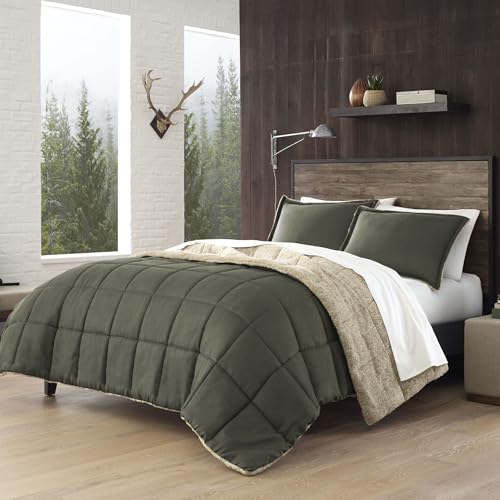
Best Comforter Under 100: Types, Features and Buying Tips for 2026
Disclosure: We may earn a commission when you buy through links on this page, at no extra cost to you. As an Amazon Associate I earn from qualifying purchases. Learn more

The best comforter under 100 balances fill, shell, and stitching: compare types, sizes, and care before you buy.
A comforter shapes how warm you sleep, how your bed looks, and how often you wake up adjusting covers during the night. At this budget the gap between options can feel wide, since fill type, shell fabric, loft, and stitching all change the result. The best comforter under 100 for you is the one that matches your room temperature, sleep style, and laundry habits. The comparison table below sums up the main types so you can narrow your choice before reading the detail.
This guide explains what this price range can realistically deliver, which features deserve your money, and which extras you can skip without losing comfort. If you want a broader view beyond a set budget, our guide to the best comforter covers the wider category as well.


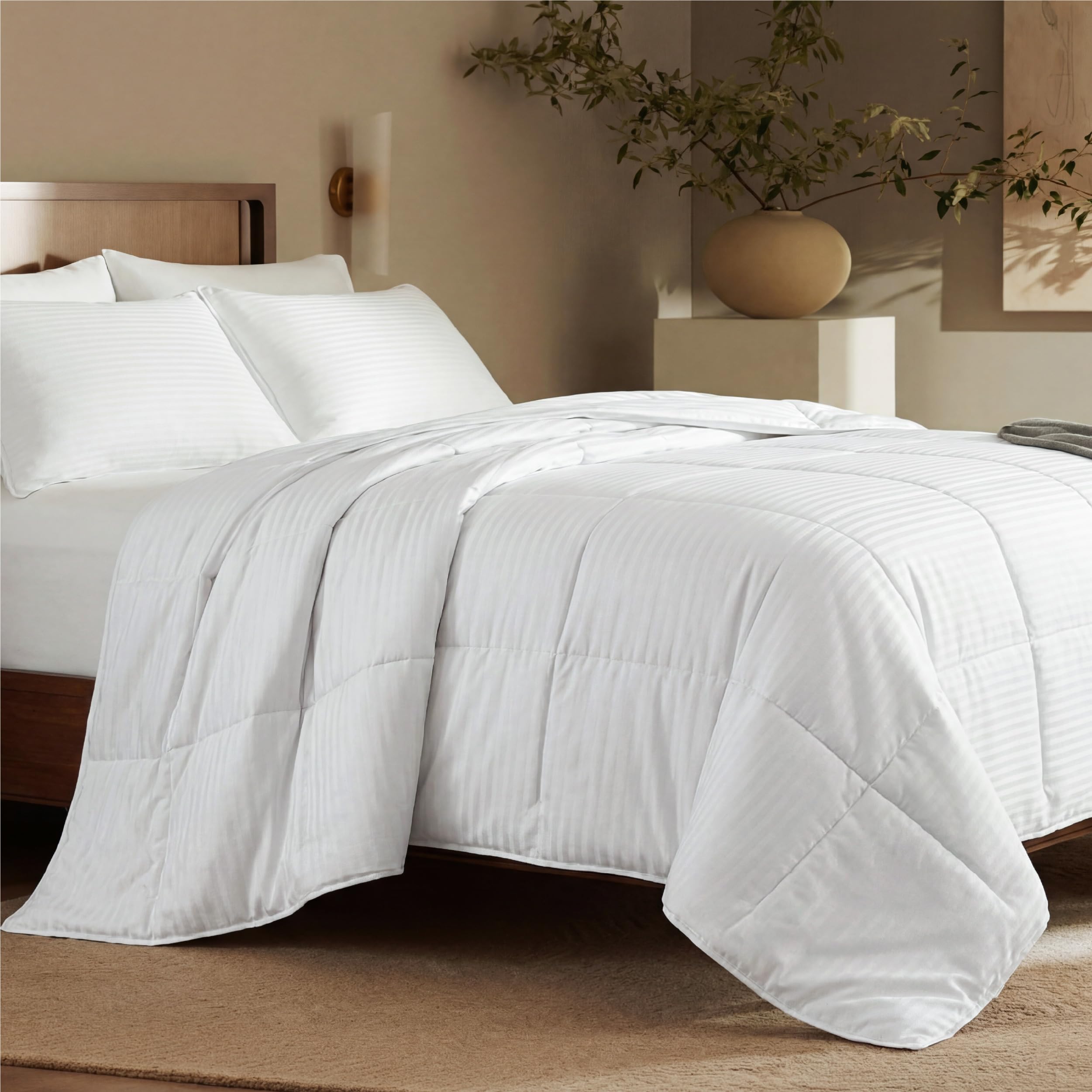

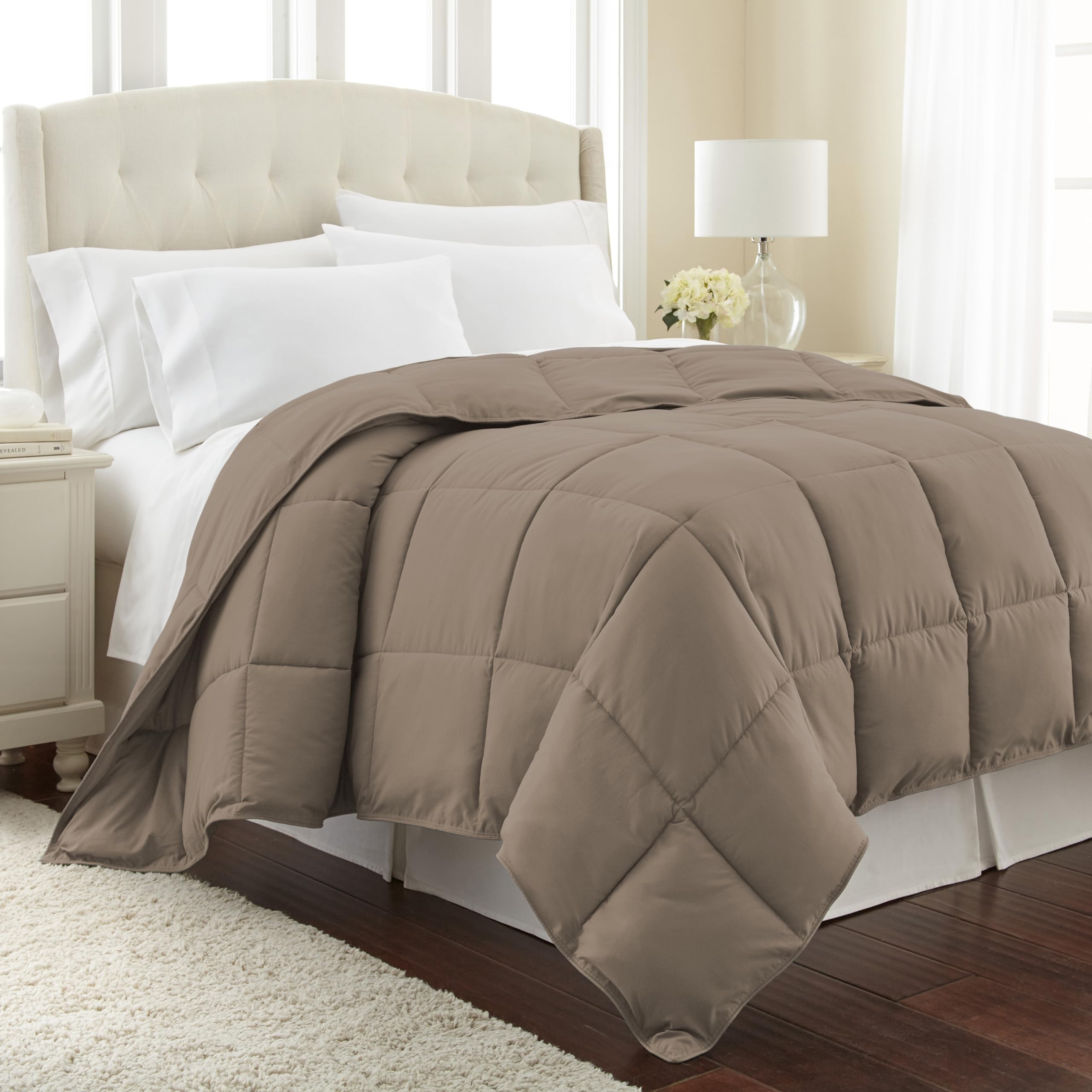
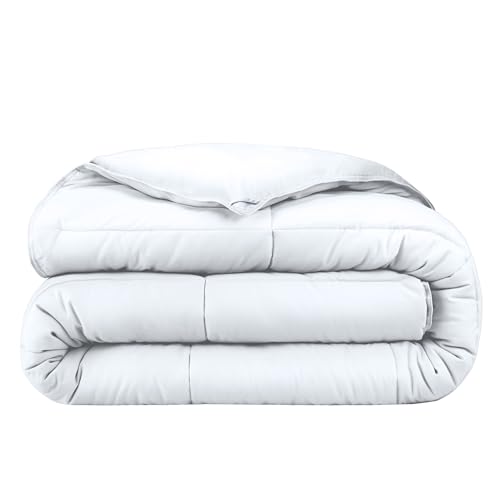
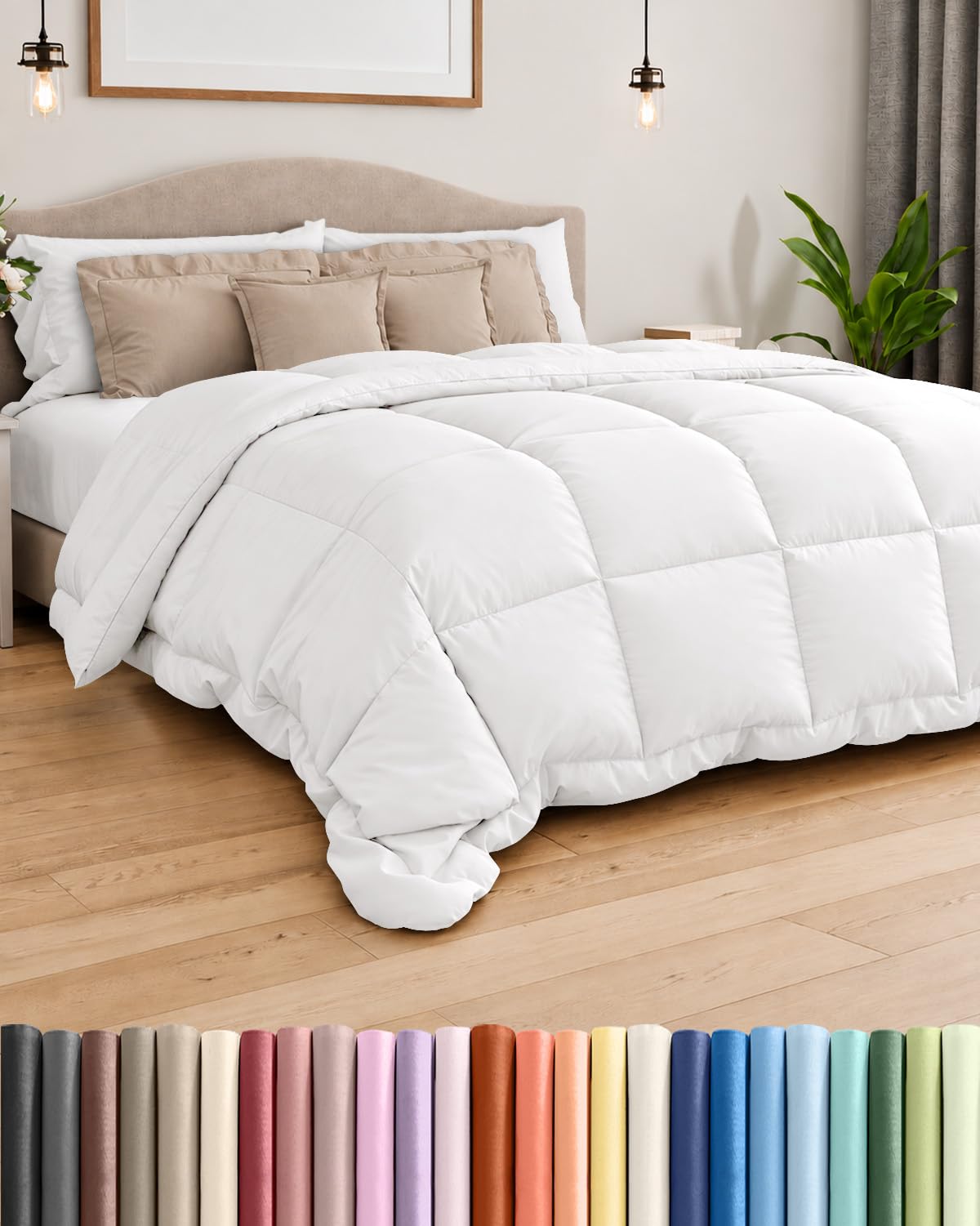
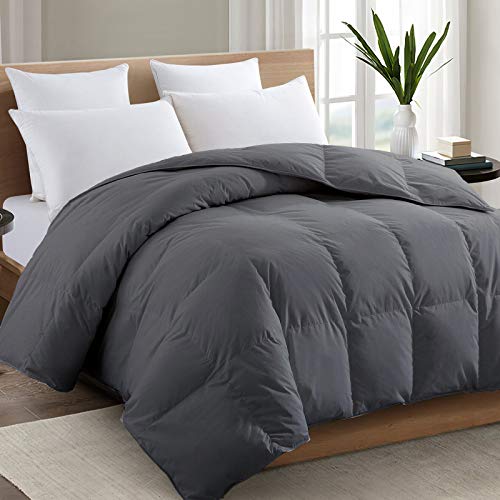
Comforter Types Worth Comparing at This Price
Instead of chasing a single label, compare three broad types that show up most often under $100. Each type suits a different sleeper, and each trades warmth, weight, care, and price in a different way.
All Season Down Alternative Comforters
These are the most common choice at this budget and the easiest to own. A synthetic fill copies the soft hand feel of down while staying simpler to wash and kinder for people who prefer to avoid animal fill. Medium loft versions suit most bedrooms through spring, fall, and mild winter nights. They tend to feel a little less lofty than real down at the same warmth, but they win on price, routine care, and steady performance in shared or guest rooms.
Lightweight and Cooling Comforters
A thinner build with a breathable shell suits warm rooms, summer use, and people who run hot at night. Look for a smooth cotton or moisture moving shell and a modest fill weight that will not trap heat around your torso. If heat is your main concern, compare the options described in our guide to the best cooling comforter alongside this budget set. These thinner comforters layer well over a flat sheet, though they may feel scant on their own during a cold snap.
Down and Down Blend Style Comforters
True down at this price usually means a lower fill weight, a blend with feathers, or a smaller size on sale, so read the fill details closely rather than trusting the headline. Genuine down gives strong warmth for little weight and packs down small in storage. The tradeoff is care, since most down needs gentler washing and full drying to restore loft. Feathers blended into the fill can add poke through and noise, which matters for light sleepers.
How These Comforter Types Are Grouped
The types are grouped by the factors that change nightly comfort most at this price: comfort for your sleep position, materials and certifications, temperature control, and durability over repeated washing. Maker specifications and common buyer comments about loft loss, uneven fill, and shell noise matter more than headline claims. A high stated thread count or a long feature list should not be treated as proof of quality, since construction and fill weight matter more when you pick the best comforter under 100.
How to Choose the Right Comforter
Size and Form Factor
Start with your mattress size, then check the actual inches listed rather than the size name alone, since brands cut comforters differently. Queen comforters often span a wide range of widths, and a short one will leave the sides of a deep mattress exposed. Twin, full, queen, king, California king, and oversized king are the usual choices. Plan on roughly 8 to 16 inches of drop on each side if you like a covered look, and measure before ordering to be sure.
Type and Fill
Down gives the most warmth per ounce and a light, airy feel, while down alternative fill costs less and washes more easily at home. Cotton, wool, and silk fills appear less often at this price, and each brings firmer loft or stronger moisture handling. Weighted comforters sit in their own niche and feel very different from a standard fluffy layer, so try one only if you already like added pressure. For many buyers, the practical pick discussed in our best down alternative comforter guide is the safer route.
Features Worth Paying For
Corner tabs and loops earn their keep if you plan to use a duvet cover, since they hold the insert in place through the night. Box stitching or baffle construction keeps fill spread across the bed instead of pooling at the foot. A piped or double stitched edge helps the shell hold up at the seams where stress is highest. Gussets add side height and loft on some models, but plain decorative stitching, gift style packaging, and extra pillow shams add little to how the comforter actually sleeps.
Sleep Position and Body Type
Side sleepers often like a medium loft that drapes into the curve at the shoulder and hip without leaving gaps where cold air slips in. Back sleepers usually do well with a flatter, even layer that does not bunch under the knees. Stomach sleepers tend to prefer thinner comforters that keep the chest and neck at a natural angle. People who share a bed may want one size up, since a wider drape reduces tug during the night and gives each person full coverage.
Materials and Certifications
Cotton shells feel breathable and familiar, microfiber shells cost less and resist wrinkles, and cotton blends try to balance both traits. For fill, look for clear labeling of what is inside and in what proportion, since vague wording hides low grade blends. Certifications such as OEKO TEX Standard 100 signal certification against harmful substances in textiles, and responsible down programs track animal sourcing for down fill. Treat a certification as one useful data point, not as a guarantee of comfort or long life.
Cooling and Breathability
Breathability depends on both shell weave and fill weight, so a thin comforter in a tight synthetic shell can still sleep warm. Cotton shells and lower fill weights let more heat escape, which suits summer rooms and heated apartments. Sleepers who wake up sweaty should also weigh bedroom temperature and pajama fabric, since a comforter cannot offset a very warm room on its own. Our guide to the best comforter for hot sleepers goes deeper on that heat problem.
Trial Period and Warranty
A home trial matters because loft and warmth are hard to judge from photos, and many budget comforters arrive compressed and need a day to expand. Check how long you have to return the comforter, whether return shipping is free, and whether you must keep the original bag. Warranties at this price tend to cover stitching defects rather than normal loft loss over time. Save your order details and photograph any seam flaw early, since clear records make a claim much simpler.
How Much Should You Spend?
Around $50 or less usually buys a basic down alternative comforter with a simple shell, fine for dorms, kids rooms, and guest beds used now and then. Moving toward about $70 to $100 brings better stitching, fuller loft, softer shells, and more accurate sizing. Above that range you pay for real down with higher fill power, long staple cotton, or stronger warranty support. Within this article the sensible target is the upper half of the budget if the comforter will be your main nightly layer.
What You Get and Give Up Under $100
At this level you can expect honest warmth, a tidy look, and home laundry for most down alternative models, which covers the needs of most bedrooms well. What you give up is refinement. Shell fabrics feel less silky, loft settles sooner, and fill may shift a bit after many washes. High fill power down, thick baffle construction, and long trial terms are rare here, and sale pricing often decides which models land under the line at all.
Value at this price also depends on format. A standalone comforter with a finished shell works on its own and suits renters or spare rooms. An insert style piece needs a cover, which adds cost but lets you wash the cover often and change the look. If you are still weighing that format choice, our explainer on comforter vs duvet lays out how the two differ in daily use.
- You get: solid all season warmth, easy care synthetic fills, and sizes for most standard beds.
- You give up: premium down loft, the softest long staple shells, and the longest trial and warranty terms.
- You should check: real dimensions, fill weight, and return terms before price, since those drive satisfaction most.
Care and Maintenance Basics
Most down alternative comforters can go in a large capacity washer on a gentle cycle, but check the care label first because shell and fill limits vary. Use mild detergent, run an extra rinse if your machine allows it, and dry on low heat until the fill feels fully dry and evenly spread. A protector or duvet cover cuts wash frequency and shields the shell from body oils. For fuller step by step guidance, see our article on how to clean a comforter.
Between washes, air the comforter on a dry day and shake it out to lift the fill and release trapped moisture. Store it loose in a breathable cotton bag rather than sealed in plastic, since trapped damp can leave a stale smell. Rotate it head to foot every few weeks so wear spreads evenly.
FAQ
What is the best comforter under $100 for most people?
For most people, a medium loft down alternative comforter with box stitching and a cotton or cotton blend shell is the safest answer. It balances warmth across seasons, washes at home, and avoids the care limits of real down. Choose the size by measured inches, not by the size label alone. If your room runs warm, step down to a lightweight version of the same style rather than buying the thickest option on offer.
Can you get a good comforter for under $100?
Yes, as long as you judge it by construction rather than marketing claims. Look for even stitching, a shell that feels tightly woven, and fill that springs back when you press a corner through the packaging photos or listing detail. Expect good everyday comfort, not luxury hotel loft. Reading recent buyer comments about loft after the first wash tells you more than review averages, since early loft loss is the most common complaint in this price band.
How long does a comforter last?
A budget comforter used nightly often stays comfortable for about 3 to 5 years before the fill flattens or clumps in a way shaking cannot fix. Using a cover, washing only when needed, and drying fully each time all slow that decline. A guest bed comforter that sees light use can last much longer. Replace yours when cold spots persist across a full side of the bed, because uneven fill no longer insulates the way it should.
Is a comforter worth it if you already own a duvet?
It can be, if your duvet insert is too warm or too heavy for part of the year. A standalone comforter gives you a finished bed layer without buying another cover, and it works well as a lighter summer swap. It also serves as a backup when the main bedding is in the wash. If your current setup already matches your room temperature all year, a second layer adds storage bulk without adding much comfort.
What is the most reliable comforter brand at this price?
No single brand is most reliable for every sleeper, so judge the specific model instead of the logo. Check that the seller lists fill type, fill weight, shell fabric, and exact dimensions, since brands that publish full details tend to support their products better. Look for consistent sizing across a size range and a clear return policy. A label that hides basic specs behind lifestyle claims is a warning sign, whatever name sits on the package.
Final Thoughts
Start with your room temperature and laundry habits, then pick the type that fits, then spend the rest of the budget on stitching, shell quality, and accurate sizing. The product table above pulls those tradeoffs together so you can compare at a glance. Chosen with care, the best comforter under 100 can give you warm, even, easy care bedding without stretching your budget, and it should serve your main bed well for years of nightly use.