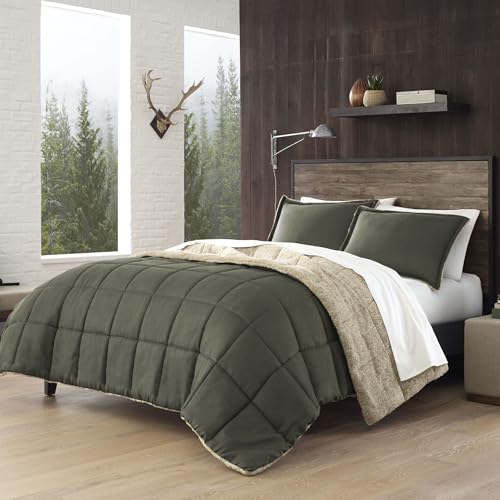
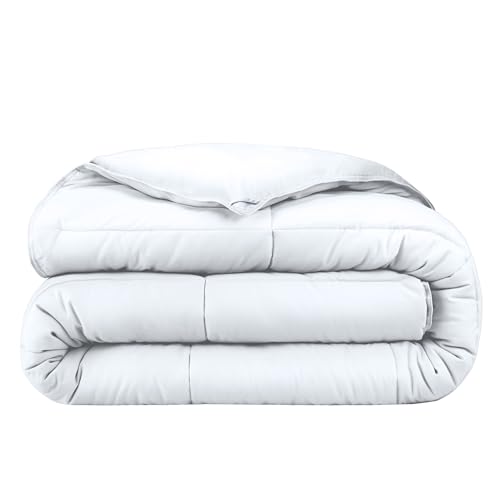
Best Comforter: A Complete Buying Guide for 2026
Disclosure: We may earn a commission when you buy through links on this page, at no extra cost to you. As an Amazon Associate I earn from qualifying purchases. Learn more

Warmth, fill, size, and care: how to choose the best comforter for your bed and sleep style.
Choosing the best comforter sounds simple until you face dozens of fills, warmth levels and sizes that all claim to suit everyone. A comforter that feels perfect in a cold bedroom can leave a warm sleeper restless, and a lofty option that looks plush in photos can flatten fast if the fill and stitching are poor. This guide walks you through the decisions that actually matter, so you can match warmth, materials and size to your bed and your sleep habits with confidence.
Start with how warm you sleep, then look at fill type, shell fabric and construction. The comparison table below sums up the main options side by side, and the sections that follow explain what each spec means in real use. By the end, you will know which profile fits hot sleepers, which suits cold rooms, and where extra money genuinely improves comfort rather than just adding bulk.


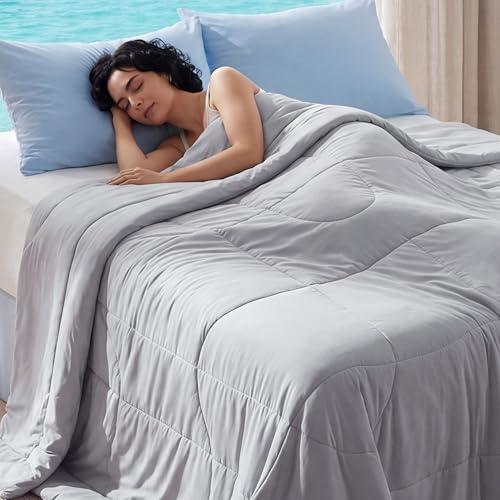
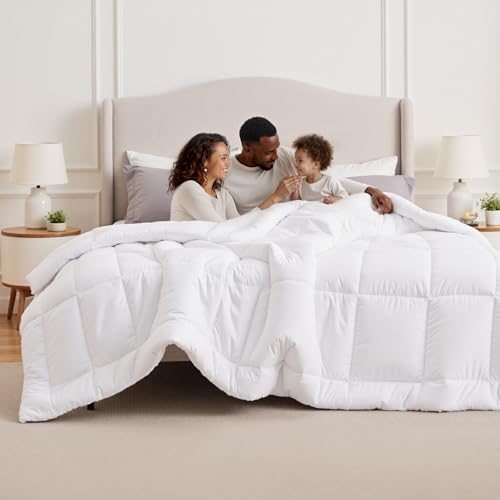

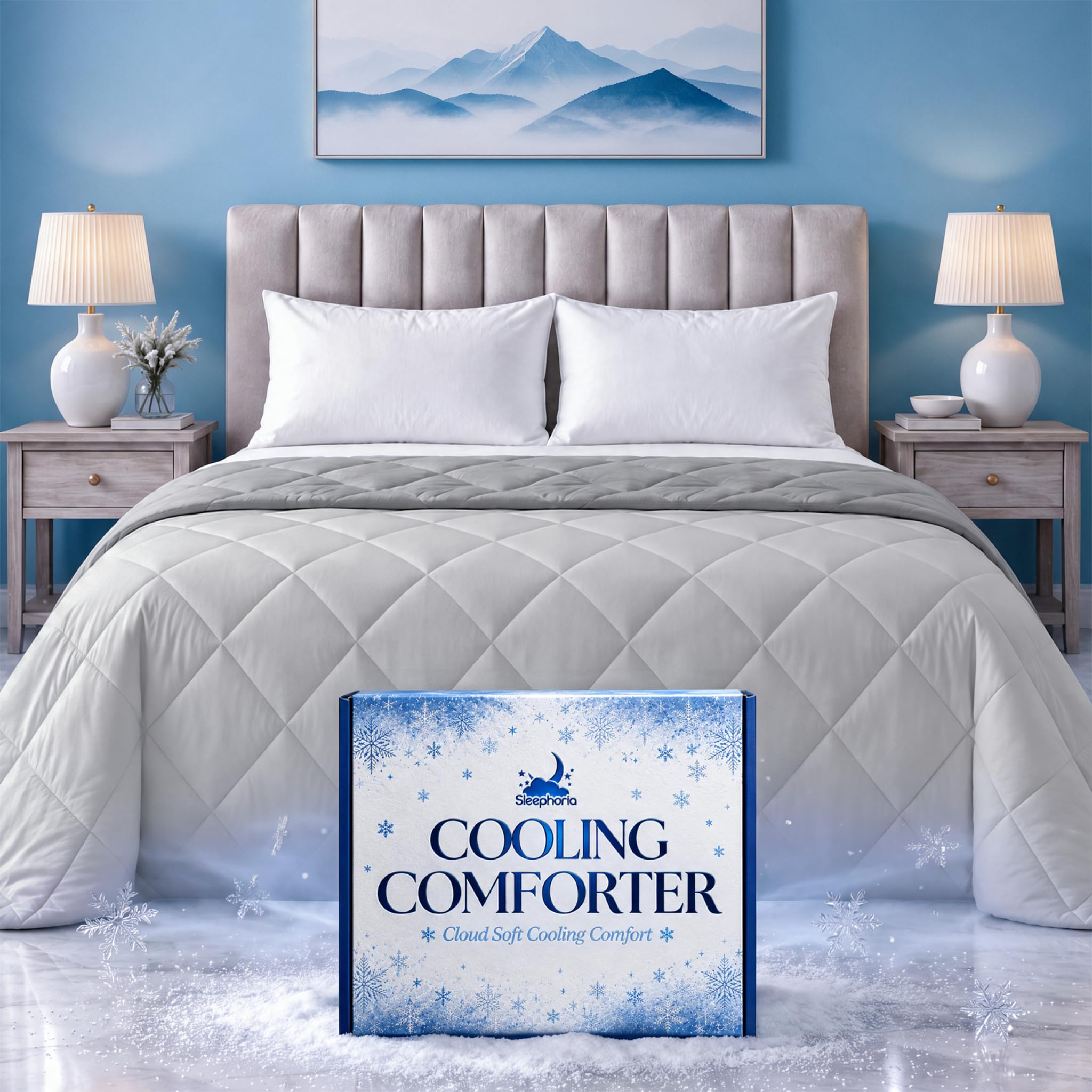

How to Judge a Comforter
Judge a comforter on five things that affect your sleep every night. Comfort and loft come first, because the fill should feel even across the bed with no cold spots or lumpy corners. Temperature regulation matters next, since the right warmth level keeps you asleep instead of kicking the covers off. Materials and certifications tell you what touches your skin and how the fill was made. Durability covers stitching and how well the fill stays distributed after washing. Finally, trial periods and warranties show how much risk you carry if the comforter feels wrong at home.
Use those criteria to build a short list of profiles that fit your bedroom, your partner and your laundry routine, rather than chasing the thickest or softest option.
How to Choose the Right Comforter
Size and Form Factor
Match the comforter size to your mattress first, then decide how much drape you want over the sides. Twin suits a single bed, full and queen cover most double beds, and king or California king suits wide mattresses and couples who each want full coverage. If you share the bed and one of you pulls the covers, sizing up adds width where you need it most. Check the listed dimensions in inches rather than trusting the size name alone, because brands cut comforters differently. Form matters too. A comforter used on its own shows its shell fabric, while an insert style option raises the comforter vs duvet question, which helps you decide whether you also need a separate cover.
Fill Types and What Each One Does Best
Down fill uses the soft clusters found under the outer feathers of ducks or geese. It traps a lot of air for its weight, so it feels light yet warm and compresses well for storage. Its limits are price, extra care needs and problems for people with certain allergies. Down alternative fill uses polyester fibers made to mimic that loft. It costs less, washes more easily and suits allergy sensitive homes, though it can feel slightly heavier for the same warmth. Wool manages moisture and temperature well, cotton feels breathable and flat rather than lofty, and silk feels smooth and light but needs gentle care. Readers comparing the two main families can read more in our guide to the best down alternative comforter options.
Warmth Level and Temperature Regulation
Warmth labels such as lightweight, all season and winter weight describe how much fill is packed inside, not how good the comforter is. Lightweight options suit warm climates and people who run hot. All season weights work for most sleepers at typical room temperatures, and you can add a blanket in deep winter. Winter weights suit cold bedrooms. Shell fabric matters too. Cotton shells breathe well, while smooth synthetic shells can trap heat. If overheating is your main problem, our guide to the best cooling comforter explains breathable shells in more depth.
Materials and Certifications
The shell touches your skin, so fiber content and weave affect both feel and airflow. Cotton feels natural and breathes well, with percale giving a crisp finish and sateen a smoother, slightly warmer finish. Microfiber shells cost less and resist wrinkles, but they can hold more heat. For fill claims, look for recognized standards rather than vague green language. OEKO TEX Standard 100 certification covers finished textiles for harmful substances, and responsible down standards track animal welfare through the supply chain. When a listing names a standard, check that it names the certifying body and the product scope too.
Features Worth Paying For
A few construction details separate a comforter that stays even from one that shifts into lumps. Box stitching or baffle box construction keeps fill spread across the whole bed, which prevents cold spots at the corners. Corner tabs or loops matter if you use a duvet cover, because they anchor the insert and stop it bunching inside the cover. Double stitching along the edges helps the shell survive repeated washing. Spend on stitching, secure tabs and a sturdy shell first. Those features protect the fill you already paid for and keep the comforter comfortable for far longer.
Sleep Position and Body Type
Your sleep position changes how much weight and warmth you want on top of you. Back sleepers usually do well with a medium weight that rests evenly without pressing down. Side sleepers often prefer extra loft around the shoulders and hips, where gaps can let cold air in. Stomach sleepers tend to sleep better under a lighter, flatter comforter that does not push the lower back out of line. Couples with different needs can compromise with an all season weight plus a light throw on the colder side of the bed.
Trial Period and Warranty
A comforter can feel different after a full week than on the first night, because loft settles and heat buildup shows over several nights. A trial period of at least 30 nights lets you judge it fairly, so read the return terms before you buy and keep the packaging until you are sure. Check who pays for return shipping on a bulky item. Warranties usually cover stitching defects and fill shifting rather than normal softening over time. Keep your receipt and follow the care label, because washing against the instructions can void coverage.
How Much Should You Spend
Budget comforters at under $50 usually use basic synthetic fill and simple stitching. They suit guest rooms and dorm rooms, but the fill may flatten within a couple of years. Options at about $50 to $100 add better shells, box stitching and more consistent loft, and this is where most households find solid value. Spending about $100 to $200 brings higher quality down or advanced synthetic fills, stronger shells and longer trials. Above about $200 to $300, you pay for premium fill power and fine cotton shells. Match the tier to nightly use, not the highest price.
Who Should Buy Which Comforter
Hot Sleepers Who Wake Up Warm
If you wake up sweaty or push the covers off most nights, choose a lightweight warmth level with a breathable cotton shell and a fill that moves moisture away from your body. A lower loft also helps air circulate instead of trapping a layer of hot air around you. Avoid winter weight options and thick synthetic shells, which hold heat. Our dedicated guide to the best comforter for hot sleepers goes deeper on cooling fabrics and summer weights if heat is the reason you are replacing your current bedding.
Cold Sleepers and Chilly Bedrooms
If your bedroom stays cold or you feel chilled even under a blanket, choose a winter weight or a high loft all season comforter. Down fill gives the most warmth for the least weight on your body, while a thick down alternative costs less and still insulates well. Make sure the size gives full side drape, because exposed edges let cold air under the covers each time you turn. Flannel sheets add warmth without buying a second comforter.
Allergy Sensitive Sleepers and Busy Households
If allergies shape your buying, a quality down alternative with a tightly woven shell is usually the practical pick, because it washes in a standard large machine and dries fully between uses. Look for a shell weave that helps keep dust mites out of the fill. Busy households should also weigh drying time, since thick comforters can take two dryer cycles and damp fill stored too soon can smell musty. Many shoppers in this group also compare options described as a best duvet insert, since insert style comforters pair with washable covers that are easy to change weekly.
Common Mistakes to Avoid
- Buying a winter weight comforter for a warm bedroom, which leads to broken sleep and covers kicked off all night.
- Choosing size by the mattress name alone, which can leave too little drape and cold gaps at the sides.
- Ignoring the care label until laundry day, which can leave you with a comforter too bulky for your home machine.
- Judging quality by thickness alone, which misses fill power, stitching and shell fabric that decide real warmth.
- Skipping corner tabs when you use a duvet cover, which lets the insert twist and bunch inside the cover.
- Storing a comforter while it is still damp, which invites mildew smells that are hard to remove later.
How to Clean and Care for Your Comforter
Good care protects loft, which is where your warmth comes from. Shake and air the comforter regularly to lift the fill and release trapped moisture. Use a duvet cover if you can, because washing a cover weekly is far easier than washing the whole comforter, and it shields the shell from body oils. Spot clean small marks right away, then let the area dry fully.
When a full wash is due, check the label first and use a large capacity machine so the fill can move freely. Our step by step guide on how to clean a comforter covers water temperature and drying checks for each fill type. Dry on low heat with clean dryer balls to break up clumps, and confirm the center feels completely dry before folding. Store it loose in a breathable cotton bag, so the fill keeps its loft between seasons.
Choosing by Need: Quick Matches
For warm climates, pick a lightweight comforter with a cotton shell and modest loft. For most couples, an all season queen or king with box stitching covers the widest range of nights. For cold rooms, go up a warmth level rather than adding heavy blankets, because one even layer insulates better than stacked layers that slide off. For guest rooms, a mid priced down alternative handles varied guests and frequent washing well. Match the need first, then compare fill and price.
FAQ
What is the best comforter?
The right comforter is the one matched to your warmth needs, bed size and care routine rather than a single universal winner. Hot sleepers need lightweight and breathable builds, cold sleepers need higher loft, and allergy sensitive homes usually do best with washable synthetic fill. Use the product table above to compare profiles, then choose by fill, shell and trial terms. One useful extra check is fill power on down models, a number that signals how much space one ounce of fill occupies.
How long does a comforter last?
A comforter typically lasts about 5 to 10 years depending on fill quality, shell strength and how often it is washed. Down versions often sit at the longer end when they are aired, covered and stored dry. Replace yours when the fill stays flat after shaking, the stitching opens, or cold spots appear that no amount of fluffing fixes. Rotating the comforter top to bottom every few months also spreads wear more evenly across the fill chambers.
Is a comforter worth it?
A comforter is worth it if you want one warm, even layer that makes the bed look finished without stacking several blankets. The value shows up in better sleep temperature control and simpler bed making each morning. It is less worthwhile if your room temperature swings wildly and you prefer separate thin layers. Renters often find a mid weight comforter practical, because it moves easily between beds and seasons.
How do you clean a comforter?
You clean most comforters in a large capacity washer on a gentle cycle with mild detergent, then dry them fully on low heat. Always read the care label first, because down and silk fills can need different handling from synthetic fills. A practical tip many people miss is to pause the dryer midway, pull the comforter out and break up damp clumps by hand. That short step helps the fill dry evenly and restores loft faster than heat alone.
What is the most reliable comforter brand?
Reliability comes from construction and support rather than a single brand name, so judge each comforter on its stitching, shell weave, fill specifications and warranty terms. Brands that publish clear fill power, fabric content and care instructions give you more to verify before buying. If a listing hides basic specs or offers no return window, treat that as a warning sign regardless of the name on the label.
Final Thoughts
The right choice balances warmth, fill, shell fabric and size against how you actually sleep, not how a product photo looks. Use the product table above to narrow your options to the profile that fits your bedroom, then confirm the trial terms and care needs before you order. When you pick the best comforter for your own sleep style instead of the thickest or cheapest option, you get even warmth, easier laundry days and a bed that feels inviting every single night.