
Best Comfortable Waterproof Work Boots: Reviews and Buying Guide for 2026
Disclosure: We may earn a commission when you buy through links on this page, at no extra cost to you. As an Amazon Associate I earn from qualifying purchases. Learn more

Comfortable waterproof work boots that stay dry and supportive all day, with guidance on fit, traction, and weight.
Wet socks by mid morning and aching feet by lunch make a long shift feel even longer. The best comfortable waterproof work boots solve both problems at once, keeping rain and wash water out while cushioning your feet through hour ten. The challenge is balance, because membranes that block water also trap heat, and stiff protective boots can punish your feet.
This guide covers the trade offs that matter most, from fit and toe room to outsole grip and boot weight. The comparison table below gathers the key specs in one place, and the sections after it explain how to read those specs for your job and your floors.
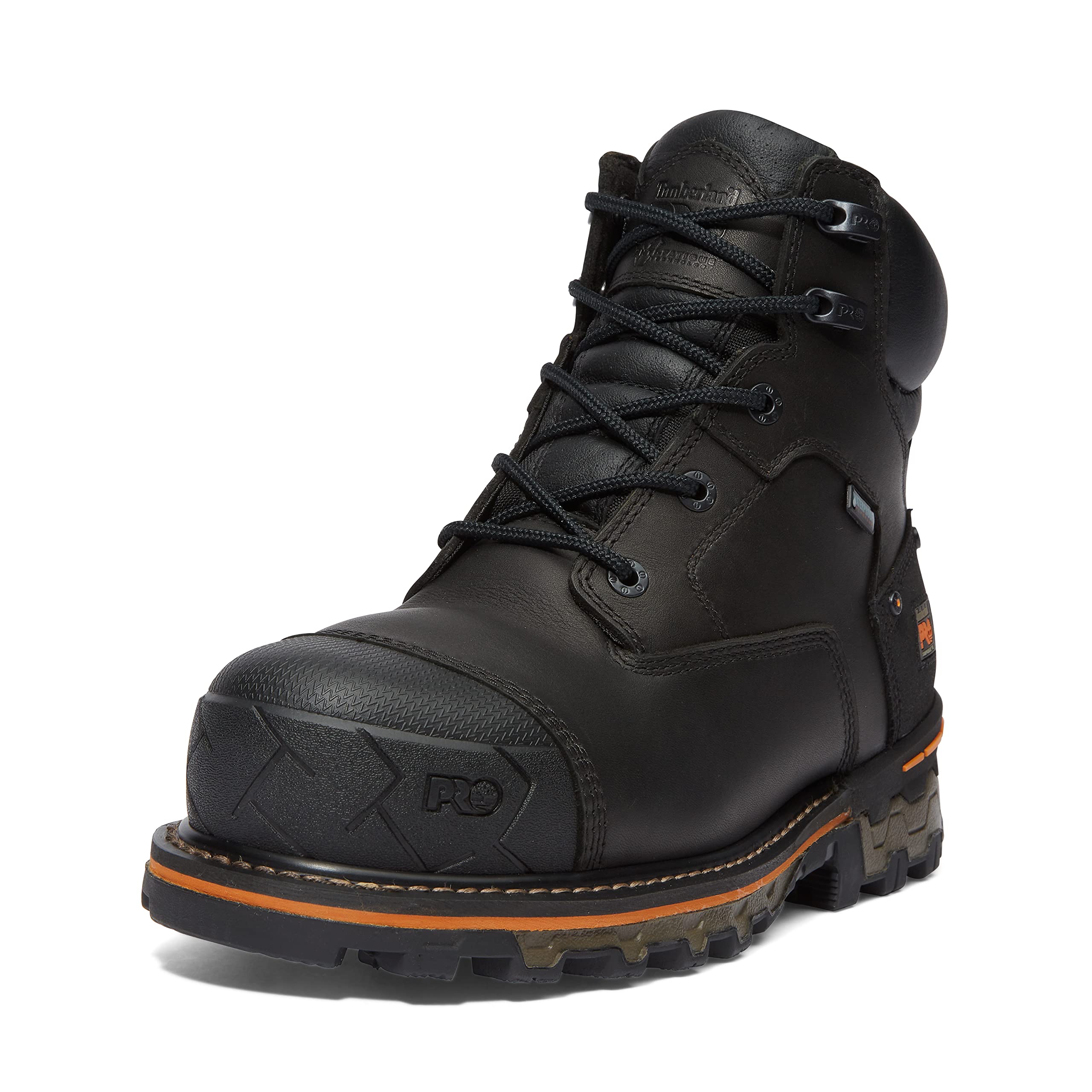

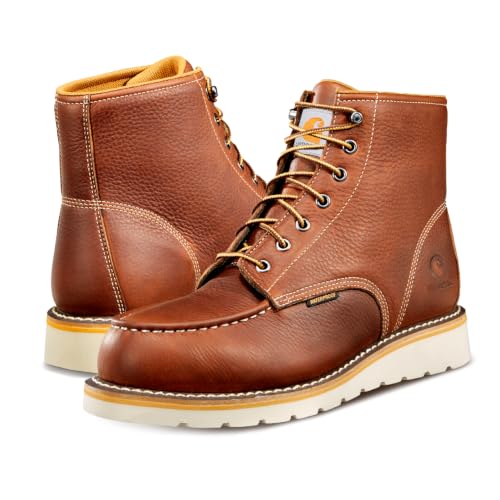


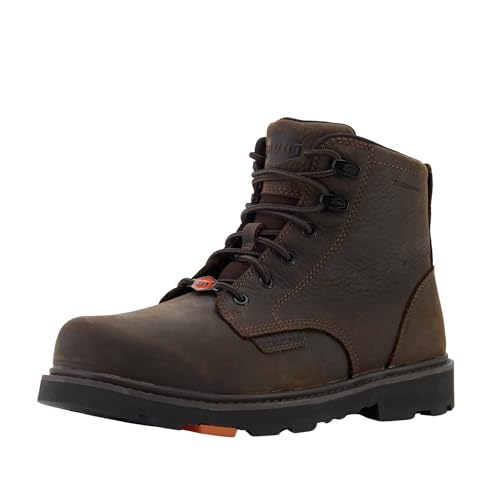
Who Should Buy Comfortable Waterproof Work Boots?
These boots make sense when water and long hours arrive together. If your work is dry or mostly seated, a waterproof membrane adds cost and warmth you may never use.
Warehouse and Delivery Workers on Concrete All Day
You cover miles on hard floors and step into rain at docks and doorsteps. Prioritize cushioning under the heel and forefoot, a forefoot that bends as you walk, and a light boot you can still lift easily late in the day. Grip on wet concrete and dock plates matters more for you than deep lugs built for mud.
Construction and Outdoor Crews in Rain and Mud
You work on uneven ground where ankles roll and puddles sit over soft soil. Look for a taller shaft that keeps splash water and grit out, firm ankle support, and a deep lug outsole that sheds mud instead of packing smooth. A puncture resistant plate and a strong safety toe earn their weight here. For you, comfort comes largely from stability, because a foot that slides inside the boot causes blisters.
Food Processing, Janitorial, and Utility Workers on Wet Floors
Your floors stay wet from wash downs, spills, and standing water around drains. You need an outsole tuned for slick indoor surfaces, an upper that wipes clean, and waterproofing that handles constant splashing rather than occasional rain. Cushioning matters because you often stand in one place for long stretches.
How to Choose the Best Comfortable Waterproof Work Boots: Buying Guide
Start with your workplace rules, because they narrow the field fast. Your employer may require a safety toe, a set shaft height, or protection from electrical hazards, and a boot that fails those rules is useless however good it feels. Then work through the factors below in order, starting with fit.
Fit, Sizing, and Toe Box
Measure your feet late in the day, when standing has made them largest. Leave about a thumb width in front of your longest toe, and choose a toe box tall and wide enough for your toes to lie flat and spread slightly as you step. Width matters as much as length, because a boot snug across the ball of the foot will pinch more as feet swell, and numb toes are a common result.
If you are between sizes, try the larger size in your work socks first. Men comparing width options across brands can use our guide to the best comfortable work boots for men, which covers lasts and wide fits in more detail.
Upper Materials and Breathability
Full grain leather handles scuffs and abrasion well and molds gradually to your foot, but it feels heavy and dries slowly. Split leather with fabric panels cuts weight and lets more air move, though it needs a membrane to stay waterproof and shows wear sooner. Synthetic uppers are lightest and feel soft right away, yet they tear more easily on sharp edges.
Outsole Traction and Terrain
The outsole is your only contact with the ground, so match its pattern to your surface. Deep, widely spaced lugs bite into mud and gravel and clear debris as you walk, but they feel clunky and wear faster on concrete. Shallow soles with many small edges grip wet tile, sealed floors, and smooth dock plates far better. Rubber stays flexible in cold weather, while harder compounds last longer on asphalt.
Waterproofing With Gore Tex and Other Membranes
Most waterproof boots use an inner membrane whose tiny pores block liquid water while letting some vapor escape. Gore Tex is the best known version, and many brands use their own membranes with similar aims. Sealed seams and a gusseted tongue matter just as much, because water entering over the top or through stitch holes bypasses the membrane entirely. Remember that waterproofing ends at the top of the shaft, so deep puddles will still flood any boot they overtop.
Membranes also slow heat leaving the boot, so your feet will feel warmer in summer than in an unlined boot. Readers who work in constant rain can compare sealing and shaft height in our guide to the best waterproof work boots, which focuses on staying dry above all else.
Break In Period and Comfort Out of the Box
Lasting comfort rests on cushioning, arch support, and heel to toe drop working together. Firm arch support helps on concrete, because soft foam alone bottoms out under body weight after a few hours. A heel to toe drop of about 8 to 12 mm feels natural if you come from everyday shoes, while a much lower drop loads your calves more until they adapt. Leather boots need several shifts to soften, while fabric models often feel good on day one.
Judge comfort after a full shift, not after a minute on a store carpet. If dry indoor comfort is your main need, our guide to the best comfortable work boots covers cushioning and support options that skip the membrane entirely.
Weight and Flexibility
Every extra ounce on your foot costs energy thousands of times per shift, so weight is a comfort feature. Steel toes protect well and cost less, composite toes cut weight and conduct less cold, and soft toe boots are lightest where safety toes are not required. Stiff shanks protect on rough ground but make kneeling and climbing ladders harder. Flexible boots feel kinder on walking routes, while stiffer boots suit heavy loads and uneven sites.
If you walk long distances between tasks, lighter boots can cut end of day leg fatigue more than extra cushioning can. Our guide to the best lightweight waterproof work boots focuses on models that keep weight down for exactly that reason.
Types of Comfortable Waterproof Work Boots Compared
The product table above shows boots side by side, but it helps to know which build suits your shift. Most waterproof work boots fall into three groups, and each trades weight, protection, and drying speed differently.
Leather Lace Up Waterproof Boots
The leather lace up is the standard choice for mixed indoor and outdoor work. Laces let you adjust fit across the instep, full grain or oiled leather resists abrasion, and an inner membrane keeps water out. It suits crews who walk, climb, and kneel in the same shift. The costs are weight and a break in period, and leather takes longer to dry once soaked.
Hiker Style Waterproof Work Boots
Hiker style work boots borrow cushioning and flexible soles from trail footwear, often with a lighter composite or soft toe. They feel good from the first shift and tire legs less on long walking routes, which suits delivery, warehouse, and utility work. The trade off is durability against rough abuse and a little less ankle stiffness on uneven ground.
Rubber and Neoprene Work Boots
Rubber and neoprene boots are fully waterproof by construction, with no seams for water to find, and they hose clean in seconds. They suit wash down areas, farms, and constantly wet ground. They breathe poorly, so feet run warm and damp inside, and cushioning is usually simpler than in leather boots. Choose them where standing water is the daily reality, not for dry shifts with occasional rain.
Care and Maintenance Tips for Waterproof Work Boots
Most early leaks start as neglected dirt, damaged leather, or clogged membrane pores. A short routine after wet shifts protects both waterproofing and comfort.
- Brush off mud and grit after each wet shift, because dried dirt draws moisture from leather and grinds into seams.
- Air dry wet boots at room temperature away from heaters and direct sun, since strong heat cracks leather and damages membrane bonds.
- Stuff damp boots loosely with plain paper to draw out moisture, replacing the paper after a few hours if boots are soaked.
- Rotate two pairs on consecutive wet days, giving each pair a full day to dry so cushioning and membranes recover.
- Condition leather uppers when they look dry and stiff, using a product made for waterproof leather so the finish stays open.
- Replace worn insoles when cushioning feels flat, and inspect seams and outsole edges monthly for damage that needs repair.
Your Questions About Comfortable Waterproof Work Boots Answered
Do you need comfortable waterproof work boots for wet job sites?
Yes, you need them if water reaches your feet regularly during a shift. Standing water, steady rain, and wash downs soak through non waterproof boots within an hour or two. A spare sock change helps, yet it cannot fix boots that stay wet for days afterward. If your site is dry apart from rare spills, waterproofing is optional.
Can you wear comfortable waterproof work boots all day?
Yes, you can wear them for a full shift if the fit, weight, and support suit your feet. Most late shift discomfort comes from heat buildup, flat insoles, or a toe box that crowds swelling feet. Try a brief sock change during a long break, which resets moisture and lets you spot hot areas before they become blisters.
How long is the break in period for comfortable waterproof work boots?
The break in period for most leather models is about one to two weeks of regular shifts. Fabric and synthetic models usually feel close to final after two or three days. Start with lighter duty days if you can, because a double shift in stiff new boots often leads to sore heels. If sharp pain remains after two weeks, treat it as a fit problem.
Are expensive comfortable waterproof work boots worth it?
Expensive models are worth it when the extra money buys a better membrane, stronger leather, and a repairable build you will maintain. Pricier models, often about $200, tend to add those upgrades, while cheaper boots often save money on insoles and seam sealing. Think in cost per month of dry shifts rather than sticker price alone.
How often should you replace comfortable waterproof work boots?
Replace them when waterproofing, tread, or support fails, which for daily wet work is often after about 12 to 18 months. A key sign is feet getting damp in light rain even after the uppers are cleaned and dried, because membranes break down with flexing before the outside looks worn. If cushioning stays compressed and you feel the floor through it, support has gone too.
How should comfortable waterproof work boots fit?
They should fit snug at the heel and midfoot, with clear space and height in front of your toes. Walk both boots on a ramp or incline if the store has one, because toes sliding forward shows up on a slope before it shows on flat ground. Lace from the bottom up, snugging each section in turn, so a tight top does not hide a loose middle.
The Bottom Line
The right pair balances three things: a fit with real toe room, waterproof sealing matched to how wet your work truly is, and an outsole pattern made for your ground. Weight and arch support decide whether that pair still feels kind in the final hours. Use the product table above to shortlist boots that meet your site rules, then choose by fit first.
When you find best comfortable waterproof work boots that match your floors and your feet, you stop thinking about your feet at work. Dry, supported feet make long wet shifts feel shorter, safer, and far more manageable.


