
Best Comfortable Slip Resistant Shoes 2026: What Actually Matters Before You Buy
Disclosure: We may earn a commission when you buy through links on this page, at no extra cost to you. As an Amazon Associate I earn from qualifying purchases. Learn more

Slip resistant shoes must grip and stay comfortable through long shifts. Learn how outsoles, fit, and cushioning work together for safer days.
A slip resistant shoe has two jobs: keep you upright on slick floors and keep your feet comfortable through a long shift. The best comfortable slip resistant shoes balance those jobs, since a grippy shoe that aches after two hours will not stay on your feet. The comparison table below previews the main outsole and comfort factors, and this checklist explains how to judge them.
This guide covers outsole traction, fit, cushioning, waterproofing, and durability, without ranking products. Whether you work in a kitchen, a hospital, or a warehouse, the same checks apply, and they will help you choose a shoe that protects you all shift long.
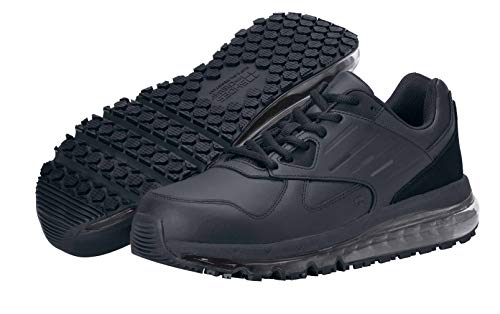

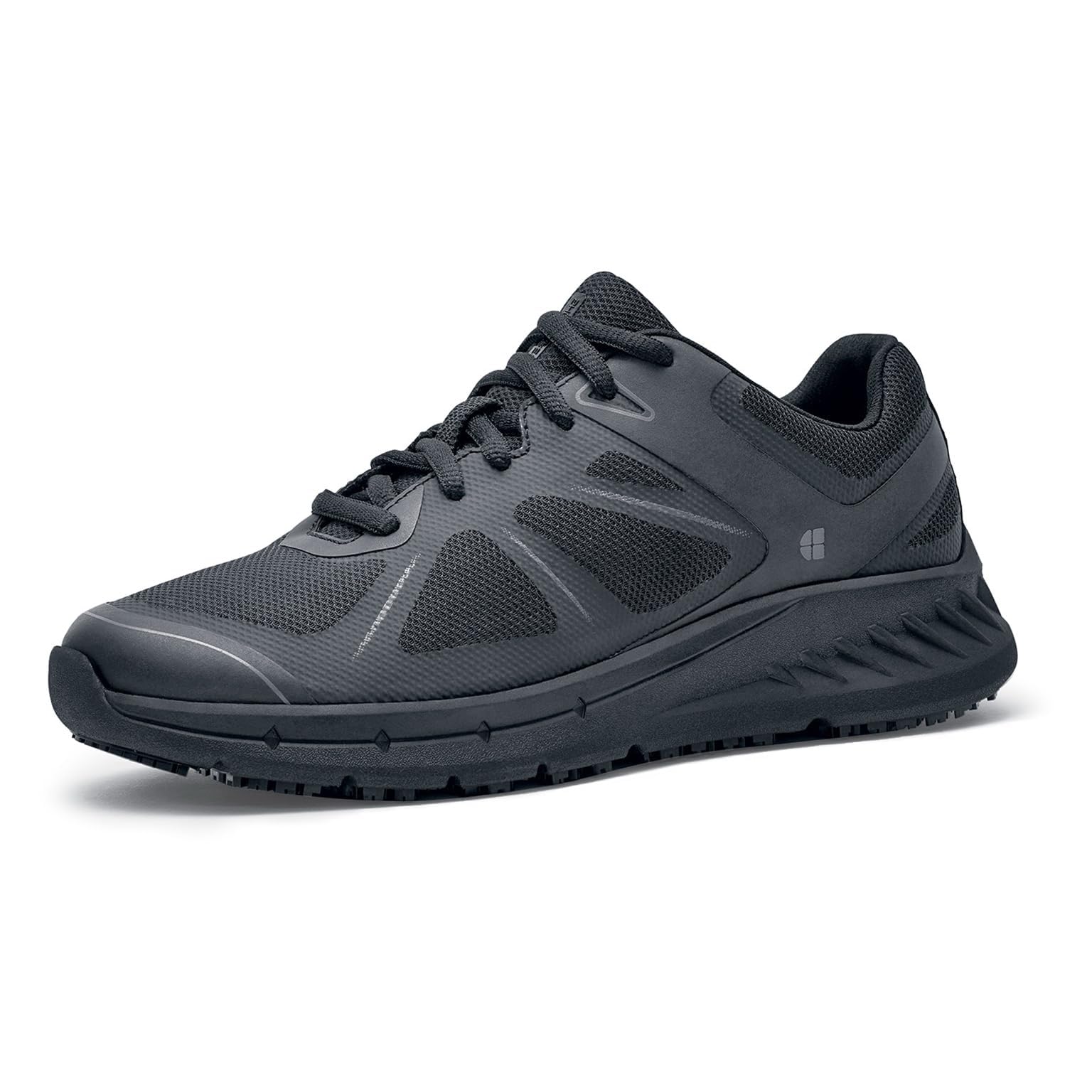
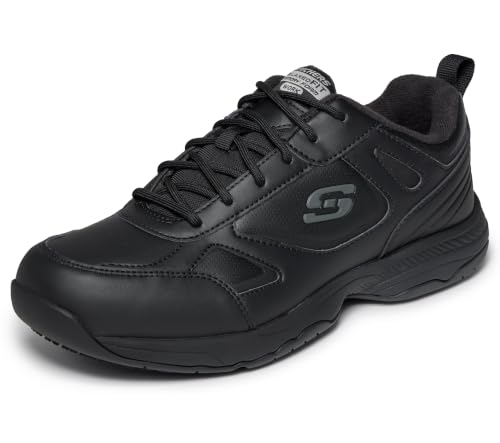
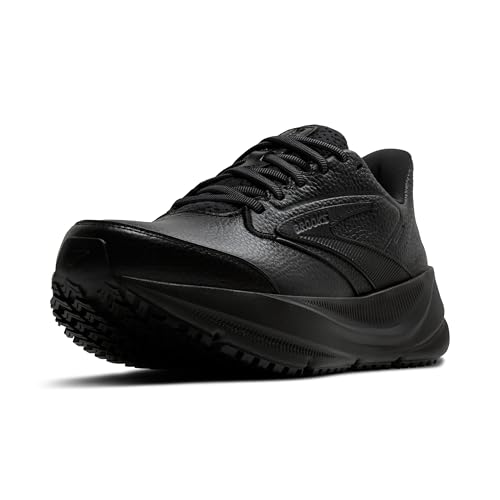

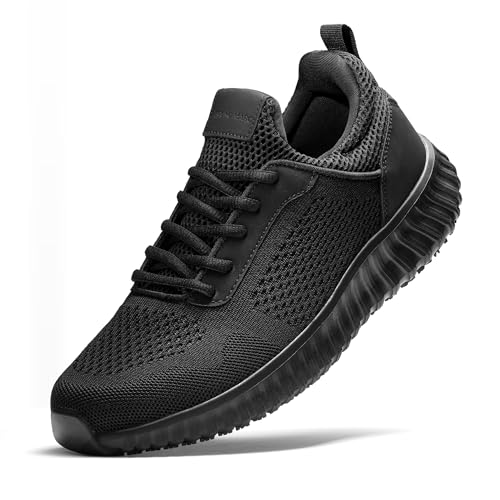

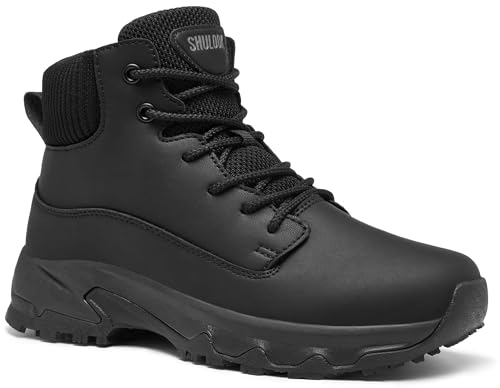

How to Evaluate Comfortable Slip Resistant Shoes
Fit, Sizing, and Toe Box
Fit comes first, because a slipping heel or pinched toe undermines both comfort and safety. Try shoes in the afternoon with your work socks, and walk on a hard floor. The heel should stay put, the midfoot should feel locked, and toes should wiggle without pressing the front.
A roomy toe box matters for long shifts, since feet swell over hours. Steel or composite toe versions need extra length, so size up if your toes touch the cap. If you wear orthotics, bring them to the fitting and check that the insole sits flat without crowding.
Durability and Expected Lifespan
Slip resistant shoes wear fastest at the outsole, where tread meets grease, water, and floor chemicals. Check rubber thickness and tread depth before buying, since thin tread smooths out quickly on commercial floors. Uppers should resist splashes and wipe clean without cracking.
Most work shoes last six to twelve months of daily use, depending on floor type and hours. Replace shoes when tread wears smooth, cushioning flattens, or the upper splits. Waiting too long trades a small saving for a real slip risk.
Waterproofing and Membranes
Waterproof membranes keep feet dry in wet kitchens and outdoor yards, but they reduce breathability. For mostly dry indoor work, a water resistant upper with good ventilation suits better. For wet work, a sealed membrane and a gusseted tongue keep water out longer.
Weigh the trade off honestly. Sweaty feet blister and chill faster than dry feet in a breathable shoe, while wet feet in a non waterproof shoe face the same problem from outside. Match the membrane to your wettest regular task, not the rare spill.
Arch Support and Foot Type
Arch support should match your foot type and stay consistent through the shift. Flat feet need firmer support to prevent rolling inward, while high arches need cushioning that fills the gap. Neutral feet do well with moderate contour and a stable base.
If you have ongoing foot pain, numbness, or swelling that does not ease with rest, talk with a clinician before relying on a shoe change alone. A good shoe supports healthy feet, but it is not a treatment for an underlying condition. Pair the right shoe with rest and proper foot care.
Outsole Traction and Terrain
Traction comes from rubber compound, tread pattern, and channel design. Softer rubber grips wet tiles better, while deeper channels push water and grease away from the contact patch. Look for outsoles tested for slip resistance on wet and oily surfaces, and read the test standard rather than trusting a label alone.
Lug depth matters on uneven floors, while a flatter pattern suits smooth commercial tiles. Avoid outsoles with shallow tread if you work around grease, since they clog quickly and lose grip. Clean outsoles regularly, since trapped debris reduces traction as surely as wear does.
Weight and Flexibility
Heavy shoes tire legs over a long shift, while very light shoes may sacrifice protection. Aim for the lightest shoe that still meets your safety needs, whether that includes toe protection, puncture resistance, or electrical hazard rating. Flexibility at the forefoot helps natural walking, while a firm heel counter keeps the foot stable.
Test flexibility by bending the shoe at the ball of the foot, not the middle. It should flex where your foot flexes, not fold in half. A shoe that bends in the middle offers poor arch support and will fatigue feet faster.
Choosing by Workplace
Kitchen workers need grease resistant outsoles, easy clean uppers, and closed designs that block spills. Hospital workers need quiet soles, light weight, and cushioning for long standing hours. Warehouse workers need toe protection, puncture resistance, and ankle stability for uneven loads.
Match the shoe to your floor first, then to your shift length. A kitchen shoe on a warehouse floor may lack toe protection, while a heavy boot in a kitchen may overheat feet. Related guides help narrow the choice: best slip resistant shoes, best slip resistant shoes men's, best work shoes slip resistant, best comfortable slip on shoes, and best slip resistant shoes women's cover traction and fit for different workplaces.
Shift Comfort Habits That Protect Your Feet
Shoes alone do not carry a whole shift. Small habits during the day protect feet far more than most workers realize. Change socks mid shift if your feet sweat heavily, since damp socks increase blister risk and chill feet in air conditioned spaces. Keep a spare pair of socks in your locker, and choose moisture wicking socks that pull sweat away from skin rather than cotton socks that stay damp.
Take sitting breaks when your schedule allows, even brief ones. Standing for eight hours without relief strains arches and calves, and no shoe fully prevents that fatigue. Elevate feet slightly during breaks to reduce swelling, and stretch calves and toes gently before returning to the floor. These micro breaks add up to noticeably fresher feet by shift end.
After work, air shoes out fully before the next shift. Shoes worn damp day after day develop odor and break down faster, since foam and leather need drying time to recover. Remove insoles overnight to speed drying, and rotate two pairs if your budget allows. A shoe that dries fully between shifts lasts longer and smells far better across the month.
One last habit protects both shoes and floors: clean up spills promptly rather than walking through them repeatedly. Grease and chemicals tracked across a floor reduce traction for everyone and wear outsoles unevenly. Report damaged flooring, such as cracked tiles or loose mats, since even the best slip resistant shoe cannot grip a broken surface safely. A safe workplace is a shared effort between footwear, flooring, and housekeeping.
Frequently Asked Questions
What makes a shoe slip resistant?
Slip resistance comes from a rubber outsole compound that grips wet surfaces, a tread pattern that channels water and grease away, and a flat contact area that stays in touch with the floor. Testing standards measure grip on wet tiles and oily steel. A shoe labeled slip resistant should cite a test result, not just a marketing claim. Clean tread matters as much as new tread for grip.
Are slip resistant shoes comfortable for long shifts?
Yes, when cushioning, fit, and weight suit your shift length. Look for cushioned insoles, a roomy toe box, and a weight you can carry for eight hours or more. Break shoes in with shorter shifts before a full week. If feet ache by mid shift, check fit and cushioning before blaming the slip resistant outsole.
How do I clean slip resistant outsoles?
Brush outsoles with warm soapy water and a stiff brush to clear grease and debris from tread channels. Rinse well and air dry away from direct heat. Avoid harsh solvents that can harden rubber and reduce grip. Clean outsoles weekly in greasy workplaces, since clogged tread loses traction quickly.
When should I replace slip resistant shoes?
Replace slip resistant shoes when tread wears smooth, channels clog permanently, or cushioning flattens. Most daily work shoes reach that point in six to twelve months. Check the heel and forefoot for smooth patches, and test grip on a wet tile if you are unsure. A shoe that slips in testing should leave service immediately.
Do I need steel toes with slip resistance?
Steel or composite toes are needed only when your workplace requires impact protection, such as warehouses and construction sites. Kitchens and hospitals usually do not require toe caps, so a lighter slip resistant shoe suits better there. Check your workplace safety rules before buying, since the wrong toe protection can be as costly as none.
Should I wear insoles in slip resistant shoes?
Insoles can improve comfort in slip resistant shoes when they match your arch and do not crowd the toe box. Remove the factory insole before adding a thicker aftermarket one, so fit stays correct. Replace insoles when they flatten, usually every few months of daily use. If foot pain persists despite good shoes and insoles, talk with a clinician about your gait and support needs.
Final Thoughts
A safe work shoe grips the floor, fits the foot, and cushions the shift in equal measure. Check traction, fit, and weight together, and replace shoes when tread or cushioning fades. Check the product table above, and your best comfortable slip resistant shoes choice will protect you without punishing your feet.


