
Best Comfortable Sandals for Wide Feet: What Actually Matters Before You Buy for 2026
Disclosure: We may earn a commission when you buy through links on this page, at no extra cost to you. As an Amazon Associate I earn from qualifying purchases. Learn more

Use this checklist for toe box room, strap adjustment, arch support and sizing to choose the best comfortable sandals for wide feet.
If your feet are wide, you already know the usual sandal story. The length fits, but the straps bite, the footbed edge presses into your foot, and by afternoon your toes are working overtime. The best comfortable sandals for wide feet solve those problems with room where it counts and adjustment where it matters. This article gives you a checklist for judging any pair, so you can score options yourself instead of trusting vague wide labels.
Read the evaluation criteria first, then run any pair you like through the quick checklist near the end. The comparison table below is a handy place to apply the scores as you go.


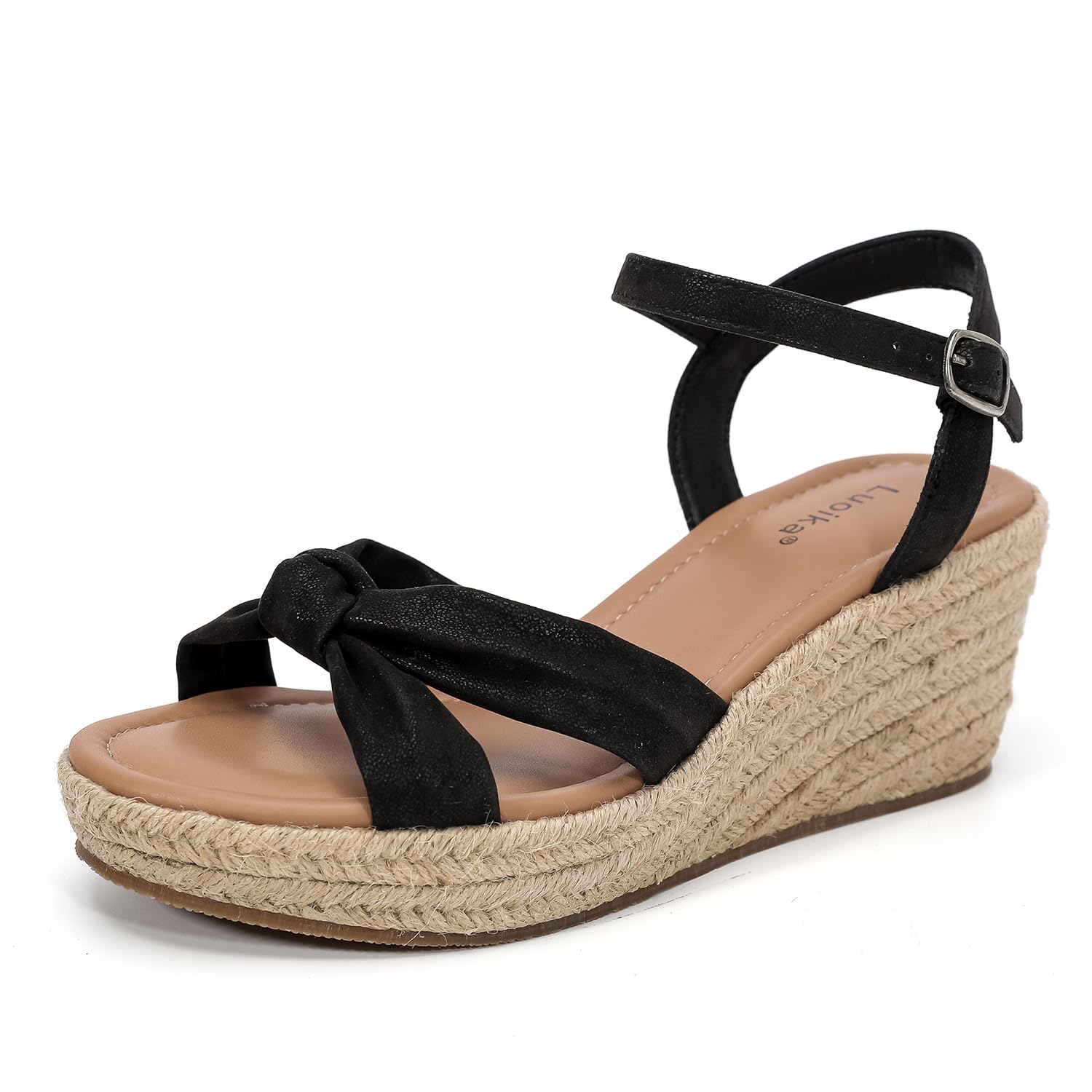

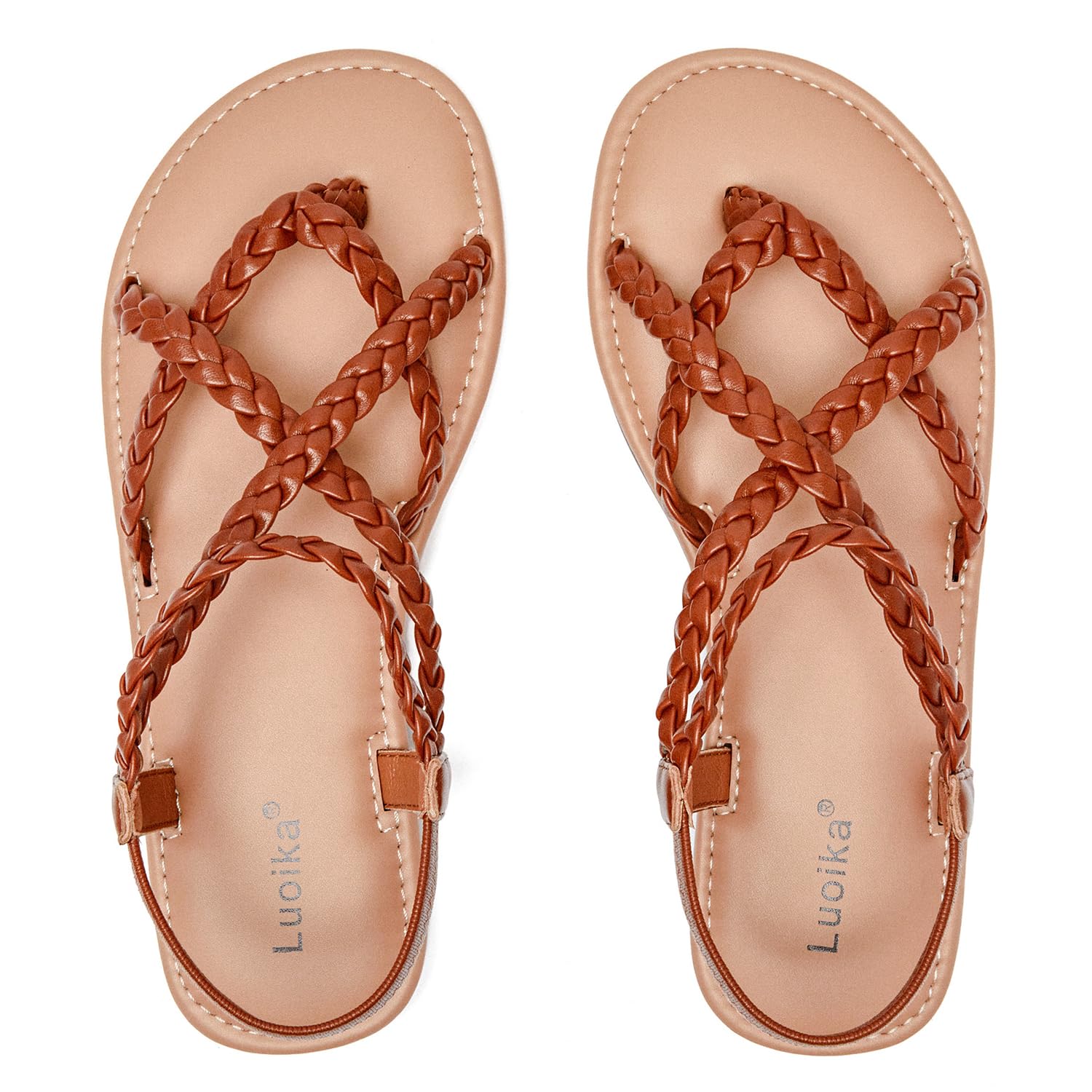
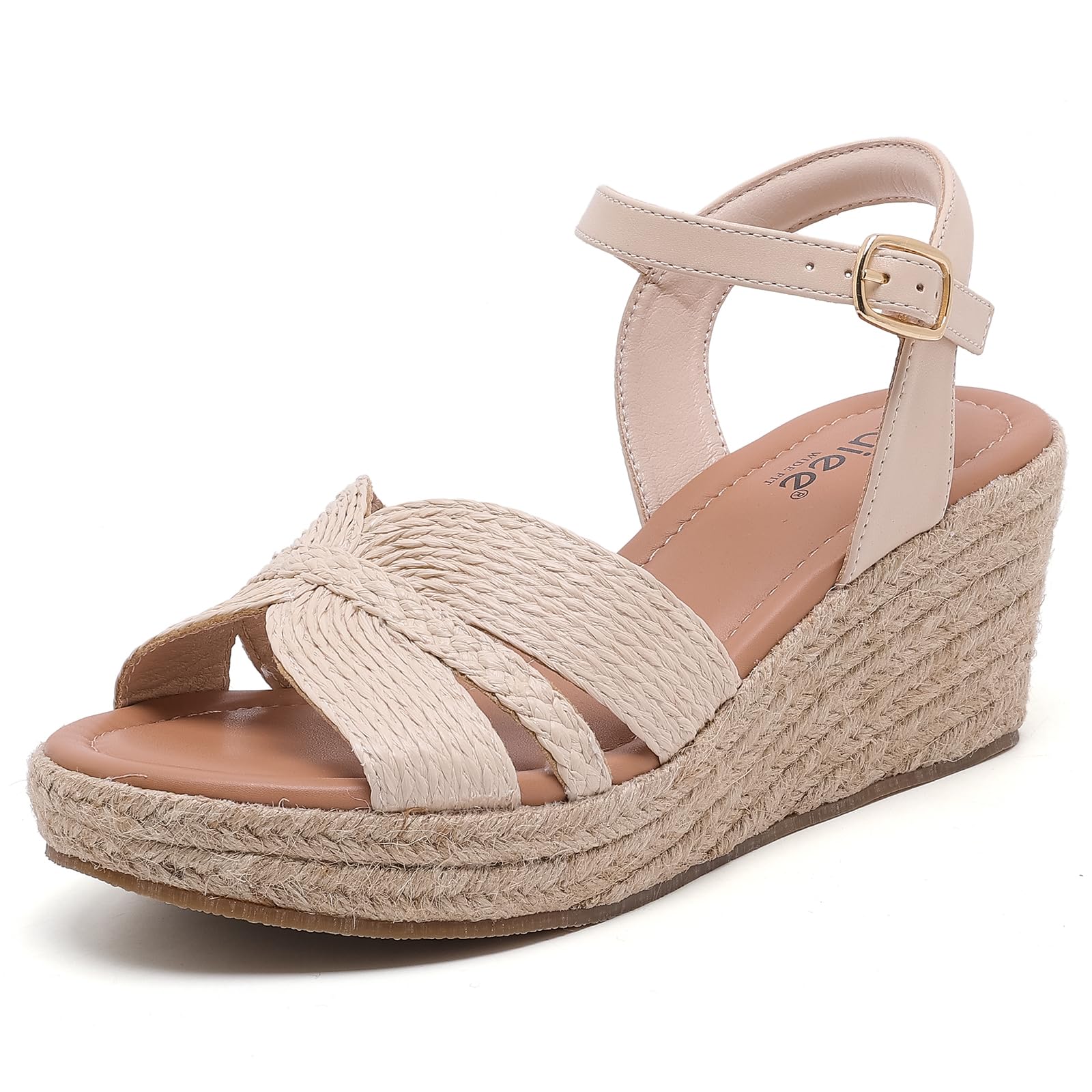
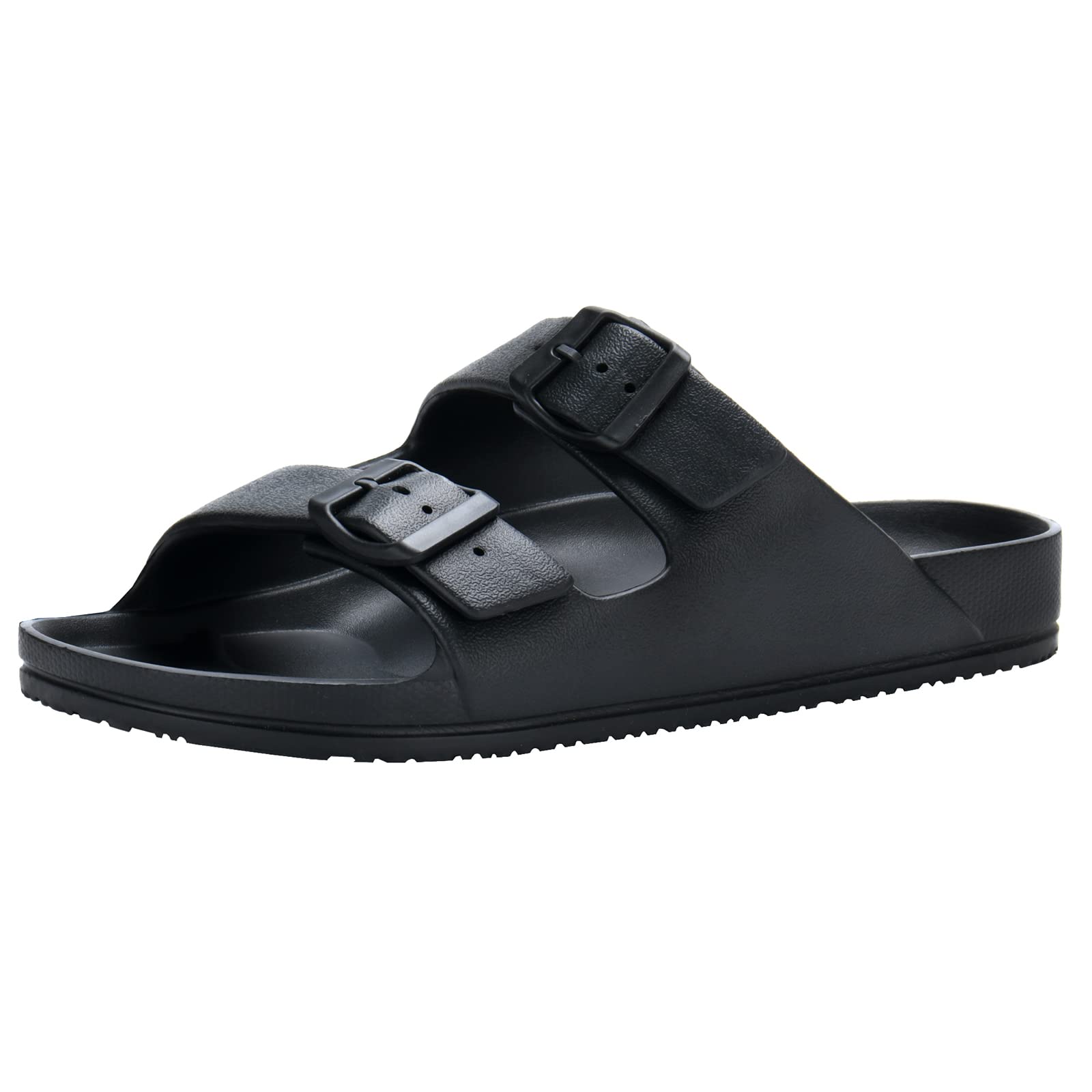
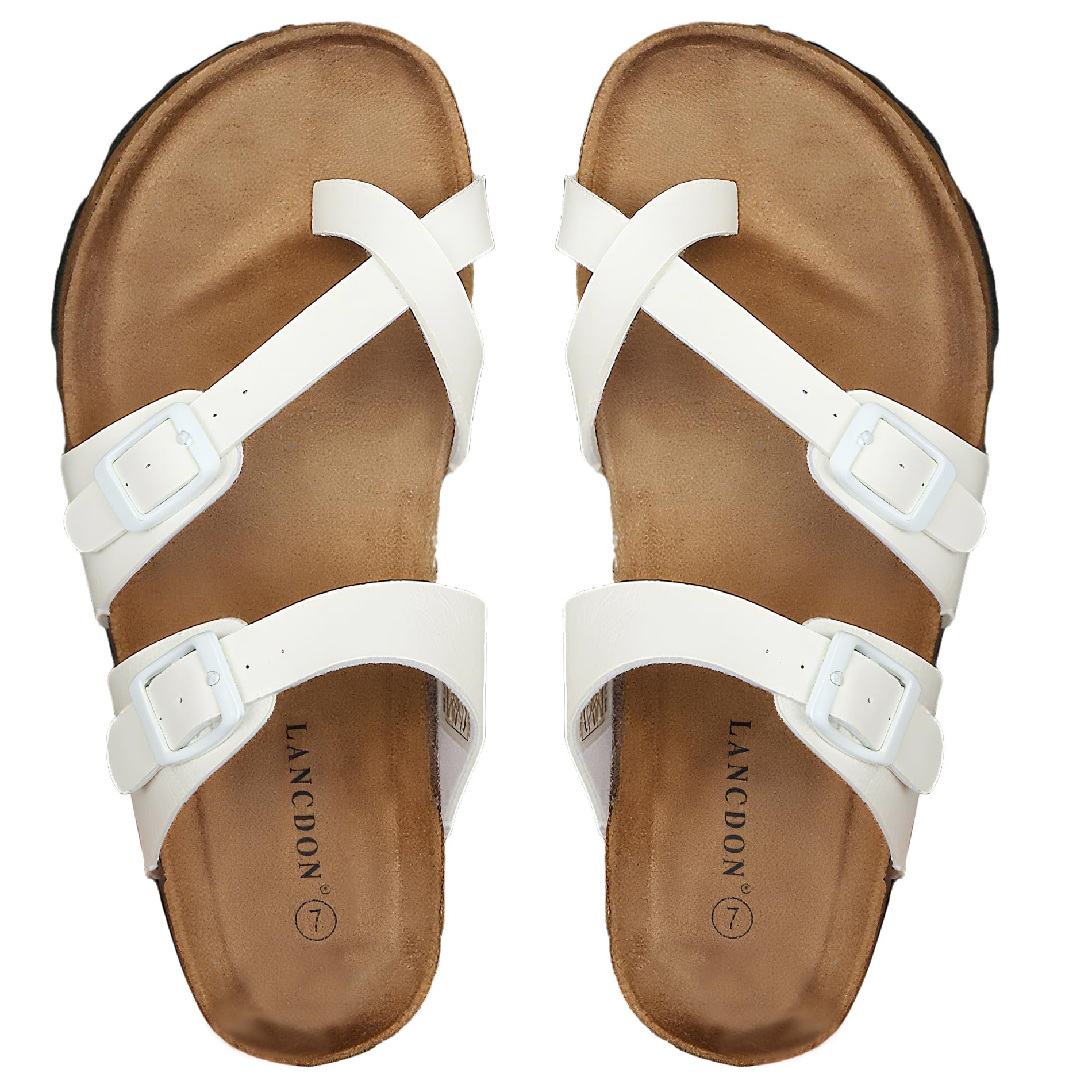
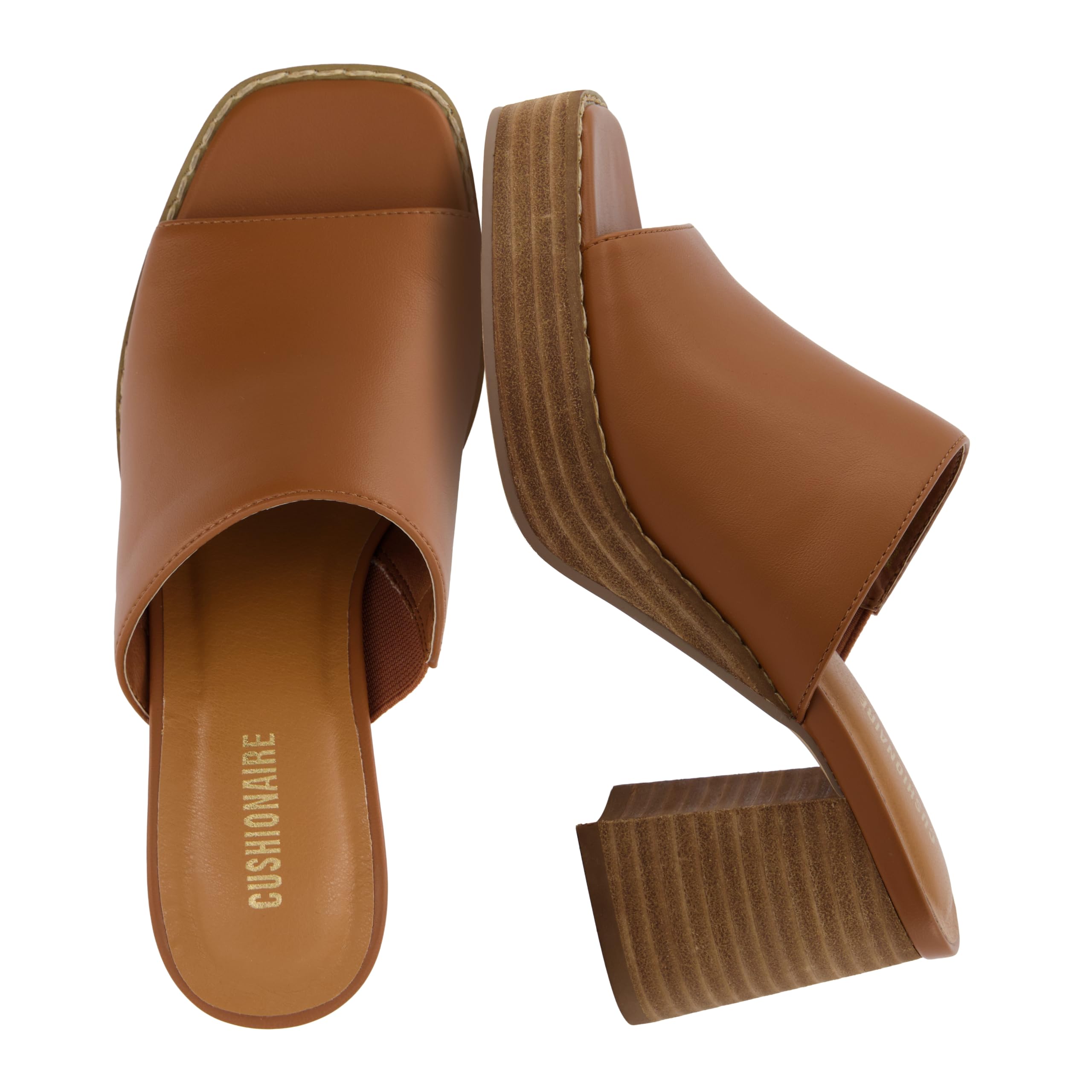
How to Judge Comfortable Sandals for Wide Feet
Each criterion below includes a simple pass mark. A sandal does not need to ace every line, but it should pass the first two, fit and toe box, without exception, because no amount of cushioning fixes a footbed that is too narrow.
Features That Matter for Wide Feet
Wide feet need three things standard sandals rarely give together: a footbed that is actually wider, not just straps set looser; straps that adjust at more than one point, ideally over the toes and the instep; and a sole that does not narrow sharply at the midfoot. A true wide size, usually labeled W or EE in shoe terms, changes the footbed itself. A standard sandal with long straps only adds room on top while your foot still spills over the edges, which is the most common disappointment in this category.
Fit, Sizing, and Toe Box
Measure both feet late in the day, length and width, and compare the numbers with the brand chart rather than trusting your usual size. Your foot should sit fully inside the footbed edge line with a small margin all around, and the widest part of your foot should meet the widest part of the sandal. The toe area should let your toes lie flat and spread. If your little toe rests on the footbed edge or hangs past it, the pair fails, whatever the size label claims.
Outsole Traction and Terrain
A wider foot on a narrow or slippery sole is an unstable mix, so check the outsole width and tread together. The sole should extend at least as wide as the footbed, with tread blocks that grip wet pavement and light trails. Deep lugs suit rougher ground, while flatter patterned tread works better on boardwalks and pool decks. Turn the sandal over in photos or in store: if the tread looks like a smooth fashion sole, it will behave like one on wet stone.
Cushioning and Support
Wide feet often carry more load across the forefoot, so cushioning should be firm enough not to collapse at the edges. A layered footbed, softer on top and denser below, keeps comfort without the wobbly feeling of thick soft foam. Heel height should stay modest, since a high or narrow heel concentrates pressure. A slight heel to toe drop is fine, but the real check is standing still for five minutes: if the foam feels bottomed out, it will not survive a full day.
Arch Support and Foot Type
Many wide feet are also flat or low arched, because a collapsing arch widens the foot under load. If that sounds like you, look for a footbed with a visible arch rise and a firm heel cup, which together keep the foot from rolling inward and widening further. High arched wide feet need cushioning more than correction. For a focused shortlist of width first designs, see our guide to the best sandals for wide feet after you finish this checklist.
Waterproofing and Water Friendly Materials
Sandals seldom need membranes like Gore Tex. What matters is how the materials behave when soaked, especially at strap anchor points where wide feet put extra strain. Rubber and synthetic webbing dry fast and keep their shape, while leather stretches when wet, which can help a tight strap or ruin a good fit. If you will wear the sandals around water weekly, favor synthetic construction and check that buckles are rust resistant.
Upper Materials and Breathability
Straps on wide feet work harder, so material choice affects both comfort and lifespan. Padded webbing spreads pressure and rarely rubs. Leather looks smart and molds to the foot, but it needs a break in period and dislikes soaking. Knit uppers stretch generously over a wide forefoot, which many wearers love, though they offer less lateral support on uneven ground. Whatever the material, edges against the skin should be lined or finished smoothly, because a rough edge plus a wide foot under pressure means blisters.
Three Price Tiers for Wide Feet
This section covers what each tier usually delivers for wide feet, and the compromise that comes with it. Use the tiers to set a realistic budget before you fall for a single listing.
The All Round Tier
The all round tier, often around $60 to $90, usually combines a genuine wide footbed, multi point adjustable straps, and a supportive layered sole. It suits daily summer wear, travel, and long walks. The compromise is styling and weight, since true wide construction tends to look sportier and feel a bit heavier than fashion sandals. For most wide footed buyers, this is the tier where the checklist passes most completely.
The Value Tier
Value pairs, often around $35 to $60, can still pass if they offer a real wide size and at least two adjustment points. Expect simpler materials, basic cushioning, and less refined finishing at strap edges. They suit lighter use, beach days, and trying whether a new style shape suits your foot. Check the return policy carefully at this tier, because fit consistency varies more between production runs.
The Compact Travel Tier
Compact, travel friendly styles pack flat and weigh little, which makes them a smart second pair for trips. Wide versions exist but are rarer, so verify the footbed width in inches rather than trusting the word wide. The trade off is support, since thin packable soles offer little arch structure. Treat them as your light duty pair, and let a sturdier pair handle long walking days. If walking is your main use, compare shapes in our guide to the best walking sandals for wide feet as well.
Quick Buyer Checklist
- Is a true wide size offered, with a wider footbed and not just longer straps?
- Does your whole foot sit inside the footbed edge line with a small margin to spare?
- Can you adjust the straps over the toes and over the instep separately?
- Does the arch support match your foot type, gentle for high arches and firmer for flat feet?
- Is the outsole at least as wide as the footbed, with tread you can feel with a fingertip?
- Will the materials handle your wettest regular use, such as rain, beach, or pool decks?
- Does the seller offer painless exchanges, since wide fit is hard to judge from a size chart alone?
Red Flags to Watch For
- Wide in name only. No width measurements, no wide size option, and only marketing words about roominess.
- Vague sizing charts. A chart with lengths but no widths is a warning sign for this category in particular.
- Straps anchored with glue alone. Wide feet stress anchor points harder, and glued straps are the first failure point.
- Very short warranty or no returns. Confident makers of fit sensitive footwear expect some exchanges and plan for them.
- Reviews full of edge spill complaints. If many buyers mention feet hanging over the sides, believe them over the product photos.
Care and Maintenance Tips
Rinse sandals after beach or pool use to clear salt and grit from strap anchors, then air dry them away from direct heat, which warps foam and dries out leather. For daily wear, rotate two pairs so footbeds recover their shape between outings. Check strap stitching and buckle screws monthly, because catching a loosening anchor early is far cheaper than replacing the pair. Even good sandals eventually flatten, so treat a packed down footbed as your replacement cue rather than waiting for a strap to fail. Trail users can find tougher care notes in our guide to the best hiking sandals for wide feet.
Frequently Asked Questions
What features matter most in comfortable sandals for wide feet?
A genuinely wider footbed and adjustable straps matter most, ahead of cushioning or brand. If your foot fits inside the footbed with margin and the straps can be tuned at two points, most other comfort issues become manageable. After those two, match arch support to your foot type. Everything else, color, weight, and styling, is secondary to those three checks.
How long is the break in period for wide fit sandals?
Most synthetic and webbing styles feel right within a few wears, while leather straps may need one to two weeks to mold to a wide forefoot. Break them in at home and on short walks first. Persistent pinching at the widest point is not break in, though. Leather gives a little, but a footbed that is too narrow will never widen enough, so exchange rather than endure.
Are expensive comfortable sandals for wide feet worth it?
They are worth it when the price reflects real wide construction, better strap hardware, and a footbed that keeps its shape. Premium pairs also tend to offer more width options, which improves your odds of a precise fit. If you only need beach sandals a few weeks a year, a value tier wide pair is a sensible spend. Daily walkers usually feel the difference within a month.
Can I wear comfortable sandals for wide feet all day?
Yes, if the pair passes the fit checks and has support matched to your arches. Start with a half day at home or at work before attempting a full day of sightseeing. Feet swell as the day goes on, which is exactly why two point strap adjustment earns its keep: a quick loosening at midday prevents the end of day bite that ruins many otherwise good pairs.
How should comfortable sandals for wide feet fit?
Your foot should rest fully on the footbed with a small border visible around it, the straps should hold without digging, and your toes should lie flat with room to spread. Walk on a hard floor and turn sharply: your foot should not slide sideways off the footbed. Women comparing fits can also read our guide to the best sandals for wide feet women's styles for shape specific notes.
How often should I replace my comfortable sandals?
Expect one to two seasons of regular use before cushioning and support fade, and less if you walk daily on pavement. Judge by feel and by evidence: compressed footbed foam, smooth tread, and straps that have stretched to their last adjustment hole all say the same thing. Replacing on time matters more for wide feet, because a collapsing footbed lets the foot spill further over the edge.
Do I need waterproof sandals for wide feet?
You need water friendly materials, not waterproof construction. Open sandals let water in by design, so choose straps and footbeds that stay grippy when wet and dry quickly afterward. Synthetic webbing and rubber excel here. Leather can work for occasional splashes but stretches when soaked, which changes the fit of a wide sandal more noticeably than on a standard width pair.
The Bottom Line
Run every candidate through the same three gates: a truly wide footbed, straps that adjust in two places, and support that matches your arch. Pass those, and price tier becomes a simple question of materials and lifespan. When you compare the best comfortable sandals for wide feet in the product table above, keep the checklist open beside it, and your feet will thank you by the end of the first long day.


