
Best Comfortable Platform Sandals: Our 2026 Checklist and Buying Guide
Disclosure: We may earn a commission when you buy through links on this page, at no extra cost to you. As an Amazon Associate I earn from qualifying purchases. Learn more
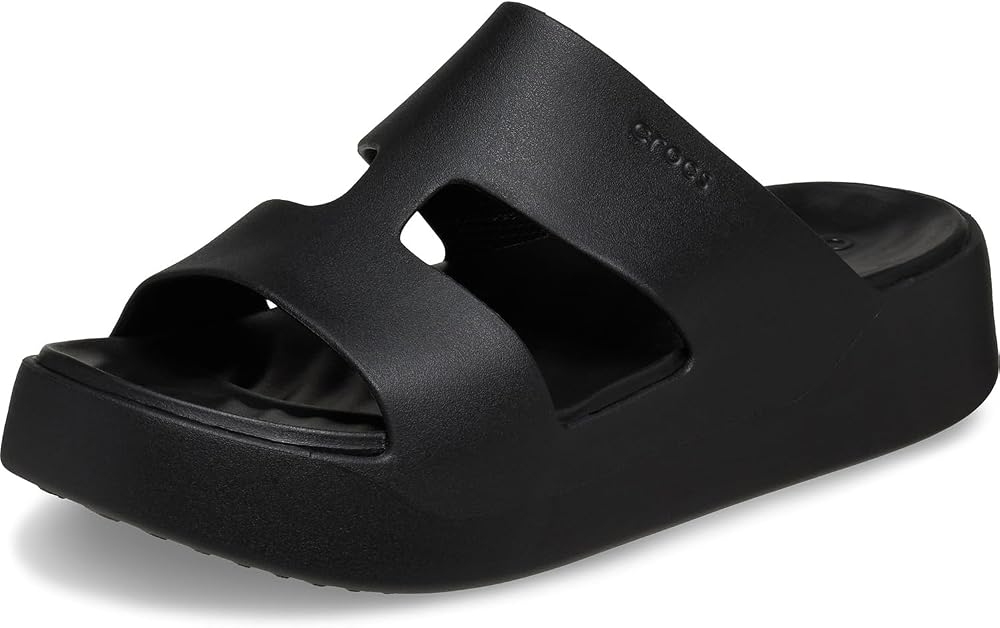
Use this checklist for fit, cushioning, traction and support to choose the best comfortable platform sandals, plus guidance on height and price tiers.
Height is easy to find in a platform sandal. Comfort that lasts past the first hour is harder, because a tall sole can feel stable in the store and tiring on real pavement. This guide gives you a simple checklist for judging best comfortable platform sandals before you buy, so you can compare sole shape, straps and support with confidence.
Use the comparison table below to narrow your options by height, closure and price, then work through the criteria that follow. A good platform should lift you without making each step feel stiff, wobbly or heavy.
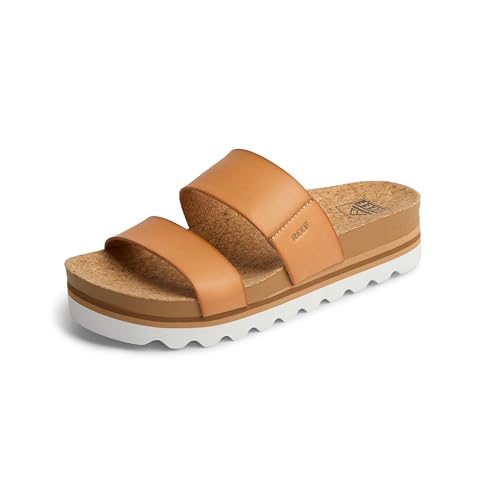


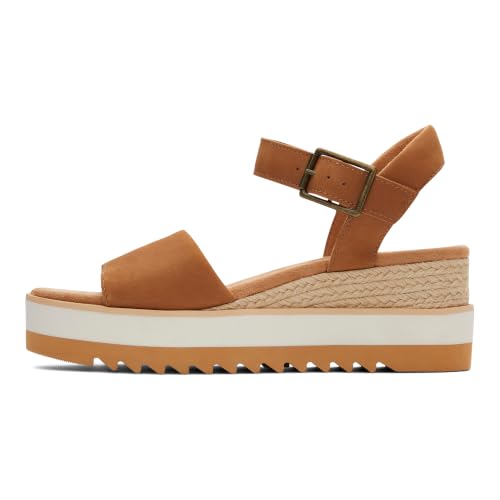


How to Judge Comfortable Platform Sandals
A platform adds height without the steep angle of a heel, which is why many people find it easier to wear. That advantage disappears if the sole is too rigid, the straps cut in, or the base is narrow under your heel. Score each pair against the points below, and pay the most attention to fit and stability if you plan to walk far.
If you are still deciding between a platform and a flatter style, start with our guide to the best comfortable sandals for the basics of cushioning and fit. Platform specific choices build on those same basics, with extra attention to balance.
Fit, Sizing, and Toe Box
Measure your feet in the afternoon, when they are at their largest, and compare the numbers with the size chart for that exact style. Your toes need room to spread inside the toe box, with a small gap in front of your longest toe. Straps should hold your foot without pinching the sides or forcing your toes to grip. If you sit between sizes, a style with adjustable straps usually gives a safer fit than a fixed slide, because you can fine tune the hold as your feet swell during the day.
Durability and Expected Lifespan
Look at how the sole and upper are joined. Stitching or a strong bond with no gaps suggests the layers will stay together through a full season of regular wear. Thin decorative soles that compress flat under thumb pressure tend to lose comfort quickly. With daily use in warm months, a well made pair should hold its shape and cushioning for one to two seasons. Rotate pairs when you can, since foam recovers better with a rest day between wears, and wipe grit from the footbed so it does not grind into the surface.
Cushioning and Support
Comfort comes from the mix of softness and support, not softness alone. A footbed that contours gently to your arch helps spread pressure, while a very flat and squishy sole can leave your feet tired. Check the heel to toe drop, meaning how much higher the heel sits than the forefoot inside the shoe. A modest difference feels natural for most people. If you know you need firmer arch support, choose a shaped footbed over a flat foam pad, and try the pair on a hard floor at home before you commit.
Water Resistance and Wet Weather Use
Most platform sandals are made for dry streets, patios and boardwalks, not for standing water. Leather and fabric straps absorb water and dry slowly, while synthetic straps and rubber soles handle splashes far better. A sealed membrane like the kind used in waterproof boots would trap heat in an open sandal, so makers rarely use it here. If rain or pool decks are part of your routine, pick quick drying materials and a textured sole, and let the pair dry fully in open air away from direct heat.
Break In Period and Comfort Out of the Box
A comfortable pair should feel good during a short indoor walk on the first day. Mild stiffness in a new sole can ease within a few wears, but rubbing at the toes, ankle or arch is a warning sign, not a stage to push through. Wear the sandals around your home in short sessions first, and check for red marks after each one. Soft strap linings and padded edges reduce early rubbing. If a strap needs constant adjusting to stop pain, the shape is wrong for your foot, no matter how attractive the height looks.
Outsole Traction and Terrain
Flip the sandal over and study the outsole. You want clear tread patterns and rubber that feels grippy rather than slick plastic. Shallow grooves work on dry pavement, while deeper patterns help on wet tile, gravel paths and uneven sidewalks. The base should be wide enough under the heel and forefoot to feel planted when you turn. Avoid very narrow platforms if you walk on cobbles or cracked pavement often. For longer walks on mixed ground, compare options in our guide to the best comfortable sandals for walking alongside platform styles.
Upper Materials and Breathability
Leather straps soften with wear and look polished, but they need more care and can feel warm. Woven fabric and knit straps feel light and breathable on hot days, though they may stretch more over time. Synthetic straps dry fastest and suit travel. Padding matters more than the outer material alone, since a smooth lining prevents friction where the strap crosses your skin. Open designs ventilate well by nature, so your main choice is between structure and softness. Pick the upper that matches your climate and how formal you need the sandal to look.
What Each Price Tier Should Deliver
Price tiers help you judge value without chasing names. Use the product table above to see where a pair sits, then check whether its materials and construction match that level. The tiers below describe what you should reasonably expect at each step.
The Balanced Tier
A balanced pair for daily wear, often around $60 to $120, should combine a shaped and cushioned footbed, adjustable straps with soft linings, and a rubber outsole with real tread. The platform should feel light for its height and bend slightly at the forefoot rather than forcing a rocking step. This tier suits you if you want one pair for errands, dinners and travel days. The main limit is that even a balanced platform is not built for hikes or very long walks on rough ground, so keep expectations set for city and resort use.
The Value Tier
Value pairs, often under $60, can still be comfortable if the basics are right. Expect simpler foam footbeds, fewer strap adjustments and basic tread, but insist on a wide and stable base and straps that do not dig in. This tier works well for occasional wear, short outings and trying the platform look before you spend more. The trade off is lifespan, since thinner soles and softer foams usually flatten sooner. Check the return policy, wear the pair indoors first, and upgrade later if you find yourself reaching for platforms several days a week.
The Heavy Use Tier
For frequent wear, a sturdier tier at about $100 to $180 should offer denser cushioning that resists flattening, stronger joins between sole and upper, and straps made to handle daily friction. Look for replaceable or easy to clean footbed surfaces if you wear sandals in heat every day. This tier suits commuters and travelers who stand and walk for hours. Weight is the usual limit, since durable materials can feel heavier. If you shop for someone else as well, our guide to the best comfortable sandals for men covers fit points that differ by foot shape.
Quick Buyer Checklist
Run through these questions before you order. A pair that earns mostly yes answers is far more likely to stay comfortable after the first week.
- Does the toe box let your toes lie flat without squeezing?
- Do the straps adjust enough to hold your foot without pinching?
- Does the base feel wide and stable when you turn or shift weight?
- Does the footbed support your arch instead of feeling fully flat?
- Does the outsole have real tread that grips on smooth floors?
- Is the platform height one you can walk in on uneven pavement?
- Do the materials suit your climate and usual outfits?
- Can you return the pair after an indoor trial walk?
Red Flags to Watch For
Vague product pages are the first warning. If a listing hides the sole material, platform height or strap lining, you cannot judge comfort before it arrives. Very short warranty or return windows suggest the maker expects problems early. Be cautious with reviews that praise looks only and never mention walking distance, since platform comfort shows up over time, not in a mirror. Avoid soles that feel slick on tile, straps with raw edges against the skin, and platforms that narrow sharply under the heel. A strong chemical smell that lingers can also signal cheap foams that break down fast.
Tips to Get the Most From Your Comfortable Platform Sandal
Start with short wears and build up, especially with taller platforms, so your ankles adapt to the height. Clean the footbed with a damp cloth after sweaty days and let it dry in open air. Store pairs flat and out of strong sun to protect straps and foam. If you wear platforms daily, rotate two pairs so each footbed can recover. For more outfit and fit ideas across styles, see our guide to the best platform sandals and compare heights side by side.
Comfortable Platform Sandals: Your Questions Answered
Can I wear comfortable platform sandals all day?
Yes, many people can, if the base is stable and the footbed supports the arch. All day comfort depends more on fit and sole shape than on height alone. Choose a moderate platform, adjustable straps and real tread for long days. Carry a flatter backup pair on your first long outing, and sit breaks help more than extra padding. If ankle pain or repeated rolling occurs, stop wearing that height and choose a lower and wider base.
Do I need waterproof comfortable platform sandals?
No, most buyers do not need full waterproofing in an open sandal. You only need water ready materials if you expect splashes, rain or pool areas. Synthetic straps and rubber soles dry quickly and clean easily, which matters more than a membrane in this style. Leather looks refined but stains and stiffens after soaking. For beach heavy use, a dedicated water sandal will serve you better than a fashion platform, so match the shoe to the setting first.
How long is the break in period for comfortable platform sandals?
Expect about three to five short wears for straps and foam to settle. The sandal should never cause blisters or sharp pain during that time. Start indoors, then try short outdoor walks once no rubbing appears. Padded linings shorten the process, while stiff leather may take a little longer. A useful trick is to wear thin socks at home for the first sessions, which shows rub points early without damaging your skin on a long day out.
How often should I replace my comfortable platform sandals?
Replace them when the footbed stays flat after rest, the tread looks smooth, or the straps stretch so much that your foot slides. For daily warm weather wear, that is often after one to two seasons. Occasional wear can last longer. Check the heel area for uneven wear, since a worn angle changes how your foot lands. Keeping a second pair in rotation spreads the wear and gives you a clear comparison when the older pair starts to fade.
How should comfortable platform sandals fit?
They should fit with your heel centered on the base and your toes resting flat with a small gap at the front. Your foot should not hang over the sides or slide forward when you walk. Straps need to feel secure without leaving deep marks after a short wear. Try sizes late in the day and walk on a hard surface while you try them. If you shop mainly for women specific fits, our guide to the best comfortable sandals for women explains width and arch differences in more detail.
The Bottom Line
Judge platforms by stability, footbed shape and strap comfort first, and treat height and looks as the final filter. Use the comparison table above to shortlist pairs that match your budget tier, then apply the checklist to each one. When you choose best comfortable platform sandals with a wide base and honest materials, you get the lift you want with steps that still feel natural at the end of the day.


