
Best Comfortable Safety Boots: A Buying Guide for 2026
Disclosure: We may earn a commission when you buy through links on this page, at no extra cost to you. As an Amazon Associate I earn from qualifying purchases. Learn more

Learn how to choose the best comfortable safety boots that fit well and meet your work rules, comparing toe protection, cushioning, weight and waterproofing.
Safety boots protect your feet at work, but a pair you dread wearing will not protect you well, because you will look for excuses to leave them off. The best approach is to treat comfort and protection as equal requirements, not as a trade off you must accept. This guide explains best comfortable safety boots by fit, toe protection, cushioning, and weight, so you can find a pair that meets your workplace rules and still feels good at the end of a shift. Read the comparison table below, then work through the buying guide to narrow your choice.
Comfort in a safety boot comes from several small things working together, including a roomy toe box, cushioning that does not flatten by midday, and a weight you can carry for hours. Protection comes from the toe cap, the outsole, and the materials around your foot. The sections below explain each factor in plain terms, so you can judge a boot by what matters for your job.

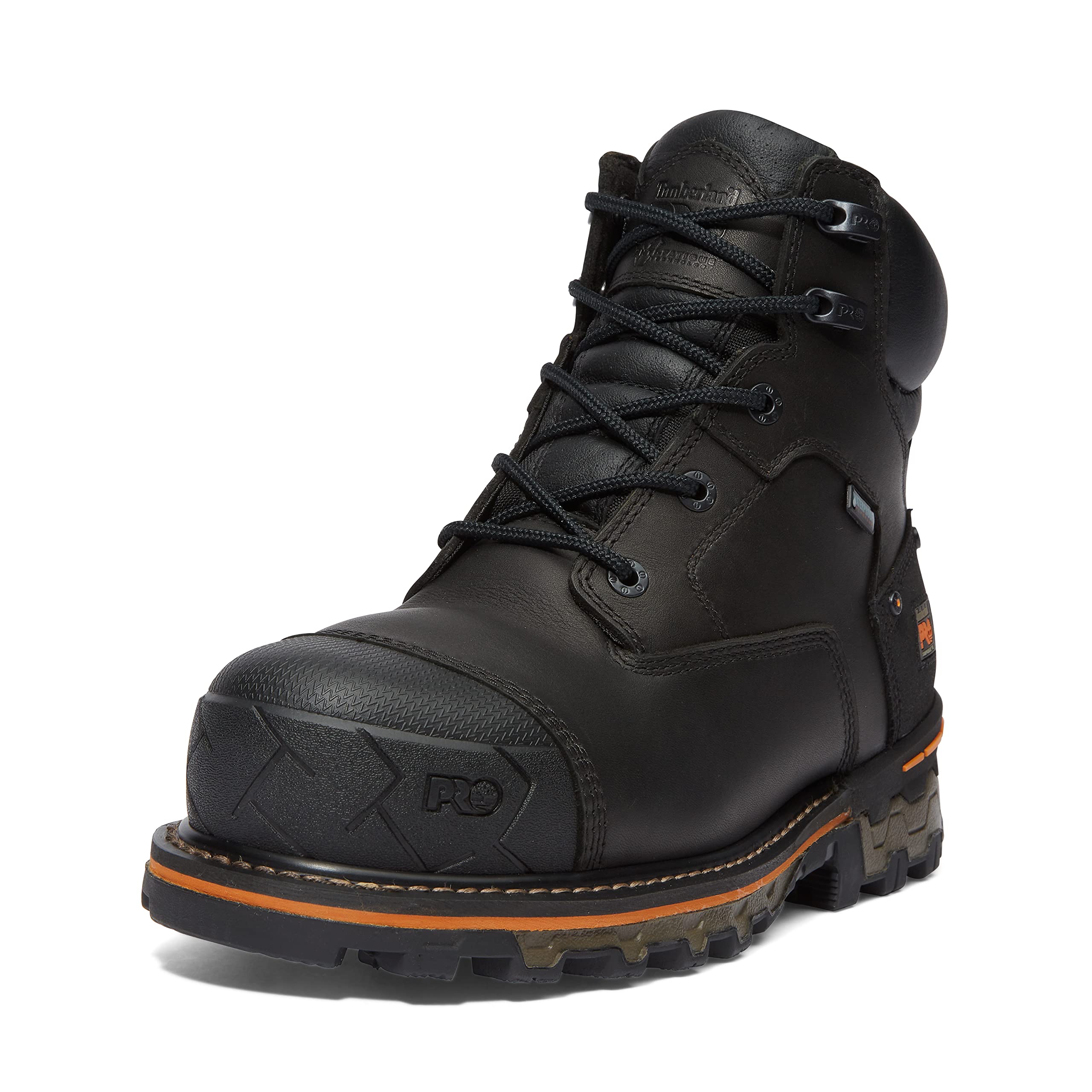

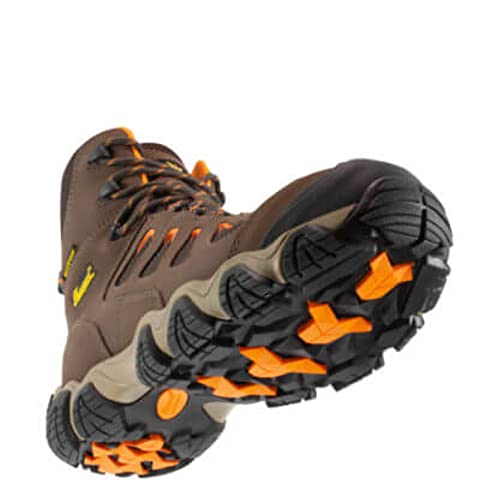


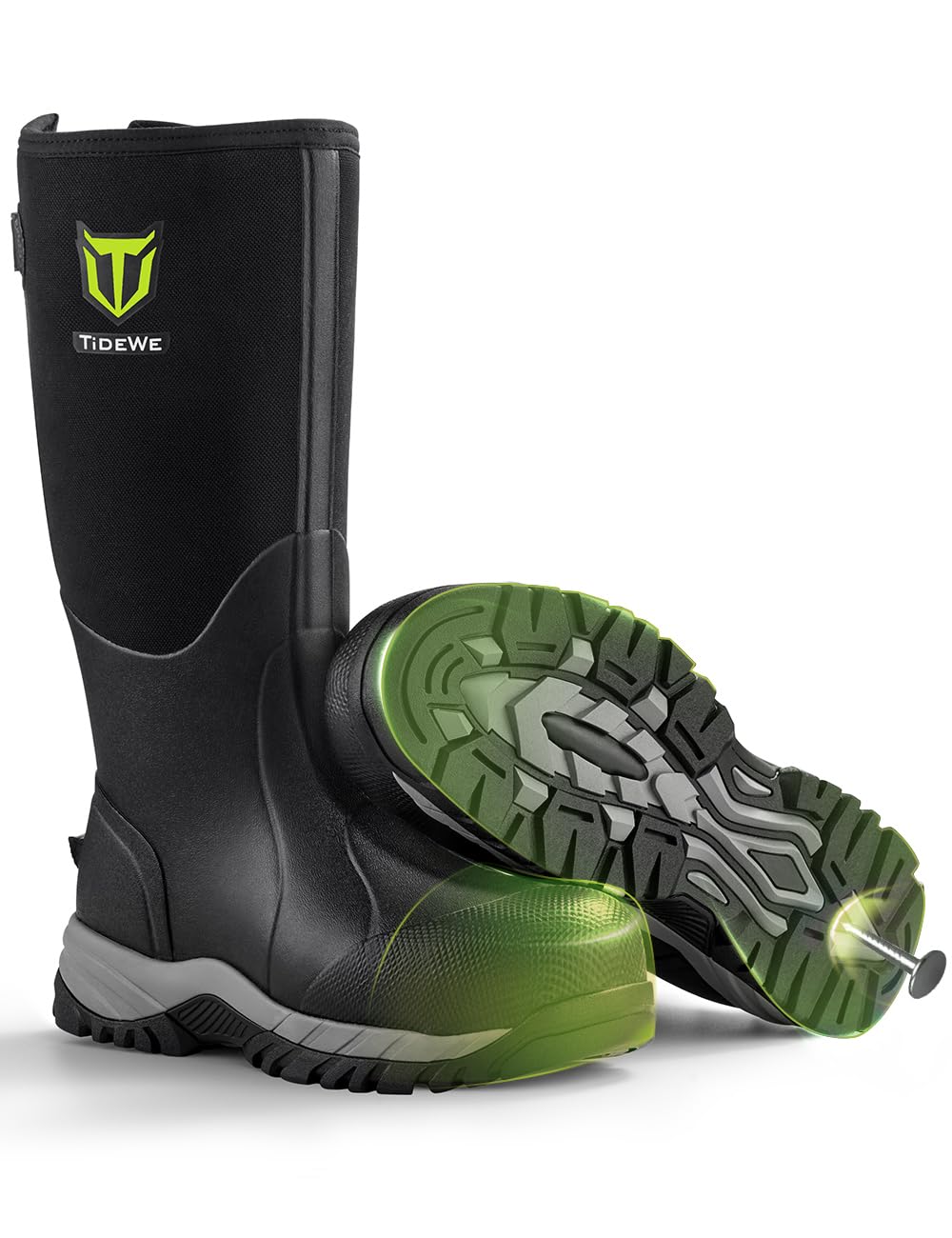
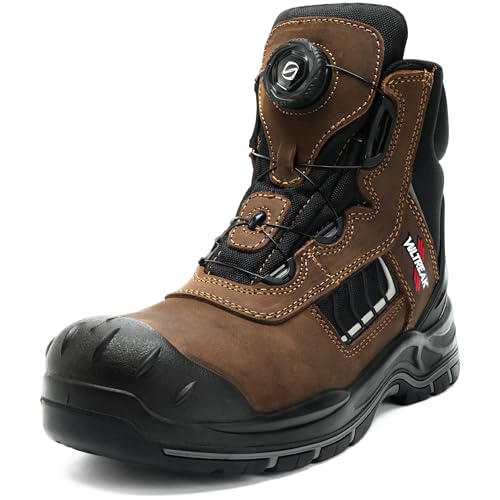

Spending Levels at a Glance
Price gives a rough sense of what to expect, but it does not guarantee comfort or protection. Use the three levels below as a starting point, then check fit and workplace requirements before you decide.
Lower Cost Options
Lower cost boots, often about $80 to $120, usually cover the basics well, including a protective toe cap and a durable outsole. Cushioning may be simpler, and the break in period may be longer, so try them on carefully and expect a few days of adjustment. These boots suit lighter duties and shorter shifts, or buyers who want a backup pair. Check the toe protection standard for your workplace before you buy, since a lower price should never mean missing a required rating.
Mid Cost Options
Mid cost boots, often about $120 to $200, usually add better cushioning, lighter materials, and more refined fit options, including wider widths. This level suits most full time workers, because the extra comfort pays off over long shifts. You will often find composite toe options here too, which can feel lighter than steel while still meeting common workplace standards. Compare the insole, the weight, and the warranty at this level, since those details separate a good daily boot from an average one.
Higher Cost Options
Higher cost boots, often about $200 and up, usually offer premium cushioning, waterproof membranes, and tougher outsoles built for harsh conditions. They suit workers who spend long days outdoors, on wet ground, or on rough surfaces. The extra cost makes sense only if you actually need those features, so do not pay for waterproofing or heavy duty grip if your job stays indoors on dry floors.
How to Choose the Best Comfortable Safety Boots: Buying Guide
The factors below decide whether a safety boot feels good after eight hours or becomes a burden by lunch. Read them in order, and note which ones matter most for your job. A warehouse worker on concrete needs different cushioning than a worker outdoors in rain, so your workplace should shape your priorities.
Fit, Sizing, and Toe Box
Measure your feet in the afternoon, when they are slightly larger, and leave a thumb width of space in front of your longest toe. A roomy toe box matters even more in safety boots, because the toe cap takes up space that your toes would otherwise use. Try boots on with the socks you wear at work, and walk around for several minutes before you decide. If you sit between sizes, the larger size is usually safer, since a tight safety boot causes blisters and numbness faster than a slightly roomy pair you can adjust with lacing. Check your employer rules for required toe protection before you finalize a size.
Waterproofing
Waterproof membranes keep water out, but they also trap heat, so they suit wet work far better than hot indoor work. If you work outdoors in rain or mud, waterproofing is worth the extra warmth and cost. If you work indoors on dry floors, a breathable boot will feel more comfortable over a long shift. Some boots offer water resistant uppers without a full membrane, which can be a good middle ground for occasional wet conditions. Think about how often your feet actually get wet, rather than assuming waterproofing is always better.
Cushioning and Support
Cushioning absorbs impact with each step, while support keeps your foot steady and aligned. A soft insole alone is not enough, because it can flatten by midday and leave you walking on a hard midsole. Look for cushioning in both the insole and the midsole, and for arch support that matches your foot shape. Workers who stand on concrete all day need more cushioning than workers who move between tasks, so match the level to your shift. If your feet ache by afternoon, try a different insole before you blame the boot itself.
Durability and Expected Lifespan
A safety boot should last through months of daily wear, but lifespan depends on your surfaces, your hours, and how well you care for the boots. Outsoles wear faster on concrete and gravel than on smooth indoor floors, and uppers wear faster when they stay wet. As a rough guide, many workers replace daily work boots every 6 to 12 months, though lighter use can stretch that further. Watch for worn tread, cracked uppers, and flattened cushioning, and replace boots when protection or comfort drops.
Upper Materials and Breathability
Leather uppers tend to last longer and resist scuffs, while mesh panels and knit uppers breathe better and break in faster. Full leather suits rough outdoor work, while a leather and mesh mix suits indoor work where airflow matters. Breathability matters more than many buyers expect, because hot and sweaty feet blister faster and tire sooner. If your job involves sharp objects or heavy impacts, favor a tougher upper even if it feels warmer.
Weight and Flexibility
Weight adds up over a full shift, so a lighter boot usually feels more comfortable by the end of the day. Composite toe caps often weigh less than steel toe caps, which is one reason many workers prefer them for long shifts. Flexibility matters too, because a stiff sole forces your foot to work harder with each step. Check how easily the boot bends at the forefoot, and walk up stairs if you can, since that reveals stiffness quickly. Balance weight against protection, and never drop a required toe rating just to save a few ounces.
Types of Comfortable Safety Boots
Safety boots come in a few main types, and each one suits a different kind of work. The short descriptions below help you narrow the field before you compare individual features. Choose the type that matches your workplace hazards first, then compare comfort within that type.
Waterproof Boots
Waterproof boots use a membrane or treated upper to keep water out, and they suit outdoor work, wet floors, and muddy sites. They feel warmer than breathable boots, so they work best when wet conditions are common rather than rare. Check that the waterproofing covers the full boot, not just the lower part, if you often stand in puddles or wet grass.
Steel Toe Boots
Steel toe boots use a steel cap to protect your toes from falling objects and compression, and they remain the standard choice on many heavy duty sites. They tend to weigh more than composite options, but they offer proven protection and a lower price in many cases. If your site requires steel toe protection by name, do not substitute another type without checking the rules first.
Composite Toe Boots
Composite toe boots use non metal materials for toe protection, and they often feel lighter and warmer in cold weather than steel toe boots. They also avoid setting off metal detectors, which matters on some sites. Check that the composite rating matches your workplace standard, since lighter weight should never mean weaker protection. For long shifts, the weight saving alone can make composite boots the more comfortable choice.
Tips to Get the Most From Your Comfortable Safety Boot
- Air dry wet boots away from direct heat, since heat can stiffen uppers and warp soles.
- Rotate two pairs for daily wear when you can, because rest days let cushioning recover and moisture dry fully.
- Lace properly to prevent heel slip, starting snug at the forefoot and firming up toward the ankle.
- Replace worn insoles before you replace the whole boot, since fresh cushioning often restores comfort.
- Inspect the outsole and toe cap regularly, and replace boots when tread wears thin or protection looks damaged.
Frequently Asked Questions
How often should I replace my comfortable safety boots?
Replace safety boots when the tread wears thin, the cushioning feels flat, or the upper cracks at stress points. For daily full time wear, many workers replace boots every 6 to 12 months, while lighter use can stretch that to well over a year. Check the toe cap and outsole every few months, since damage there affects protection, not just comfort. Do not wait for foot pain to tell you the boots are worn out. A fresh pair costs less than the discomfort and risk of working in damaged footwear.
Do I need waterproof safety boots?
You need waterproof safety boots only if your feet regularly get wet at work, such as outdoors in rain, on muddy sites, or on wet floors. If your job stays indoors on dry floors, a breathable boot will feel more comfortable and cost less. Water resistant uppers can handle occasional splashes without the heat of a full membrane. Think about your typical week rather than your worst day, and choose waterproofing only when wet conditions are a regular part of your job.
How long is the break in period for comfortable safety boots?
The break in period usually lasts from a few days to a couple of weeks of regular wear, depending on the upper material and sole stiffness. Softer uppers and composite toe boots often break in faster than stiff leather and steel toe boots. Start with shorter shifts if you can, and watch for hot spots before they become blisters. If rubbing continues after several weeks, the fit is probably wrong rather than unfinished. Try a different size or width before you assume the boots will soften further.
How should comfortable safety boots fit?
Comfortable safety boots should fit snugly around the heel and midfoot, with room for your toes inside the toe cap. Your heel should stay in place when you walk, and your longest toe should have about a thumb width of space from the front of the boot. Try the fit with your work socks on, and walk for several minutes before you decide. A good fit feels secure without pressure points, and it should stay comfortable after your feet warm up. See a doctor if you notice persistent pain, numbness, or swelling, since those signs need professional advice.
Are expensive comfortable safety boots worth it?
Expensive safety boots can be worth it if the extra cost buys better cushioning, lighter materials, or longer durability for your kind of work. They are not worth it if you pay more for features your job does not need, such as waterproofing for dry indoor work. Compare boots at about $120 to $200 against cheaper options by checking weight, cushioning, and warranty terms. A well fitting mid priced pair often beats a costly pair that pinches. Spend more only when you can name the specific benefit you get for the extra money.
Can I wear comfortable safety boots all day?
Yes, you can wear comfortable safety boots all day if the fit is right, the weight suits you, and the toe protection meets your workplace rules. A boot that feels fine for an hour may still tire your feet by the end of a long shift, so try new boots on a full workday before you rely on them. Good cushioning, breathability, and a roomy toe box matter most for all day wear. If your feet ache by afternoon, try a fresh insole, different lacing, or a lighter toe type that still meets your site rules.
The Bottom Line
Start with your workplace rules, then choose a toe type and a fit that you can wear comfortably for a full shift. Cushioning, weight, and breathability decide whether a boot stays comfortable, while the toe cap and outsole decide whether it protects you. Check the product table above, and favor a well fitting pair at a sensible price over a costly pair that pinches or a cheap pair that misses a required rating. The best comfortable safety boots for you are the ones that meet your site rules, fit well from the first week, and still feel good at the end of the day.
For a broader comparison of the category, see our guide to the best safety boots. For a lighter everyday option, see our guide to the best comfortable boots. For the most common toe protection style, see our guide to the best safety toe boots.


