
Best Comfortable Men's Slippers in 2026: Fit, Support and Tiers
Disclosure: We may earn a commission when you buy through links on this page, at no extra cost to you. As an Amazon Associate I earn from qualifying purchases. Learn more

Compare the best comfortable men's slippers by fit, arch support, cushioning, materials and price tier for all day indoor comfort.
Cold floors, tired feet at the end of the day, and a quick trip to the mailbox all ask slightly different things of a slipper. The best comfortable men's slippers match your foot shape, your floors, and how many hours you actually spend in them. This guide explains the tiers, the fit checks, and the support features that matter, so you can choose once and wear them daily.
Start with the comparison table below to see how styles and price tiers line up. Then use the buying guide sections to check any pair against your own feet before you commit.


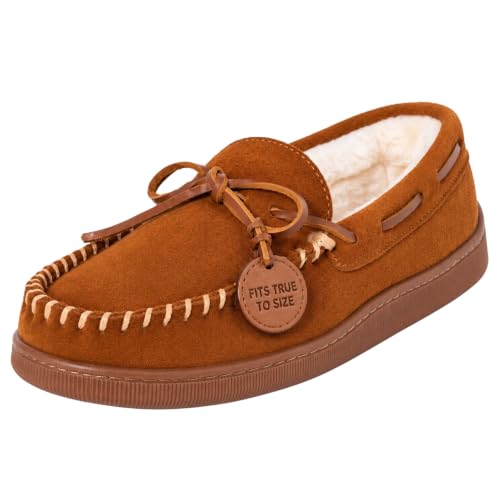


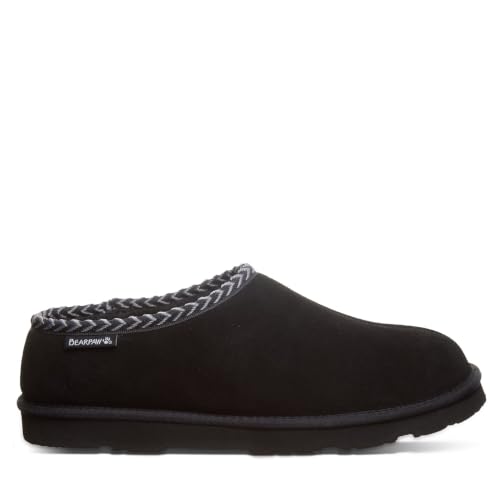
Three Comfort Tiers at a Glance
Instead of chasing a single winning pair, think in tiers. Each tier below describes who it suits, what it does well, and where it gives something up, so you can place your budget where your feet will notice it.
The All Round Tier
The all round tier suits men who wear slippers for hours every day. Expect a cushioned but supportive footbed, a closed or partially closed back that keeps the heel in place, and an outsole with enough grip for wood or tile floors. Prices usually sit around $50 to $80. The trade off is weight and warmth, since these pairs often feel warmer and heavier than minimal styles, which matters in summer or in a heated home.
The Value Tier
Value pairs, often around $30 to $50, cover the basics well: decent foam cushioning, a washable or easy clean upper, and sizing that runs predictable. They suit guest rooms, light evening wear, or a first pair while you learn what your feet prefer. The compromise is lifespan. Foam compresses sooner, linings thin out faster, and arch support tends to be gentle rather than structured, so heavy daily wearers may replace them within a year.
The Upgrade Tier
Upgrade pairs, often around $80 to $120, buy materials and construction that last: leather or wool uppers, contoured footbeds with real arch shaping, and rubber outsoles you can wear to the curb. They suit men with sore feet, cold homes, or one pair that must do everything. The downside is cost and care, since leather and wool ask for gentler cleaning and a longer break in before they mold to your foot.
How to Choose the Best Comfortable Slippers: Buying Guide
Comfort in a slipper is mostly fit plus support, and both are checkable before you buy. Work through the points below in order and most bad pairs will rule themselves out. This is also where the best comfortable men's slippers separate themselves from pairs that only feel soft for the first week.
What Men Should Look For
Men often wear slippers longer per day than they expect, especially working from home, so durability counts as a comfort feature. Look for a sole you cannot easily twist, stitching rather than glue alone at stress points, and a lining that will not mat down in a month. Wider fits matter too, since many men have broader forefeet than standard sizing assumes. If you mainly need softness without structure, compare options in our guide to the best comfortable slippers for a wider view.
Fit, Sizing, and Toe Box
Measure your feet late in the day, when they are at their largest, and match the measurement to the brand size chart in inches or centimeters. Your toes should not press the front of the slipper, and the toe box should let them spread a little, which helps balance on hard floors. A heel that lifts out with every step will tire your toes, which grip to keep the slipper on. If you are between sizes and the style has a thick lining, the larger size usually settles better after the lining compresses.
Arch Support and Foot Type
Flat foam feels kind for ten minutes and unkind after two hours of standing in the kitchen. If you have flat feet or arches that ache, choose a contoured footbed that fills the arch gently and a firm heel cup that keeps the foot centered. Men with high arches often prefer deeper cushioning under the heel and forefoot instead. For a deeper look at structured options, see our guide to the best supportive slippers men's range and how support levels differ.
Waterproofing and Water Resistant Uppers
Most slippers are indoor footwear, so full waterproof membranes like Gore Tex are rare and usually unnecessary. What helps is a water resistant upper and a rubber outsole for damp patios, garage floors, and short trips outside with the dog. The trade off is breathability, since coated fabrics and sealed seams trap warmth. If your slippers never leave the house, skip water resistance and choose a breathable upper instead, and your feet will stay drier from the inside.
Upper Materials and Breathability
Wool regulates temperature and resists odor, which suits men whose feet run warm or cold at different times of day. Felt is light and quiet on hard floors but wears faster at the heel. Leather is durable and molds to the foot, though it needs more break in time and costs more. Knit and mesh uppers breathe best in warm homes, while synthetic fleece feels plush at first but can trap heat and odor over a long evening.
Cushioning and Support
Good cushioning absorbs step impact without feeling unstable. Memory foam feels plush but can bottom out under heavier men, so a denser foam or a layered footbed often serves better for all day wear. A modest heel to toe drop, with the heel slightly higher than the toes, eases strain for many men who stand a lot. Stability comes from a wider sole and a heel cup, not from softness, so check whether your foot rolls inward when you stand. Our guide to the best men's slippers with support explains how these support designs differ in practice.
Types of Comfortable Slippers
Support Focused Styles
These borrow their shape from supportive walking shoes, with contoured footbeds, firm heel cups, and structured soles. They suit men with aching arches or long hours on hard floors. They feel less plush at first and usually cost more, but the comfort lasts through the day instead of fading after breakfast.
Lightweight Styles
Lightweight slip on styles and soft moccasins suit warm homes, travel bags, and quick evening wear. They pack flat and feel barely there, which many men love in summer. The trade off is thin cushioning and little arch shaping, so they are a poor choice as your only pair for all day standing.
Neutral Cushioned Styles
Neutral styles offer even cushioning without strong arch correction, which suits men with no specific foot complaints. They are the easiest type to buy as a gift because they offend few feet. If you shop mainly for house only wear, our guide to the best men's indoor slippers focuses on this indoor only category.
Closed Back Versus Open Back Styles
Closed back styles hold the heel, climb stairs more safely, and usually support the foot better. Open back styles slip on faster and feel cooler, but your toes work harder to keep them on. For older men or anyone unsteady on stairs, the closed back is the safer default, and the small effort of pulling it on pays back in stability.
Setup and Care Tips
- Wear new slippers at home first. A few evenings indoors confirm the fit while returns are still easy, and let stiff uppers start molding to your feet.
- Air dry wet slippers away from direct heat. Radiators and hair dryers crack leather and warp foam, while a night of open air drying restores freshness.
- Rotate two pairs for daily wear. Alternating pairs lets foam recover between days, which keeps cushioning springy for far longer.
- Wash or refresh linings regularly. Follow the label, and for pairs that cannot be washed, a sprinkle of baking soda overnight reduces odor.
- Check the outsole grip. A worn smooth sole on tile is a fall risk, so treat lost tread as a replacement signal, not a cosmetic flaw.
Frequently Asked Questions
What makes comfortable slippers for men different?
They are built on wider lasts, with more room in the toe box and footbeds sized for heavier loads than typical unisex styles. Uppers also tend to use tougher materials, since men often wear one pair for every indoor task. The practical result is that sizing, width, and sole firmness matter more than in lighter house shoes, and checking them first saves most returns.
Can I wear comfortable men's slippers all day?
Yes, if the pair has real support and a sole with structure. Soft flat slippers are fine for an evening but can leave arches and heels aching after a full day on hard floors. Stand up, walk around your home, and notice whether your feet feel better or worse after an hour. Alternating with supportive shoes for long standing tasks is a sensible middle ground.
How often should I replace my comfortable slippers?
Most daily wear pairs last about one to two years before the foam compresses and the support fades. Replace sooner if the heel tilts, the sole feels flat and hard, or new foot aches appear that ease in other footwear. A simple check helps: press the footbed with your thumb. If it feels packed down and slow to recover, its cushioning life is mostly over.
How should comfortable slippers fit?
They should feel secure at the heel, roomy at the toes, and snug without pressure across the top of the foot. Your foot should not slide forward when you walk, and the toes should never curl to grip. Remember that linings compress, so a pair that feels slightly snug when new often settles well, while a pair that feels loose when new usually becomes sloppy.
Are expensive comfortable slippers worth it?
They are worth it when the price buys durable materials and structured support that you will use daily. Leather, wool, and contoured footbeds cost more and last longer than thin foam and fleece. If the slippers are for guests or occasional evenings, a mid priced pair gives nearly the same experience. Judge by hours worn per week, because heavy use is what turns quality into value.
How long is the break in period for men's slippers?
Soft fabric styles often feel right immediately, while leather and firm supportive footbeds may need one to two weeks of evening wear. The upper should relax and the footbed should take a light impression of your foot. Pain, rubbing, or numbness is not normal break in, though. If discomfort grows rather than fades after several wears, the size or shape is wrong for your foot.
Do I need waterproof slippers?
Only if your routine includes wet ground, such as a garden, a damp garage, or taking a dog out at night. For purely indoor wear, waterproof features add warmth and cost without benefit. A rubber outsole and a water resistant upper cover most mixed routines well. Think about your wettest regular trip, and buy for that rather than for a rare worst case.
Our Verdict
Fit, support, and sole grip decide slipper comfort far more than plushness alone. Match the tier to your hours of wear, measure your feet in the evening, and choose a closed back if stairs or sore arches are part of your life. When you compare the best comfortable men's slippers in the product table above, those three checks will point you to the right pair quickly.


