
Best Comfortable Home Slippers: Every Type Explained Side by Side for 2026
Disclosure: We may earn a commission when you buy through links on this page, at no extra cost to you. As an Amazon Associate I earn from qualifying purchases. Learn more

Compare best comfortable home slippers by type, cushioning, fit, materials, and care with this clear buying guide for daily comfort around the home.
Slipper shopping gets confusing fast, because a plush slide, a suede moccasin, and a firm supportive slipper all promise comfort while behaving very differently on your floors. The best comfortable home slippers for you depend on whether you want warmth, arch support, quick trips outside, or a safe grip on stairs.
This guide compares the main types side by side, with honest strengths, limits, and typical prices, so you can pick a type first and a style second. The comparison table below then lets you check specific options against the type you choose.

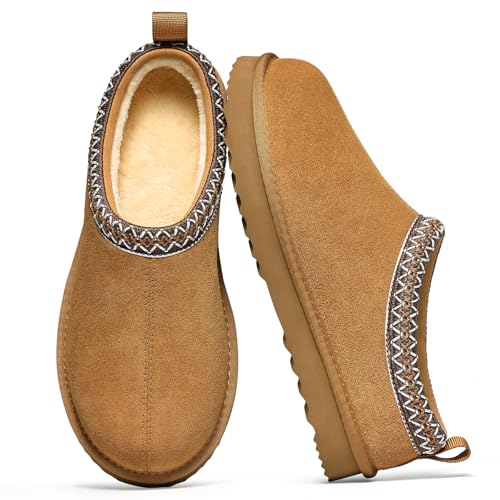

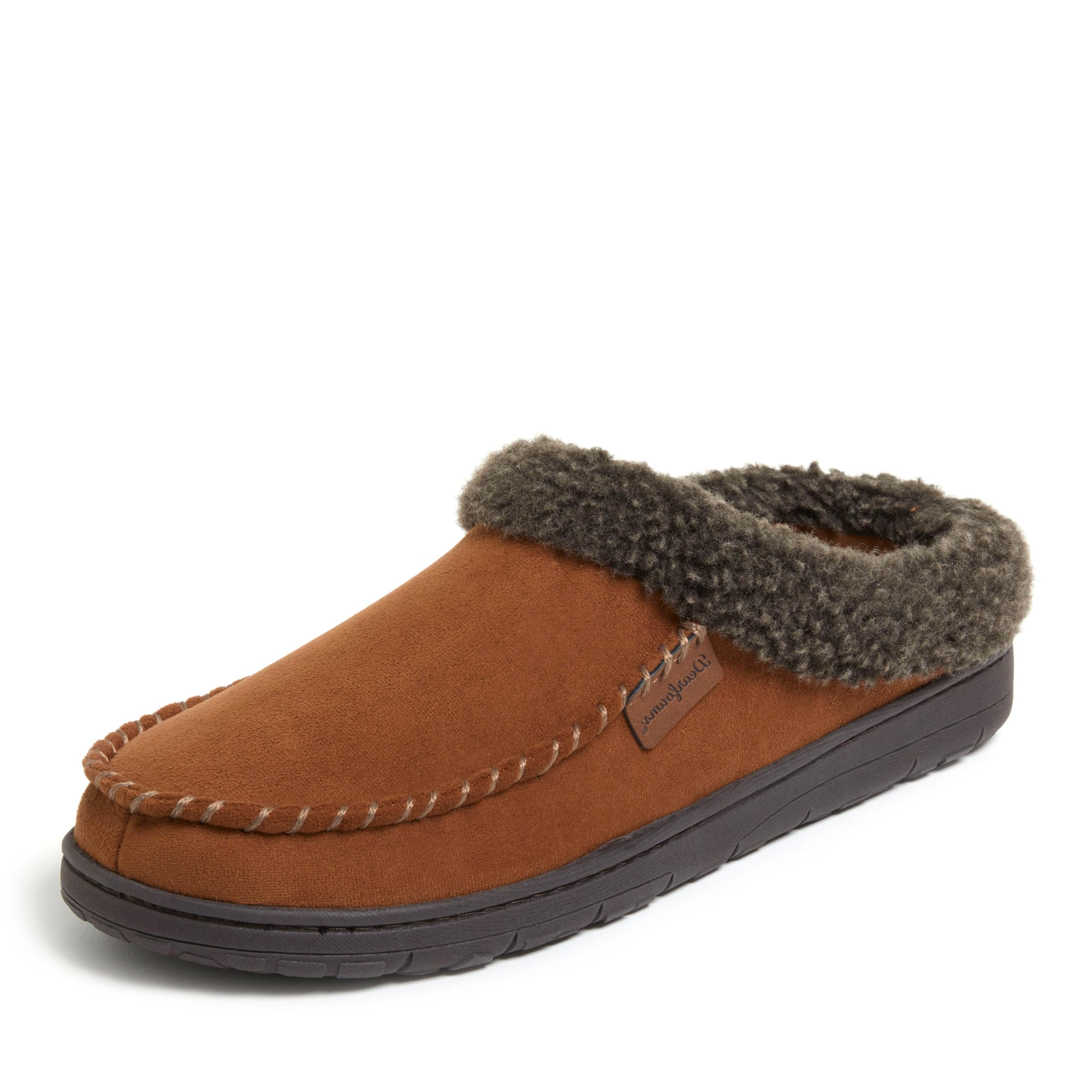


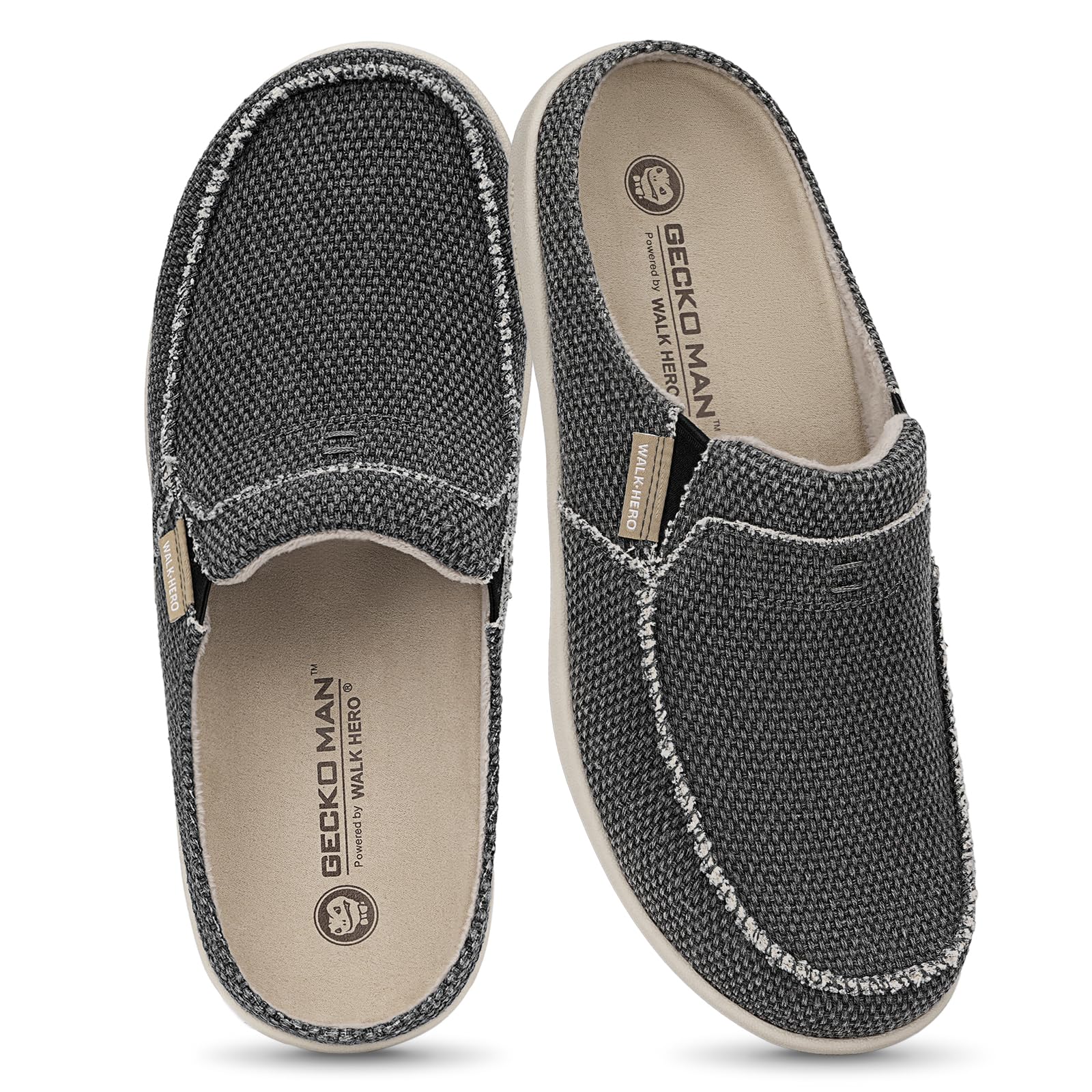


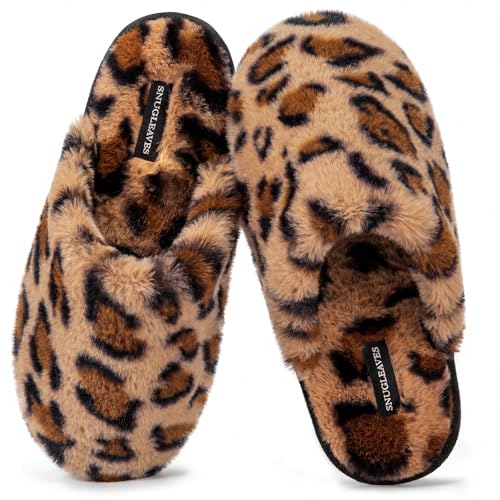
Types of Comfortable Home Slippers Compared
Here is the short version before the detail. Slides and recovery style slippers suit warm homes and post workout feet, and usually cost about $25 to $60. Classic moccasins and cushioned closed styles suit most people in most homes, at about $40 to $90. Supportive closed back slippers suit sore feet and long hours on hard floors, at about $60 to $120. If you want the broadest overview first, our guide to the best home slippers covers the full category in one place.
Slides and Recovery Footwear Style Slippers
These open back, often open toe slippers slip on in a second and let hot feet breathe. Thick molded foam footbeds cushion tired feet after exercise or a long shift, and many can be rinsed clean in the sink. The limits are warmth and hold: your heel is free, so they can slap, slide, and catch on stair edges, and they offer little protection if you drop something in the kitchen. Choose them for warm rooms, summer wear, and short, flat routes around the home.
Moccasins and Classic Cushioned Slippers
This is the neutral, all purpose family: soft uppers, a padded flat footbed, and often a thin rubber outsole. Moccasins in suede or shearling warm cold floors beautifully, while fabric versions with memory foam feel like a gentle hug for average feet. They neither correct your stride nor get in its way, which suits most healthy feet. The trade off is support: plain foam flattens over months, and soft uppers can stretch loose, so this type is a comfort choice rather than a foot pain solution.
Closed Back Supportive Slippers
Supportive slippers borrow their shape from shoes: a closed heel, a contoured footbed with a real arch rise, and a firm rubber outsole. They keep your foot aligned on tile and hardwood, and the closed back makes stairs and quick trips to the mailbox far safer than a loose slide. They feel more structured and less plush at first, and they cost more. Choose them if your feet ache by evening, if you cook for long stretches, or if balance matters and a secure fit is part of your safety plan.
Slides vs Moccasins and Classic Slippers: Which Should You Choose?
Compare them on five points. Warmth goes to moccasins, especially shearling lined pairs, while slides win for hot feet. Ease of entry goes to slides, which need no hands, though that same loose fit loses on stairs. Support is modest in both, with classic cushioned styles slightly ahead because the foot sits inside an upper. Cleaning favors slides, which rinse off, while suede and shearling need gentler care. Price is close, with slides often cheaper. In short, pick slides for warm rooms and quick wear, and pick classic closed styles for cool floors, longer wear, and safer movement around the house.
How to Choose the Right Comfortable Home Slipper
Cushioning and Support
Cushioning softens impact, while support shapes how your foot rests, and home floors are harder than most people realize. On tile, stone, or concrete, a thin foam sole transmits every step into your heels and knees. Look for a footbed that is firm at the arch and springy at the heel, with a heel to toe drop close to flat if you also walk barefoot at home. If you have diabetes, poor circulation, or ongoing foot pain, ask your clinician which footwear features suit your feet before you rely on any slipper all day.
Fit, Sizing, and Toe Box
Try slippers in the evening with the socks you actually wear at home, because feet spread after a day of use. Your toes should lie flat with room to spread, and your heel should sit inside any heel cup rather than on its edge. Many slippers come in whole sizes only, so between size shoppers usually do better sizing up in closed styles and down in stretchy open styles. A wide toe box helps bunions and swollen feet, and it also keeps balance steadier, since toes that can spread grip the ground better.
Water Resistance and Outsoles for Quick Trips Out
Full waterproofing is rare in slippers, but a rubber outsole and a water resistant upper matter more than the labels suggest. Kitchen splashes, bathroom tiles, and a fast trip to the curb in light rain all soak a fabric sole, and a wet fabric sole stays cold and slippery. Choose a sealed rubber outsole if you step outside daily, and treat leather uppers with a suitable protector. Membrane linings like Gore Tex are uncommon here and usually unnecessary cost for indoor wear.
Break In Period and Comfort Out of the Box
Most slippers feel good immediately, and that is the point, but supportive footbeds can feel firm for the first week as your feet adjust. Shearling and thick fleece start lofty and pack down, so a snug first fit is wise in those materials. Memory foam molds within days and then slowly thins. If a slipper still rubs or your heel still lifts out after a week of indoor wear, exchange it while the soles are still clean rather than hoping for change.
Upper Materials and Breathability
Wool and shearling regulate temperature in both directions and resist odor, which is why they anchor the classic category. Cotton terry feels fresh and washes easily but stays damp after spills. Synthetic fleece is warm, light, and cheap, yet it can feel sweaty in heated rooms and holds odor over time. Mesh and knit uppers breathe best for warm homes. Shoppers buying for a partner can compare women specific cuts in our guide to the best home slippers for women, which notes narrower heels and different sizing.
Care and Maintenance Tips
Rotate two pairs if you wear slippers all day, because foam and fleece recover loft while they rest and dry. Air wet slippers at room temperature away from radiators and direct heat, which warp molded soles and crack leather. Wash fabric pairs on a gentle cycle when the label allows it, and brush suede with a dry brush to lift grit from the nap. Replace pairs with smooth, worn outsoles promptly, since a bald sole on kitchen tile is a fall risk, not a savings.
Comfortable Home Slippers: Your Questions Answered
Do you need waterproof home slippers?
Rarely in the full sense, but you do need a sole that water cannot ruin. A rubber outsole and a quick drying upper handle splashes, wet bathroom floors, and short steps outside. One case does call for more protection: if your slippers double as your shoe for a damp basement, a garage, or a rainy porch, choose a sealed sole and a water resistant upper, and keep a second dry pair indoors.
Are expensive comfortable home slippers worth it?
They can be, when the price buys shearling or wool uppers, a contoured footbed, and a stitched rubber outsole that lasts for years. Cost per wear decides it: a pair worn six hours daily repays about $80 to $120 quickly. Budget pairs around $25 to $40 suit guest rooms and light use. Try to judge by materials and sole construction in the photos and details, not by how thick the plush looks.
How long is the break in period for home slippers?
Most pairs need almost none, though supportive footbeds may take about a week to feel natural and shearling takes a few wears to mold. A practical trick is to wear a new supportive pair for two hours the first evening, then add time daily. If your arches ache more on day five than day one, the arch shape does not match your foot, which is useful information rather than a problem to push through.
How should comfortable home slippers fit?
They should feel secure without squeezing: heel seated, toes flat and free, and no sliding when you walk or climb stairs. Try them on your hardest floor, not on carpet, and take a few quick steps as if answering the door. For older adults and anyone unsteady, a closed back and a low, wide sole are the safest fit choices, and loose backless styles are better left for sitting wear.
How often should you replace comfortable home slippers?
Replace them when the cushioning stays flat, the outsole tread smooths out, or the upper stretches so much that your foot shifts inside. Daily wearers often reach that point in about one to two years, while occasional wearers may get far longer. Odor that survives washing is another fair sign, since worn foam and fleece hold bacteria deep in the material where cleaning cannot reach well.
Can you wear home slippers all day?
Yes, if the pair supports your feet and your floors are kind, though your feet benefit from variety. Alternate between a supportive pair for chores and a softer pair for rest, and spend some time barefoot on safe surfaces if your clinician has no concerns. Men comparing all day options can also check the fit notes in our guide to the best home slippers for men, since wider lasts change the choice.
Our Verdict
Pick the type first: slides for warm rooms and quick wear, classic cushioned styles for most homes, and closed back supportive slippers for hard floors, stairs, and sore feet. Then check fit with evening feet and confirm a grippy rubber outsole. Compare your choice with the product table above, and the best comfortable home slippers for your home will be clear. For one more angle on the same category, see our guide to the best at home slippers.


