
Best Comfortable Heeled Sandals Made Simple: A Clear Buying Guide for 2026
Disclosure: We may earn a commission when you buy through links on this page, at no extra cost to you. As an Amazon Associate I earn from qualifying purchases. Learn more

Learn how to choose best comfortable heeled sandals with this first time buying guide on heel height, straps, cushioning, fit, and safe walking.
If you have never bought heeled sandals for comfort before, the terms can sound like a foreign language and the pretty pair in the photo can hide a painful sole. The best comfortable heeled sandals for a first time buyer are simply the ones with a stable heel, a cushioned footbed, and straps that hold your foot without digging in.
This guide explains each spec in plain English, in the order you should check it, and shows you the rookie mistakes to skip. Use the comparison table below as your worksheet once the basics make sense.


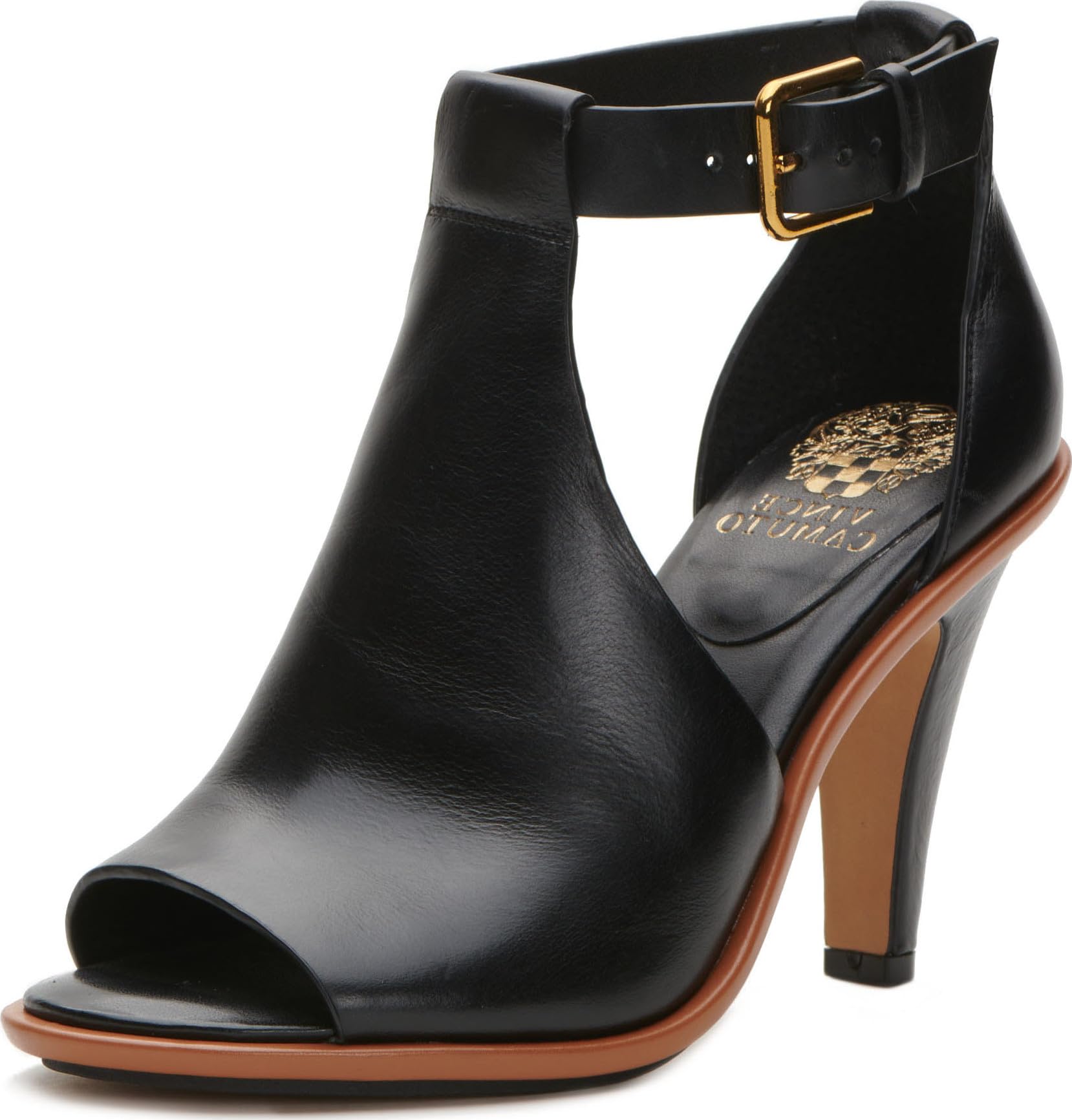
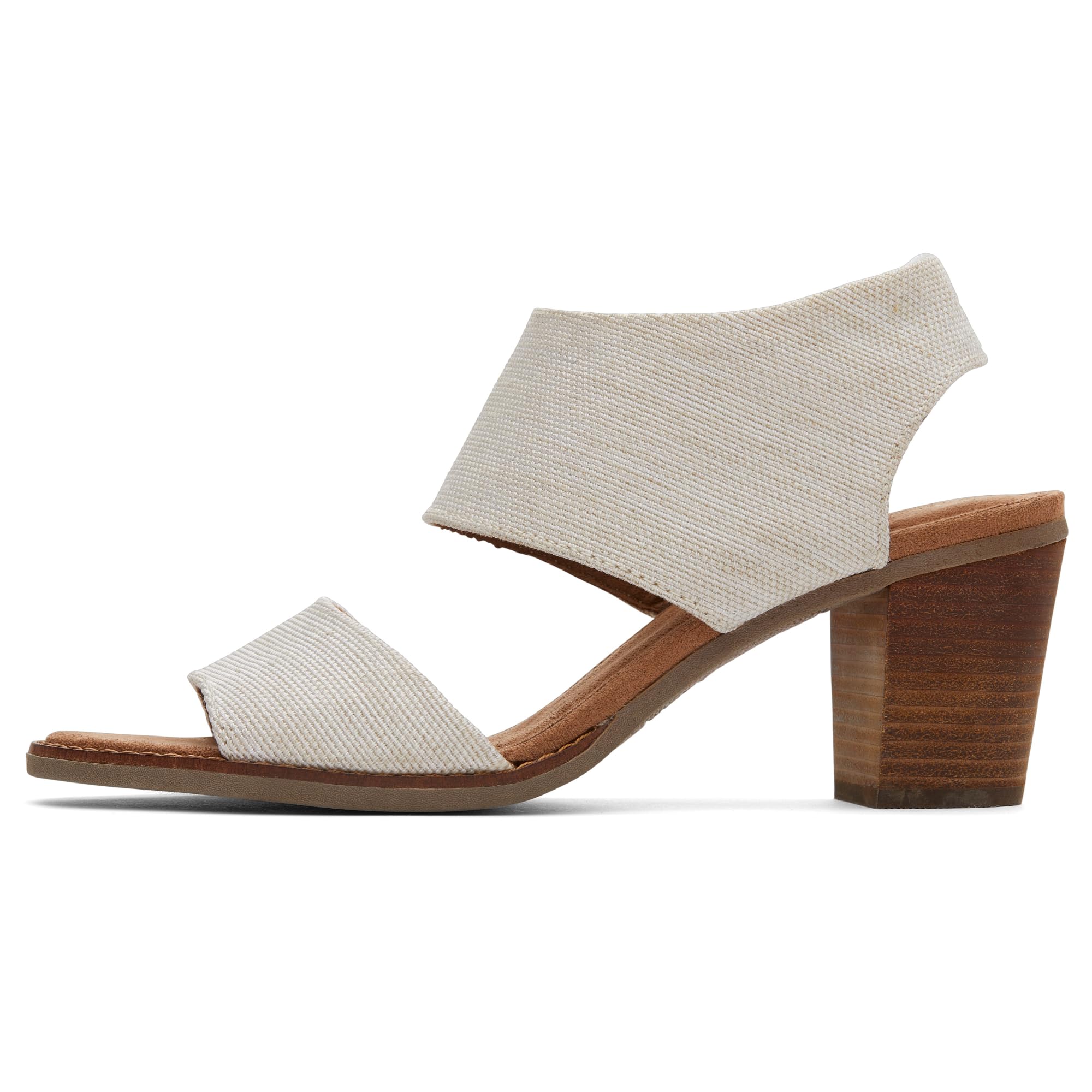


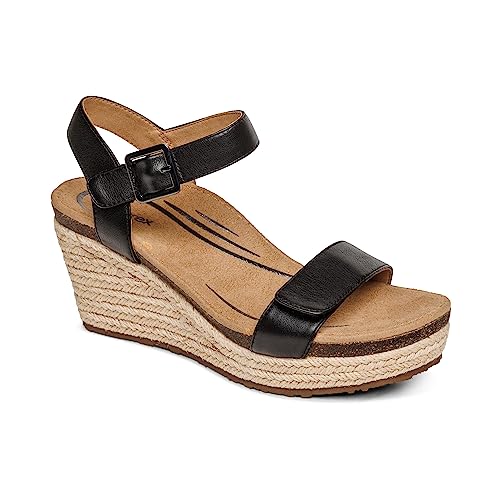
Comfortable Heeled Sandals 101: The Basics
A heeled sandal lifts your heel above your toes and holds the shoe on with straps rather than a closed upper. That lift shifts some of your weight toward the front of your foot, which is why heel height, heel shape, and padding under the ball of the foot decide comfort far more than color or brand. A wide block heel spreads your weight and steadies your ankle, while a thin stiletto heel concentrates pressure and wobbles on grates, grass, and cobblestones.
Three parts do most of the work. The footbed is the surface your foot rests on, and a molded, padded footbed supports your arch and cushions each step. The straps control fit, and adjustable straps let you fine tune the hold as feet swell during the day. The outsole is the bottom layer, and a textured rubber outsole grips smooth floors far better than a slick leather one. If you want to compare flat and low styles first, our guide to the best comfortable sandals explains the same basics without the heel.
Key Specs Explained in Plain English
Fit, Sizing, and Toe Box
Try heeled sandals in the afternoon, when your feet are slightly swollen, because a heel pushes your foot forward and a morning fit can turn tight by evening. Your toes should lie flat with a small space at the front, never curled over the edge or pressed against a toe post. The widest part of your foot should match the widest part of the sandal. If you sit between sizes, size up in open styles, since straps can snug a slightly long footbed but cannot lengthen a short one.
Arch Support and Foot Type
Arch support is the gentle rise under the middle of the footbed, and it keeps your weight from dumping entirely onto the ball of your foot. Flat feet usually feel best on a firm, clearly shaped footbed that resists rolling inward. High arches need cushioning plus support, because the arch itself may not touch a flat footbed at all. A simple home check is to wet your foot and step on paper: a full print suggests flat feet, a thin curved print suggests high arches, and a middle shape is neutral.
Break In Period and Comfort Out of the Box
Straps and footbeds soften with wear, so expect a short break in period of a few outings rather than instant perfection. Mild stiffness is fine, but rubbing that raises a blister on a ten minute walk signals a strap in the wrong place for your foot. Wear new sandals at home first, then on a short errand, and only then to a long event. If a pair hurts in the store, put it back, because heels rarely turn kind after purchase.
Upper Materials and Breathability
The upper is everything that holds the sandal to your foot. Smooth leather straps soften and mold with wear, and they suit long days once they have shaped to you. Fabric and knit straps feel soft from the first wear but can stretch and hold moisture on hot days. In warm weather your feet will sweat, so a footbed with a suede like or moisture managing finish helps prevent sliding. Sliding changes your gait and strains your toes, so grip inside the shoe matters as much as grip on the ground. For more warm weather options, see our guide to the best heeled sandals.
Cushioning and Support
Cushioning is the padding that softens impact, and in a heeled sandal the padding under the ball of the foot matters most. Look for a footbed that feels springy when you press a thumb into the forefoot, plus a slight rise under the arch. A low platform under the toes can help too, because it reduces the true angle of your foot even when the heel looks tall. As a first pair, a heel of about 1.5 to 2.5 inches with a block shape gives height without the strain of a steep pitch.
Outsole Traction and Terrain
Traction is the grip between the outsole and the ground, and it decides where you can walk with confidence. Choose rubber outsoles with a visible tread pattern for city sidewalks, tiled halls, and event venues with polished floors. Save smooth soled fashion sandals for dry, flat indoor spaces. Think about your actual route: grass at a garden wedding, gravel paths, and wet stone steps all punish thin heels, so a wider heel base and a grippy sole are the safer pair for outdoor events.
Rookie Mistakes to Avoid
- Buying by heel height alone: a padded two inch block heel can feel easier than a thin one inch heel with a hard footbed, so judge the whole shoe.
- Choosing pointed or narrow fronts: squeezed toes swell and ache within an hour, especially as the heel pushes your foot forward.
- Skipping the trial walk: stand, walk, and turn on a hard floor in the store, because carpet hides wobble and thin padding.
- Ignoring strap placement: a strap that crosses a bunion or a prominent bone will rub all day, no matter how soft the material feels by hand.
- Saving a new pair for a big day: weddings and long parties are the worst debut, so break sandals in on short outings first.
Getting Started: First Wear and Early Care
Start with thirty minutes at home on mixed floors, and check your skin afterward for red spots that warn of blisters. Add a thin cushion insert under the ball of the foot if pressure builds there, and adjust straps so the foot sits back in the heel cup rather than sliding forward. Keep a pair of flat shoes in the car or bag for your first long events, which lets you learn your comfort limit without ruining the day.
Care is simple. Wipe straps and footbeds after wear, since sweat and dust act like sandpaper on skin and materials. Let sandals air dry away from direct heat and sunlight, which can crack leather and warp glued soles. Store them with the straps fastened loosely so they keep their shape. If you plan long city days on foot, compare the walking focused notes in our guide to the best comfortable sandals for walking before you commit to a taller heel.
Comfortable Heeled Sandals: Your Questions Answered
Can you wear comfortable heeled sandals all day?
Yes, many people can, if the heel is modest and the footbed is padded and shaped. Keep the heel near two inches, choose a block shape, and pick adjustable straps. One point the body sections only touch briefly: alternate heel heights across the week. Changing the angle your calf and forefoot work at reduces the steady strain that builds when you wear the same heel height daily.
How should comfortable heeled sandals fit?
They should hold your heel in place, keep your toes flat and inside the footbed edge, and leave your arch resting on the footbed rise. Your foot should not slide forward when you walk, because sliding forces your toes to grip. Try this check: walk down a slight slope or a few stairs. A good fit stays calm, while a poor fit pitches you forward and makes the straps do all the work.
Do you need waterproof heeled sandals?
Usually not, because most heeled sandals are fair weather shoes and open straps let water in anyway. A water resistant finish helps against light splashes and spilled drinks at outdoor events. What matters more is a sole that stays grippy on wet tile and a footbed that does not turn slick when damp. If rain is certain, a closed shoe is the honest answer, and you can bring the sandals to change into indoors.
Are expensive comfortable heeled sandals worth it?
They can be, when the higher price buys a molded footbed, leather that softens without stretching out, and a replaceable or durable outsole. Price alone proves nothing, so compare the footbed shape and strap adjustability at about $60 to $150, the range where comfort features usually appear. Beyond that, much of the cost is fashion and finish. For a first pair, mid priced sandals are the sensible place to learn what your feet like.
How long is the break in period for heeled sandals?
Expect about three to five short wears for leather straps to shape to your feet and for a cork or foam footbed to mold. Use moleskin or a plain bandage on any hot spot during those first outings so friction does not become a blister. If a strap still cuts in after a week of gentle wear, the placement is wrong for your foot and an exchange beats more patience.
How often should you replace comfortable heeled sandals?
Replace them when the footbed padding stays flat, the heel tip wears down unevenly, or a strap stretches so much that your foot shifts as you walk. For a pair worn weekly in season, that is often two to three summers. A cobbler can replace heel tips cheaply and early, which keeps the heel stable and protects the rest of the shoe, so repair small wear before it changes your stride.
The Bottom Line
For a first pair, keep it simple: a block heel of about two inches, a padded and shaped footbed, and straps you can adjust. Walk on hard floors before you buy, break the pair in on short outings, and match the sole to the ground you will actually cross. Check your short list against the product table above, and the best comfortable heeled sandals for your feet will be the pair you forget you are wearing. Women comparing cuts and widths can also read our guide to the best comfortable sandals for women.


