
Best Comfortable Boots for Women 2026: A Clear Buying Guide
Disclosure: We may earn a commission when you buy through links on this page, at no extra cost to you. As an Amazon Associate I earn from qualifying purchases. Learn more

Pick the best comfortable boots for women by fit, cushioning, traction, weight and waterproofing so every step stays comfortable all day.
Comfort in a boot is not a mystery, and it is not only about soft padding. A truly comfortable boot fits your foot shape, supports your stride, and stays pleasant from the first hour to the last. This guide to the best comfortable boots for women explains the terms in plain English, so a first time buyer can compare options with confidence, and the comparison table below can help you weigh the main styles.
Women's feet are not simply smaller versions of men's feet, and a boot built on a women's last usually reflects that. Heel width, arch placement, calf shape, and overall weight all differ, and those details matter more over a long day than any single cushioning feature. Read the basics, learn what each spec really means, and you will spot a good fit before you commit.


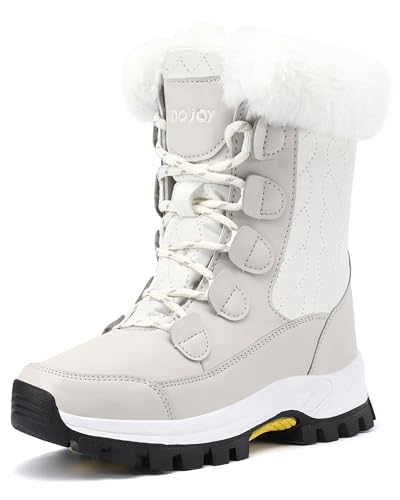
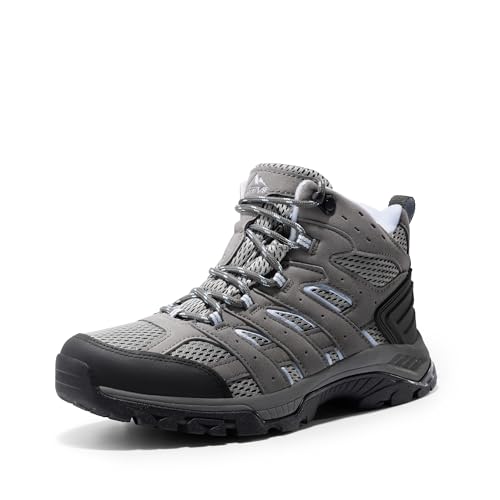

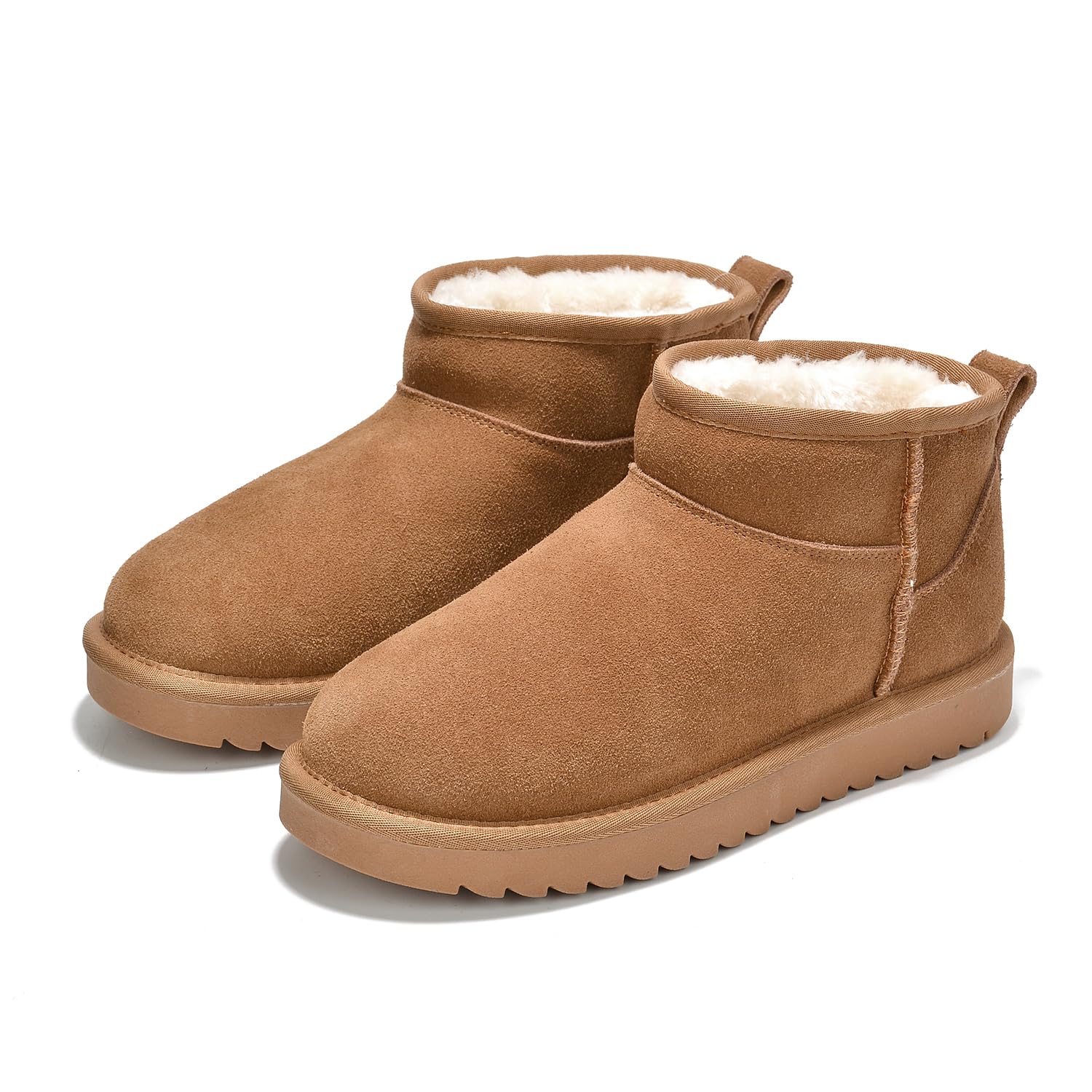

Comfortable Boots 101: The Basics
A comfortable boot is a system, not a single feature. The insole cushions each step, the midsole absorbs shock, the outsole grips the ground, and the upper holds the foot steady without pinching. When one part fails, the whole boot feels wrong, even if the other parts are excellent. That is why a boot that feels soft in the store can still ache after three hours on your feet.
Comfort also depends on how and where you wear the boot. A short fashion boot for city errands needs flexibility and a light feel, while a boot for long walks needs stronger support, deeper tread, and room for swelling feet. Weather matters too, since a waterproof membrane that keeps rain out can also trap heat on a warm day. Start with your real routine, including how long you stand, what surfaces you walk on, and what weather you face.
Key Specs Explained in Plain English
Boot listings use terms that sound technical but describe simple ideas. The sections below translate each one, so you can compare boots without guessing.
What Women Should Look For
Women specific fit starts with shape. Many women have a narrower heel and a wider forefoot relative to foot length, so a boot built on a women's last often fits better than a smaller men's size. Calf circumference matters for taller boots, since a shaft that is too tight will pinch and a shaft that is too loose will slip. Weight matters as well, because a heavy boot tires legs faster over a long day.
Other women specific needs include arch support placed to match a typically higher arch, and sizing that accounts for feet swelling through the day. Try boots on in the afternoon, wearing the socks you will actually use, and walk on a hard floor for several minutes. For boots, prioritize a secure heel, a roomy toe box, and a weight you barely notice after an hour.
Fit, Sizing, and Toe Box
Fit is the single most important comfort factor, and it starts with measuring both feet in the afternoon, when feet are at their largest. Size to the larger foot, and leave about a thumb width of space between your longest toe and the end of the boot. The heel should feel snug without lifting, and the widest part of your foot should sit in the widest part of the boot, not squeezed by laces or zipper.
The toe box deserves special attention. A roomy, rounded toe box lets toes spread naturally as you walk, which reduces pressure, blistering, and numbness over long days. A narrow or pointed toe box may look sleek, but it crowds toes and can worsen discomfort for anyone with bunions or wider feet. If you have persistent foot pain, swelling, numbness, or a foot condition that affects walking, talk with a clinician about fit and support needs before choosing a boot.
Durability and Expected Lifespan
Durability is about how the boot holds up under your routine, not just how tough it looks on the shelf. Full grain leather and sturdy synthetic uppers resist scuffs and weather, while bonded or thin materials may show wear quickly. Stitching, sole attachment, and hardware quality reveal how carefully a boot is made, so inspect seams, eyelets, and zippers before you buy.
Lifespan varies widely with use. A fashion boot worn occasionally can last years, while a daily walking boot may need replacement after heavy use over one to two seasons. Watch for warning signs such as compressed cushioning that no longer rebounds, worn tread that slips on wet surfaces, or an upper that no longer holds the foot steady. For boots, replace insoles first, since fresh insoles can extend the life of a sound pair.
Outsole Traction and Terrain
Traction comes from the outsole pattern, rubber compound, and lug depth. Deeper lugs grip mud, gravel, and snow, while shallower, closely spaced lugs suit smooth pavements and indoor floors. A rubber compound that stays flexible in cold weather grips better in winter, while a harder compound may feel slick when wet.
Match tread to your surfaces, since city walking calls for moderate tread that grips wet sidewalks without feeling clumsy indoors. Trail and rural use calls for deeper, widely spaced lugs that shed mud. If you walk on icy or polished floors, look for outsoles described as slip resistant and try them on a similar surface when you can.
Weight and Flexibility
Weight affects comfort more than most buyers expect. A boot that feels light in the hand can still tire you over eight hours, because you lift it with every step. Lighter boots suit long days on your feet, while heavier boots often offer more protection and structure for rough terrain. The right balance depends on walking versus standing time, and how rough your surfaces are.
Flexibility matters just as much. A boot should bend where your foot bends, near the ball of the foot, rather than folding in the middle or staying rigid through the stride. Very stiff boots may need a break in period, while softer boots feel good at once but may offer less support over time. Flex the boot by hand and walk in it before deciding, since a boot which fights your natural stride will rarely become comfortable.
Waterproofing
Waterproofing keeps feet dry in rain, snow, and puddles, but it always involves a trade off with breathability. A waterproof membrane blocks water from outside while letting some moisture vapor escape, yet no membrane breathes as freely as an unlined boot. Sealed seams matter too, since water can enter through stitching even when the upper material itself resists water.
Decide how much protection you truly need. Daily rain and slush call for full waterproofing with sealed seams, while occasional light rain may be handled by water resistant leather or a spray treatment. The same principle applies everywhere: buy protection that matches your routine, not the maximum available. If your boots do get soaked, air dry them away from direct heat, since radiators and hair dryers can warp leather and weaken adhesives.
Rookie Mistakes to Avoid
- Buying the same size you wear in every shoe, without measuring both feet in the afternoon or testing with your usual socks.
- Choosing a narrow or pointed toe box for style, then suffering pressure, blisters, or numb toes on long days.
- Judging comfort from a few steps on carpet, instead of walking on a hard floor for several minutes.
- Ignoring weight and flexibility, so a boot that feels soft at first becomes tiring after hours on your feet.
Getting Started: Setup and First Use
When a new pair arrives, try both boots on indoors with your usual socks and walk on a hard floor for at least ten minutes. Check for heel slip, toe pressure, and any spot that rubs, since small irritations in the living room usually become blisters outdoors. Lace or zip the boots as you would for a full day, and try them with any insoles you plan to use, because those change fit and volume.
Break in new boots gradually, starting with short outings before wearing them for a full day. Keep the original packaging until you are sure of the fit, and note the return window in case a problem appears after a longer walk. See our guide to best comfortable boots to compare broader styles once you know your size and shape preferences. If pain persists, worsens, or comes with swelling, numbness, or skin changes, stop wearing the boots and talk with a clinician.
Frequently Asked Questions
What makes comfortable boots for women different?
Comfortable boots for women differ mainly in shape, weight, and proportions, not just in smaller sizes. A women's last usually offers a narrower heel, a differently placed arch, and a calf shape suited to women's legs, which together reduce slipping and pinching. Weight also tends to be lower, which matters over long days. These differences do not guarantee comfort for every foot, but they give a better starting point than simply shrinking a men's design.
How long is the break in period?
The break in period for comfortable boots usually runs from a few short outings to about two weeks of regular wear, depending on material. Soft leather and flexible synthetics often feel good at once, while stiffer leather needs gradual wear to mold to your foot. A good boot should not cause sharp pain at any stage, and discomfort that worsens with wear is a sign of poor fit, not a normal break in. If a pair still hurts after two weeks of gradual use, it is likely the wrong shape or size.
Can I wear comfortable boots for women all day?
Yes, many comfortable boots for women are made for all day wear, provided the fit, cushioning, and support match your routine. A roomy toe box, secure heel, and cushioning that rebounds after hours matter more than initial softness. Standing all day places different demands than walking, so consider arch support and a stable base if you stand for long stretches. Take short sitting breaks when you can, and switch pairs if your feet swell noticeably by evening.
Are expensive comfortable boots worth it?
Expensive comfortable boots are worth it when the extra cost buys better materials, construction, and fit, rather than only a brand name or decoration. Full grain leather, well attached soles, and replaceable insoles tend to last longer and feel better over time than thin materials that compress quickly. That said, price alone does not guarantee comfort, and a moderately priced boot that fits well will beat a costly pair that pinches. Judge value by fit, materials, and expected lifespan for your routine.
How should comfortable boots fit?
Comfortable boots should fit snugly at the heel, with about a thumb width of space ahead of your longest toe and room for toes to spread. The widest part of your foot should align with the widest part of the boot, and laces or zippers should close without forcing. Walk on a hard floor for several minutes, and check for heel lift, toe pressure, or rubbing at the ankle. Fit both feet, size to the larger one, and try boots in the afternoon with your usual socks.
Do I need waterproof shoes?
You need waterproof boots if you regularly face rain, snow, slush, or standing water, since wet feet quickly become cold and uncomfortable. A waterproof membrane with sealed seams offers the most reliable protection, though it reduces breathability on warm days. For mostly dry conditions, water resistant leather or a protective spray may be enough and will feel cooler. Consider your climate and routine honestly, and remember that waterproof boots still need air drying away from direct heat after wet outings.
Choosing the Best Comfortable Boots for Women
The most comfortable boot is the one that fits your foot shape, matches your daily routine, and stays pleasant hour after hour. Prioritize fit and toe room first, then weigh cushioning, weight, traction, and waterproofing against the surfaces and weather you actually face. Use the product table above to compare styles with those priorities in mind, rather than chasing a single feature or price.
Take your time trying boots on properly, walk on hard floors, and break in a new pair gradually before a long day. A thoughtful choice now saves sore feet later, and a well fitting pair can carry you through seasons of everyday wear. With the right best comfortable boots for women choice, comfort becomes something you stop noticing, which is exactly how a great boot should feel.

