
Best AT Tire for Snow 2026: A Winter Traction Buying Guide
Disclosure: We may earn a commission when you buy through links on this page, at no extra cost to you. As an Amazon Associate I earn from qualifying purchases. Learn more

Learn how to choose an all terrain tire for snow, from tread design and siping to size, load rating, and winter driving habits that keep you safer.
An AT tire is an all terrain tire, built for gravel, dirt and mixed pavement, and many truck and SUV owners ask whether one can also handle winter. The honest answer is yes for plowed roads and light to moderate snow, if you pick the right tread. This guide explains how to choose the best at tire for snow for your vehicle, from siping and the mountain snowflake rating to size, load range and pressure.
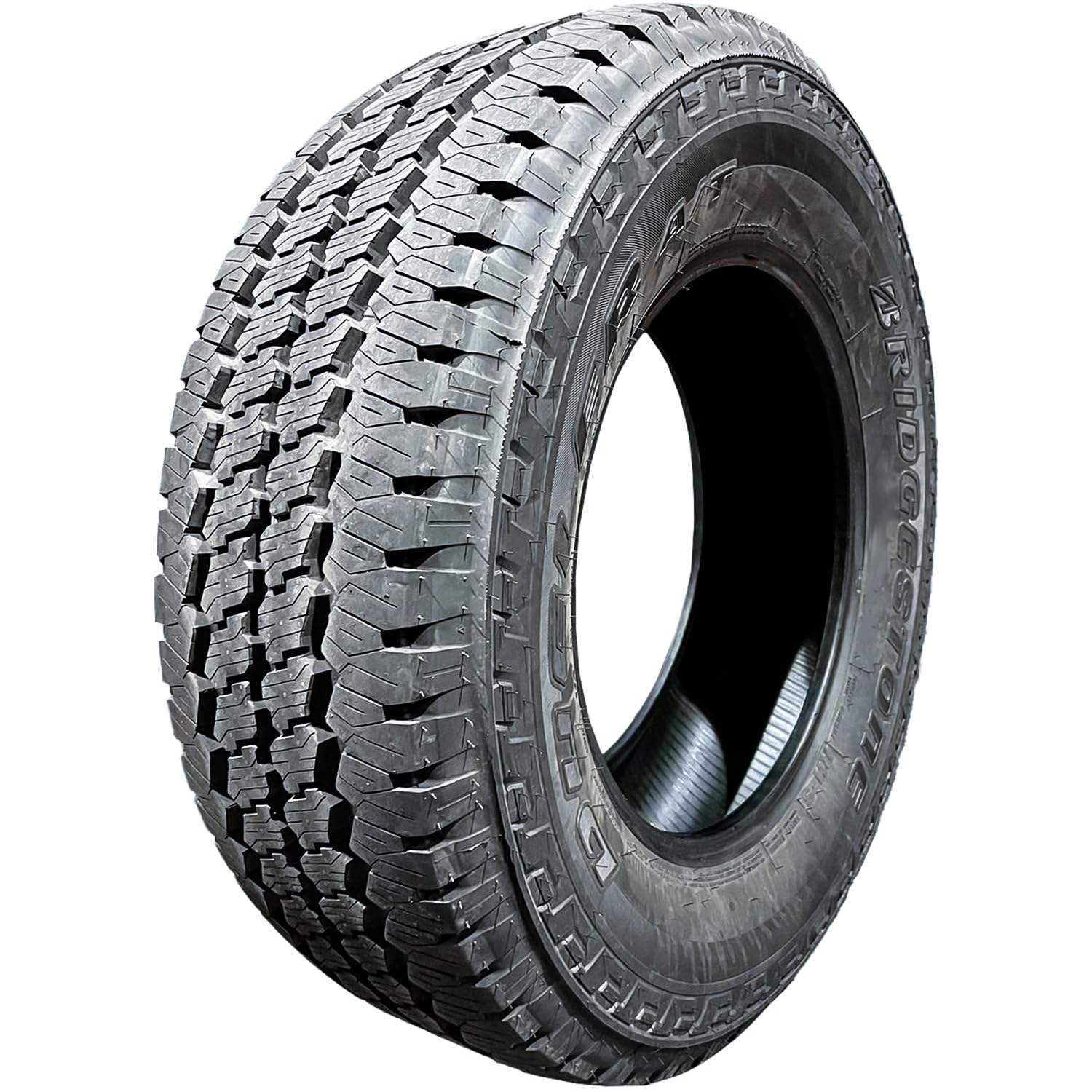
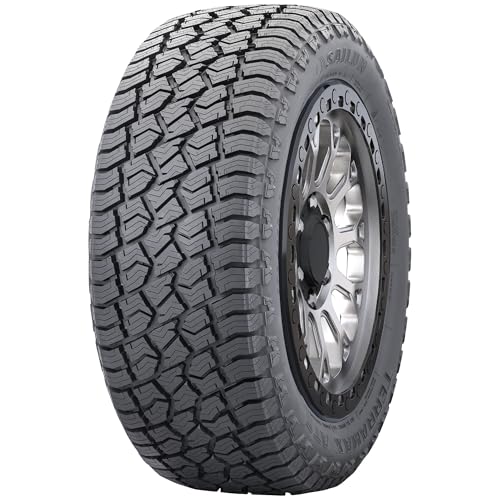
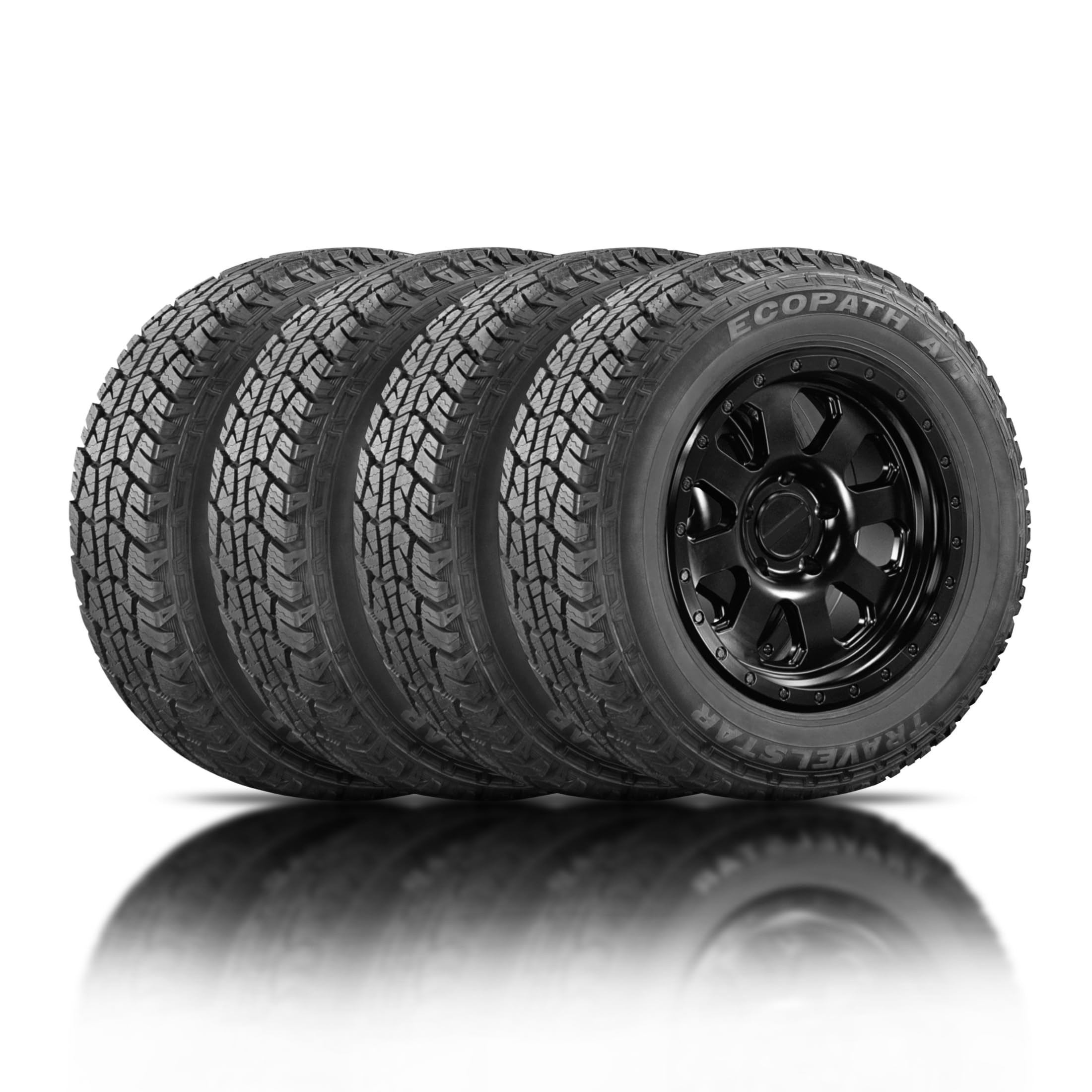
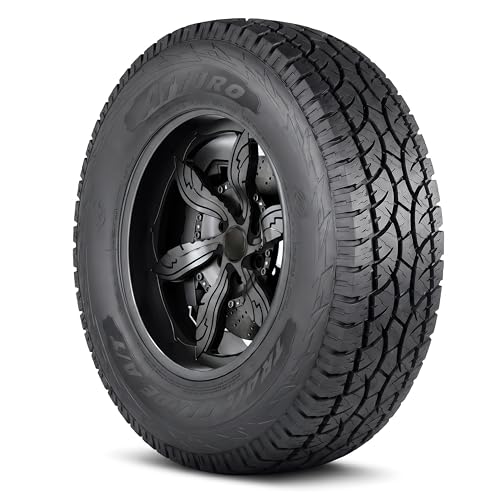
The product table lists all terrain truck and SUV tires from several makers. Tires are sold by exact size, so match the numbers on your door jamb placard first, then use the sections below to judge tread and winter ability.



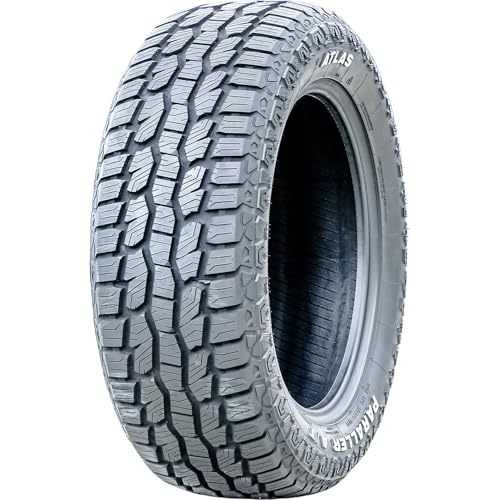

Who Needs an All Terrain Tire for Snow?
Drivers who face plowed roads and light snow
If your winter driving is mostly plowed streets with occasional fresh snow, an all terrain tire with dense siping and a flexible compound can cover the whole year. Look for a tread that clears slush quickly. You do not need the most aggressive pattern, but you do need steady grip when you brake and turn.
Drivers who travel rural or unplowed routes
Rural winter roads reward deeper tread voids and strong shoulder blocks that bite into loose snow. A tire that packs snow into its grooves and then sheds it will keep moving instead of spinning. Carry a recovery strap and a shovel for deep drifts, because no tire removes that risk.
Drivers who tow or haul in winter
Heavy loads make load rating and inflation matter as much as the tread pattern. Choose a tire rated for your loaded weight and check pressure often, since cold air lowers pressure and shrinks the contact patch. A stiff sidewall also helps a truck track straight on rutted snow.
Key Features to Compare
The mountain snowflake rating
Look for the three peak mountain snowflake symbol on the sidewall. It means the tire met a standard snow traction measurement, which sets it apart from a plain M+S marking that only describes the tread shape. It is the quickest way to shortlist an all terrain tire for winter use.
Tread pattern and siping
Siping means the thin slits cut into tread blocks. Those slits add biting edges on snow and ice. A tire with many sipes across the center and shoulders usually grips better on packed snow than one with large smooth blocks. Check whether the sipes run deep into the block, since shallow ones disappear as the tire wears.
Rubber compound for cold weather
Rubber stiffens as temperatures fall, and a hard tire slides more easily. Winter capable all terrain tires use a compound that stays pliable in cold air. If winters stay well below freezing for months, a dedicated winter tire is still the stronger choice.
Size, load range and speed rating
The right size keeps your speedometer accurate and your wheel wells clear. Load range (C, D or E on light truck tires) must cover your vehicle plus cargo. Match or exceed the specification on the placard, and never guess these numbers.
Noise and wear trade offs
Aggressive tread gives traction but can hum on dry pavement and wear faster on long highway trips. If most of your miles are dry highway, a milder all terrain tread is the better balance. Rotate on schedule so the tread wears evenly and winter grip lasts.
All Terrain Compared With Other Winter Options
Winter rated all terrain tires
These carry the snowflake symbol and are the best fit for most truck owners who want one set all year. They do not equal a dedicated winter tire on glare ice, so treat the rating as a starting point, then compare tread depth and sipe density.
Standard all terrain tires
A standard all terrain tire handles gravel, dirt and light snow, and suits short, mild winters. Its tread is a compromise, so it grips less on ice than a winter specific design. Good tread depth and careful driving make up much of the difference.
Dedicated winter tires
For long, harsh winters a dedicated winter tire uses a softer compound and a tread built only for snow and ice. The trade off is faster wear in warm weather, so swap them out in spring. Many drivers keep a second set of wheels to make the change simple. Our guides to the best tire for snow and the best tires for ice and snow cover that route in more depth.
Common Mistakes to Avoid
- Choosing looks over function. A bold tread looks capable, but sipe density and compound decide snow grip.
- Ignoring load range. A tire that fits the wheel but cannot carry the load flexes too much and loses stability.
- Running low pressure in winter. Cold air drops pressure, which shrinks grip and raises wear. Check monthly with cold tires.
- Waiting until the tread is nearly bald. Snow grip falls sharply as depth drops, so replace tires before they reach the wear bars.
- Replacing only two tires. Mixed tread levels can make the vehicle handle unevenly. Follow the maker's guidance for pairs and sets.
Getting Ready for Winter
Before the first snow, measure tread depth with a gauge, look for cuts or bulges, and confirm that your spare and jack work. Store a second set of tires in a cool, dry place away from sunlight. After the first snowfall, brake gently in an empty lot to learn how your tires respond before you need them in traffic.
Look at the total cost too. Mounting, balancing and an alignment add to the price of a set, and a slightly dearer tire with a longer tread life can be cheaper over the years. If you are comparing several vehicles or sizes, our guides to the best car snow tires and the best snow tires for minivan show how needs differ by vehicle.
Frequently Asked Questions
Do all terrain tires work well on ice?
They grip better on snow than on smooth ice, because ice gives tread blocks little to bite into. A winter rated all terrain tire helps, but a dedicated winter tire with a softer compound usually stops shorter on ice. Drive slower, leave extra following distance and brake early.
How much tread depth do I need for snow?
New tires often start near 10 to 12 thirty seconds of an inch of tread, and winter grip drops noticeably below about 6 thirty seconds. Measure with a gauge rather than guessing by eye. If depth is low before winter, replacing early is cheaper than a slide into a ditch.
Should I use the same tires all year?
You can if winters are mild and short, but the compromise shows in deep snow and on ice. Drivers with long winters often run winter tires from late fall to early spring and switch back for summer, which also spreads wear across two sets.
Does tire size affect snow traction?
Narrower tires cut through snow to the road more easily, while wider tires float more on deep snow. Any size change must still meet the load rating and fit the wheel and vehicle, so check the maker's approved sizes first.
How often should I rotate all terrain tires?
Rotation about every 5,000 to 8,000 miles keeps wear even, which protects winter traction. Follow the pattern in your vehicle manual.
Final Thoughts
Match the snowflake rating, load range and size to your truck, then compare tread depth and siping in the product table above. For plowed roads and light snow, the best at tire for snow is a winter rated all terrain tire kept at the right pressure. If your winters are long and icy, add a dedicated winter set.


