
Best Comfort Insoles for Work Boots: Cushioning, Arch Shape and Fit Guide for 2026
Disclosure: We may earn a commission when you buy through links on this page, at no extra cost to you. As an Amazon Associate I earn from qualifying purchases. Learn more

The best comfort insoles for work boots add cushion and a steadier fit for long shifts. Compare foam, gel and arch designs and how to size them for your boots.
Work boots are built for protection, and the insole that comes inside is usually a thin piece of foam. After a few hours on concrete or a ladder, that thin layer is the first thing you notice. The best comfort insoles for work boots add cushioning, a steadier fit and a shape that matches your arch, so the boot feels like it belongs to your foot.
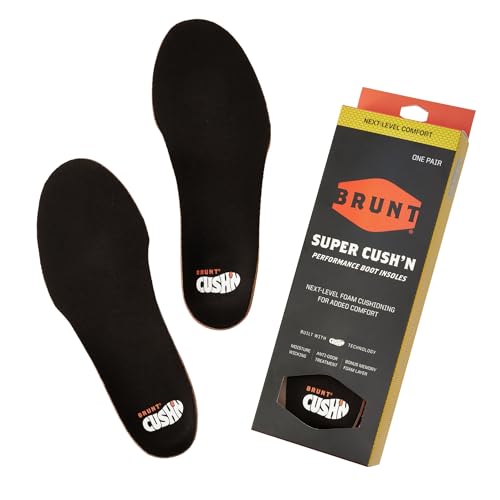
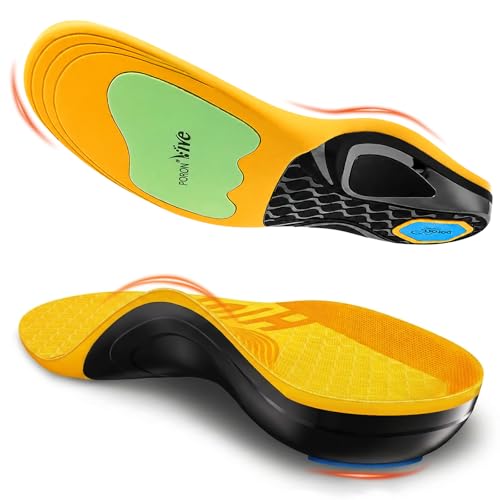
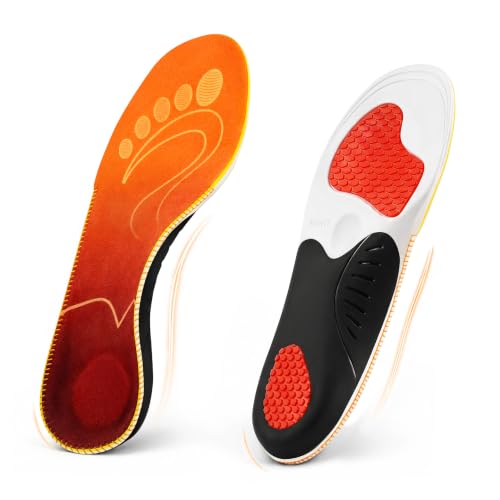
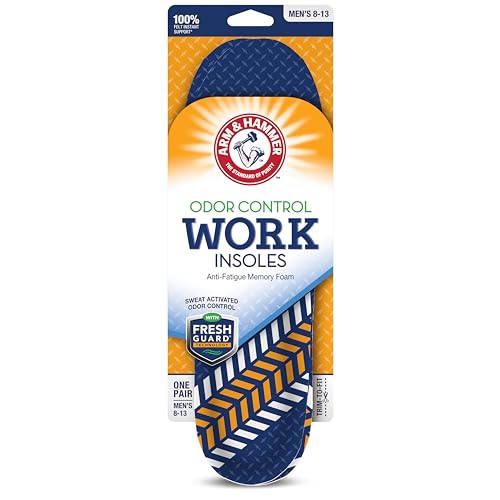
The product table above lists work focused insoles with foam, gel and cushioned designs in low, medium and high arch shapes. This guide explains how to choose among them, how to trim and fit them, and how to know when it is time to replace a pair. If you have a foot condition or ongoing discomfort, ask your doctor or a foot specialist before you buy.




Choosing the Best Comfort Insoles for Work Boots
Cushion Materials
Foam insoles feel soft and absorb impact, while gel pads add targeted cushioning at the heel and forefoot. Memory foam molds to your shape, and dense foam resists compression longer on heavy jobs. Some insoles layer materials, with a firm base for support and a soft top for comfort.
Arch Height
Low, medium and high arch options exist because feet differ. A high arch can feel intrusive if your arch is flat, and a low arch can feel like nothing if yours is high. Look at your wet footprint or your worn shoes to guess your arch, and choose a height that feels natural.
Thickness and Boot Volume
Thicker insoles take up space, and a tight boot can feel crowded. If your boots are snug, choose a slimmer design or remove the original insole first. A good fit lets your heel sit down in the heel cup without pushing your toes forward.
Fit and Preparation
Trim to Fit Designs
Many insoles come in standard sizes and can be trimmed to match your boot. Use the original insole as a pattern, trace the shape and cut slowly with sharp scissors. Cut a little less than you think, because you can always trim more.
Removing the Old Insole
Take out the existing insole, and place it on top of the new one to compare. If your boots have a glued insole, check whether it is removable before you pull it. Placing a new insole on top of a worn one can cause bunching.
Breaking Them In
Wear new insoles for a few hours at first, and build up to a full shift. A little firmness is normal at the start, but sharp or numb spots mean something is off. Adjust the position or try another design.
Durability for Job Site Use
Heavy use compresses foam, so durability matters. Look for dense materials, reinforced heels and covers that resist moisture and abrasion. Odor control and moisture wicking help in hot conditions, and a washable cover is a plus.
Replace work insoles every few months for daily use, or sooner if they feel flat. Compare related options in our guides to the best gel insoles for work boots, the best cushion insoles for work boots and the best insoles for men s work boots.
Matching Insoles to Your Trade
Concrete and Warehouse Work
Hard floors reward thick, shock absorbing insoles with a cushioned heel. Pick designs with a firm base that keeps the foot stable during long standing. Check the footbed periodically, because concrete compresses foam quickly.
Construction and Outdoor Work
Uneven ground and moisture call for water resistant covers and a snug heel cup. Insoles that hold their shape through temperature changes are best for outdoor use. Keep a spare pair in the truck for wet days.
Mechanics and Tradespeople
Kneeling, climbing and crawling all stress the boot in different ways, so a flexible forefoot helps. Look for a durable top cover that resists oil and abrasion. A medium arch fits many users who move between standing and walking.
When to See a Specialist
Insoles are comfort aids, not treatments. If you have ongoing pain, swelling or a diagnosed foot condition, talk with a doctor or a podiatrist before you pick a product. They can recommend a custom option and show you how to adjust your footwear for your job.
Common Fit Problems and Fixes
If your heel slips, the insole may be too thin or the boot too big, and a slightly thicker heel cup can help. If your toes feel cramped, trim the front edge or move to a lower volume design. A bunched insole usually means the shape does not match the boot, so trim again along the original outline.
Pair insoles with good socks, since cotton holds sweat and wool or synthetic blends manage it better. Lace your boots snugly through the ankle and loosely through the forefoot, which keeps the heel in place without squeezing the toes. Small changes like these often matter as much as the insole itself.
Quick Buyer Checklist
- Do you want foam, gel or a mix of both?
- Which arch height suits your feet?
- Do your boots have room for a thicker insole?
- Does the insole trim to fit, and is there a cutting guide?
- Does it include a cover that wicks moisture?
- Is it designed for standing, walking or both?
- Is there a return policy if the fit is wrong?
Red Flags to Watch For
- Claims that an insole will cure a medical problem.
- No mention of the arch height.
- Thick insoles for boots with no extra room.
- Reviews that mention flattening within weeks.
- Covers that peel or bunch quickly.
Care Tips
Take insoles out after work to let boots and insoles dry, and wipe them with a damp cloth. Do not machine wash unless the label allows it. Rotate two pairs of boots when you can, so each has a day to dry out.
FAQ
Can I put insoles in steel toe boots?
Yes, as long as the fit is not too tight. Check that your toes still have room.
How often should I replace work insoles?
Many people replace them every few months, or when the cushion no longer springs back.
Should I take out the original insole?
Usually yes, because stacking two can crowd the foot. Check your boot's design first.
Check the arch height, the thickness and the cushion material. Then use the product table above to find the best comfort insoles for work boots for your next long shift.


