
Best Coccyx Cushions: Types Compared and How to Choose for 2026
Disclosure: We may earn a commission when you buy through links on this page, at no extra cost to you. As an Amazon Associate I earn from qualifying purchases. Learn more

Compare the best coccyx cushions by type, foam firmness, cutout shape and chair fit, with clear guidance on support, cooling and care before you buy.
Choosing a cushion for tailbone relief can feel confusing because the shapes look similar while the support underneath differs a lot. This guide sorts the best coccyx cushions by type first, so you can match the design to your chair, your body weight and the way you sit each day. The product table below gathers the main options in one place for a quick side by side look.
From there, the sections below explain firmness, pressure relief, sizing and care in plain terms. You will also find notes for orthopedic and higher weight capacity needs, plus the warning signs that mean a cushion alone is not the right next step.



Types of Coccyx Cushions Compared
Every type below aims to unload the tailbone, but each does it with a different shape or material. If your discomfort is general rather than focused on the tailbone, see our guide to the best seat cushions for a broader comparison.
Memory Foam Cushions With a Rear Cutout
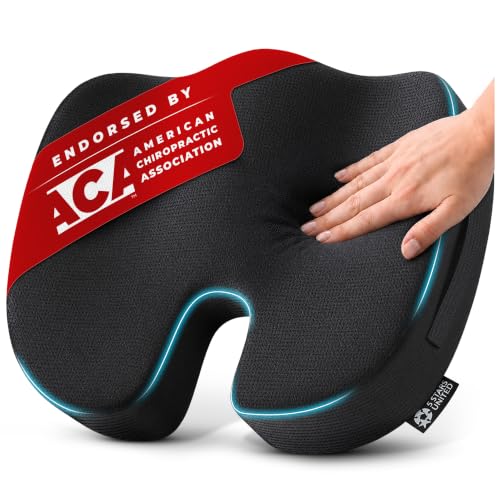
The most common design is a contoured memory foam pad with a U shaped opening at the back. Your tailbone floats over that opening instead of pressing into the chair, while the raised sides cradle your hips and keep you centered. Memory foam softens slightly with body heat, so it molds to your shape and spreads pressure across a wider area.
This type suits desk workers and drivers who sit in one position for long stretches. The trade off is warmth, since dense foam holds heat, and a soft feel that can bottom out under heavier sitters.
Gel Infused and Cooling Coccyx Cushions
Cooling models add a gel layer or gel infused foam on top of a firmer foam base, often paired with a breathable mesh cover. The gel feels cool at first touch and slows heat buildup, while the base underneath still carries your weight. Some designs add air channels through the foam to help warm air move away from the seat.
Choose this type if you run warm, drive in a hot car or sit through long summer shifts. The support itself still depends on the base foam, so treat cooling as a comfort bonus rather than the main feature.
Contoured Foam and Latex Coccyx Cushions
Firmer contoured cushions use high resilience foam or natural latex instead of memory foam. Latex feels springy and responsive, pushes back as you move and returns to shape the moment you stand up. These cushions usually hold a sculpted front edge that supports your thighs and a gentle slope that tilts your pelvis slightly forward.
This type suits people who dislike the sinking feeling of memory foam or who get up and sit down many times a day. On the downside, these models cost more, feel firm for the first week or so and can be too unyielding for very light sitters.
Donut, Wedge and Inflatable Coccyx Cushions
Donut cushions are rings with a hole in the center, a shape first used after surgery or childbirth when the whole central area needs to stay unloaded. Wedge cushions slope down toward the back and often pair that slope with a small rear cutout. Inflatable cushions use air cells that you can pump up or soften to change the height and feel.
Donuts can concentrate pressure on the ring itself, so many people find a contoured cutout design more comfortable for daily desk use. Inflatable models pack flat for travel and let you adjust firmness on the go, though they feel less stable and can develop slow leaks over time.
Memory Foam, Gel or Latex: Which Should You Choose?
Start with how the foam responds. Memory foam molds and holds your shape, which feels steady and calm for still sitting. Latex responds instantly, which feels better when you lean, turn or stand often. Gel sits between the two, since the top layer feels cool and smooth while the base behaves like the foam beneath it.
Next, think about heat and upkeep. Memory foam traps the most warmth and needs a breathable cover to stay pleasant. Latex breathes naturally and needs the least fuss.
Finally, weigh lifespan against price. Latex usually keeps its bounce the longest and costs the most. Quality memory foam holds up well for years of daily use at a middle price. The product table above shows how these trade offs line up across current models, so compare your top type there before you decide.
How to Choose the Right Coccyx Cushion
The right cushion is the one that fits your chair, supports your weight without flattening and keeps your tailbone clear through a full sitting session.
Certifications and Materials Safety
Foam certifications tell you the material was checked for harmful substances and emissions. CertiPUR US means the foam was made without certain heavy metals, formaldehyde and banned softening chemicals, and that it meets limits for indoor air emissions. An OEKO TEX label on the cover means the fabric was checked for substances that can irritate skin.
These labels matter because your cushion sits close to your body for hours each day in warm conditions. Treat certification as a basic quality screen, then judge comfort by shape, firmness and fit.
Material and Fill
Memory foam gives the deepest contouring, high resilience foam feels firmer and more supportive, and latex adds spring and airflow. Gel layers change surface temperature more than support.
Avoid judging by softness in your hand, because hand pressure is far lighter than body weight. A decorative pillow from a guide to the best throw cushions may feel plush, but loose fill compresses flat in minutes and gives the tailbone no real lift. Dense, shaped foam is what keeps the cutout open and working.
Size, Thickness and Chair Fit
Measure your chair seat first, then pick a cushion slightly smaller than that width and depth so the edges do not curl against armrests or a raised seat lip. Most standard models suit average desk chairs, while wider chairs and larger bodies call for wide models with extra surface area. Thicker is not always better.
Added height changes your whole sitting setup. Your knees should stay level with or slightly below your hips, your feet should rest flat on the floor and your desk or steering wheel may need adjusting.
Durability and Care
Look for a removable cover you can machine wash, a nonslip base that keeps the cushion from sliding as you sit down and stitching that looks even and tight. Foam quality shows in how fully the cushion rebounds after you press and release it. If long service life matters most, see our guide to the best quality cushions for the construction details worth paying for.
Weight capacity ratings deserve a close look as well, since foam that is overloaded every day loses its shape far sooner. Prices and availability can change, so check the product page before ordering.
Support, Pressure Relief and Posture
Good pressure relief means your weight rests on your sit bones and thighs while the tailbone itself stays suspended over the cutout. The front edge should support your thighs without pressing into the backs of your knees.
Readers whose main concern is ongoing tailbone soreness may also want to see our guide to the best cushions for coccyx pain, which focuses on pain specific features. A cushion is a comfort aid, not a medical treatment. Seek medical care promptly if you notice new numbness or weakness in your legs, any loss of bladder or bowel control, pain that follows a fall or accident, fever, or swelling near the tailbone, and talk with your clinician about your personal needs.
Best Coccyx Cushions for Specific Needs
Most shoppers fit the standard types above, but two groups need extra criteria.
Best Orthopedic Coccyx Cushions: Which Type Works Best
When people search for best orthopedic coccyx cushions, the word orthopedic signals structured support rather than soft padding. Look for a firm contoured base, a cutout placed fully behind the tailbone and raised side bolsters that keep your pelvis level. Memory foam that is too soft or a thin gel pad alone rarely gives this level of guidance, so firmer foam or latex types usually fit the brief best.
Best Bariatric Coccyx Cushions: Which Type Works Best
Shoppers looking at best bariatric coccyx cushions should start with the weight capacity rating, then check width and foam density. A wide cushion with thick, high density foam spreads load over more area and resists bottoming out on hard chairs. Lower height models can also help, since very thick foam compresses unevenly under heavier loads and may tilt the sitting surface.
Setup and Care Tips for Coccyx Cushions
Place the cushion flat on the chair with the cutout at the back, centered under your tailbone, and the contoured front edge facing forward. Sit down slowly and settle so your sit bones land on the raised pads on either side of the opening. If the opening sits under your thighs or you feel the chair through the foam, shift the cushion backward or forward in small steps until the tailbone feels unloaded.
For care, unzip and wash the cover on a gentle cycle and let it dry fully before putting it back on. Wipe the foam itself only with a lightly damp cloth, never soak it, and keep it away from direct heat while it dries.
Coccyx Cushions: Your Questions Answered
Can a coccyx cushion help when you sit on a soft sofa?
Yes, a coccyx cushion can help on a sofa, but the soft base underneath limits how well it works. Deep sofa seats let the whole cushion sink and tilt, which can close the cutout and reload the tailbone. For long sofa sessions, place the cushion on the firmest seat section you have, sit upright against a back pillow and stand up to move around at regular intervals.
Are cooling coccyx cushions worth it for people who run warm?
Yes, cooling coccyx cushions are worth it if heat regularly makes you shift, sweat or abandon the cushion partway through the day. The gel layer feels coolest during the first part of a sitting session, so ventilation channels and a mesh cover matter more for a full workday. One extra tip is to bring a cushion in from a hot car and let it cool indoors first, since heat soaked foam starts warm and stays warm.
How often should you replace a coccyx cushion?
Replace a coccyx cushion when it no longer springs back or keeps your tailbone clear, which for daily use often means after a year or two. A simple check is to press your fist firmly into the thickest part, release it and watch the foam recover. A dent that stays visible after an hour unloaded, or a cutout that has narrowed as the foam sagged, means the support is spent even if the cover still looks fine.
What firmness level is best in a coccyx cushion for tailbone pain?
A medium firm to firm coccyx cushion suits most people with tailbone pain, because it holds the cutout open and keeps the pelvis level. Firmness labels are not standardized across brands, so compare foam density and thickness rather than trusting the label alone. Very light sitters may find firm models harsh at first, while heavier sitters often need the firmest option to avoid pressing through to the chair.
How do you wash a coccyx cushion safely?
Wash only the removable cover of a coccyx cushion in the machine, and clean the foam by hand with a cloth and mild soap. Never wring or twist the foam, since tearing inside the pad ruins its support long before wear shows outside. Dry the cover completely before zipping it back on, because trapped moisture inside a closed cover is the main cause of stale odors in daily use cushions.
The Bottom Line
Match the type to your sitting first, then confirm size, firmness and weight capacity before you buy. A well fitted cutout design with supportive foam will serve most desk workers, drivers and frequent sitters well. Use the product table above to compare your shortlist, and return to best coccyx cushions guidance like this whenever your chair, job or body changes, since the right answer can change with them.


