Best Boot Insoles for Work Boots at Every Price: What Your Money Really Gets You for 2026
Disclosure: We may earn a commission when you buy through links on this page, at no extra cost to you. As an Amazon Associate I earn from qualifying purchases. Learn more

Compare the best boot insoles for work boots at every price point. Learn what you get at budget, midrange, and premium levels and where spending more pays off.
A good insole can turn a stiff pair of work boots into footwear you can stand in for ten hours, yet prices range from under $15 to well over $60 and the packaging rarely explains what the extra money buys. This guide sorts the best boot insoles for work boots by budget, so you can see exactly where spending more pays off and where it simply does not.
Use the comparison table below to scan the price levels side by side, then read on for the features that separate a durable work insole from a thin foam pad that flattens within a month. If you want the broader category view first, our guide to the best foot insoles for work boots covers the shared basics of fit and support.



What to Look for at Three Budget Levels
Budget Level
A budget choice at around $15 to $25 is usually a flat foam cushion insole with a soft top cloth and little structure. It suits you if your boots already fit well and your main complaint is a hard footbed underfoot. The strengths are simple ones: it feels soft from the first shift, it is light, and it trims easily to match your boot. The limitation is lifespan, because plain foam compresses fast and most pairs feel noticeably thinner after two or three months of daily wear.
Midrange Level
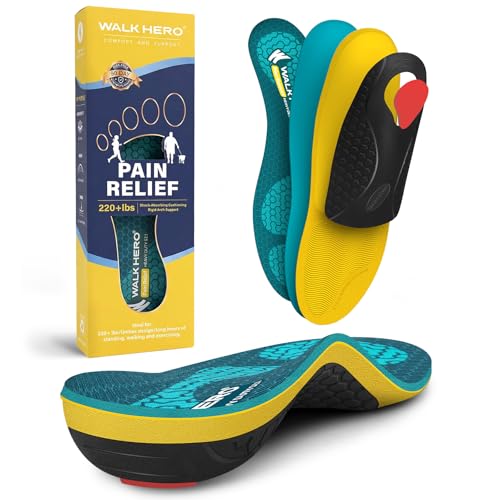
A midrange choice at around $30 to $45 adds a shaped heel cup, a defined arch, and denser foam or a gel pad under the heel. This is the level most standing workers should start from, especially if you spend long shifts on concrete. Our guide to the best cushion insoles for work boots focuses on this group in more depth. The main limitation is thickness, since a structured insole takes up more room inside the boot and can make a snug toe box feel tight.
Premium Level
A premium choice at around $50 to $70 usually brings a firmer arch support piece, a deep heel cup, and a more durable top cover that resists wear from gritty work socks. Some are heat moldable, which lets the shape settle closer to your own arch. This level suits workers with recurring heel or arch pain and people who replace cheap insoles twice a year anyway. The limitation is the upfront cost, plus a firmer feel that can take several shifts to get used to.
What Your Money Gets You at Each Price Tier
Budget Tier: What to Expect
At the budget tier you are paying for basic cushioning and nothing more. Expect a single layer of soft foam, a flat profile with no real arch shape, and trim lines printed on the bottom for sizing. Breathability is usually decent because the foam is thin, but support is minimal and the insole will not change how your boot holds your foot. Treat this tier as a short term comfort fix or as a spare pair for a second set of boots.
Midrange Tier: The Sweet Spot for Most Buyers
The midrange tier is where the useful engineering starts. You typically get two or three materials layered together, such as a firm base, a cushioning middle, and a moisture wicking top cloth. Arch support becomes a real shape rather than a gentle bump, and heel cups start to control side to side movement. For most warehouse, retail, and light construction workers, this tier delivers the best balance of comfort, support, and a lifespan of roughly six to nine months.
Premium Tier: When Spending More Pays Off
Premium insoles spend your money on structure and durability rather than extra softness. The arch piece is often a rigid or semi rigid shell that keeps its shape under heavy loads, and the heel cup is deeper for better stability on uneven ground. Top covers last longer and resist odor better. Spending more pays off if you are on your feet more than ten hours a day, carry heavy loads, or have a high arch that flattens soft foam quickly.
Features Worth Paying For (and Ones to Skip)
Fit, Sizing, and Toe Box
Fit matters more than any single material. Measure your feet in the afternoon, when they are at their largest, and remove the factory insole from your boot to use as a trimming template. A thicker insole raises your foot, so check that your toes still have room to spread in the toe box. If your boots already feel snug, choose a thinner model. Men shopping wide sizes can compare the sizing notes in our guide to the best insoles for men's work boots before ordering.
Waterproofing (Gore Tex and Membranes)
No insole can make a boot waterproof, and you should skip any insole that claims otherwise. Waterproofing comes from the boot itself, through a membrane such as Gore Tex or a similar liner. What an insole can do is manage the moisture that builds up inside, through a wicking top cloth that pulls sweat away from your sock. In waterproof boots, which breathe less than plain leather, that wicking layer is worth paying for because it keeps feet drier across a long shift.
Cushioning and Support
Cushioning absorbs impact while support controls how your foot rolls and flattens. A deep heel cup and an arch that matches your foot height do more for end of day fatigue than extra soft foam alone. If heel impact on hard floors is your main complaint, our guide to the best gel insoles for work boots explains where gel helps most. If you have diabetes, reduced feeling in your feet, or pain that lasts beyond two weeks, talk with a clinician or podiatrist before relying on any insole.
Features That Matter for Work Boots
Work boots place demands on an insole that casual shoes do not. Under a safety toe, the insole must stay thin enough at the front that your toes keep clearance when you kneel or climb. Firmness matters on ladders, where a soft insole lets your foot wobble on a narrow rung. For concrete floors, look for a heel pad with real density rather than airy foam. A practical know how point: press your thumb hard into the heel area, and if it bottoms out instantly, it will do the same under your body weight.
Outsole Traction and Terrain
Your grip comes from the boot outsole, not the insole, so treat traction claims on insole packaging with skepticism. What the insole does change is stability above that outsole. A thick, soft insole can make your foot sit higher and feel less planted on gravel, slopes, or roofing. If your work is mostly on uneven terrain, choose a thinner and firmer insole so the boot lugs and shank work as designed. On flat warehouse floors, that trade off matters far less.
Long Term Costs to Factor In
Insoles are a consumable, so judge them on cost per month rather than sticker price. A budget pair replaced every three months can cost more over a year than a premium pair that lasts nine. Rotating two pairs and letting each dry fully between shifts extends the life of both. When a pair stops cushioning or starts to smell despite washing, our guide to the best replacement insoles for work boots covers the timing and fit checks for swapping in a new set. Also read the return window before you trim, because trimmed insoles often cannot be sent back.
Boot Insoles: Your Questions Answered
What features matter most in boot insoles for work boots?
Fit, heel cup depth, and arch support that matches your foot matter most. After those, look at thickness, because an insole that steals toe room creates new problems. A detail many buyers miss is the shape of the heel edge: a rounded, cupped edge centers your heel at each step, while a flat edge lets it drift. Check that the insole lies flat in the boot with no curled edges before your first shift.
How long is the break in period?
Most cushioned insoles feel right within one or two shifts, while firm supportive models can take one to two weeks. A useful approach is to wear a firm new pair for half a shift at first, then build up. Mild arch awareness is normal early on, but sharp pain is not. If discomfort grows instead of fading after a week, the arch height is probably wrong for your foot and a different shape will serve you better.
Do I need waterproof shoes?
You need waterproof boots only if you regularly work in standing water, heavy rain, or wet concrete. For indoor work, waterproof membranes mostly trap heat. Your insole choice follows the boot: in waterproof boots, pick a thin insole with a strong wicking top cloth, because the sealed boot holds more sweat. In plain leather boots, standard cushioning insoles are fine, and you can treat the leather itself for light weather protection.
How should boot insoles fit?
Boot insoles should match the full length of your boot with no gap at the heel and no bunching at the toes. Stand on the insole outside the boot first: your heel should sit inside the cup and your toes should not hang over the front edge. Inside the boot, walk and crouch to confirm your toes keep clearance under the toe cap. If the insole slides when you pull your foot out, it is likely a size too small.
Are expensive boot insoles worth it?
Expensive insoles are worth it when structure is what you are paying for, not when the price only buys thicker foam. A firm arch shell and a durable top cover can outlast two or three budget pairs, which makes the yearly cost similar or lower. They are not worth it if your boots themselves are worn out, because no insole fixes a collapsed boot midsole or a smooth outsole. Check the boot first, then decide how much insole it deserves.
Can I wear them all day?
Yes, work insoles are designed for full shifts once the break in period is done. The key is moisture management: even the best cushioning feels poor in a damp boot. Carry a spare pair of socks for very long or hot shifts, and pull the insoles out at night so both the insole and the boot dry fully. If your feet feel hot by midday, a thinner insole with a breathable top cloth usually helps more than extra cushioning does.
Wrapping Up
Start with fit, then match the support level to your arch, then choose the price tier that fits how many hours you actually work. Budget foam is fine for light use, midrange structure serves most workers best, and premium support earns its cost on long shifts and hard floors. With those points in mind, the best boot insoles for work boots for you becomes a short list rather than a guess. Look back at the product table above to compare the tiers side by side before you buy.