
Best Coconut Oil Tablets: A Buying Guide and Checklist for 2026
Disclosure: We may earn a commission when you buy through links on this page, at no extra cost to you. As an Amazon Associate I earn from qualifying purchases. Learn more

Use this buying guide to compare the best coconut oil tablets by oil source, dose per serving, capsule type, testing, allergens, and daily cost.
Coconut oil in tablet or capsule form appeals to people who want the oil without the taste, the greasy spoon, or the cooking. Labels can be hard to compare, though, because serving sizes, oil sources, and capsule materials differ a lot from bottle to bottle. This guide to the best coconut oil tablets explains what actually matters on the label so you can choose with confidence.
You will learn how virgin and refined oils differ, how to judge dose per serving and cost per day, and what testing and allergen notes to look for. Use the product table below for a quick view, then work through the checklist before you buy. A note up front: food supplements are not medicines, and they do not replace a varied diet or medical care.
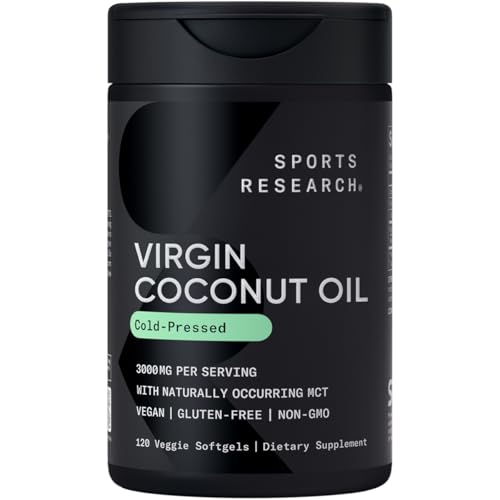


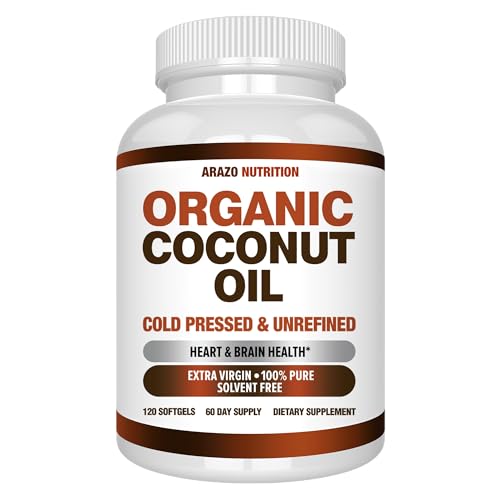


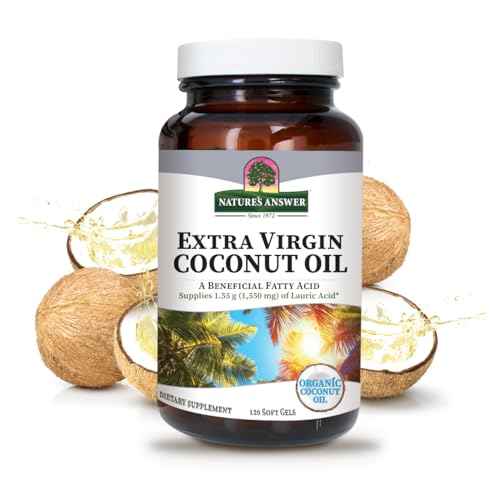
Formats and Price Tiers at a Glance
Most products in this category are softgel capsules, even when shoppers call them tablets, because coconut oil is liquid or semi solid at room temperature and needs a sealed shell. A smaller group comes as pressed tablets or chewables with binders added. At the budget tier you usually get refined oil, larger servings to reach the stated dose, and basic label detail.
Budget Tier Tablets and Capsules
Budget options suit people who simply want coconut oil in a tidy form for general use and who take it with food each day. Expect refined or unspecified oil sources, gelatin shells, and bottles sized for about a month. The main limits are less detail about sourcing, fewer independent testing notes, and a lower oil amount per capsule, which can mean taking three or four capsules to match a serving that another brand reaches in two.
Mid Range Tier Tablets and Capsules
Mid range options usually state virgin or cold pressed oil, give a clear oil amount per serving, and offer bovine gelatin or plant based shells. This tier is the sweet spot for most buyers because the label answers the key questions without a premium price. You may also find organic certification, non GMO statements, and clearer allergen statements at this level, all of which make comparing bottles much easier.
Premium Tier Tablets and Capsules
Premium options tend to add certified organic sourcing, published third party testing, plant based shells suited to vegetarian diets, and larger counts that lower the cost per day despite the higher shelf price. They suit buyers who care about sourcing and testing and who plan to take the product daily for months. The extra cost does not change the basic nature of coconut oil itself, so pay it for transparency and fit with your diet, not for dramatic claims.
How to Choose the Best Coconut Oil Tablets
Oil Source and Processing
Virgin coconut oil is pressed from fresh coconut flesh and keeps a mild coconut aroma, while refined oil is processed from dried flesh and tastes neutral. Cold pressed wording suggests lower heat during extraction, which many buyers prefer. Neither form is automatically better for everyone, because coconut oil is high in saturated fat either way. If you have raised cholesterol or heart disease risk, that fat profile matters more than the processing story, and it is a point to raise with your clinician before daily use.
Dose per Serving and Bottle Count
Compare the grams of coconut oil per serving, not per capsule, because capsule sizes vary. A serving is often about one to two grams, delivered in one to three capsules. Then divide the bottle count by the capsules per serving to get the true number of days the bottle lasts. A cheap bottle that lasts twenty days can cost more per day than a larger bottle at a higher price. This simple math is the most reliable way to compare value in this category.
Capsule Type and Diet Fit
Most softgel shells use bovine or porcine gelatin, which does not suit vegetarian, vegan, halal, or kosher diets in the same way for every buyer. Plant based shells made from tapioca or carrageenan based materials exist but cost more. Pressed tablets may include binders and coatings, so read the other ingredients list if you avoid certain additives. Also check the allergen statement, because coconut is treated as a tree nut allergen on many labels, and facilities may also handle milk, soy, or fish.
Testing and Label Transparency
Good labels state the oil amount, the source, the full other ingredients, and the maker contact details. Independent third party testing or certification marks add confidence that what is on the label is in the bottle. Be wary of bottles that lean on cure style claims, rapid weight loss promises, or vague proprietary blend wording that hides the oil amount. A practical know how point is to photograph the label of a bottle that suits you, so you can match the same dose and shell type when you reorder or switch brands.
Added Ingredients and MCT Content
Some products blend coconut oil with MCT oil or add vitamin E to limit oxidation. MCTs are a fraction of coconut fat that digests quickly, and a higher MCT share changes how the product feels, including a greater chance of stomach upset at first. If a label highlights MCTs, check what share of the oil they form. If you mainly want plain coconut oil in capsule form, a short ingredient list with no added flavors or colors is usually the better fit.
Coconut Oil Tablets vs Other Options
Liquid Coconut Oil in a Jar
A jar costs less per gram and works for cooking, baking, and skin or hair use, but it is messy to measure and the taste puts some people off. Tablets and capsules win on travel, portion control, and taste free use. Choose the jar if you cook with coconut oil anyway, because you gain flexibility and save money. Choose capsules if you know the jar would sit unused, because a product you actually take is better value than a cheaper one you avoid.
MCT Oil Capsules
MCT oil capsules concentrate the medium chain fats and skip the lauric acid heavy portion of whole coconut oil. People often choose them before workouts or with morning coffee style routines. They cost more per serving and are more likely to cause loose stools or cramps when the dose rises fast. If your goal is simply to take coconut oil without cooking, whole oil capsules match that goal more directly and usually cost less.
Coconut Oil Powder
Powders stir into drinks and smoothies and often use a fiber or starch carrier to keep the oil dry. They suit people who dislike swallowing capsules, and they make dose changes easy by the spoonful. The carrier adds ingredients some buyers want to avoid, and the texture can feel chalky. Capsules remain the neater choice for travel and for people who want a fixed dose with no mixing, no taste, and no extra calories from carriers beyond the oil itself.
Shoppers comparing supplement formats often also read our guide to the best fish oil tablets, because the label checks for dose and testing are similar.
Tips to Get the Most From Your Coconut Oil Tablets
- Take capsules with a meal that contains some fat and protein, because oil based supplements sit better on a fed stomach than an empty one.
- Start with half the label serving for the first week, then rise slowly, since a sudden full dose is the most common cause of nausea and loose stools.
- Store the bottle away from heat, because coconut oil melts at warm room temperatures and softgels can stick together in a hot car or sunny cabinet.
- Keep a simple note of dose and timing for the first month, so you can judge honestly whether the routine suits you before you buy a larger bottle.
- Check the expiry date when the bottle arrives and again each month, and discard capsules that smell sharp or rancid.
FAQs
Can I take coconut oil tablets every day?
Many adults take them daily at the label dose, but daily use is not right for everyone. Coconut oil is high in saturated fat, so people with raised cholesterol, heart disease, or liver concerns should ask a clinician first. If you notice lasting stomach upset, headaches, or skin changes after starting, stop and seek medical advice rather than pushing through.
What is the difference between virgin and refined coconut oil tablets?
Virgin oil comes from fresh coconut flesh and keeps a light coconut smell and taste inside the capsule. Refined oil comes from dried flesh, is neutral in taste, and often costs less. Their fat makeup is broadly similar, so the choice is mostly about sourcing preference, price, and how much processing you accept, not about one being a medicine and the other not.
How many coconut oil tablets should I take?
Follow the serving printed on your bottle, because capsule size and oil per capsule vary too much for a universal number. Most servings equal about one to two grams of oil. Do not stack this product with other coconut or MCT products without adding up the total fat, and ask a pharmacist if you take regular medication, since oil can affect how some medicines absorb.
Are coconut oil tablets suitable for children or during pregnancy?
Do not give adult supplement servings to children, and do not start them during pregnancy or while breastfeeding without medical advice. Children and pregnant people have different nutritional needs and safety margins, and supplement labels are written for adults. A clinician or midwife can judge whether dietary coconut in food is enough, which it often is.
How should I store coconut oil tablets?
Store them in a cool, dry cabinet with the lid closed tight. Warmth softens the oil and can make softgels clump or leak, while bathroom humidity shortens shelf life. A kitchen cabinet away from the stove works well. If capsules have melted together into one mass or smell off, do not try to separate and use them.
For a related comparison of plant and seed based supplements, see our guide to the best collagen tablets and our guide to the best fiber tablets, which use similar label reading steps. Readers who prefer algae or krill sources may also check our guide to the best krill oil tablets.
Wrapping Up
Judge dose per serving, oil source, and shell type first, then use cost per day and testing detail to separate close options. Compare the options in the product table above before you order. Chosen that way, the best coconut oil tablets for you will fit your diet, your budget, and your routine, and you should talk with your clinician about personal needs, especially if you manage cholesterol or take daily medication.


